
Videos

Bacterial Infections: Lyme Disease On The Rise

Lyme disease has infected more than 14% of the world’s population, according to a new study. “It’s significant,” says Dr. Bobbi Pritt, director of the Clinical Parasitology Laboratory at Mayo Clinic.

“If you look at the numbers and how it breaks down in regions across the United States, in some areas, that exceeds 50% seropositivity. That means people are walking around with antibodies in their blood that are detectable. That shows they’ve been exposed to Lyme disease at some point in their life,” says Dr. Pritt. “Now whether it was in the past and they’ve been successfully treated, or whether they have it right now, you can’t tell by that result, but it’s a marker of exposure.”

Treating Benign Prostatic Hyperplasia / BPH (Video)

Benign prostatic hyperplasia, or benign enlargement of the prostate, is the most common prostate problem that will affect almost all men as they age. There are many treatment options available that range from medications to surgical options that destroy excess tissue. Learn more about them in this helpful video from Cleveland Clinic.

Chapters: 0:00 Introduction 0:10 What is BPH? 0:45 What are treatment options for BPH? 0:60 What are some medications used to treat BPH? 1:43 What are some surgical options used to treat BPH? 3:43 Call your doctor if you notice any of these symptoms

For more information benign prostatic hyperplasia (BPH) treatments, please visit https://cle.clinic/3tH5aox

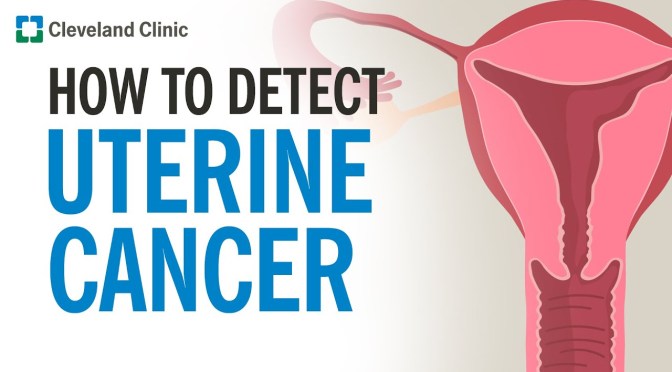
Uterine Cancer: Risks, Diagnosis & Treatment

Uterine cancer is the most common cancer that affects a woman’s reproductive system, occurring mostly after menopause. It’s often diagnosed in an early stage. This video shares the symptoms and tests that may lead to a diagnosis.

Chapters: 0:00 What is uterine cancer? 0:10 What are the risk factors of uterine cancer? 0:27 What are symptoms of uterine cancer? 1:00 How is uterine cancer diagnosed? 2:21 What is the rate of successful outcomes for those diagnosed with uterine cancer?

Diagnosis: What Is Ulnar Wrist Pain? (Mayo Clinic)

If you have pain on the side of your wrist opposite your thumb, it’s called ulnar wrist pain. There are many things that can cause it, and there are several ways to treat it.

“Ulnar wrist pain is a small area from the pinky side of your hand. And it’s from this little knobbly bone called the ulnar to this area near the wrist,” says Dr. Sanj Kakar, a Mayo Clinic hand and wrist surgeon. “It’s very, very common.”

Ulnar wrist pain can occur after a fall onto an outstretched hand. But it also happens in people who play stickhandling sports, like tennis or hockey, and certain occupations that require lifting or using a repetitive motion in the wrist. 

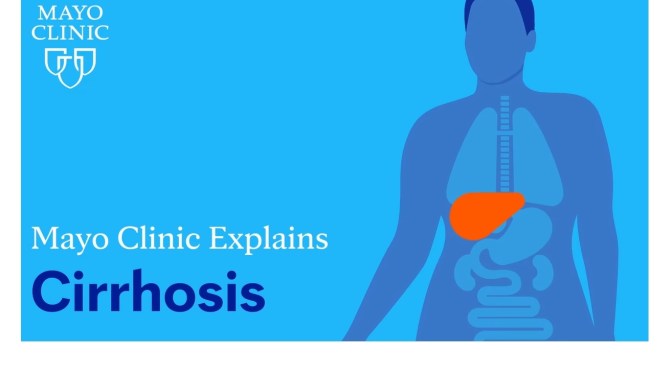
Liver Health: Diagnosis And Risks Of Cirrhosis

Learning about cirrhosis can be intimidating. Let our experts walk you through the facts, the questions, and the answers to help you better understand this condition.

Timeline: 0:00 Introduction 0:24 What is cirrhosis? 1:05 Who gets cirrhosis? / Risk factors 2:03 Symptoms of cirrhosis 2:49 How is cirrhosis diagnosed? 3:38 Treatment options 4:42 Coping methods/ What now? 5:17 Ending

For more reading visit: https://mayocl.in/3luptln.

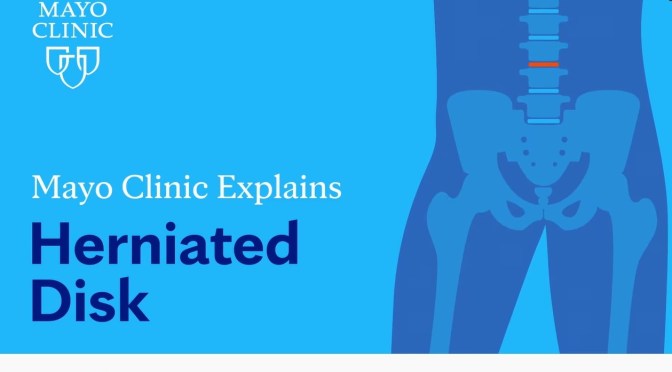
Spine Health: Diagnosing & Treating A Herniated Disk

Learning about a herniated disk can be intimidating. Let our experts walk you through the facts, the questions, and the answers to help you better understand this condition.

Timeline: 0:00 Introduction 0:24 What is a herniated disk? 1:16 What causes a herniated disk? / Risk factors 2:10 Symptoms of a herniated disk 2:49 How is a herniated disk diagnosed? 3:38 Treatment options 4:50 Coping methods/ What now? 5:16 Ending

For more reading visit:https://mayocl.in/3PyJMvJ. When it comes to your health, Mayo Clinic believes credible and clear information is paramount. There’s a lot to learn about a herniated disk. We’re here to help.

Brain Health: The Benefits Of Intermittent Fasting

Although intermittent fasting is most widely known as a weight-loss strategy, emerging research suggests that it could have benefits for brain health and cognition. But does it actually work, are there any drawbacks and how long would you have to fast to see benefits?

WSJ’s Daniela Hernandez breaks down what’s known and what’s not about the neuroscience of intermittent fasting.

Video Timeline: 0:00 Could intermittent fasting help our brains work better and longer? 0:31 How long would you have to fast to see any potential cognitive benefits? 1:04 How intermittent fasting could affect your ability to focus 2:27 Potential mood-related benefits of intermittent fasting 2:48 How intermittent fasting can affect brain health 4:03 Potential drawbacks of intermittent fasting