Videos

Old Age: ‘Hyperexcitable Neurons’ Interrupt Sleep

For many older adults, a good night’s rest is elusive. The implications of chronically poor sleep can be far-reaching and include a decline in cognitive functioning and detrimental effects on health and general well-being. Fortunately, relief may be in sight.

A new study led by investigators at the Stanford University School of Medicine shows that neurons in the lateral hypothalamus, a brain region, play a pivotal role in sleep loss in old mice. More specifically, the arousal-promoting hypocretin neurons become hyperexcitable, driving sleep interruptions.

Read the full story: https://stan.md/3JQ7z77

Luis de Lecea, PhD, is a professor of psychiatry and behavioral sciences at Stanford Medicine. He is the study’s senior author and hopes the finding could pave the way to new drug treatments for age-related sleep problems in humans.

Shi-Bin Li, PhD, is an instructor in the Psychiatry and Behavioral Sciences department at Stanford Medicine. He is also a basic life research scientist in the de Lecea lab, and is the lead author of the study. Lisa Kim is Senior Manager of Media Relations for Stanford Medicine and Stanford Health Care. Lisa has a deep background in journalism, as she is an Emmy Award-winning journalist who has covered stories on both the national and local levels.


Women’s Heart Disease: Three Steps To Lower Risk

Heart attack symptoms for women

The most common heart attack symptom in women is the same as in men — some type of chest pain, pressure or discomfort that lasts more than a few minutes or comes and goes.

But chest pain is not always severe or even the most noticeable symptom, particularly in women. Women often describe heart attack pain as pressure or tightness. And it’s possible to have a heart attack without chest pain.

Women are more likely than men to have heart attack symptoms unrelated to chest pain, such as:

  • Neck, jaw, shoulder, upper back or upper belly (abdomen) discomfort
  • Shortness of breath
  • Pain in one or both arms
  • Nausea or vomiting
  • Sweating
  • Lightheadedness or dizziness
  • Unusual fatigue
  • Heartburn (indigestion)

These symptoms may be vague and not as noticeable as the crushing chest pain often associated with heart attacks. This might be because women tend to have blockages not only in their main arteries but also in the smaller ones that supply blood to the heart — a condition called small vessel heart disease or coronary microvascular disease.

Technology: Smart, Voice-Assisted Operating Rooms

Are Amazon Alexa and Google Home limited to our bedrooms, or can they be used in hospitals? Do you envision a future where physicians work hand-in-hand with voice AI to revolutionize healthcare delivery? In the near future, clinical smart assistants will be able to automate many manual hospital tasks—and this will be only the beginning of the changes to come.

Voice AI is the future of physician-machine interaction and this Focus book provides invaluable insight on its next frontier. It begins with a brief history and current implementations of voice-activated assistants and illustrates why clinical voice AI is at its inflection point. Next, it describes how the authors built the world’s first smart surgical assistant using an off-the-shelf smart home device, outlining the implementation process in the operating room. From quantitative metrics to surgeons’ feedback, the authors discuss the feasibility of this technology in the surgical setting. The book then provides an in-depth development guideline for engineers and clinicians desiring to develop their own smart surgical assistants. Lastly, the authors delve into their experiences in translating voice AI into the clinical setting and reflect on the challenges and merits of this pursuit.

The world’s first smart surgical assistant has not only reduced surgical time but eliminated major touch points in the operating room, resulting in positive, significant implications for patient outcomes and surgery costs. From clinicians eager for insight on the next digital health revolution to developers interested in building the next clinical voice AI, this book offers a guide for both audiences.

Read more

Insights: The Lucrative Business Of Diabetes (2022)

In our modern consumer society, Type 2 diabetes has become a widespread disease. Companies are developing drugs that are increasingly expensive, but not necessarily more effective. Health authorities are powerless. Diabetes is spreading rapidly, all over the world.

The disease destroys lives and puts a strain on public budgets. The UN is calling on governments to take action. Diabetes is proof that modern societies are incapable of adequately treating chronic disease. It affects around 430 million people worldwide, with two main metabolic disorders falling under the name diabetes.

Type 1 is an autoimmune disease that must be treated with lifelong doses of insulin, while type 2 can develop when a person’s diet is too high in fat and sugar and they do not engage in enough physical activity. With turnover of $46 billion, diabetes is a massive and extremely lucrative market. Constantly promised miracle cures have not led to satisfactory treatment, with patients either taking too many drugs or no longer being able to afford them.

It’s a desperate situation, and the only ones benefiting seem to be pharmaceutical companies. A medical focus on blood glucose levels has led to an overreliance on medication, sometimes without due concern for dangerous side effects. Patients become trapped in a cycle of treatment, which in many cases still does not halt the disease’s progression. This can lead to amputations, blindness and heart attacks.

And yet there are alternatives that could flatten the curve of the type 2 diabetes epidemic, while reducing health care spending. Improved diet can be a preventative measure, and a strict adherence to diet can also bring about remission in the case of Type 2 diabetes. But these solutions require effort, as well as a complete rethinking of chronic disease management. Filmed on three continents, this documentary features industry whistleblowers, patients, researchers and medical professionals. It also confronts pharmaceutical companies about their responsibility for the situation.

Diagnosis: Age-Related Hearing Tied To Dementia

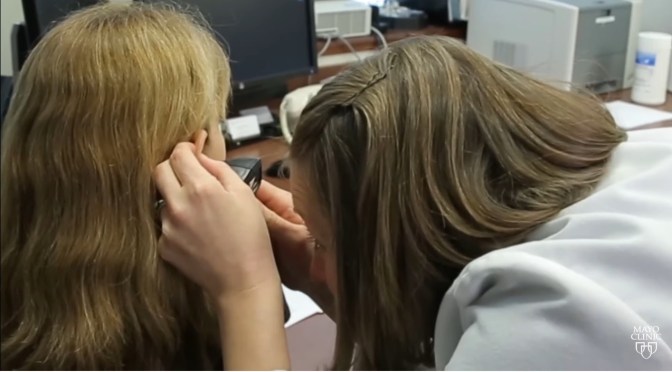
Age-related hearing loss may be linked to an increased risk of cognitive decline. And according to two large studies, … Dr. Ronald Petersen, a Mayo Clinic neurologist, says the exact reason why is not known. It also could be that hearing loss leads to social isolation, which can lead to an increased risk in dementia.

Dr. Petersen recommends getting your hearing assessed every two to three years, especially if you’re noticing signs that your hearing may be deteriorating. The fix could be as simple as needing to get earwax removed.

Sports Medicine: Tennis Wrist Injury Research

Whether it’s the serve, forehand, backhand or volley, tennis puts a lot of stress on your wrist. Many of those injuries are caused by chronic overuse. How you grip the racket and hit the ball plays a major role, too, which is why Mayo researchers recently studied tennis players’ strokes in a motion analysis lab.

Women’s Health: Warning Signs Of Endometriosis

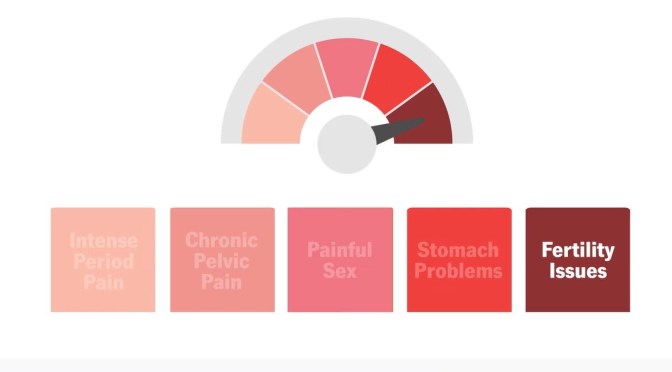
Really painful period cramps aren’t normal. They could mean you have endometriosis. Endometriosis is a gynecological condition affecting the lower abdomen or pelvic area. While some people don’t have symptoms, there are a few red flags that you should look out for. Here are 5 warning signs of endometriosis.

Chapters: 0:00 Introduction 0:15 What is endometriosis 0:44 5 warning signs of endometriosis 3:15 When should you see a medical professional?

Cleveland Clinic: How To Prevent Oral Cancer

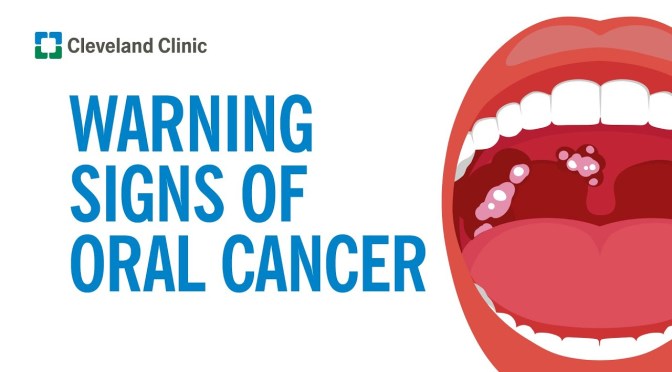
Men face twice the risk of developing oral cancer as women, and men who are over age 50 face the greatest risk. Other risk factors include smoking or using tobacco, drinking too much alcohol and having a family history of oral cancer. But there are lifestyle changes you can make to reduce your risk. Here’s what you can do to lessen your chance of getting oral cancer.

Chapters: 0:00 What is oral cancer? 0:14 Who is most at risk of developing oral cancer? 0:29 7 ways to reduce your risk of developing oral cancer. 2:12 Is oral cancer curable?

What is oral cancer?

Oral cancer (mouth cancer) is the broad term for cancer that affects the inside of your mouth. Oral cancer can look like a common problem with your lips or in your mouth, like white patches or sores that bleed. The difference between a common problem and potential cancer is these changes don’t go away. Left untreated, oral cancer can spread throughout your mouth and throat to other areas of your head and neck. Approximately 63% of people with oral cavity cancer are alive five years after diagnosis.

Who is affected by oral cancer?

Overall, about 11 people in 100,000 will develop oral cancer during their lifetime. Men are more likely than women to develop oral cancer. People who are white are more likely to develop oral cancer than people who are Black.

Bacteria Infections: Risks Of Helicobacter Pylori

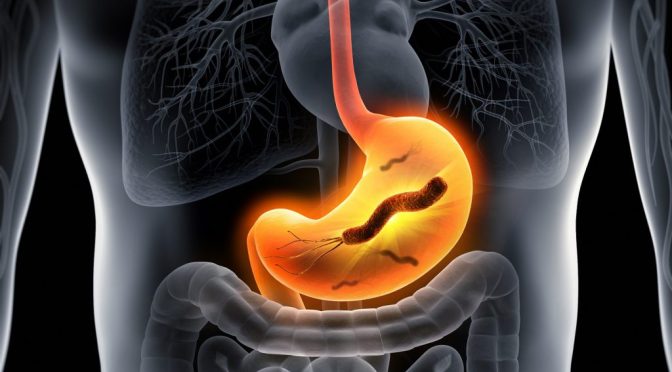
Duke Cancer Institute epidemiologist Meira Epplein, PhD, discovered a common bacteria called Helicobacter pylori (H. pylori) puts Black, Hispanic, and Asian-American people at a higher risk for stomach cancer. She’s been encouraging these and other populations to ask their doctors about getting tested for the bacteria, which Duke gastroenterologist Julius M. Wilder, MD, explains can be as easy as a breathing test.

The simplicity of this test and the information it provides is meaningful to Bishop Ronald Godbee, who along with members of his church congregation, received tests for H. Pylori as part of Epplein’s outreach in Durham, North Carolina.

Chapters: 00:00 What is H. pylori? 00:06 Can H. pylori lead to stomach cancer? 00:18 What populations are at higher risk for stomach cancer? 00:35 Can H. pylori be treated? 01:20 Can I be tested and treated for H. pylori? 02:18 What are the symptoms of H. pylori?

Stem Cells: Bone Marrow Transplants (Mayo Clinic)

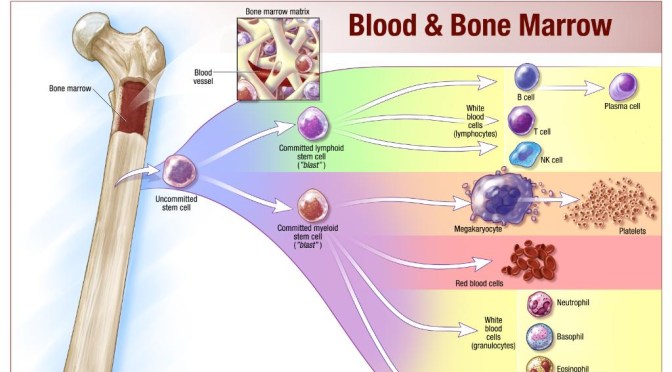
Clinical advances by the Mayo Clinic Transplant team offer new possibilities in treatment. Mayo Clinic is a world leader in setting standards for stem cell transplant. Allogenic transplant involves using stem cells from a donor and replacing diseased or damaged bone marrow. This video reviews the transplant process. Mayo Clinic is making bone marrow transplant safer and improving the lives of people who need them.

Advances by the Mayo Clinic Transplant Program are offering new possibilities in treatment for patients requiring bone marrow transplant. Autologous bone marrow transplant utilizes healthy stem cells from a person’s own body to help recover from high dose chemotherapy. This video reviews the conditions autologous stem cell transplantation is most often used to treat and what to expect throughout the process.