

When it comes to fighting cancer or living with a cancer diagnosis, does what you eat make a difference? On Mayo Clinic Q&A, Dr. John Shin, a hematologist/oncologist, discusses nutrition and cancer.
Tag Archives: Women’s Health
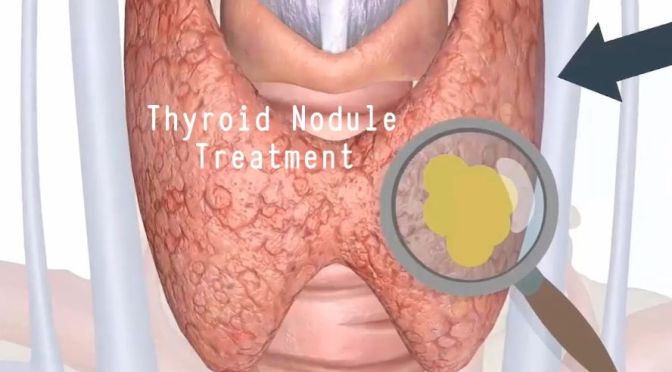
Endocrinology: Thyroid Nodule Treatment (Video)
The Endocrine Surgery Program at Massachusetts General Hospital provides multidisciplinary, specialized treatment for thyroid nodules, a lump that commonly occurs in the thyroid. If you think that you may have a thyroid nodule, you should be evaluated by a physician. In this video, Sareh Parangi, MD, endocrine surgeon at Mass General, shares more about what to expect for diagnosis and treatment of thyroid nodules.
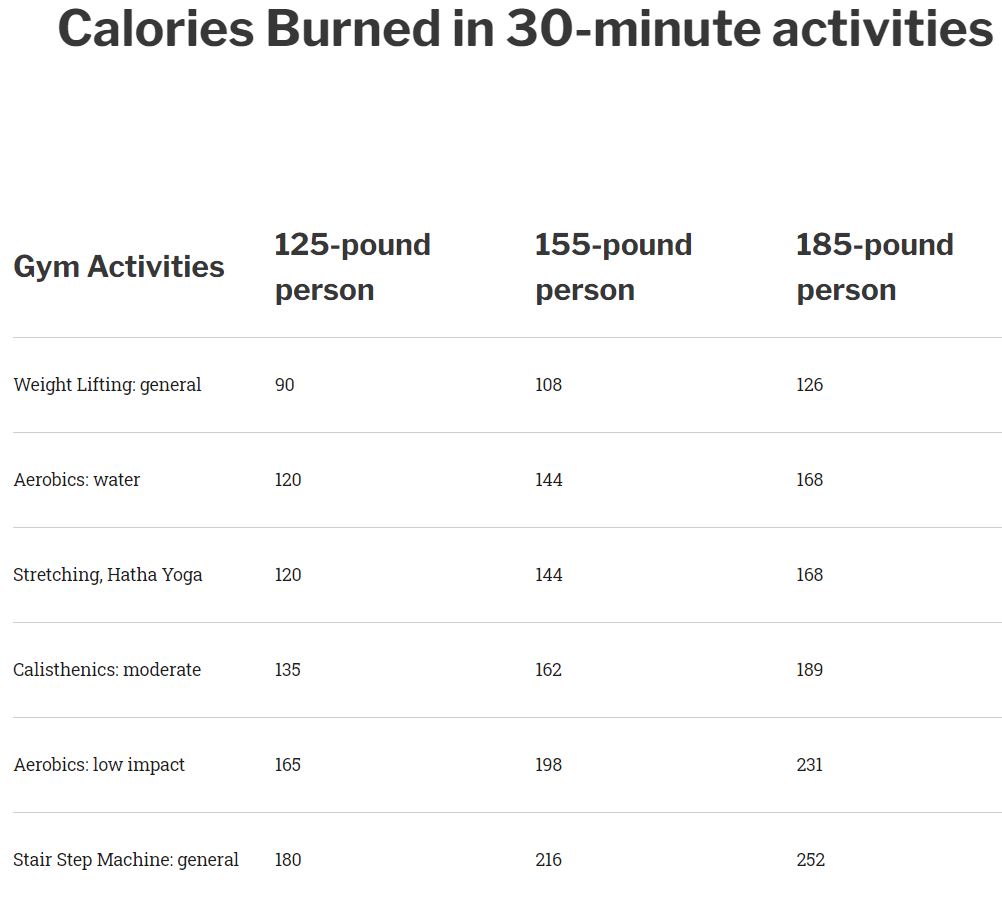
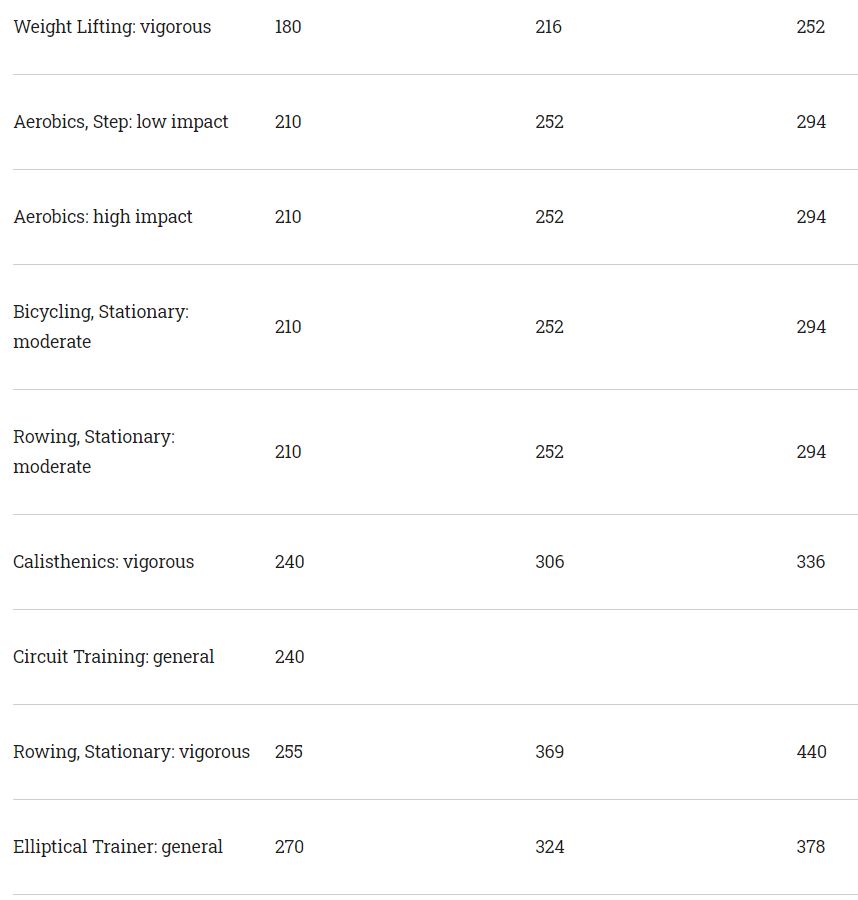
CHARTS: CALORIES BURNED IN 30-MINUTES OF EXERCISE

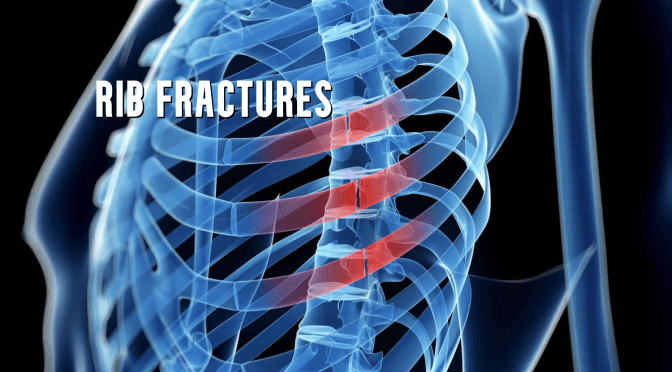
Dr. C’s Journal: Rib Fractures & Cracks
Broken ribs are fairly common, and if you’ve ever had one, you don’t want another. A rib fracture causes lots of pain, which is worse when you take a deep breath, press on the area, or twist your body.
The pain on taking a deep breath creates a catch 22, because taking a deep breath every few minutes is a good idea, if not essential to keep your lungs open and functioning, yet you don’t want to do it because it hurts a lot.
A rib fracture is usually caused buy a direct trauma to the chest from a fall, automobile accident, or sport.
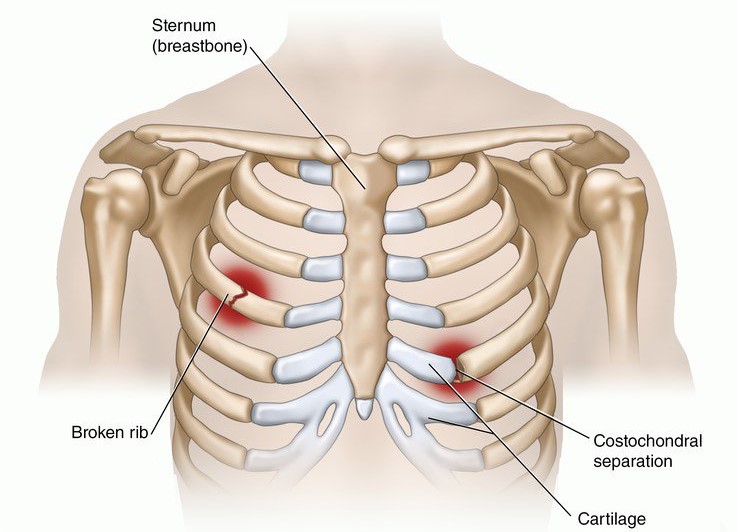
Repetitive minor injury can also cause rib fractures. This can occur when you escalate your exercise to rapidly and stress a bone, like in the foot, or when you have a chronic cough that’s violent and continuous, which could cause a stress rib fracture.
Interestingly, children age 10-12 can stress their chests enough with a heavy backpack to cause a problem where are the ribs meet the breastbone, called the costochondral junction.
Any severe chest pain raises concern for heart disease, and the fact that it is worsened by pressure on a certain area, or by taking a deep breath can be reassuring. The doctor should be contacted depending on the severity of the pain and how certain you are it is related to trauma.
Of course, if the pain in the middle of the chest, feels like pressure or radiates, You would be foolish not to go to emergency room. The treatment for a rib fracture no longer includes taping the chest, but rather continuing to take occasional deep breaths and use medication if needed for pain.
Of course you need a doctor’s diagnosis in order to continue doing this. If the Fracture was due to a fall, you should definitely educate yourself on how to avoid falls in the future. In July 2020, I posted an article on falls that you could access by typing “falls” into the question box.
There are a variety of things you can do to prevent falling: remove clutter in the house, strengthen your muscles, check your eyesight, hearing, proprioception, and balance. There are even programs for teaching the elderly HOW to fall.
Please refer to the mayo clinic article on broken ribs for more detail.
—Dr. C.
DOCTORS PODCAST: MEDICAL & TELEHEALTH NEWS (JUN 18)
A weekly podcast on the latest medical, science and telehealth news.
INSIDE VIEWS: CATARACT SURGERY PROCEDURE
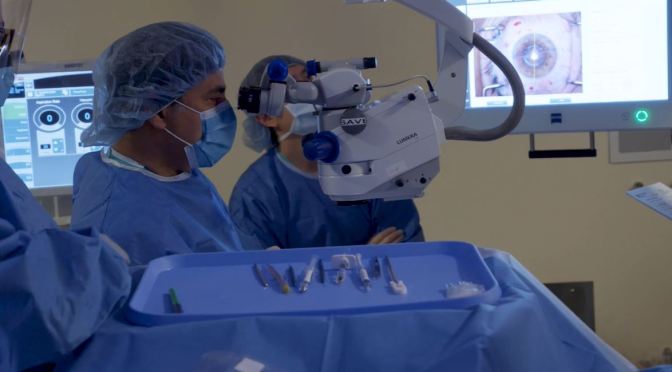
The patient is awake as a laser cuts her cataract into six pieces. Then, she heads into the operating room. When she wakes up, her cataracts and nearsightedness are gone.

COVID-19: ARE VACCINE INCENTIVES PAYING OFF?
Across the country, states are shelling out incentives ranging from free beer to $1 million lotteries to encourage residents to get their Covid-19 shots. But is the effort to boost vaccination rates working? And is it worth the cost? Photo composite: Adam Falk/The Wall Street Journal

INFECTION: OPPORTUNISTIC INVASIVE FUNGI EXPLAINED
Fungi are in the outside air, the inside air, and even the air of isolation units In hospitals. The normal human respiratory tract is able to breathe these fungi in, have them deposited on the mucous membrane surfaces and have no problem. The normal respiratory membranes, with their associated cleansing cilia and normal mucus production are able to sweep the invaders out without sustaining any harm.
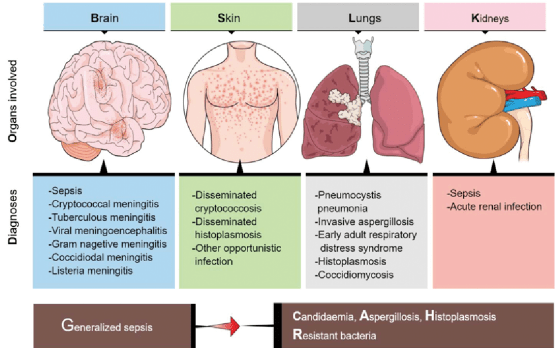
Problems arise when the respiratory tract is functionally or structurally abnormal, such as in cystic fibrosis, bronchiectasis and COPD. Immunocompromised conditions have been increasing in frequency with the improvement in medical care in recent years. Intravascular catheters and sensors can provide a resting place for pathogens including fungi, as can cavities, scars and other damage to the lung. The immune system may require suppression to accommodate an organ transplants or ameliorate autoimmune conditions.
Cancers, especially of the hematologic or lymphatic system, such as lymphomas, pose a definite problem. Severe burns and malnutrition may weaken the immune system, as may Viral infections, especially AIDS, and more recently COVID-19. More subtle immune problems may arise with diabetes, Obesity, or even a lack of sleep and exercise.
These and other conditions give the fungal infections the OPPORTUNITY to invade the body, and a few dozen of the thousands of species of fungi proceed to do just that. Opportunistic fungi often have special features, depending upon the species. Most prefer the respiratory tract, and if they get in to the bloodstream can go to their favored spots.
Aspergillus, and coccidiomycosis , for instance, prefer the lung. Mucormycosis often involves the sinuses and eyes. Blastomycosis can involve bone. Sporothrix is often found infecting the skin.
Symptoms depend upon the area involved. Of course if it’s a respiratory tract, you have coughing, mucus production, sometimes shortness of breath. With the central nervous system you have headache and confusion. You can see the involvement in the skin.
The number of drugs available to fight fungal infection is fairly limited, and currently involves only three different classes. Many fungi are resistant to one or two of these classes, and can be problematic.
However, fungi do not as a rule spread through the air from person to person, and a true epidemic would be unlikely.
—Dr. C.
Dr. C’s Journal: What Is Huntington’s Disease?
Degenerative neurological diseases are particularly horrible. They affect the brain, the very essence of our humanity. Moreover, almost all of these conditions have no satisfactory treatment. Alzheimer’s, Parkinson’s, and Huntington’s disease come to mind.
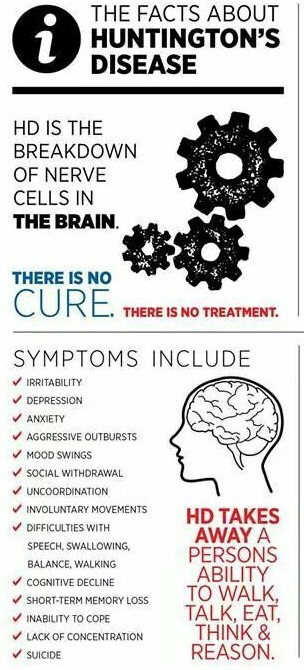
Much more is known about the genetics of Huntington’s than any other aspect of the disease. The problem is due to CAG repeats, which either crowd out or distort the function of the Htt protein.
If a child of a Huntington family anticipates having children, intervention to prevent transmission, such as artificial insemination and eliminating any zygotes containing the Huntington Gene will prevent the children from inheriting the disease.
Huntington’s is considered to be inherited by a somatic dominant Gene. This gene codes for a number of CAG repeats in excess of the normal number, less than 35. However the number of CAG repeats tends to increase with each generation, and it is possible for parents with somewhat less than 35 repeats eventually to produce the disease in their offspring.
As in any degenerative brain disease, the focus of medical treatment is on neurotransmitters. This is because neurotransmitters can be studied and used as the basis of medical treatment that lessens the effects of the disease. In the case of Huntington’s, dopamine, glutamate and acetylcholine have all been implicated, although transmitter balance is probably more important, and changes with time.
Neural malfunction, however, is where the true pathology lies, and all neurons, especially those of the Corpus stratum and Cerebral Cortex contain Htt and are eventually involved, Leaving a shrunken brain that loses much of its substance and function.
The symptoms begin as a movement disorder, and initially was called Huntington Chorea, because of the abnormal “Dance-like” movements of affected individuals . Eventually, psychiatric, intellectual and other symptoms occur which span all areas of the brain.
Today, after swimming, I encountered a man whose brother has Huntington’s disease. So far he has been spared. He is part of a study of Huntington’s Disease Families. He denies knowing anything about his genetics, and indeed does not want to know, Nor would I in his situation, since nothing can be done to affect the basic progress of the disease.
Please refer to the accompanying meal clinic article for more information about Huntington‘s disease.
—Dr. C.
Telemedicine: Mayo Clinic Otolaryngology (Video)
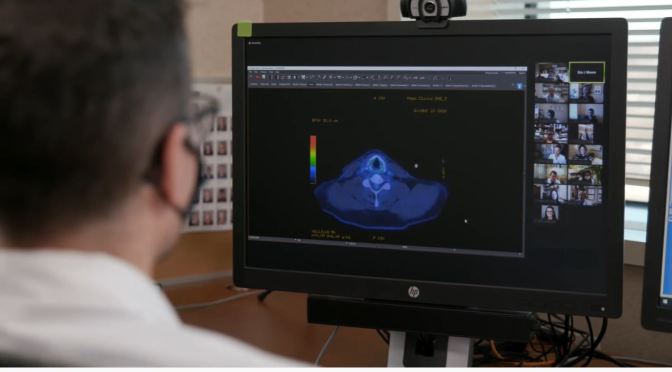
The department of Otolaryngology offers telemedicine as a safe, secure and convenient way to consult with our care teams. Advanced planning, follow up visits and attending a consultation from a distant with a family member are beneficial ways to utilize telemedicine. See here for information on our clinic and specialty groups related to the department of Otolaryngology. https://www.mayoclinic.org/department…
Otorhinolaryngology is a surgical subspecialty within medicine that deals with the surgical and medical management of conditions of the head and neck. Doctors who specialize in this area are called otorhinolaryngologists, otolaryngologists, head and neck surgeons, or ENT surgeons or physicians.
 Doctors Without Waiting Rooms