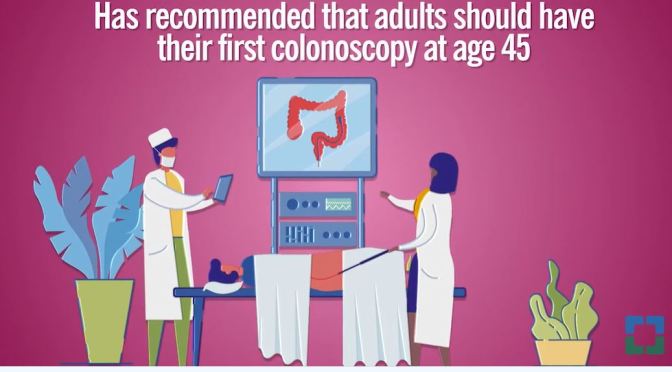
According to the American Cancer Society, colorectal cancer is the third most common cancer diagnosed in both men and women in the United States. While diagnoses are decreasing in people over the age of 50, there’s been an increase for those who are younger.
For more information on why you should get a colonoscopy and how to schedule yours today, please visit https://cle.clinic/3oqWdy6
Learning about lymphoma can be intimidating. Let our experts walk you through the facts, the questions, and the answers to help you better understand this condition.
Video timeline: 0:24 What is Lymphoma? 1:20 Types of Lymphoma 2:04 Who gets Lymphoma? 2:48 Risk factors 3:30 Symptoms 4:10 How is Lymphoma diagnosed? 5:07 Treatment options 6:11 Coping methods/ What now? 7:09 Ending
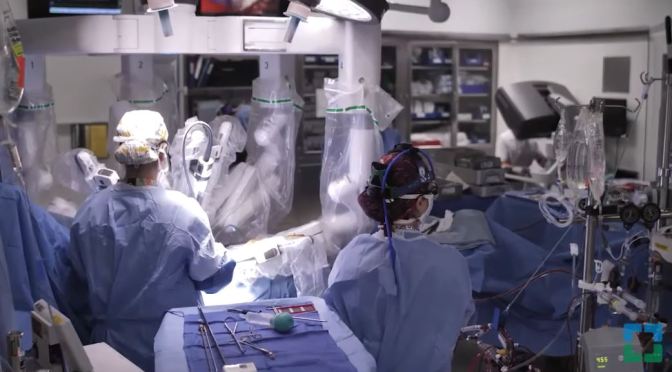
Robotically assisted heart surgery is a minimally invasive option most often used for mitral valve repair. Cleveland Clinic cardiothoracic surgeons explain how it works and what to expect.
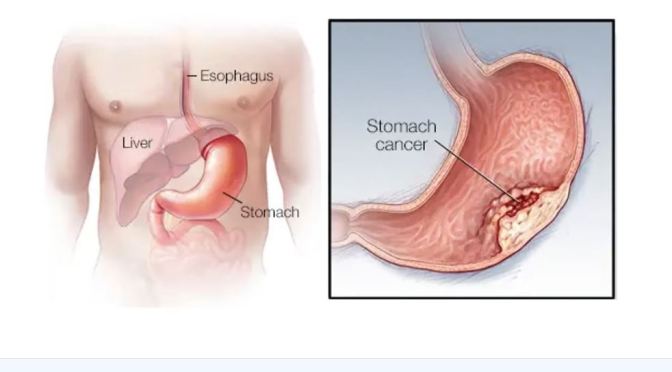
Stomach cancer, also called gastric cancer, is an abnormal growth of cells that begins in the stomach. It can affect several areas of the stomach, including the main stomach lining or where the esophagus meets the stomach.
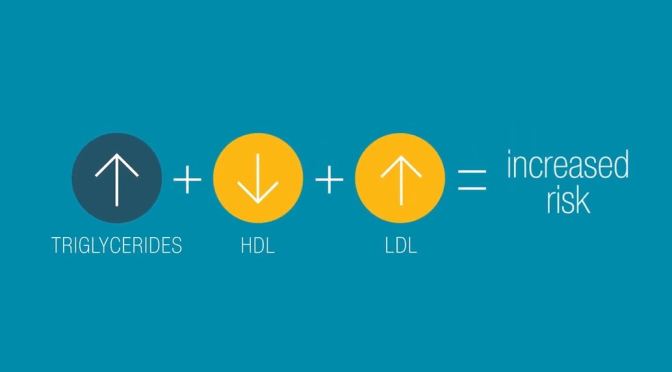
There are two types of cholesterol: LDL cholesterol, which is bad, and HDL, which is good. Learn why too much cholesterol and elevated triglycerides can lead to heart disease and stroke. Make it a priority to have your cholesterol checked.
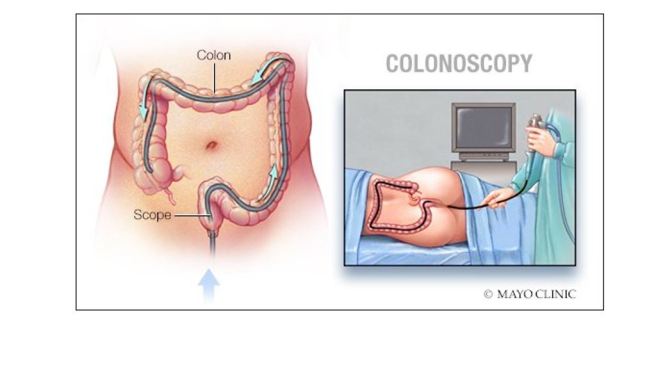
A colonoscopy is an exam used to detect changes or abnormalities in the large intestine, or colon, and rectum. It’s an important exam that’s performed to check for colon cancer. But some would agree that preparing for the colonoscopy is worse than the exam itself.
In this Mayo Clinic Minute, Dr. James East, a gastroenterologist at Mayo Clinic Healthcare in London, explains what patients will need to do to prepare for this exam and how to make it a little easier.
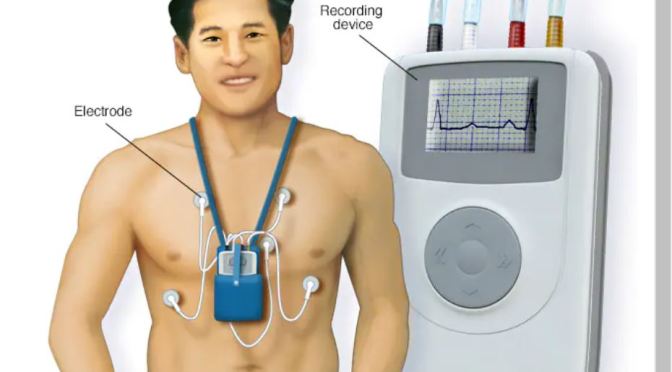
It’s like an auto mechanic running a diagnostic test on your car’s engine while it’s out of the garage and traveling down the road. Wearable heart monitors are valuable tools that cardiologists use to determine if you are experiencing atrial fibrillation, which is your heart beating at an irregular or rapid rhythm.
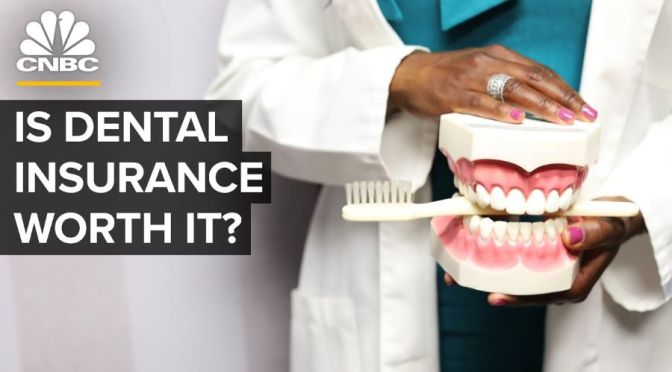
Americans have a tendency to avoid the dentist. More than 40% of Americans said they don’t see a dentist as often as they would like, according to a 2018 survey by the American Dental Association. Their number one reason for skipping visits is cost, even among those with dental insurance. Dental insurance policies can be confusing and difficult to use, making some Americans wonder whether dental insurance is worth investing in at all. Watch the video to find out to learn what it actually costs to go to the dentist, whether dental insurance is worth investing in and what patients and policymakers can do about it.
Video timeline: 0:00 – Introduction 1:42 – How dental insurance works 4:15 – Dental care costs 6:17 – Is dental insurance worth it? 9:49 – Solutions
Over a month and a half before the World Health Organization officially declared a pandemic, BioNTech CEO Uğur Şahin met with his wife, BioNTech’s co-founder and chief medical officer Özlem Türeci, and together they agreed to redirect most of the company’s resources to developing a vaccine. Up until that point, BioNTech was little-known internationally and primarily focused on developing novel cancer treatments. The founders were confident in the potential of their mRNA technology, which they knew could trigger a powerful immune response. That confidence wasn’t necessarily shared by the broader medical community. No mRNA vaccine or treatment had ever been approved before. But the couple’s timely breakthrough was actually decades in the making. CNBC spoke with Şahin and Türeci about how they, along with Pfizer, created a Covid-19 vaccine using mRNA.
COMMENTARY:
This commentary concerns a video showing aspects of the development of MRNA vaccines. It is all about Pfizer’s German partner, BioNtech, which manufactures the vaccine. They have produced the bulk of the worlds mRNA vaccines, due to Pfizer‘s great financial strength and experience in marketing.
Moderna, a wholly American company and by comparison a small fry, has also been doing decades of work with mRNA platform technology, mainly on cancer treatment.
With $800 million from the U.S. government, Moderna was able to scale up their manufacturing process and deliver a vaccine, approved by the FDA, shortly after Pfizer did so.
These vaccines were made possible by two technical advances. The first advance was in substituting pseudouridine for uridine in the mRNA, so that the target cells natural defenses would not destroy it. The second involves coating the mRNA with a nano size particle to get it into the target cell.
Each of these advances will probably receive a Nobel prize, and is an elegant example of the sophistication of modern biotechnology.
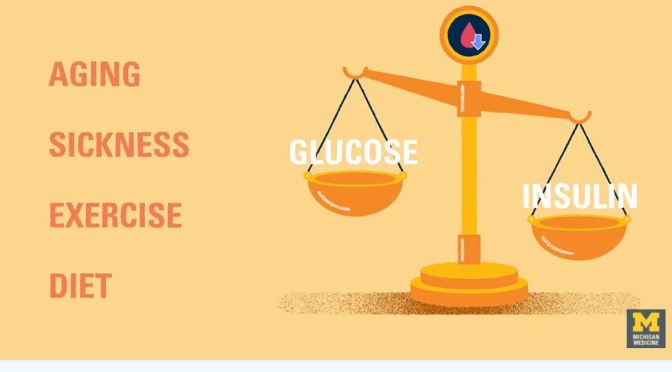
In this video, you’ll learn the basics of how to treat a high blood glucose result with a Correction Dose of insulin, how to calculate the Correction Dose, and when not to give a Correction Dose.
Empowering Patients Through Education And Telemedicine

 Doctors Without Waiting Rooms