Q: What is an elimination diet? Can it be used for weight loss?
A: Alicia Romano, MS, RD, CSNC, a registered dietitian/nutritionist with the Frances Stern Nutrition Center who specializes in gastrointestinal diseases and food allergies, answers: “I’m glad you asked this question! Elimination diets are sometimes used as diagnostic or treatment tools. They are not for weight loss.
A study that followed nearly 400,000 middle-aged individuals in the U.K. for a median of over 10 years found that, compared to individuals who reported drinking less than one cup of coffee a day, drinking four or more eight-ounce cups a day was associated with lower risk of 30 medical conditions.
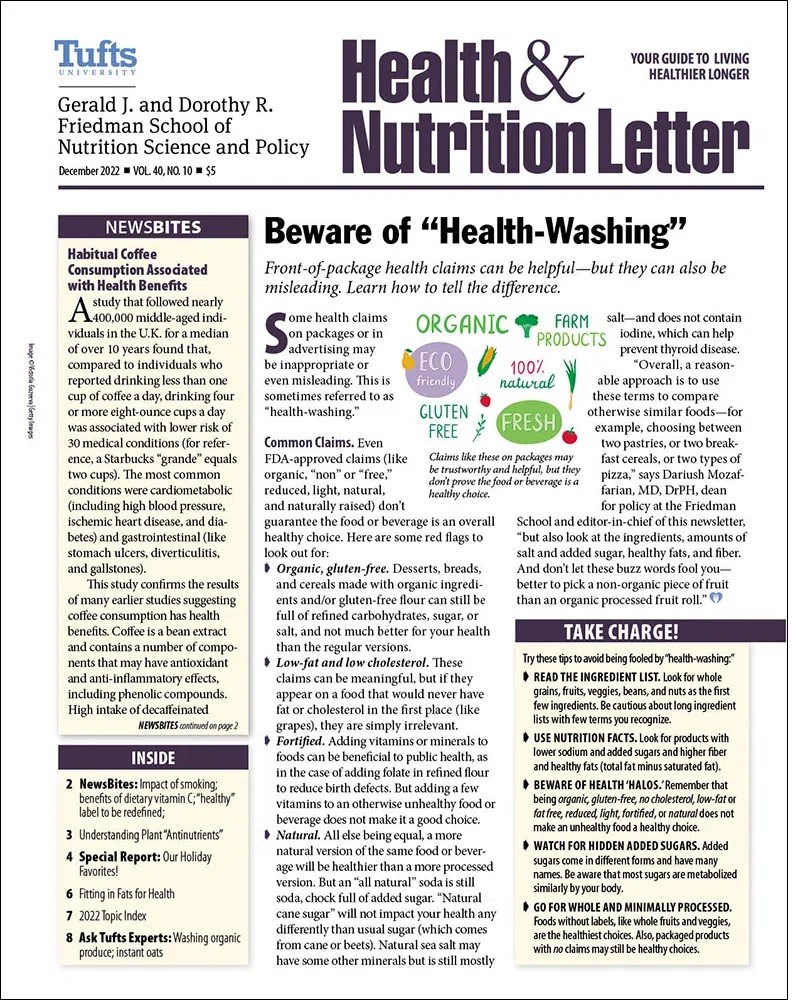
The U.S. Food and Drug Administration (FDA) recently proposed new draft guidelines for food manufacturers who want to label their products as “healthy.” This term was last defined in the 1990s. According to the FDA, “our current definition permits manufacturers to use the claim ‘healthy’ on some foods that, based on the most up-to-date nutrition.
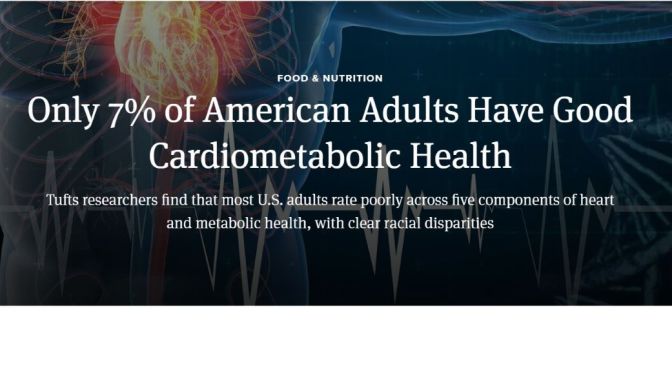
Less than 7% of the U.S. adult population has good cardiometabolic health, a devastating health crisis requiring urgent action, according to research led by a team from @TuftsNutrition. https://t.co/fDnypaSwgS
— Tufts University (@TuftsUniversity) July 5, 2022
ess than 7% of the U.S. adult population has good cardiometabolic health, a devastating health crisis requiring urgent action, according to research led by a team from the Friedman School of Nutrition Science and Policy at Tufts University in a pioneering perspective on cardiometabolic health trends and disparities published in the July 12 issue of the Journal of the American College of Cardiology. Their team also included researchers from Tufts Medical Center.
Researchers evaluated Americans across five components of health: levels of blood pressure, blood sugar, blood cholesterol, adiposity (overweight and obesity), and presence or absence of cardiovascular disease (heart attack, stroke, etc.). They found that only 6.8 percent of U.S. adults had optimal levels of all five components as of 2017-2018.
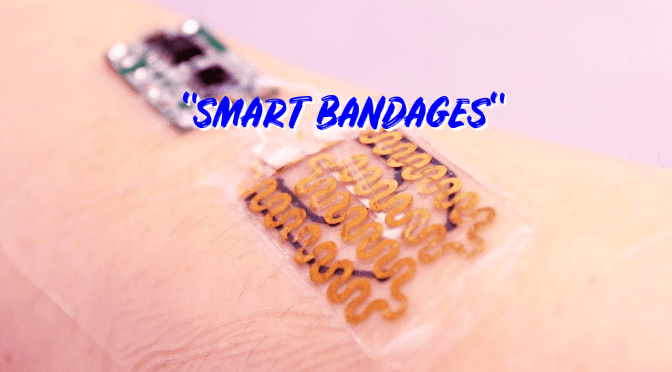
On the 100th anniversary of the Band-Aid, Tufts engineer Sameer Sonkusale is working to make “smart” bandages.
COMMENTARY
The Tuft’s video talks about transforming the Band-Aid into a detector that can warn of infection, or even exude the proper antibiotic. This would certainly be Applicable to Convalescent homes where people can’t monitor their own healing.
I am Looking forward to the time when the bandage will provide a matrix for the body’s regenerative cells to spread out and cover the wound more rapidly. Possibly someday the regenerative cells themselves can be applied.
—Dr. C.
Empowering Patients Through Education And Telemedicine


 Doctors Without Waiting Rooms