Tag Archives: Symptoms

Diagnosis: The Causes Of Fever Of Unknown Origin

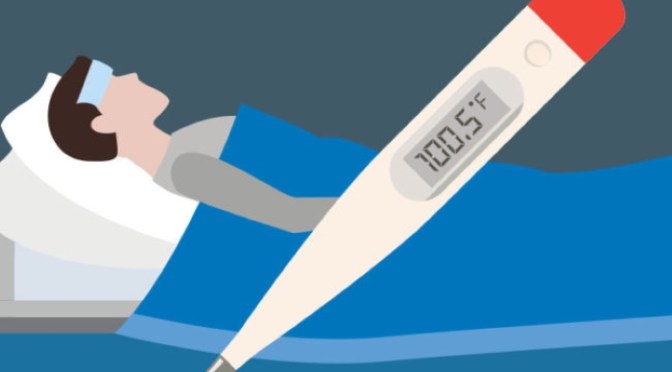
Fever is just one of the number of symptoms that accompany most infections such as Covid and  influenza. When doctors can’t find a diagnosis for the fever, and it lasts for a few weeks, however, it is called fever of unknown origin, or FUO.

There are a bewildering number of illnesses that produce fever, and the mixture of these illnesses is different depending on geographic location, the type of hospital, and socioeconomic conditions.
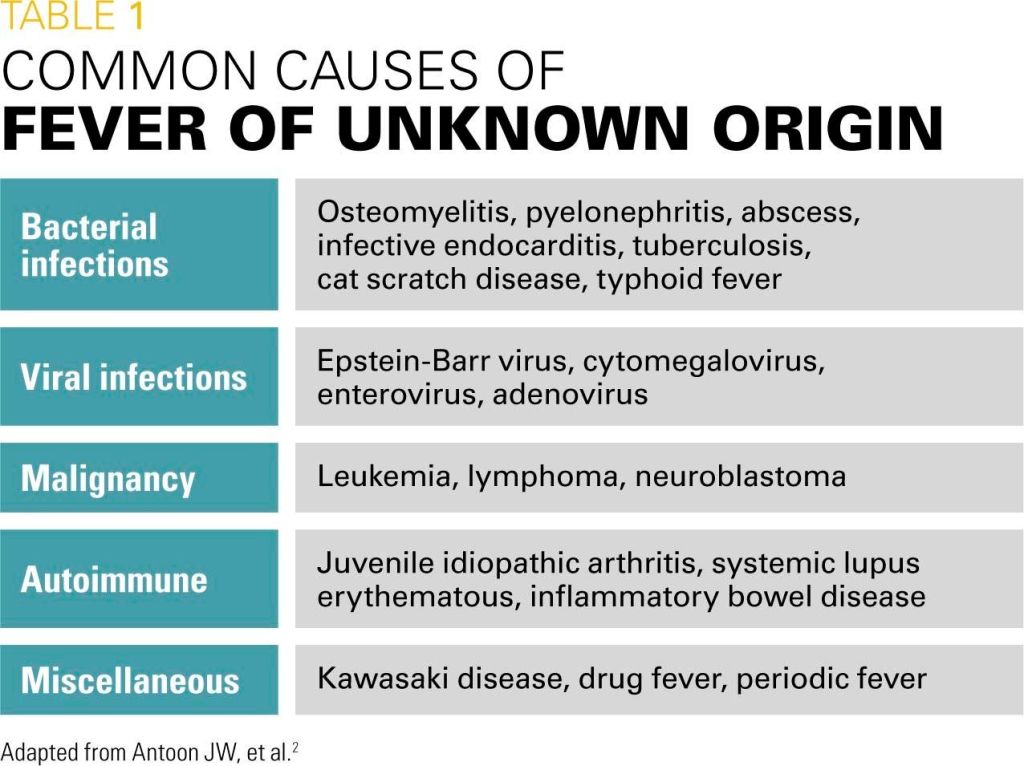
Just like weight loss of unknown origin, or abdominal discomfort of unknown origin, fever without obvious cause is quite possibly be due to cancer in affluent America, and if you go in early you might have better outcomes with your treatment.

Fever has been known since earliest times, and was often considered a diagnosis on its own. In the past, the great majority of the fevers were infectious, and the outcome grave. In the mid 20th century, when I went to medical school, fevers were still mostly infectious. Antibiotics were the magic bullet, and were unfortunately overused. In underdeveloped countries, infections are still the most common cause, but in the developed world difficult to treat viral infections, autoimmune conditions, and cancer have been gaining in prominence.

When fever becomes excessive, and medication is needed, NSAIDS may be used, and works better on fever from infection than on fever from cancer. The take-home message for me is that if you use Naprosyn for a persistent fever, and isn’t effective, you might notify the doctor.

The motivation for me writing this article came from a very good posting in the New England Journal of medicine. They used a little humor, stating that modern FUO might be called “fever of too many origins”, what with all the indwelling catheters, implanted medical devices, shunts and long hospital stays. There is a separate category made for fever acquired in the hospital.

In people with AIDS, the evaluation is different depending on whether or not they are on treatment.

Tuberculosis is still a very common cause of fever.

Drugs are becoming increasingly responsible for troublesome fevers. In the early days of antibacterial therapy, sulfa  was the only drug available, frequently caused fever.  Now, sulfa is less used, and the penicillin derivatives are more common causes of fever.

If you have a fever, and have been traveling recently, be sure to tell the doctor. Your fever might be due to a tropical parasite such as malaria, particularly if you’ve been to West Africa.

Fever is an evolutionarily conserved body defense reaction and helps a person recover from an infection. The normal body temperature cycles according to the time of day; it is lowest first thing in the morning, and is higher later in the afternoon. The average body temperature used to be 37°C, or 98.6 F., but has been declining in recent decades, and is now about 36.5°C or 97.6°F. The use of electronic thermometers has cut down the amount of time needed to assess the body temperature, but added variability. I still prefer the old-fashioned thermometer.

Taking your temperature by whatever means you have available still remains a good idea when you don’t feel well.
—Dr. C.

Diagnosis: The Early Signs Of Pancreatic Cancer

Lymphoma: Its Types And Causes (Cleveland Clinic)

Lymphoma is a cancer of the lymphatic system – our body’s immune system. The two main types of lymphoma are Hodgkin and non-Hodgkin. In this video, we break down how both types of lymphoma begin and the differences between them.

Chapters: 0:00 Intro 0:15 What are lymph nodes? 0:40 What is a cell mutation? 0:52 What is lymphoma? 1:15 What is the difference between Hodgkin and Non-Hodgkin lymphoma? 1:28 What are common symptoms of lymphoma?

Read more

Disorders: Inflammatory Bowel Disease (Video)

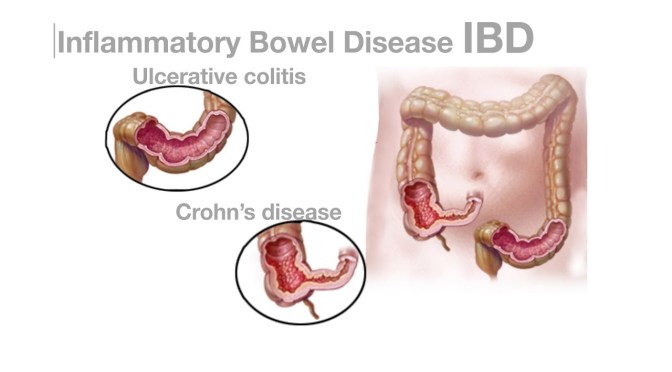
If you or someone you know has been diagnosed with Inflammatory Bowel Disease (IBD), including Crohn’s Disease and Ulcerative Colitis, you may be asking yourself a lot of questions. Our experts are here to help you answer them.     

 Video Timeline:   0:00 Introduction 0:08 How much will IBD affect my life? 1:03 What causes IBD? 1:58 Can IBD affect my lifespan? 2:19 Does diet affect IBD? 3:01 Is there any cancer risk from having IBD? 3:27 What’s the risk of passing IBD onto my children? 3:52: Are stool transplants real? 4:33 How can I be the best partner to my medical team?      5:11      Ending  

Diagnosis: Warning Signs Of Pancreatic Cancer

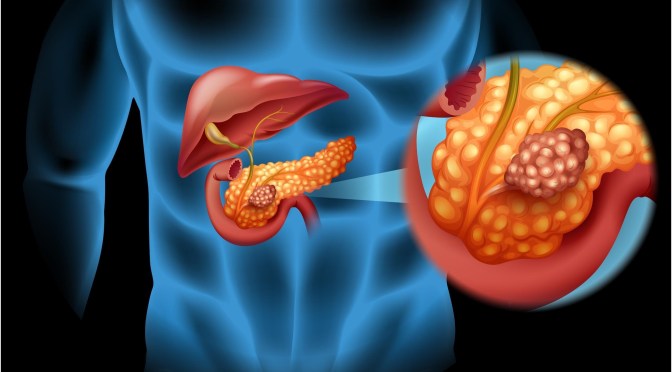
Pancreatic cancer accounts for about 3% of all cancers in the United States and about 7% of all cancer deaths. Because it’s hard to detect early, it’s important to recognize any symptoms that occur. Find out what to look for and when you should talk to your provider with this helpful video from Cleveland Clinic.

Chapters: 0:00 Intro 0:28 What is pancreatic cancer? 0:58 What are the warning signs of pancreatic cancer? 2:46 When to talk with your healthcare provider about symptoms of pancreatic cancer

Read more

Dr. C’s Journal: Pain Without Treatable Cause

Pain is useful to survival, and therefore is evolutionarily conserved. There is a very rare syndrome with the congenital inability to experience pain that Is caused by mutations in the SCN9A gene, which codes for a sodium channel (Nav 1.7). Research on this channel has apparently produced some advances in pain medication, but not as much as expected.

Individuals with insensitivity to pain have many accidental injuries which can cause blindness, mutilations of the extremities, and other severe problems. Lack of ability to feel pain is serious handicap.

Pain is generally a useful red flag that warns us to stop the painful activity, or guides us into the doctors office; about half of all medical visits involve pain of some sort.

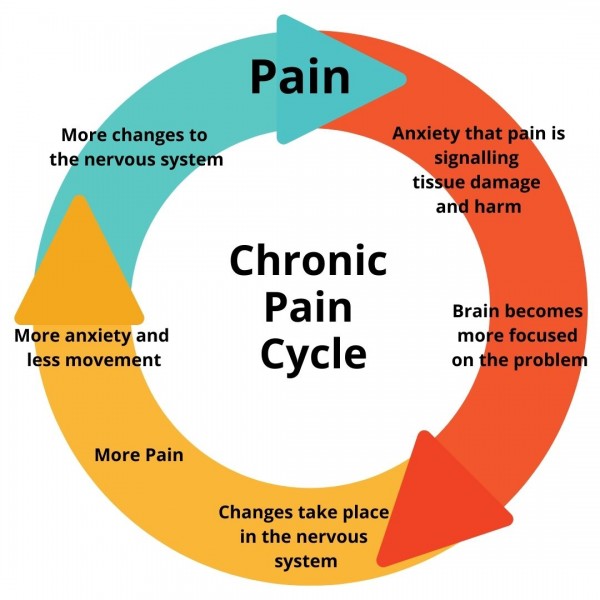
Considered as a symptom, pain helps guide the physician into the proper diagnosis and treatment. Normally the pain stops when the condition that produced it is corrected. Pain sometimes outlives it’s usefulness, however, and becomes a major problem on his own. The most obvious condition is “phantom limb pain”. Most people who have had an amputation will continue to experience pain in the extremity that is no longer present.

Back pain that has no valid surgical treatment will sometimes drive individuals to surgeons who will operate on them unsuccessfully. A second opinion, preferably by a medical doctor like a neurologist, is always a good idea with back pain without sciatica, numbness, or other localizing symptom to tell the doctor where to operate.

Neuropathic pain is another conundrum. I know of an individual who was bitten on the foot by a dog, and continued to have severe foot pain for many years after the original injury healed.

All pain is interpreted in the brain, and continuing circles of central nerve activation is the leading theory of phantom limb and neuropathic pain. Pain is not objectively measurable; there is no meter that you can attach to the patient and find how much pain they are actually having. The doctor must assume that the patient has the pain they are describing, and ask the patient to rate it on a 0 to 10 scale, describe its severity, time course, quality, and any factors that will make it better or worse. Most often this produces an avenue to treatment, but sometimes not.

A few decades ago, busy doctors would label the pain that they could not diagnose as “psychological”, and dismiss the patient to suffer in silence. Much of the pain, however, was very real to the patients, who joined in patient advocacy groups and produced a political backlash which induced doctors to overtreat the pain, often with opioids.

The over-prescribing  doctors, and unscrupulous drug companies led to the flooding of the market with opioid medication, leading to the opioid crisis that is now being addressed. There is difficulty in making scientific progress on an adversary that cannot be measured properly.

Some doctors, usually anesthesiologists, specialize in treating the chronic, severe pain that standard medical practice has been unable to diagnose or alleviate.

They may use nerve blocks, antidepressants and combinations of different pain medication. Judicious propofol has been used also not only for chronic undiagnosed pain, but also depression.

My wife had a pain problem which responded to a combination of two simple medications, motrin and acetaminophen. The suggested overall approach is to get the best medical care available to diagnose the cause of the pain, and ask for a pain management referral if a solution is not found.

More information can be found in the appended Wikipedia article.

—Dr. C.

Read more

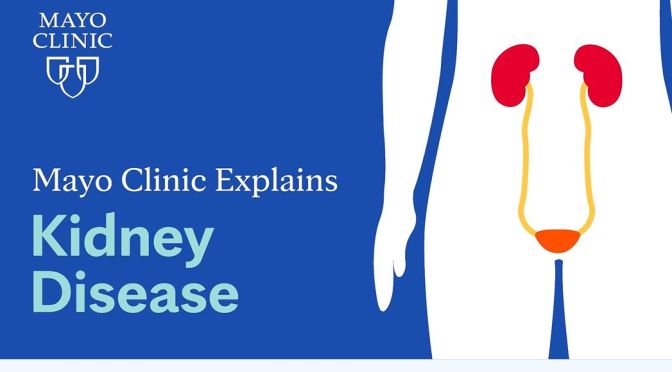
Medicine: Kidney Disease Explained (Mayo Clinic)

Chronic kidney disease, also called chronic kidney failure, involves a gradual loss of kidney function. Your kidneys filter wastes and excess fluids from your blood, which are then removed in your urine. Advanced chronic kidney disease can cause dangerous levels of fluid, electrolytes and wastes to build up in your body.

Video timeline:  0:31 What is kidney disease?  1:09 Who gets kidney disease/risk factors?   2:24 Kidney disease symptoms 3:03 How is kidney disease diagnosed? 3:53 Treatment options   5:23 Coping methods/ What now?  6:16 Ending    

Read more

DR. C’S JOURNAL: CAUSES & SIGNS OF COLON CANCER

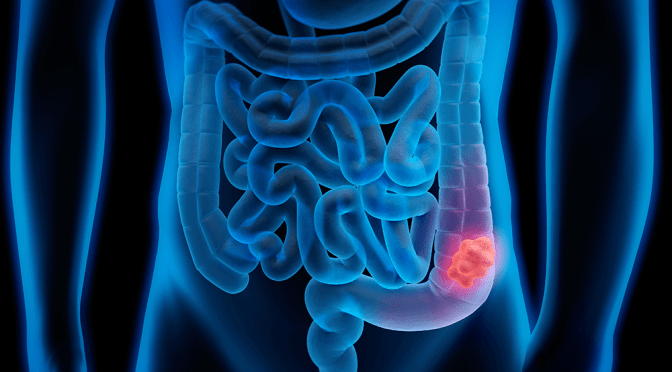
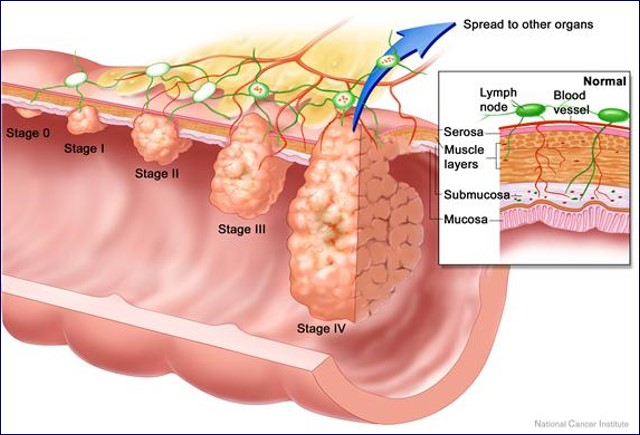
Colon cancer is one of the most common of all cancers, and one of the deadliest. Occurring out of sight in your intestinal tract, it often becomes advanced before it is first detected.

Any bowel symptoms, such as persistent diarrhea, constipation, or abdominal discomfort might be a warning symptom and indicate a trip to the doctor. Blood in the stools, either bright red or black and tarry, must be diagnosed. Unexplained weakness, fatigue, or weight loss might indicate cancer that is too far advanced for simple treatment, and of course requires a trip to the doctor.

The most satisfactory way to pick up the cancer is by a screening test called a colonoscopy. A virtual colonoscopy by x-ray is also used, but it still requires the most uncomfortable part of the procedure, the preparation; The bowel must be washed out in order to properly visualize the cancer, or more likely pre-cancerous polyps or growths.

Due to the increase in frequency of colon cancer in young people, the age at which screening colonoscopy is medically advisable has been lowered from 50 to 45. A tendency to get colon cancer, or more commonly colon polyps, can run in families. These are best discovered by colonoscopy starting at an earlier age.

Increased age, or chronic inflammatory conditions such as ulcerative colitis can predispose to colon cancer.  If you eat a lot of junk food (low fiber diet), or a lot of fat, You may be more susceptible. If you have a sedentary lifestyle, diabetes, smoke  or drink alcohol, you may be more likely to develop this problem.

As usual, preventative measures are the best advice. Eating a lot of fruits, vegetables and whole grains might protect you. Exercising most days of the week and maintaining a healthy weight are good ideas. Limiting your alcohol and stopping smoking is always good advice.

I was a good boy and had colonoscopies every two years for a long time. I would have been happier had there been a blood test to pick up this dreaded disease. There are some simple tests like carcinoembryonic antigen, and a stool test for occult(hidden) blood, but these are not very accurate.

For treatment of colorectal cancer and other more complete information, please check with the following mayo clinic article.

—Dr. C.

Read more

Ear Health: Causes And Treatments For Tinnitus