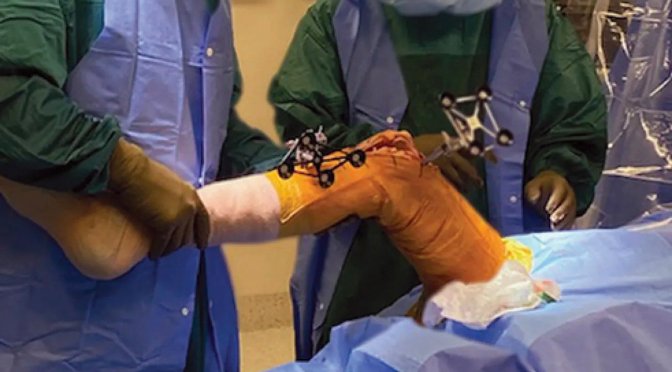
Penn Medicine Videos (July 14, 2023) – Penn Orthopaedics offers multiple options for joint replacement surgery, including the latest robotic knee and hip replacement technologies.
In this video, Dr. Travers, Director of the Penn Orthopaedics Robotics and Navigation Program, discusses what robotic joint replacement surgery is and how it differs from traditional joint replacement surgery, as well as the benefits of this procedure.
We also hear from three patients who recount their personal experiences before and after robotic knee replacement surgery.
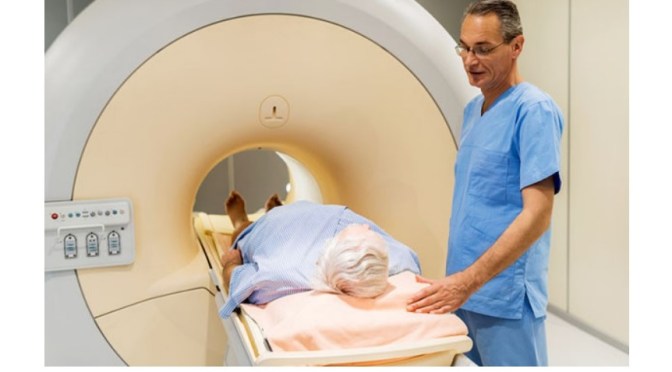
“We found that the information we could get from PSMA scanning in patients with newly-diagnosed prostate cancer before surgery was at least as reliable and useful as other information from biopsy, PSA levels, or clinical exam for predicting how patients would do after surgery or other treatment,” says Farshad Moradi, a radiologist at Stanford who co-authored the study.
In December, scientists at Stanford University reported promising findings with a new technology that lights up prostate tumors on specialized imaging scans. The approach relies on a minimally-radioactive tracer that travels the body hunting for cancer cells.
Called 68Ga-PSMA-11, and delivered intravenously, the tracer binds exclusively with a protein called prostate- specific membrane antigen (PSMA). Prostate cancer cells contain far more of this protein on their surfaces than normal prostate cells do. Tumors flagged by 68Ga-PSMA-11 show up on an imaging scan like lit matches in a dark room. Doctors are already using PSMA scans to diagnose early metastatic cancer, and the tracer can also be used to ferry drugs directly into malignant tumors.
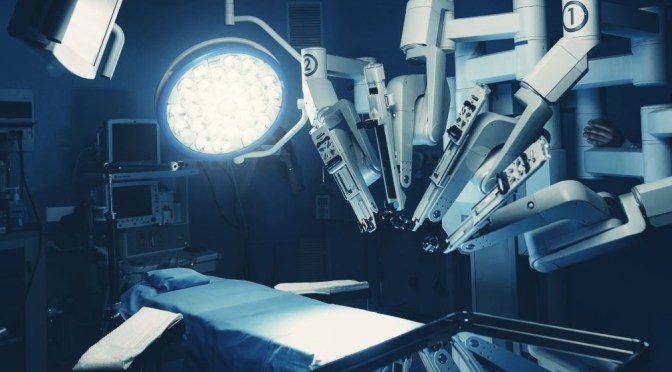
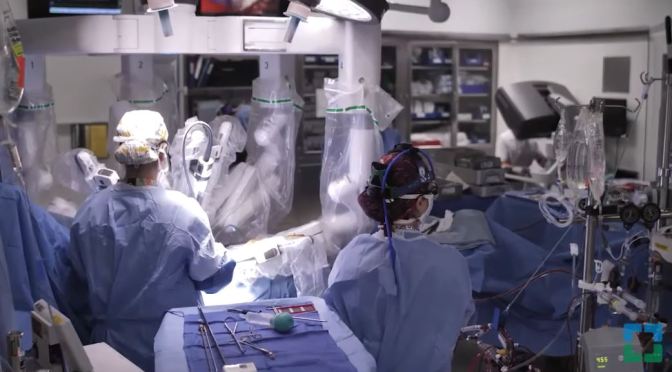
Freethink – Robotics are helping make minimally invasive surgeries even less invasive. Case in point: single-port robotic surgery, a relatively new type of approach where a robotic system controlled by a human surgeon executes the procedure by making only one incision into the patient.
Although still relatively uncommon, single-port surgery has been gaining momentum in recent years. The benefits are noticeable. Compared to traditional surgery, single-port surgery might leave patients with shorter recovery times, less scarring, and overall better outcomes.
The technique is also transforming how surgeons think about and execute surgery itself. “It’s allowing us to do surgeries differently than we do with [multi-port surgery],” said Michael Stifelman, M.D., director of robotic surgery at Hackensack University Medical Center. “What every patient wants is to get back to their life. Single-port robotics is allowing us to get them to that point more quickly.”
Learn more about the future of single-port surgery in this episode of “Operation: Reimagine Surgery,” a Freethink original series produced in partnership with Intuitive, which created the world’s first commercially available robotic surgery system in the 1990s.
Researchers have identified universal features of the inflammatory responses of patients who successfully recovered after surgery or acute illnesses https://t.co/DwYOMYOcSV
Inflammation is the body’s first line of defense, occurring as droves of immune cells rush to the site of injury or acute illness to make repairs and stem further damage.
When successful, inflammation helps the body survive and heal after trauma. However, when recovery following an inflammatory response goes awry, it signals that damage is still occurring — and the inflammation itself can cause further injury, leading to more-severe illness or even death.
But what differentiates a good inflammatory recovery from a bad one?
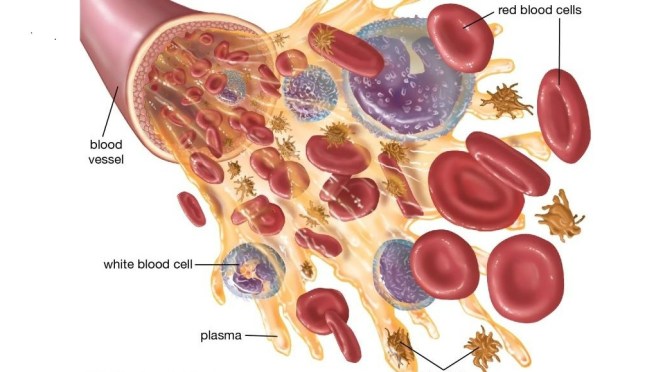
The scientists identified universal features of the inflammatory responses of patients who successfully recovered after surgery or acute illnesses such as COVID-19, heart attack, and sepsis. These features, they discovered, include precise paths that white blood cell and platelet counts follow as they return to normal.
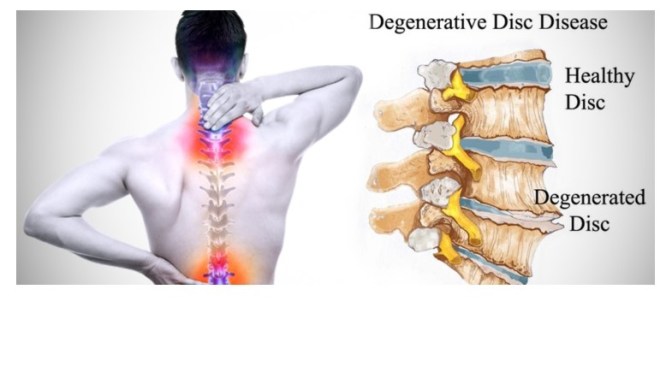
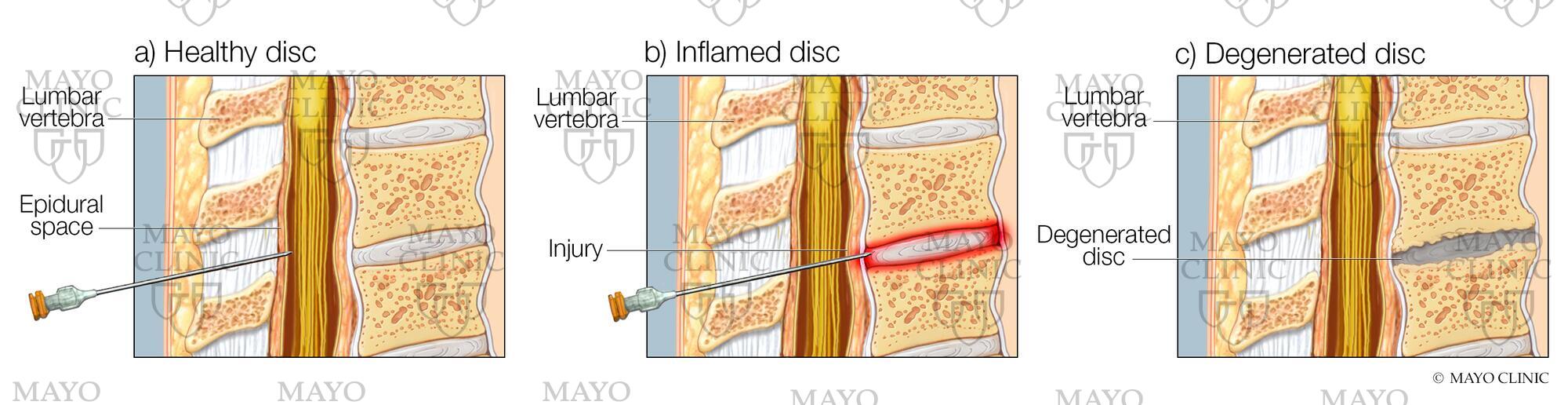
#DegenerativeDiskDisease is a common disorder linked to aging and years of wear and tear on the spine. Long-term therapies have so far eluded medical science.
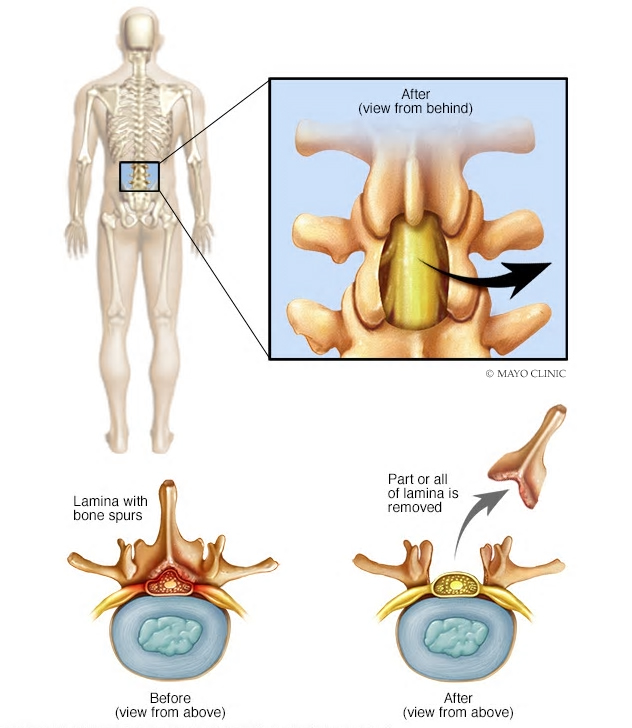
LAMINECTOMY
Laminectomy is surgery that creates space by removing the lamina — the back part of a vertebra that covers your spinal canal. Also known as decompression surgery, laminectomy enlarges your spinal canal to relieve pressure on the spinal cord or nerves.
This pressure most commonly is caused by bony overgrowths within the spinal canal, which can occur if you have arthritis in your spine. These overgrowths sometimes are referred to as bone spurs, but they’re a normal side effect of the aging process in some people.
Some patients are able to have a same-day laminectomy, which means they do not need to stay in the hospital following surgery and are able to go home to recover. The procedure is performed using minimally invasive techniques resulting in smaller incisions, lower risk of infection and, for many people, a quicker recovery.
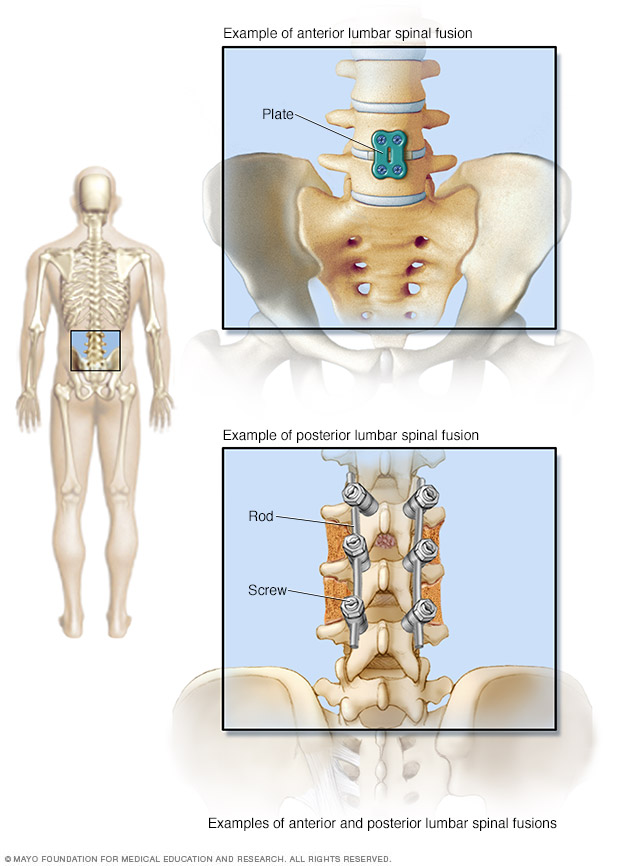
SPINAL FUSION
Spinal fusion is surgery to permanently connect two or more vertebrae in your spine, eliminating motion between them. Spinal fusion involves techniques designed to mimic the normal healing process of broken bones. During spinal fusion, your surgeon places bone or a bone-like material within the space between two spinal vertebrae. Metal plates, screws and rods may be used to hold the vertebrae together, so they can heal into one solid unit.
Because spinal fusion surgery immobilizes parts of your spine, it changes the way your spine can move. This places additional stress and strain on the vertebrae above and below the fused portion, and may increase the rate at which those areas of your spine degenerate.
An oophorectomy is a surgical procedure where one or both of the ovaries are removed. This procedure can be done through a laparoscopic approach, a vaginal approach, or a laparotomy. Removing both ovaries will cause menopause to begin immediately.
There are many reasons why you may need an oophorectomy. This video provides a brief look at what the procedure is, how it’s done and important things to know.
Chapters: 0:00 What are ovaries? 0:17 What is an oophorectomy? 0:45 Why would you need an oophorectomy. 1:10 How is an oophorectomy performed? 2:13 Can you still get pregnant after an oophorectomy? 2:46 What is the recovery process after an oophorectomy? 3:38 Speak with your healthcare provider openly to discuss all of your options.
Mohs surgery is a highly effective skin cancer removal procedure that takes just a few hours. It is most often used to treat basal cell and squamous cell carcinomas, the two most common skin cancers.
Chapters: 0:00 How effective is Mohs Surgery? 0:23 When is Mohs Surgery used? 0:50 How does Mohs Surgery work? 1:55 Does Mohs Surgery cure skin cancer? 2:06 How long is the recovery period after Mohs Surgery?
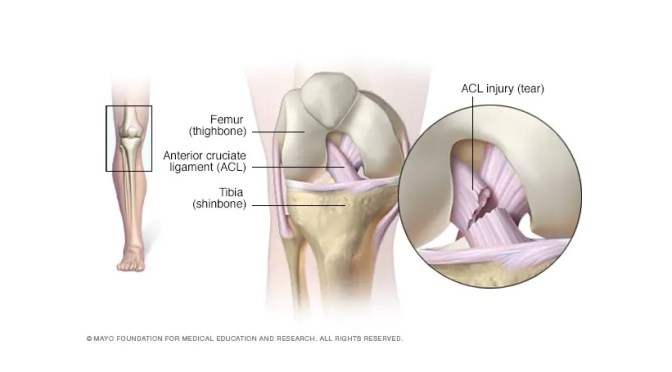
The goal of #ACL surgery is to rebuild or reconstruct the ligament. It allows many athletes- like basketball players- to get back on their feet after an injury.
Learn about the surgical and non-surgical options our ACL Specialty Clinic has to offer. pic.twitter.com/OAU0QjemkF
— Mayo Clinic Sports Medicine (@mayoclinicsport) March 31, 2022
Robotically assisted heart surgery is a minimally invasive option most often used for mitral valve repair. Cleveland Clinic cardiothoracic surgeons explain how it works and what to expect.
Empowering Patients Through Education And Telemedicine






 Doctors Without Waiting Rooms