Tag Archives: Oxygen

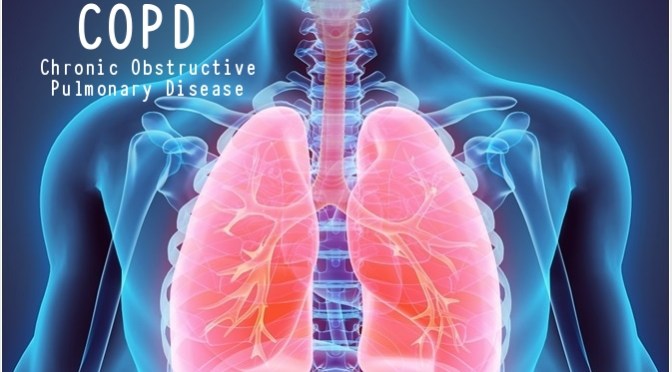
DR. C’S JOURNAL: COPD -CHRONIC OBSTRUCTIVE PULMONARY DISEASE

COPD is the brother of asthma. Both can cause shortness of breath and wheezing. Asthma is the more Treatable of the two, and is due to muscle spasm around the airways which narrow those airways making it more difficult to breathe in and especially out.
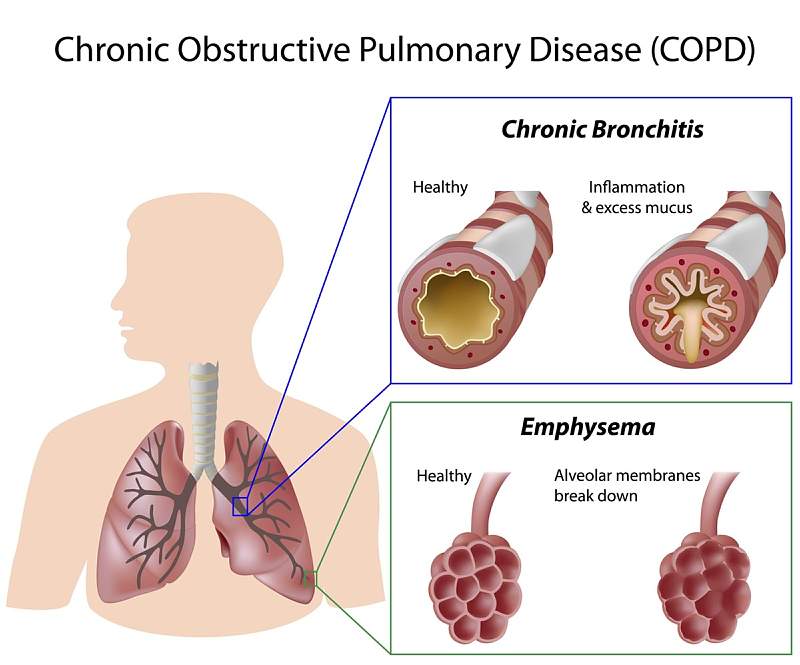
COPD comes in 2 general forms,  Chronic bronchitis and emphysema.
Chronic bronchitis is an inflammation of the airways, which differs from the usual allergic asthmatic TH2 type of inflammation. The inflammation of chronic bronchitis is the more common TH1 inflammation that comes from the likes of bacteria and viruses.

The second type of COPD is usually caused by cigarette smoke or other fumes which lead to the destruction of the air sacs and associated elastic tissue, allowing a check valve type of obstruction to occur on breathing out.

COPD is rarely a pure type of chronic bronchitis or emphysema, and is usually an admixture of the two. In fact there can be an “asthmatic element” mixed into COPD, which allows for a better response to the myriads of medication that we now have for asthma.

The symptoms of COPD include shortness of breath, wheezing, chest tightness and chronic cough with production of sputum. Coughing up a significant volume of phlegm from your chest suggests chronic bronchitis rather than emphysema.

The symptoms of COPD come on rather slowly and are usually not noticed until the problem is severe. After all, the cigarette smoker is EXPECTED to cough isn’t he?

As COPD becomes very advanced, fatigue, lack of energy, and unintended weight loss may occur. Swelling of the legs may be a problem and could indicate involvement of a heart; with COPD the right side of the heart has a hard time moving blood through the diseased lungs.

We’ve all seen people pushing around a cart with an oxygen tank. These people most often are smokers who developed COPD. One particularly disgusting advertisement against cigarette smoking showed a person with a hole in the windpipe (tracheostomy) through which he was smoking his cigarette.

Pulmonary function testing it’s often helpful in diagnosing asthma and COPD. In pulmonary function testing, the amount of air in the lungs  and the rapidity with which it can be expelled from the Lungs is measured and graphed. it is the rate of flow on exhalation that is diminished in COPD and asthma, the slower the rate the worse the blockage.

In the case of asthma the test is repeated after a bronchodilating adrenaline type medication has been given. The REVERSIBILITY of the airway obstruction is shown by comparing the airway function before and after treatment  With no improvement, usually COPD is usually the culprit.

In both asthma and COPD, respiratory infection is a big problem. The compromised lung is usually very vulnerable to these inflammatory reactions. There are a score of medications  that are commonly used in asthma which also benefit COPD to a certain degree. Doctors have a large armamentarium for respiratory disease these days.
As mentioned, asthma is more treatable. However if it is poorly treated or neglected, a condition known as REMODELING can occur which will render treatment less effectual.

Please check with the Mayo clinic article on COPD for more information.

—Dr. C.

Mayo Clinic article

THE DOCTORS 101 CHRONIC SYMPTOMS AND CONDITIONS #27: DELIRIUM

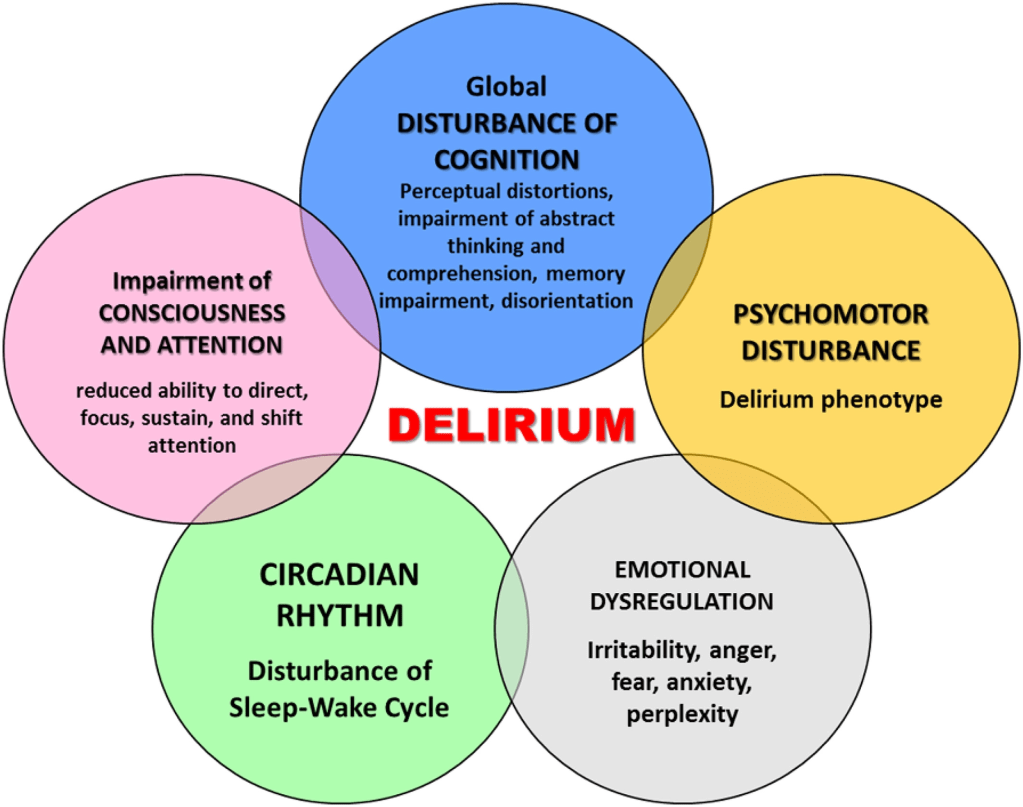
DELIRIUM is a rapidly-developing TEMPORARY DEMENTIA in response to almost any trauma, infection or stress, usually in a hospital setting, with its restrictive, isolating and disorienting environment.

I had little appreciation of the frequency or economic hazard of Delirium before I encountered this infographic. I knew little about the causative mechanisms, and after reading about it, I still don’t know what is going on. But I do know one thing; I don’t want to become delirious and risk its ominous outcome. To improve my odds, I want to keep myself as healthy as possible.

To prevent loss of focus, cognition and memory, challenge the Brain as much as possible. To prevent or restrain infection, support the immune system with a healthy diet. To combat sleep disturbances, practice Sleep Hygiene. To maintain adequate oxygen and nutrient delivery to the Brain, support a healthy cardiovascular-pulmonary system with regular aerobic exercise.

These preventative steps will also postpone the FRAILTY on which delirium feeds. This fuzziness, which afflicts most conditions with PSYCHIATRIC OVERTONES, should not be surprising, since the human Brain, the location of Delirium, is the most complex entity in the known universe.

Medical Knowledge of Delirium is still at the descriptive stage, even though it has been a feature of human life since Ancient times. Causation? Excess or Deficiency of most neurotransmitters have been described. To paraphrase “cytokine storm”, which can incidentally cause Delirium, one could call the condition a “neurotransmitter storm”.

Treatment? If the Delirious Patient is on a Psychotropic medication, try stopping it. If not taking such medication, try starting it. The only universal green light is Good general supportive care with IV fluids, oxygen, nutrition, and psychological support, with gentle, regular attention. Please read the accompanying Mayo Clinic article for a more conventional discussion.

–Dr. C.

ORTHOSTATIC HYPOTENSION: ITS SYMPTOMS AND CAUSES

Our Nervous system is much more than consciousness and free will. Our neural networks automatically go about the job of keeping us alive without entering our awareness- unless it fails to perform.

This is true of our intestinal system, and especially our cardiovascular system. We would not have time for anything else if we had to consciously take each breath, command each heart beat, and for this discussion, open up (dilate) the blood vessels to our brain, and constrict the blood vessels in our legs whenever we stand up.

Our brains demand a constant supply of Oxygen and Glucose in order to perform their complex duties. Between 20% and 40% of the 100 Watts of energy our bodies consume is in our brains.

Whenever we stand up, the force of gravity “wants” to force our blood to our legs and away from our head. Unless that tendency is counteracted, our brains would be deprived of essential factors, and we would all have orthostatic (upright position) hypotension every time we stand up.

Normally, when the blood pressure drops from ANY CAUSE, receptors near the base of the heart and great vessels signal the sympathetic branch of the autonomic nervous system to cause a speeding up of the heart and a dilation of the blood vessels in the brain. This compensates for the drop in blood pressure, which is determined by the blood flow and resistance to that flow.

The sympathetic nervous system is a reaction to STRESS, to a “flight or fight” decision. In the short term, it is beneficial, or adaptive. You may know the feeling, heart racing, cold hands (due to constriction of blood vessels), breathing rate increases, and sweating.

The asthmatic feels this from a shot of adrenalin, which delivers the sympathetic reaction to the whole body through the blood stream. The musculature of the bronchial tubes are relaxed, improving breathing, and improving the asthma.

What is adaptive in the short haul may be deleterious if it continues, felt as Anxiety if it lasts too long.

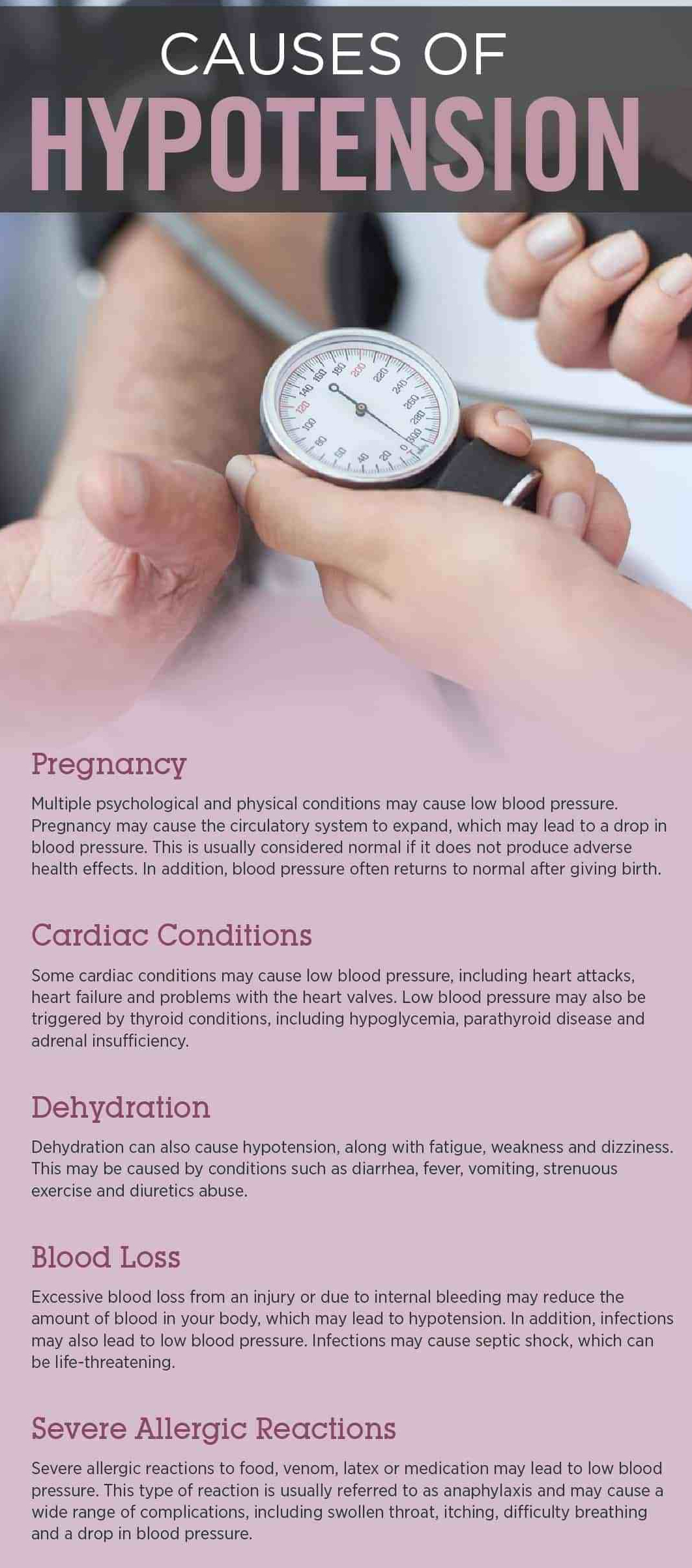
ORTHOSTATIC (postural) HYPOTENSION may be made worse by a variety of other influences, such as an abnormally slow heart, rate, dehydration, blood loss, certain medications and standing still too long.

Since the brain needs both Oxygen and Glucose, High altitude or a
low blood sugar will also facilitate faintness. If you have a tendency toward lightheadedness when you stand up, be careful lest you fall and injure yourself.

If you are unable to cope with these spells, a checkup with your Doctor may be in order; perhaps you have an underlying problem, such as with your heart, which is the next subject of discussion.

–DR. C

PHYSICIAN’S CORNER: NEJM “COVID-19 PRIMER – VIRTUAL PATIENT SIMULATION” (2020)

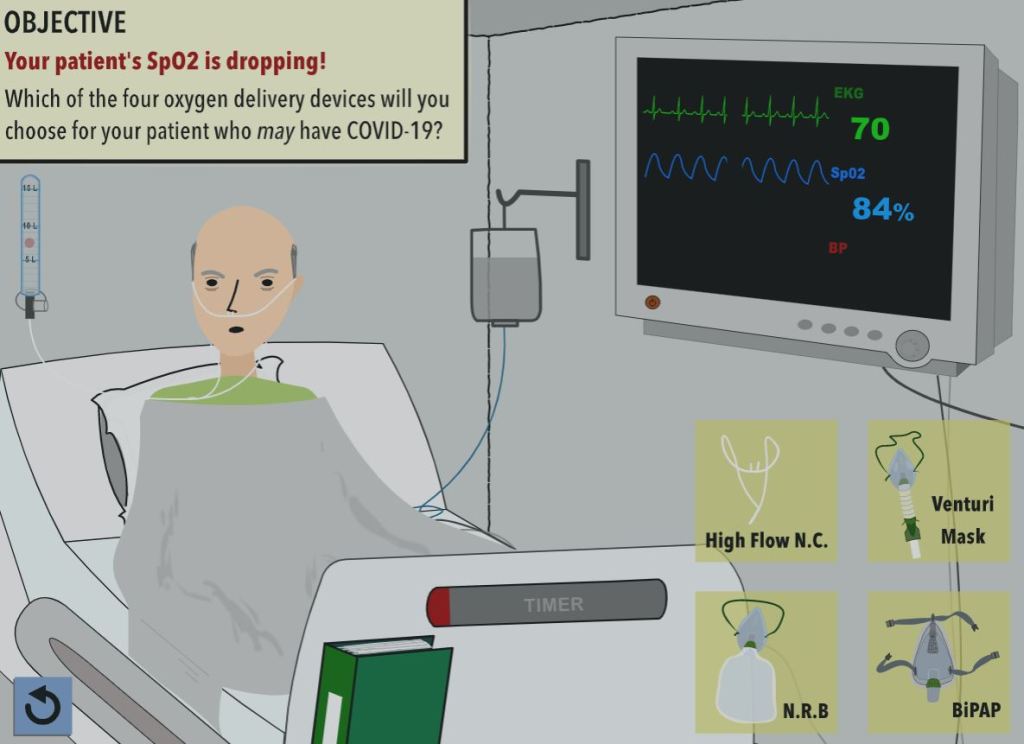
CLICK ON PATIENT BELOW TO LAUNCH “VIRTUAL PATIENT SIMULATION”

COMMENTARY

This interactive simulated case of Covid 19 (SARS CoV-2) is remarkable: a unique opportunity to stand in the shoes of a ER Doctor without any risk, except to our egos.

This is meant for doctors, but the intellectually curious  Guests of this site might enjoy the experience, especially Doctor Lisa Sanders fans.
The vocabulary is full Medical, and will give a foretaste of the words I will slowly be exploring. I believe that patients should not be intimidated by their lab reports.

I’ll start the vocabulary journey with FERRITIN which is a marker for IRON STORES in the body. You can have too much iron, which is dangerous (iron overload), in which case the ferritin is high.

There was a time when I had too little iron ( was anemic, with a hemoglobin of 8.6, and felt terrible) and my ferritin was low. I now check my ferritin every 6 months to make sure I am taking enough iron to offset my blood loss, which is another story I will tell when I start go through my medicine cabinet and discuss the Meds one at a time.

The reason for testing ferritin in our interactive Covid 19 case was because ferritin is markedly elevated in cases of inflammation/ infection. It is an “acute phase reactant”, and may reflect the “cytokines storm” that may be a contributor to the lethality of Covid 19.

There is another way to benefit from this simulation: the train-wreck of a patient serves as a cautionary tale of what you wish NOT to become. Our present medical profession is so DISEASE oriented. How much better if our society and our medical profession were HEALTH oriented instead.

—Dr. C.