
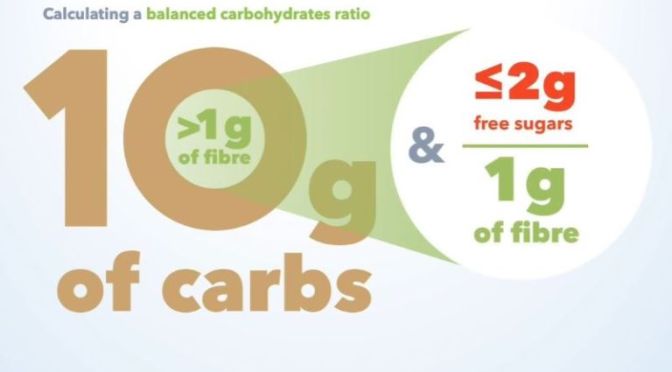
Are all carbohydrates equally important to you? Considering carbohydrate quantity but also quality has a crucial importance for a healthy and balanced nutrition. Balanced Carbohydrate Ratio has been developed and scientifically proven in order to identify products and diets with the most optimal carbohydrate content.
Tag Archives: NUTRITION
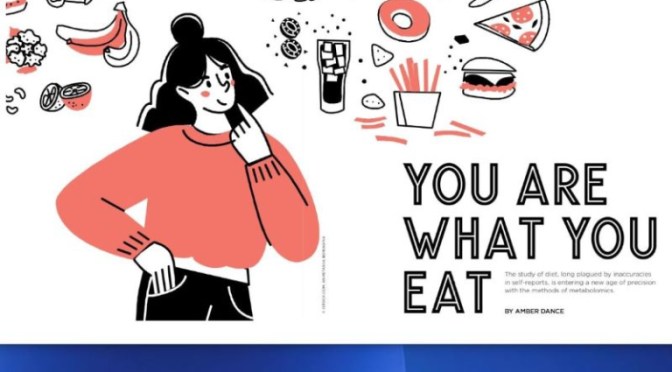
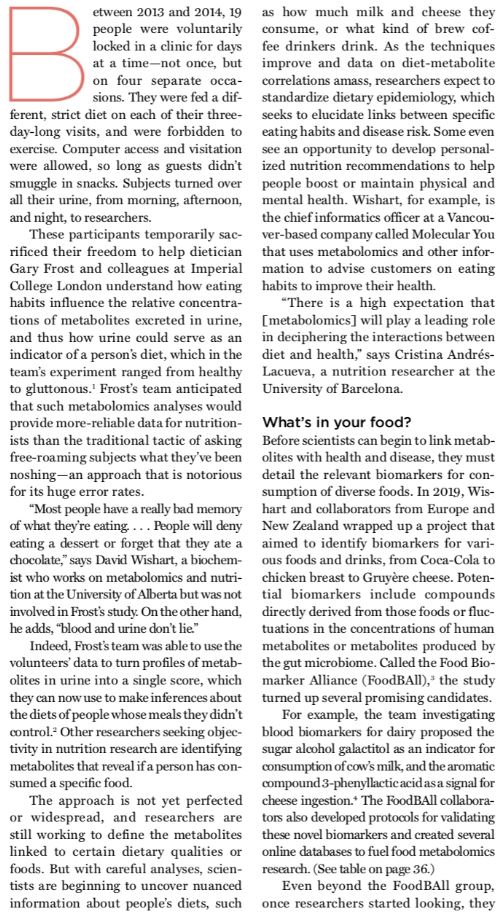
METABOLOMICS: NEW DIET STUDIES ARE IMPROVED WITH CELL METABOLISM DATA – “BLOOD & URINE DON’T LIE”

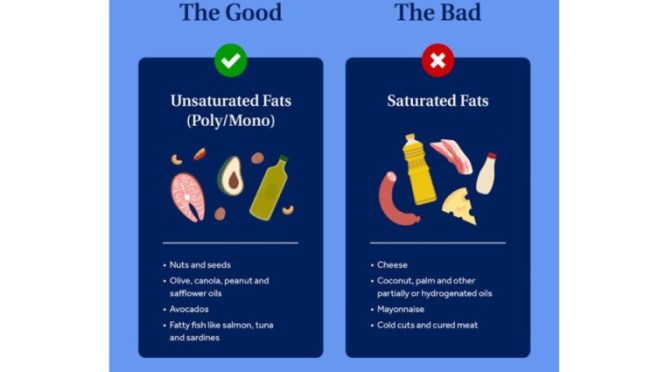
NUTRITION INFOGRAPHIC: “GOOD AND BAD FATS”
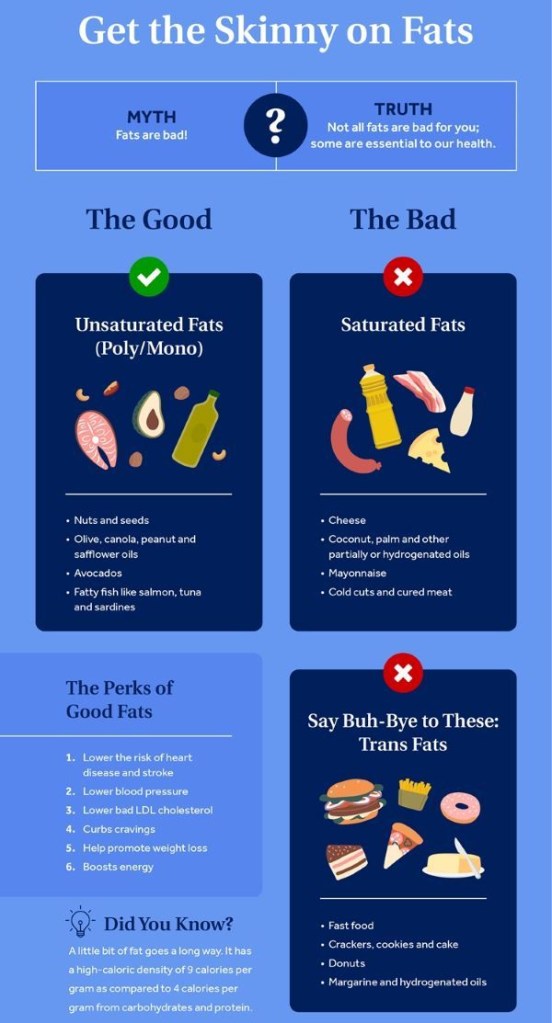

COMMENTARY:
Water, the miracle molecule, proteins and fats are the very essence of life. Water does not dissolve fat, allowing for the cell membranes, and the compartmentalization of metabolic activity that allows life to happen.
FAT IS ESSENTIAL TO LIFE. Alas, all fats are not equally beneficial to nutrition, as the article stresses. Trans-fats, partially hydrogenated fatty acids produced mainly by industry, are the worst, acting to stimulate cholesterol synthesis, produce inflammation and damage the endoplasmic reticulum.
Their use has been banned in most countries. Saturated fat has been widely condemned, is not as good as the mono- and polyunsaturated fats, but not as bad as trans-fats. Some of life’s most delicious foods, such as cheeses, contain saturated fats, but it is best to keep down their consumption.
Remember that the first bite of something savory tastes the best; prevent habit from shoveling it down. Unsaturated fats are found in oily fish, which should be part of your diet.
Vegetables such as nuts, seeds, olives, and avocados are sources of “good fat” and should comprise 10-15% of your calories. Fats, compared to carbohydrates, contribute almost twice as many calories to your diet on a weight basis, and it’s easy to get carried away.
Total calories must be kept under control. STAY HEALTHY!
–Dr. C
OPINION: THE BENEFITS OF HIGHLY NUTRITIOUS DIETS
Vitamins and minerals, as we all know, are of critical importance to our health. Gone are the days when scurvy(vitamin C) was the scourge of the high seas, and rickets (vitamin D) was common in the children of smoke-filled industrial cities with insufficient sunlight.
We are in a state of such overabundance that many medical authorities feel that vitamin supplementation merely makes our toilets healthier.
Covid 19, with a deficit of prevention and treatment options, has forced a new appreciation of the role of our immune systems in fending off Covid, and future viral plagues that are certain to follow. Optimum Health has never been more important.
A May 4, 2020, British Medical Journal (BMJ) article highlights the role of vitamins C and D, and minerals, especially Zinc, in functioning of our immune systems. Here are several highlights from the article:
- Foods that are naturally abundant in vitamin C such as broccoli (60 mg/100 g), blackcurrants (130 mg/100 g), fortified breakfast cereals (up to 134 mg/100 g) and oranges (37–52 mg/100 g)45 should be made accessible to older individuals who are most in need of their nutritional benefits.
- In the UK 5.5% of men and 4% of women 65 years and over (around 1 in 20) presently have zinc intakes lower than the lower reference nutrient intake (the level below which deficiency could occur).46 The consumption of foods naturally abundant in zinc such as canned crab (5.7 mg/100 g), canned shrimps (3.7 mg/100 g), canned adzuki beans (≈2.3 mg/100 g) and boiled eggs (1.3 mg/100 g) should be encouraged as a supplementation strategy to reinforce immunity.
- Tolerable upper intake levels (ULs) are intake levels which should not be surpassed as toxicity problems could appear.47 For vitamin D a UL of 50 µg/day is advised and for zinc a UL of 25 mg/day is recommended. 47 There is insufficient evidence to establish UL for vitamin C, but available human data suggest that supplemental daily doses of up to about 1 g, in addition to normal dietary intake, are not associated with adverse gastrointestinal effects.47 Not having an adverse effect, however, is not necessarily indicative of a benefit either, and ongoing trials are warranted.
- Among those with established respiratory conditions or pneumonia, specific nutrients such as vitamin C, D or zinc could be considered as potential adjuvants to conventional treatment pathways.
Susceptible people, particularly the old, should use every safe measure to stay well.
 Doctors Without Waiting Rooms