
Tag Archives: Men’s Health

POST COVID: “THE FUTURE OF ELDERLY CARE’ (VIDEO)

Across the rich world around half of covid-19 deaths have been in care homes. Countries need to radically rethink how they care for their elderly—and some innovative solutions are on offer.

COMMENTARY:

This video has a lot of information that would be of help to anyone who has a spouse or parent who is aging, especially if their frailty includes dementia. There were several good, general points.

As hard as it is to get old, it is even harder to be a caretaker of someone whose aging includes memory loss. Hired caretakers burn out at a high rate. The video highlighted Indonesia as a location that is compassionate, and gives quality care at about half the cost in developed countries.

The percentage of the elderly population needing care may well be 50% in 2050. I would not have guessed it, but the video asserts that 50% of individuals over 65 years of age need some help.

It is much better to stay at home, and medical sensor technology is making this increasingly possible. AI would be able to detect changes in a person’s routine that could be flagged.

Of course, it is much better to stay healthy longer. My posting “growing old” addresses this.

–Dr. C.
COVID-19 PODCAST: DEATH RATES ARE FALLING – WHAT THIS MEANS FOR PANDEMIC

The COVID-19 mortality rate is falling around the world. We discuss the reasons behind this – the role of new drugs, the treatment strategies the have been learned, or re-learned, and the ever-present worry that these hard won victories could be undone by rising infection rates.

In this episode:

00:44 An increase in survival rates

The COVID-19 mortality rate is falling around the world. We discuss the reasons behind this – the role of new drugs, the treatment strategies the have been learned, or re-learned, and the ever-present worry that these hard won victories could be undone by rising infection rates.

News Feature: Why do COVID death rates seem to be falling?

10:53 More vaccine good news

This week, Moderna released preliminary results for its COVID-19 vaccine candidate, the third positive indication from a string of vaccine announcements. Although the full data are yet to be published, do these results give us more reasons to feel hopeful?

News: COVID vaccine excitement builds as Moderna reports third positive result

THE TWO SIDES OF STRESS

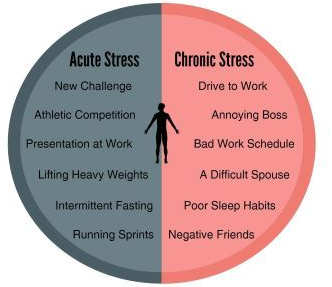
Stress in modern times most often has a BAD connotation. Stress is blamed for a raft of disorders from headaches to cardiovascular disease. Indeed, stress activates the adrenocortical “alarm reaction”, and if unremitting can indeed implement many chronic problems.

ACUTE stress, however, is often beneficial. The body responds favorably to measured amounts of brief stress, especially if it is YOUR CHOICE, and not demanded of you. It is WORK, when you would rather be doing something else. It is FUN when you are hiking up a steep but beautiful trail in the Swiss Alps. The flavor of reality takes place in the mind.

HEAT SHOCK PROTEINS (HSP) illustrates how your body works. If you get a little overheated, HSPs are produced and benefit any misfolded proteins that result. If you go hungry, a metabolic pathway burns fat and increases insulin sensitivity. If you exercise your mind, BDNF and new neurons result.

THE BODY ADJUSTS TO THE DEMANDS, and benefits flow. The body is designed to function. The trouble is that placing demands on the body is effortful, and effort requires discipline. The Paleolithic Hunter-gatherer lifestyle, the reality to which our metabolism is attuned, REQUIRED plenty of aerobic exercise, just to get food and avoid harm.

Our modern life is replete with deadlines and requirements, and hearts beat rapidly from ANXIETY rather than aerobic demand. Even the trades, which used to require physical energy expenditure have a lot of labor-saving devices. Children, insead of running, ride around on electrically propelled scooters. Little wonder that people are “out of shape” and gaining weight.

–Dr. C

HEALTH & RETIREMENT: A LOOK AT MEDICARE, MEDIGAP AND PART D DRUG PLANS

If you’re enrolled only in original Medicare with a Medigap supplemental plan, and don’t use a drug plan, there’s no need to re-evaluate your coverage, experts say. But Part D drug plans should be reviewed annually. The same applies to Advantage plans, which often wrap in prescription coverage and can make changes to their rosters of in-network health care providers.

“The amount of information that consumers need to grasp is dizzying, and it turns them off from doing a search,” Mr. Riccardi said. “They feel paralyzed about making a choice, and some just don’t think there is a more affordable plan out there for them.”

November 13, 2020

When creation of the prescription drug benefit was being debated, progressive Medicare advocates fought to expand the existing program to include drug coverage, funded by a standard premium, similar to the structure of Part B. The standard Part B premium this year is $144.60; the only exceptions to that are high-income enrollees, who pay special income-related surcharges, and very low-income enrollees, who are eligible for special subsidies to help them meet Medicare costs.

“Given the enormous Medicare population that could be negotiated for, I think most drugs could be offered through a standard Medicare plan,” said Judith A. Stein, executive director of the Center for Medicare Advocacy.

“Instead, we have this very fragmented system that assumes very savvy, active consumers will somehow shop among dozens of plan options to see what drugs are available and at what cost with all the myriad co-pays and cost-sharing options,” she added.

Advocates like Ms. Stein also urged controlling program costs by allowing Medicare to negotiate drug prices with pharmaceutical companies — something the legislation that created Part D forbids.

Read full article in NY Times

COMMENTARY

Medicare is a blessing. It is a great help to retired and elderly people and generally does the job it was intended to do. There are a great variety of Medicare supplement plans and pharmaceutical purchase plans, And they jockey and change every year.

I get a headache just thinking about how to compare these plans from my individual needs and and whether their cost is worth it. The take-home message from the New York Times article is that you can get individual attention from an advisor who presumably knows the field well.

The key acronyms are SHIP and HICAP, which stands for state health insurance assist program and California health insurance counseling and advisor program respectively.

The California number is 1-800-434-0222. Be sure to write down the medications that you are taking and Your diagnosed illnesses, as well as your financial status in order to make best use of the service.

—Dr. C.

HEALTH: ‘RISKS & BENEFITS OF AI REVOLUTION IN MEDICINE’

It has taken time — some say far too long — but medicine stands on the brink of an AI revolution. In a recent article in the New England Journal of Medicine, Isaac Kohane, head of Harvard Medical School’s Department of Biomedical Informatics, and his co-authors say that AI will indeed make it possible to bring all medical knowledge to bear in service of any case.

Properly designed AI also has the potential to make our health care system more efficient and less expensive, ease the paperwork burden that has more and more doctors considering new careers, fill the gaping holes in access to quality care in the world’s poorest places, and, among many other things, serve as an unblinking watchdog on the lookout for the medical errors that kill an estimated 200,000 people and cost $1.9 billion annually.

“I’m convinced that the implementation of AI in medicine will be one of the things that change the way care is delivered going forward,” said David Bates, chief of internal medicine at Harvard-affiliated Brigham and Women’s Hospital, professor of medicine at Harvard Medical School and of health policy and management at the Harvard T.H. Chan School of Public Health. “It’s clear that clinicians don’t make as good decisions as they could. If they had support to make better decisions, they could do a better job.”

Read more

THE DOCTORS 101 CHRONIC SYMPTOMS & CONDITIONS #22: MIGRAINE HEADACHE

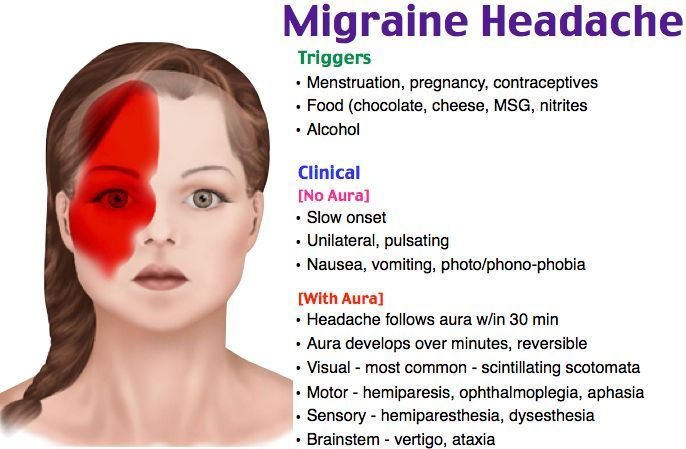
Migraine Headache in its classic form is a unique syndrome, or grouping of symptoms. There is often a PRODROME of anxiety, mood changes or fatigue a day or two before the Headache. There may also be an AURA, such as visual or other sensory symptoms, preceding the headache by minutes.

The Headache is often ONE-SIDED (hence the name, HeMigraine). The Headache is SEVERE, and accompanied by NAUSEA AND VOMITING, a “sick” Headache.

There are a variety of TRIGGERS, such as ripened Cheeses, Red wine, Nitrate-containing foods like hot dogs and pepperoni, and missing your cup of coffee. Stress and Hormonal Changes (menstrual periods) may trigger Migraine.

Migraine often has a FAMILY HISTORY. If one parent has migraine, the risk is 50%, and if both parents, 75%. It is more common in women. During the Headache, Migraine sufferers often seek out a quiet, dark room, and avoid stimulation.

My own experience with Migraine is with isolated OPHTHALMIC MIGRAINE. I have the aura, but luckily have no pain. In my day, 50 years ago, Migraine was considered a Vascular Headache Problem, with Vasodilation being the cause. Many triggers result in Vasodilation.

After a half century of intense study, including the discovery of Calcitonin Gene Related Product (CGRP) in the blood during Migraine, It is now considered a NEUROVASCULAR Headache Problem, and there is optimism for future progress.

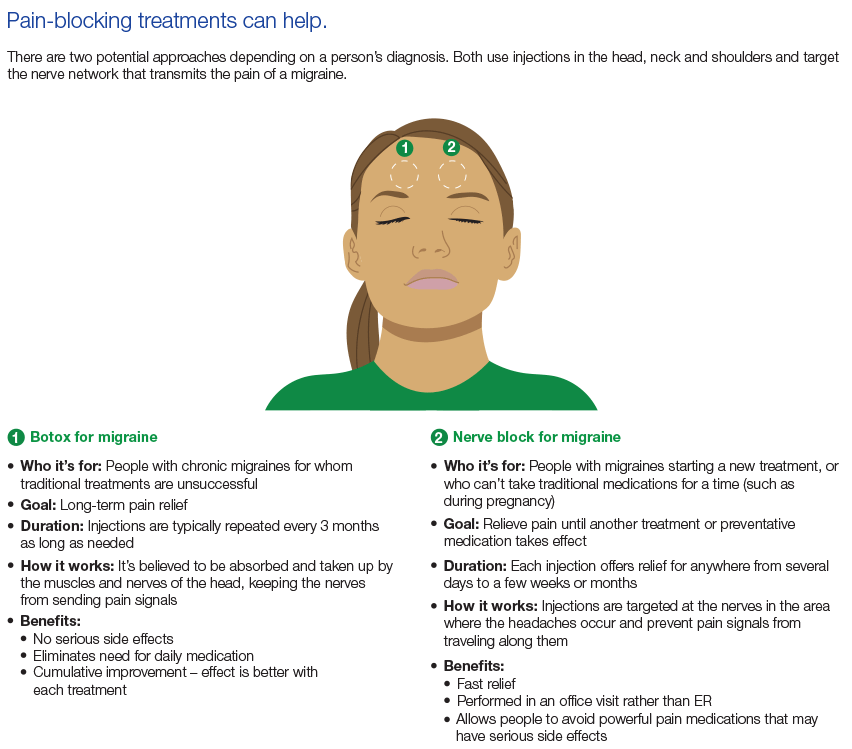
TREATMENT can be to abort, to shorten the attack after the warning Prodrome or Aura start. If the attacks are too frequent, such as several times a week,

PREVENTATIVE treatment may be needed. Medications include a host of chemicals, including Hormones, and most recently, CGRP. Many of these chemicals are vasoconstrictors, which narrow blood vessels.

Please refer to the Mayo Clinic article for more information.

–Dr. C

COVID-19 INFOGRAPHIC: ‘EXERCISE IS MEDICINE’ (BMJ)

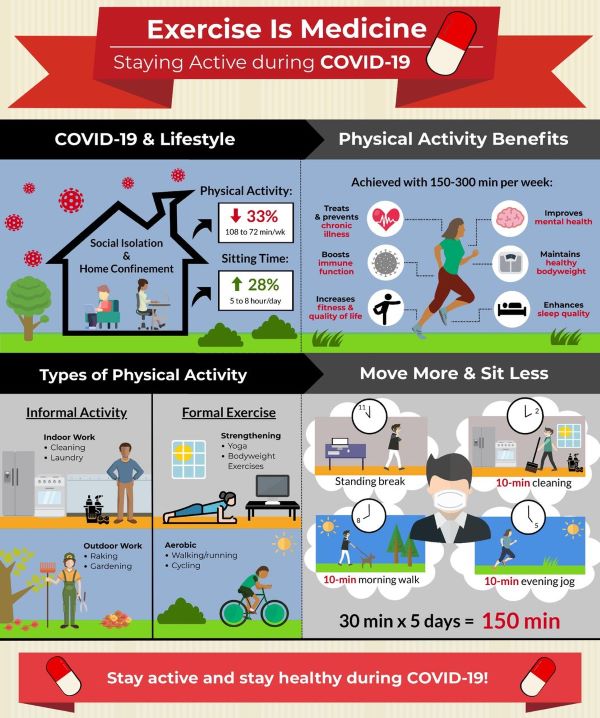
There are over 35,000,000 reported cases of COVID-19 disease and 1 000 000 deaths across more than 200 countries worldwide.1 With cases continuing to rise and a robust vaccine not yet available for safe and widespread delivery, lifestyle adaptations will be needed for the foreseeable future. As we try to contain the spread of the virus, adults are spending more time at home. Recent evidence2 suggests that physical activity levels have decreased by ~30% and sitting time has increased by ~30%. This is a major concern as physical inactivity and sedentary behaviour are risk factors3 for cardiovascular disease, obesity, cancer, diabetes, hypertension, bone and joint disease, depression and premature death.

To date, more than 130 authors from across the world have provided COVID-19-related commentary on these concerns. Many experts4 have emphasised the importance of increasing healthy living behaviours and others5 have indicated that we are now simultaneously fighting not one but two pandemics (ie, COVID-19, physical inactivity). Physical inactivity alone results in over 3 million deaths per year5 and a global burden of US$50 billion.6 Immediate action is required to facilitate physical activity during the COVID-19 pandemic because it is an effective form of medicine3 to promote good health, prevent disease and bolster immune function. Accordingly, widespread messaging to keep adults physically active is of paramount importance.

Several organisations including the WHO, American Heart Association and American College of Sports Medicine have offered initial suggestions and resources for engaging in physical activity during the COVID-19 pandemic. Expanding on these resources, our infographic aims to present a comprehensive illustration for promoting daily physical activity to the lay audience during the COVID-19 pandemic (figure 1). As illustrated, adults are spending more time at home, moving less and sitting more. Physical activity provides numerous health benefits, some of which may even help directly combat the effects of COVID-19. For substantial health benefits, adults should engage in 150–300 min of moderate-to-vigorous intensity physical activity each week and limit the time spent sitting. The recommended levels of physical activity are safely attainable even at home. Using a combination of both formal and informal activities, 150 min can be reached during the week with frequent sessions of physical activity spread throughout the day. Sedentary behaviour can be further reduced by breaking up prolonged sitting with short active breaks. In summary, this infographic offers as an evidence-based tool for public health officials, clinicians, educators and policymakers to communicate the importance of engaging in physical activity during the COVID-19 pandemic.

Read more

THE DOCTORS 101 CHRONIC SYMPTOMS & CONDITIONS #19: DIVERTICULOSIS

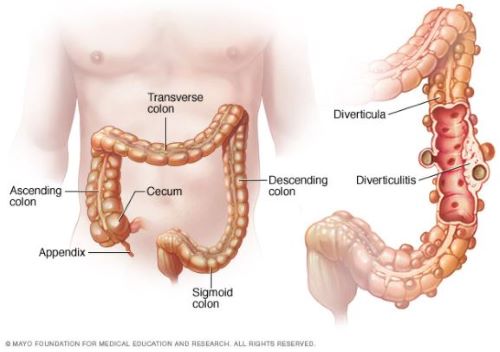
Your large bowel, or colon, is at the end of the Gastrointestinal tract. It starts on the right side of your abdomen, where the small intestine empties into the caecum. This is also where the Appendix bulges down, looking like a little finger coming from the caecum. The 5 foot long large intestine is the final processing area of your food, after the nutrients have been absorbed.

The Colon contains virtually all of the microbiome, reduces the volume of the fecal matter, and propels it to its final destination. The propelling muscles are an inner circular ring, and 3 outer longitudinal strips. These outer strips of muscle do not completely encircle the Colon, allowing for protuberances of lining membrane and circular muscle to balloon out into prominences called Taenia.

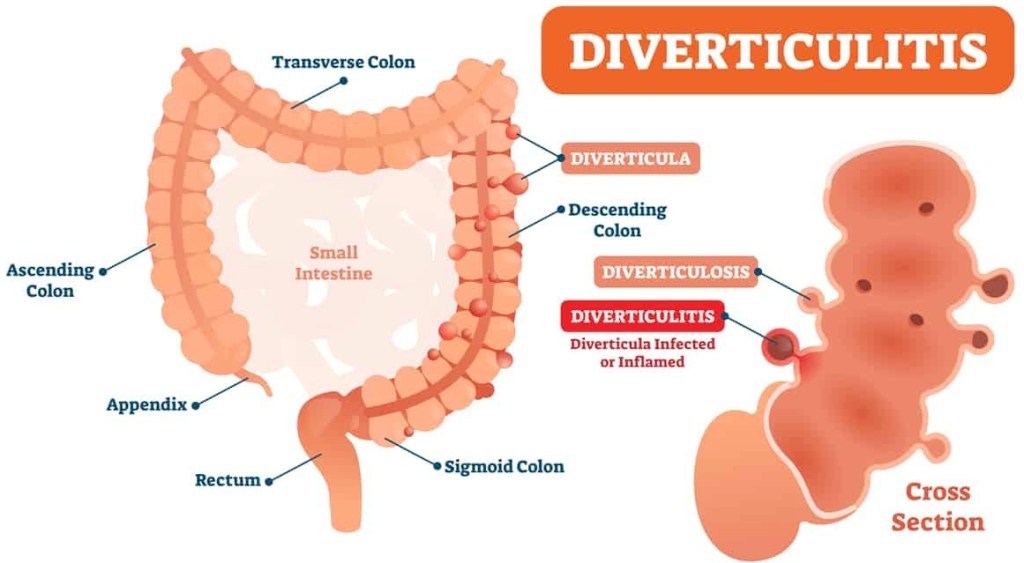
It is in these weakened areas, especially where blood vessels penetrate that little herniations form over the years. Diverticulosis occurs in 50% of people more than 60 years of age, and in almost everybody more than 80 years.

Diverticulosis is a condition where pressures up to 120 mm or mercury, generated by the colonic muscles gradually push out little pouches of lining membrane called diverticula. Nobody knows why some people get an INFLAMMED diverticulum.

Age, of course, is a factor, as are Obesity, diabetes, smoking and poor diet; a tendency toward inflammation is common in all of these risk factors. Comparing diverticulitis with Appendicitis is an interesting exercise. The symptoms are mirror images of each other. Appendicitis occurs on the right side.

Diverticulitis usually occurs on the left side, except in asian people. The asian DIET seems to favor diverticula on the right side. When asians immigrate to the U.S. and start eating more Red meat and fewer vegetables, the diverticula shift to the left side.

Signs of Diverticulitis include gastrointestinal symptoms, such as pain, tenderness,nausea, cramps, constipation, and Fever. Rectal bleeding can sometimes occur. Treatment includes antibiotics.

If the condition worsens, serious complications, such as abcess may develop and require surgery. As usual, Prevention, including diet and exercise, is better than Treatment. A HIGH FIBER DIET is the best prevention.

–Dr. C.

Article #1 to readDiverticular disease of the colon: New perspectives in symptom development and treatment

Article #2 to readManagement of Colonic Diverticulitis | Effective Health Care Program

THE DOCTORS 101 CHRONIC SYMPTOMS & CONDITIONS #18: SKIN INFECTIONS

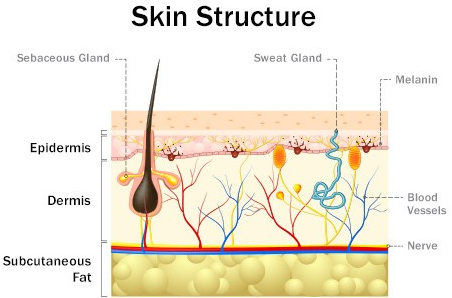
The skin is the protective barrier between the inside of our bodies and the outside world of microorganisms, parasites and toxins. It is often the site of inflammation and infections.

In past times, before the advent of cleanliness and antibiotics, mankind was plagued by erysipelas, boils, carbuncles, and other severe infections of the skin, which are rarely seen now. The beta hemolytic streptococcus and Staphylococcus aureus were ubiquitous in the past, and mostly are contained today.

Severe Infections presently require some skin abnormality, immune deficiency, neglect, animal bite or other breach of skin integrity to be a problem. Antibiotic resistance, however, is allowing some organisms like MERSA to make a comeback.

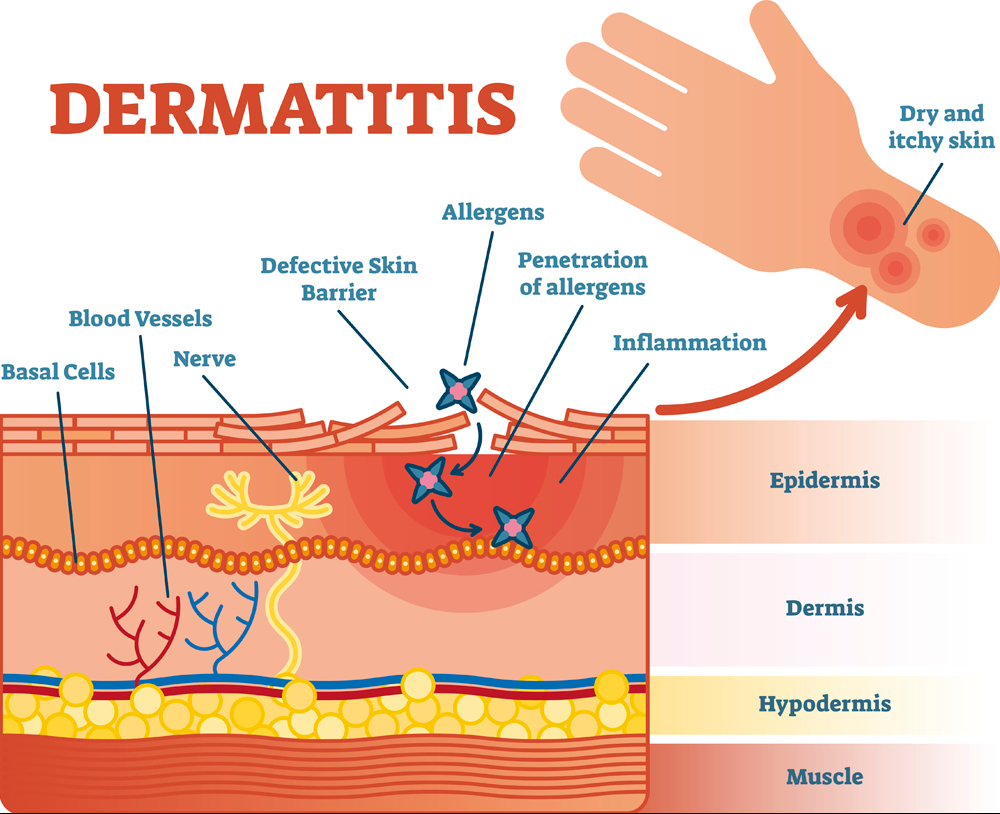
ECZEMA. or Atopic Dermatitis, was common in my medical practice. This condition weakens the skin barrier, allowing Staphylococcal infection to gain a foothold. In my day, If there were a flare of eczema severity, antibiotics would often help. Leg edema and swelling. such as from heart failure, especially coupled with diabetes and blood vessel disease is also an invitation to infection, such as cellulitis.

Redness, swelling, warmth and pain- the classic rubor, tumor, calor and dolor- as well as swollen local lymph nodes and fever often betray infection of the skin. Please see the recently posted infographic on celulitis.

IMMUNE DEFICIENCY raises the likelihood and risk of severe skin infections. Infection from “flesh-eating bacteria”, often beta hemolytic streptococci in deep tissue planes , is a medical emergency. Immediate surgery is often needed.

Disproportionate PAIN after injury or surgery is often a clue. Certain age groups have characteristic skin infections, such as the scalded skin syndrome of infants, and the acne of adolescents. Viruses, molds, and arthropods can also infect the skin.

Viruses, such as herpes in particular can simulate bacterial infection. Ringworm from fungi is easy to distinguish, but arthropod bites, and especially bee sting can look very much like bacterial infection. Scabies and mite infestation are so itchy as to be distinct.

Topical antibiotics applied on skin breaks like cuts or breaks are useful in preventing infection. These ointments and creams are like “artificial skin”. Once again, prevention is key.

–Dr. C.