Tag Archives: Medicine

Lung Infections: Signs & Symptoms Of Pneumonia

Pneumonia is an infection that inflames the air sacs in one or both lungs. The air sacs may fill with fluid or pus (purulent material), causing cough with phlegm or pus, fever, chills, and difficulty breathing. A variety of organisms, including bacteria, viruses and fungi, can cause pneumonia.

Mayo Clinic – Pneumonia can range in seriousness from mild to life-threatening. It is most serious for infants and young children, people older than age 65, and people with health problems or weakened immune systems.

Symptoms

The signs and symptoms of pneumonia vary from mild to severe, depending on factors such as the type of germ causing the infection, and your age and overall health. Mild signs and symptoms often are similar to those of a cold or flu, but they last longer.

Signs and symptoms of pneumonia may include:

  • Chest pain when you breathe or cough
  • Confusion or changes in mental awareness (in adults age 65 and older)
  • Cough, which may produce phlegm
  • Fatigue
  • Fever, sweating and shaking chills
  • Lower than normal body temperature (in adults older than age 65 and people with weak immune systems)
  • Nausea, vomiting or diarrhea
  • Shortness of breath

Newborns and infants may not show any sign of the infection. Or they may vomit, have a fever and cough, appear restless or tired and without energy, or have difficulty breathing and eating.

When to see a doctor

See your doctor if you have difficulty breathing, chest pain, persistent fever of 102 F (39 C) or higher, or persistent cough, especially if you’re coughing up pus.

It’s especially important that people in these high-risk groups see a doctor:

  • Adults older than age 65
  • Children younger than age 2 with signs and symptoms
  • People with an underlying health condition or weakened immune system
  • People receiving chemotherapy or taking medication that suppresses the immune system

For some older adults and people with heart failure or chronic lung problems, pneumonia can quickly become a life-threatening condition.
READ MORE

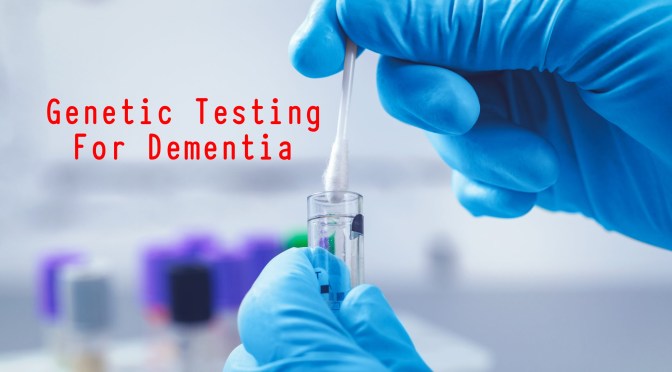
Dementia: What Are The Benefits of Genetic Tests?

AlzheimersResearch UK (February 28, 2023) – In this video, Prof Nick Fox, Director of the Dementia Research Centre at UCL (and specialist in familial Alzheimer’s disease) answers frequently asked questions about getting a genetic test for dementia.

Video timeline: 0:00 Start 0:01 #1.What is the difference between dementia risk genes and rare familial genes? 1:05 #2.Which genes are tested for? 1:45 #3.What happens in families with directly inherit dementia? 3:20 #4.What are the common misconceptions? 4:14 #5.Do I need to know which gene runs in my family? 9:50 #6.How do I get a genetic test for dementia? 11:09 #7.What if my doctor won’t refer me for the test? 11:56 #8.Will getting my results affect my life insurance or mortgage?

Having a test to look for a faulty gene that causes dementia is only appropriate for a very small number of people. This is because only around one in 100 cases of dementia are directly inherited. In these cases, there is an obvious pattern of a parent passing it on to their child (or children) throughout every generation of a family, often developing symptoms in their 40s and 50s.

Studies: Covid-19 Lung Disease Causes & Risks

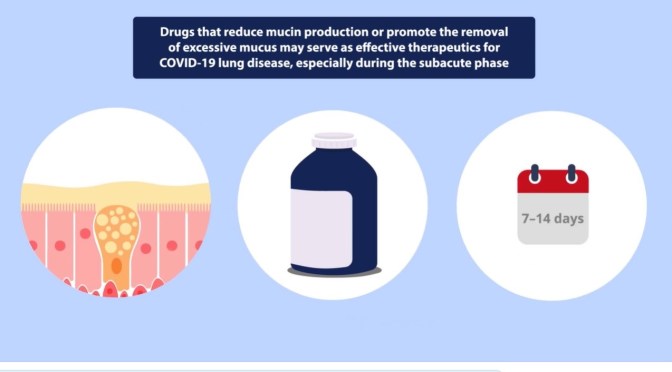
American Thoracic Society (February 24, 2023): A new American Journal of Respiratory and Critical Care Medicine study suggests that COVID-19 lung disease leads to overproduction of mucus in the distal parts of the lungs.

The study investigated airway mucus and mucins in COVID-19 autopsy lungs and showed that both were elevated due to infection, especially during subacute and chronic stages of the disease.

Read more here: https://www.atsjournals.org/doi/10.11…

Cancer & Genetic Testing: Nine Questions Answered

“Many health conditions have a genetic link,” says Breanna Mitchell, a genetic counselor at Mayo Clinic Health System in Eau Claire. “Genetic testing can help you and your health care team understand if you have an increased risk for developing certain conditions that are present in your family. If you are at risk, you may be able to take preventive measures to decrease your risk or undergo genetic testing to clarify your risk.”  

Mayo Clinic (February 6, 2023) – Your genes play a role in nearly all areas of your health. A gene is like an instruction manual for your body that tells your body how to function, develop and stay healthy. People have about 20,000 genes in their bodies.  

Here are nine common questions about genetic testing:  

Do all types of cancers have a genetic component?  

Most cancers are considered sporadic, meaning the cancer happens randomly or has environmental influences, such as smoking and lung cancer. About 25% of cancers are considered familial. This is when multiple members of a family are affected by cancer. These family members have some shared genetic factors in combination with shared environmental factors that lead to the development of these cancers.  

“About 10% of cancers are considered hereditary or have a single specific genetic component that can be tested and increase a person’s risk for developing cancer,” Mitchell says. “Genetic counseling and genetic testing can help determine which category a person’s individual or family cancer falls into. It also can help estimate your risk for developing cancer.” 

What types of genes are examined during genetic testing?  

You may have an increased risk for some health conditions, including some types of cancer, based on your genes. A genetic test looks for specific harmful gene changes, called mutations or pathogenic variants, that can cause you to develop a genetic condition. Gene changes are like spelling errors within your body’s instruction manual.  

Most genetic tests look for changes in a group of genes called a panel. However, testing may look for changes in a single gene when there is a known genetic mutation in your family. The most common genes typically thought of related to cancer risk are BRCA1 and BRAC2. These genes are associated with breast and ovarian cancer. It’s known that changes in other genes can increase risk for these cancers, as well.  

There also are gene panels that assess risk for other cancers, such as colorectal, pancreatic, prostate, liver, uterine and endometrial cancers. 

READ MORE

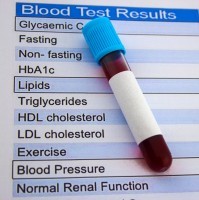
Cholesterol: How To Read The Lipid Panel Blood Test

There are three general types of large molecules of which our body is composed. There are PROTEINS, essential components of the Nanomachines that power of our bodies, the CARBOHYDRATES which can form structures, as well as provide and store nutrients, and LIPIDS, which can function as a storehouse of nutrients.

Lipids, unlike carbohydrates and proteins, are essentially nonpolar, that is they have no profusion of charged molecules. The main characteristic of lipids is that they do not dissolve in water, thereby allowing for domains and structures to develop in the cell and beyond.

Cholesterol is a lipid that is essential to our cell membranes, and therefore to life. As people get older, however, cholesterol tends to accumulate and get stored in unwanted places, such as under the lining membranes of blood vessels. In this location, they can cause blockages that threaten the very life for which they are essential.

All of the lipids measured in the comprehensive lipid panel measure lipids in different forms that have different functions and significance in the body. The only one of the lipids that is almost always good, or at least neutral, is the high density lipoprotein, the HDL. The level of this lipoprotein is under genetic control and is increased by EXERCISE and FISH OIL, among other things.

“Good Genes”, healthy diet and exercise will help keep down the bad lipids, especially the LDL, and elevate the main good lipid , HDL.

Coronary artery disease and strokes are the main killers in mid and into later life, and are therefore very important to control. Many people do not seem to have the self-discipline that healthy diet and exercise requires. Fortunately, we have a miracle drug. the HMG- CoA inhibitors, the “statin” drugs, which most people tolerate without the muscle pain and myolysis side effect.

I have taken the statin drugs for years, ever since I discovered my cholesterol was 220, above the optimal level. Fearful of muscle effects, since I am a heavy exerciser, I started out on 1/2 of the lowest dose, 2.5 mg., of Rosuvastatin. This amazingly took my cholesterol level all the way down to 180, and my LDL down below 100, a powerful medication indeed.

My most recent Lipid panel results are below:

                                      Result value.              Ref. Range

Triglycerides.                    51 mg./dL.                <150 mg./dL

Cholesterol.                        186 mg./dL.                <200 mg./dL

HDL.                                    90 mg./dL.                  > 60 mg./dL

LDL direct.                          95 mg./dL.                  <100 mg./dL.

The authorities have lowered the normal range a couple of times during my lifetime. It is true that even lower values than mine show ever more benefit.

It is best to keep your lipids under control with diet and exercise, so stay healthy!

—Dr. C.

READ MORE AT MAYO CLINIC

Conditions: Diagnosis & Care Of Osteoarthritis

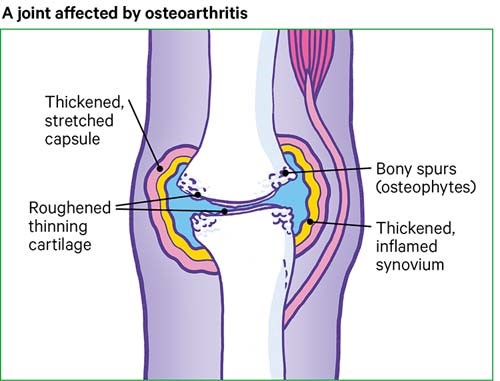
Osteoarthritis is the most common form of arthritis. It is more common in women than in men, with incidence increasing sharply around the age of 50.

January 30, 2023 – And it can cause complications – including the inability to perform activities of daily living and spinal stenosis in cervical and lumbar osteoarthritis.

So it is vital that we get the diagnosis and management of this condition right. In this BMJ Best Practice podcast on osteoarthritis, Kieran Walsh talks to Fadi Badlissi, Assistant Professor at Harvard Medical School and Director of the Musculoskeletal Medicine Unit at Beth Israel Deaconess Medical Center in Boston. 

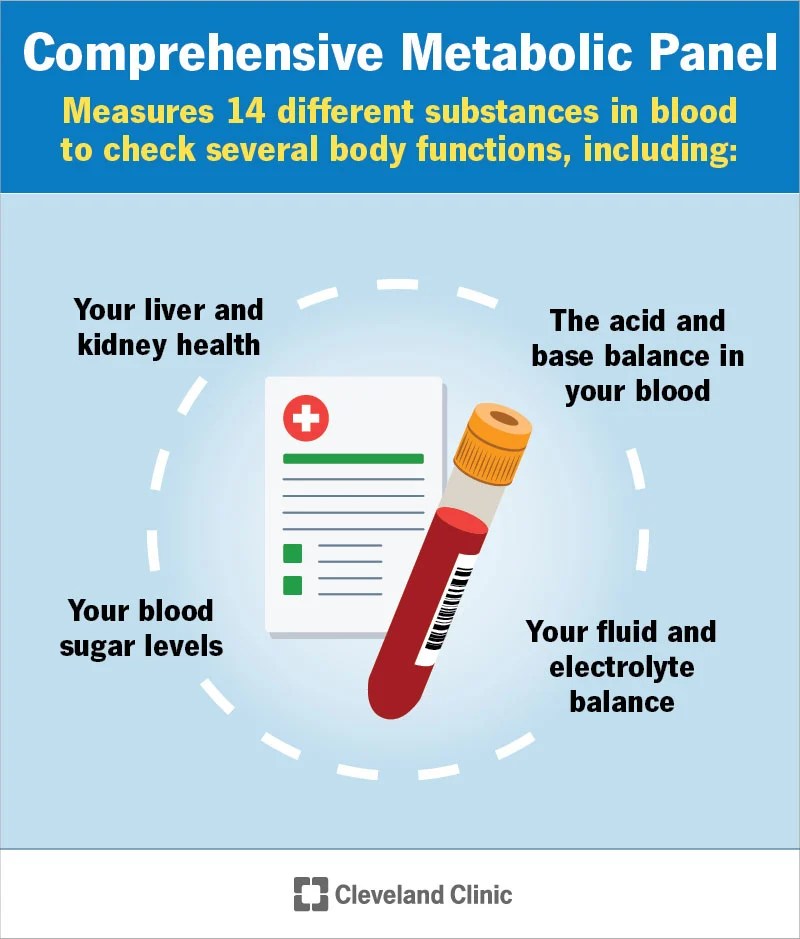
Tests: The Comprehensive Metabolic Panel Report

This is a big one, and produces a lot of information.

Your metabolism is the workhorse of your body, and this panel measures certain critical chemicals and waste products that make metabolism and life possible.

Sodium -The main element in the fluid outside your cells. It draws water into vessels, supporting blood pressure. Drinking water is critical to life, and a recent study used the serum sodium as a proxy to indicate whether you are drinking an adequate  amount. If the level is below 142 mmol/dl,  you are adequately  hydrated and your life expectancy is higher.

Potassium – The main element in cells. There is a pump in the membrane of the cell that pumps potassium into the cell, and sodium out, to maintain a critical electrical charge across the cell membrane. Even small deviations in serum potassium can be worrisome.

Chloride – The anion that Electrically balances sodium and potassium. Can be important in acidosis.

Glucose – The major Energy source of the body. Too little, and you pass out. Too much is a long-term stress on the body, as in diabetes.

Carbon dioxide – As bicarbonate, important in adjusting the acidity of fluids outside the cell.

Anion gap – an important check for doctors.

BUN – A Measure of excess protein in the diet, and can be very elevated in kidney disease. I usually have an elevated BUN, because I eat a lot of protein due to  my age. My creatinine is always normal.

Calcium – important for bones, and many other processes, including cellular signaling.

Albumin – An important blood protein that supports blood pressure.

Creatinine – A waste product that is used as a measure of kidney function.

AST (SGOT) – A liver enzyme used to measure inflammation of the liver.

ALT (SGPT) – A counter check to the AST.

Estimated GFR – Based on creatinine, it is a measure of kidney function.

Total protein – Includes albumin + the amount of globulin. The latter includes proteins involved in immunity, measured by subtracting the albumin from the total protein.

The metabolic panel is used to give clues to a whole host of diseases such as diabetes, liver disease, Kidney disease, immune deficiencies, endocrine diseases, vitamin and mineral deficiencies, and the like. It is so useful that Medicare pays for it, usually.

—Dr. C.

Ear Health: Diagnosing And Managing ‘Tinnitus’

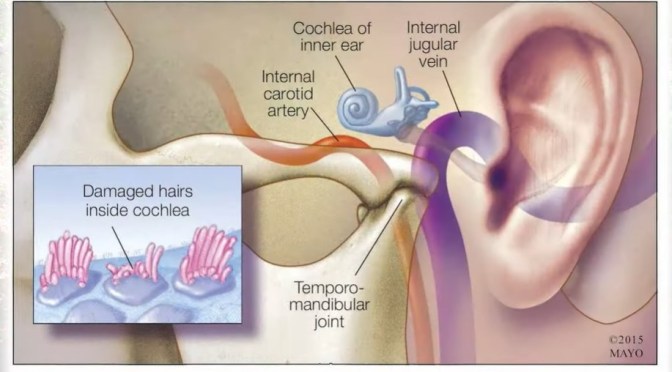
Mayo Clinic – About 1 in 5 people experience the perception of noise or ringing in the ears. It’s called tinnitus. Dr. Gayla Poling says tinnitus can be perceived a myriad of ways. Hearing loss can be age-related, come from a one-time exposure, or exposure to loud sounds over a lifetime.

Dr. Poling says the tiny hairs in our inner ear may play a role. Dr. Poling says there’s no scientifically proven cure for tinnitus, but there are treatment and management options. Other options include using a sound generator or using a fan at night. If ringing in your ears bothers you, start by seeing your health care provider for a hearing test.

Read more