Tag Archives: Medicine

Inflammation: Frozen Shoulder (BMJ Podcast)

Adhesive capsulitis (Frozen Shoulder) affects 2% to 5% of the population. It is slightly more common in women than in men, and is most common in people between the ages of 40 and 70.

And it can cause a range of problems – including pain, stiffness, and loss of function. So it is important that we get the diagnosis and management of this condition right.

READ MORE

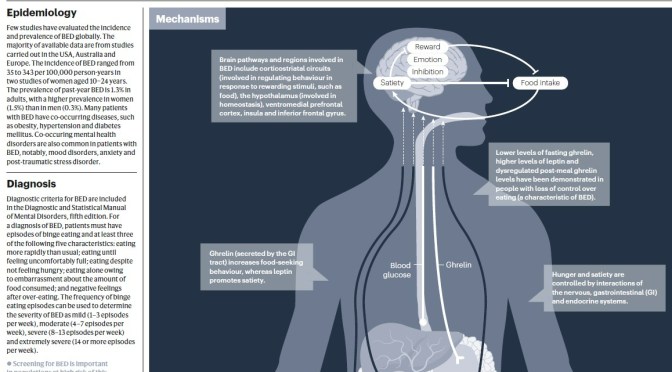
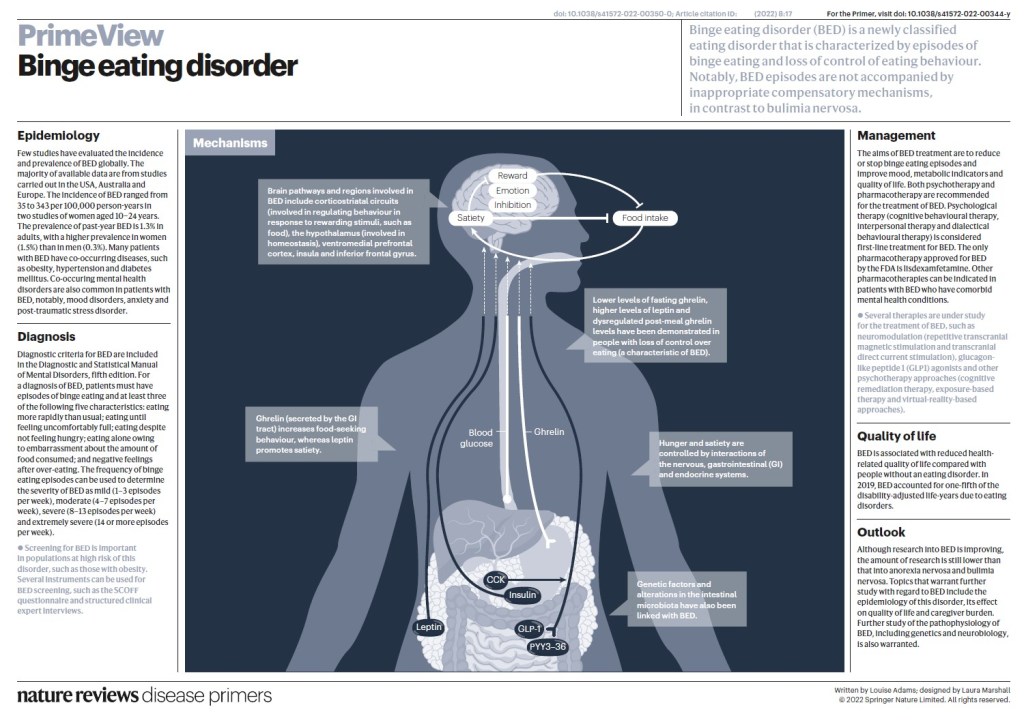
Infographic: Binge Eating Disorder (BED) Diagnosis

Binge eating disorder (BED) is characterized by regular binge eating episodes during which individuals ingest comparably large amounts of food and experience loss of control over their eating behaviour. The worldwide prevalence of BED for the years 2018–2020 is estimated to be 0.6–1.8% in adult women and 0.3–0.7% in adult men. BED is commonly associated with obesity and with somatic and mental health comorbidities. People with BED experience considerable burden and impairments in quality of life, and, at the same time, BED often goes undetected and untreated.

READ MORE

Colon Cancer Options: Intraoperative Radiation Therapy Vs Radiation

What is the difference between intraoperative radiation therapy and normal radiation? Is radiation a standard treatment option, or are there other approaches?

Mayo Clinic (March 28, 2023):

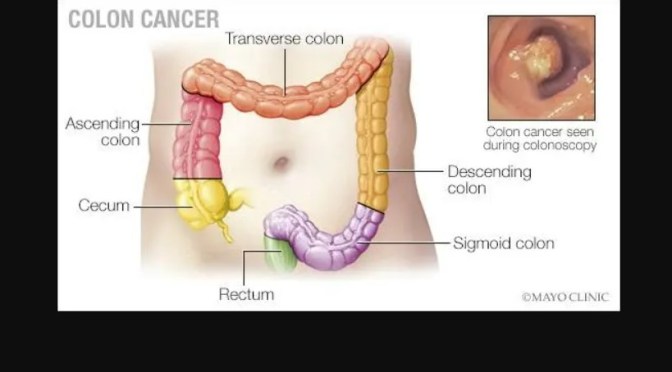
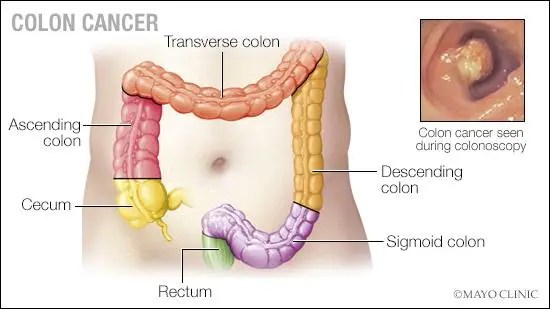
ANSWER: Colon cancer is one of the most common malignancies in the U.S., with more than 100,000 new cases diagnosed each year. Over a lifetime, it is estimated that 1 in 23 men and 1 in 26 women will be diagnosed with colon cancer. Typical colon cancers start as a polyp-like growth in the inside layer of the colon, which can be seen during a colonoscopy. Most cancer organizations recommend starting colonoscopy screenings at age 45.

When the treatment team is concerned about achieving negative margins, or removing the entire tumor with an edge of normal tissue around the specimen, intraoperative radiation therapy may be considered. Intraoperative radiation therapy rarely is used for colon cancer, but, when necessary, the area of concern is directly targeted with a single fraction of radiation during surgery. 

When a mass is found during a colonoscopy or cancer is suspected, biopsies are taken and reviewed by a pathologist. In this scenario, most patients are asymptomatic. Without preventive colon cancer screenings, a tumor may grow to an advanced stage before it causes any symptoms that a patient or health care professional would recognize. The most common signs and symptoms of colon cancer are anemia, which may lead to fatigue; abdominal pain; blood in the stool or other bowel changes; weight loss; and signs of obstruction.

Once colon cancer is diagnosed, the next step is a staging examination. This involves a history and physical examination; blood work; confirmation that a full colonoscopy has been performed; and CT scans of the chest, abdomen and pelvis. The results of these tests will allow your health care professional to assign a clinical stage. In stages 1 and 2, the tumor remains in the colon wall with no evidence that it has spread further. With stage 3, there is concern that the tumor cells have spread to the regional lymph nodes, and in stage 4 colon cancer, the tumor cells have spread outside of the local area to other organs  most commonly the liver, lungs or peritoneum.

Surgery is the mainstay of treatment for stages 1, 2 and 3 disease and is usually the first step in the treatment process. The segment of the colon bearing the tumor is removed, along with the draining lymph nodes. The ends of the intestine are reconnected, and the specimen is sent to the pathologist who then performs a histologic examination of the colon and the associated lymph nodes. The pathologist will assign a final pathologic stage to the tumor, which will dictate the need for any additional treatment.


Spinal Stenosis: Causes &Treatment (Mayo Clinic)

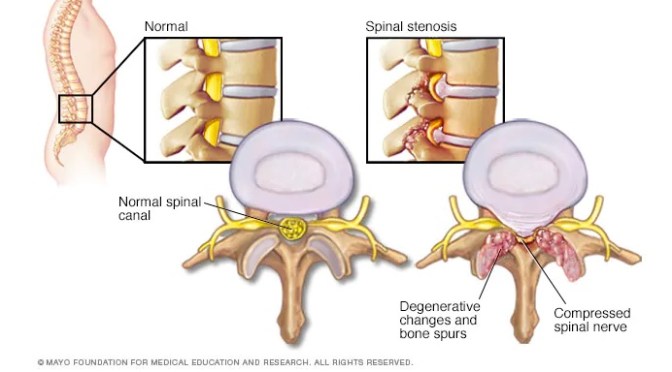
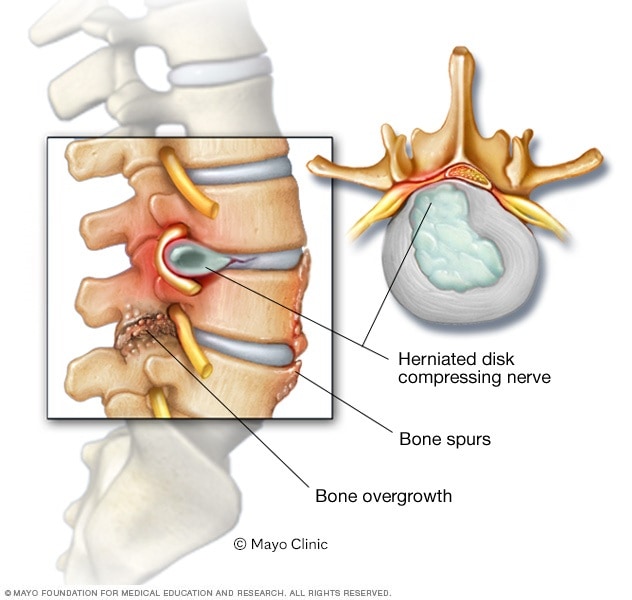
Mayo Clinic (March 30, 2023) – Spinal stenosis happens when the space inside the backbone is too small. This can put pressure on the spinal cord and the nerves that travel through the spine. Spinal stenosis occurs most often in the neck, called cervical spinal stenosis, and in the lower back, called lumbar spinal stenosis.

Spinal stenosis - Symptoms and causes - Mayo Clinic

The most common cause of spinal stenosis is wear-and-tear changes in the spine related to arthritis. Most people with spinal stenosis are over 50. Younger people may be at higher risk of spinal stenosis if they have scoliosis or other spinal problems.

Symptoms

Spinal stenosis often causes no symptoms. When symptoms do occur, they start slowly and get worse over time. Symptoms depend on which part of the spine is affected.

Spinal stenosis in the neck can cause:

  • Numbness
  • Tingling or weakness in a hand, leg, foot or arm
  • Problems with walking and balance
  • Neck pain
  • Problems with the bowel or bladder

Spinal stenosis in the lower back can cause:

  • Pain or cramping in one or both legs that happens when you stand for a long time or when you walk
  • Back pain

Treatment

Treatment for spinal stenosis depends which part of the spine is affected and the severity of your symptoms.

Nonsurgical treatment can include:

  • Medication.
    For control of pain, your health care professional might prescribe nonsteroidal anti-inflammatory drugs, antidepressants, anti-seizure drugs or opioids.
  • Physical therapy.
    A physical therapist can teach you exercises that can build up your strength and endurance, maintain the flexibility and stability of your spine, and improve your balance.
  • Steroid shots.
    Your nerve roots can become irritated and swollen at the spots where they are being pinched. Injecting a steroid medication into the space around the pinched nerve can reduce the inflammation and relieve some of the pain. Repeated steroid injections can weaken nearby bones, tendons and ligaments, though. That’s why a person often must wait many months before getting another steroid injection.
  • Removal of thickened ligament tissue.
    Sometimes, the ligament at the back of the lumbar spine gets too thick. Needlelike tools inserted through the skin can remove some of the ligament. This can create more space in the spinal canal to reduce pressure on nerve roots.

Surgeries to create more space within the spinal canal may include:

  • Laminectomy.
    This surgery removes the back part, or lamina, of the affected spinal bone. This eases pressure on the nerves by making more space around them. In some cases, that bone may need to be linked to nearby spinal bones with metal hardware and a bone graft.
  • Laminotomy.
    This surgery removes only part of the lamina. The surgeon makes a hole just big enough to relieve pressure in a specific spot.
  • Laminoplasty.
    This surgery is done only on spinal bones in the neck. It makes the space within the spinal canal bigger by creating a hinge on the lamina. Metal hardware bridges the gap in the opened section of the spine.

Infections: Overview Of Tickborne Diseases (NEJM)

NEJM Group (March 29, 2023) – In this Double Take video from the New England Journal of Medicine, Sam Telford and Robert Smith provide a clinical overview of the various tickborne diseases commonly encountered across the United States, including Lyme disease, babesiosis, and anaplasmosis, among others.

Starting with characteristics of ticks and their ability to act as disease vectors, the video reviews the clinical presentation of these infections, clues on physical examination, and laboratory tests to consider when encountering a patient with a potential tickborne infection.

Tick-borne diseases are transmitted through the bite of an infected tick. These include Lyme disease, Anaplasmosis, Ehrlichiosis, Babesiosis, Powassan (POW), Rocky Mountain Spotted Fever, and Tularemia. Ticks can be infected with bacteria, viruses, or parasites.

Kidney Cancer: What Are The Treatment Options?

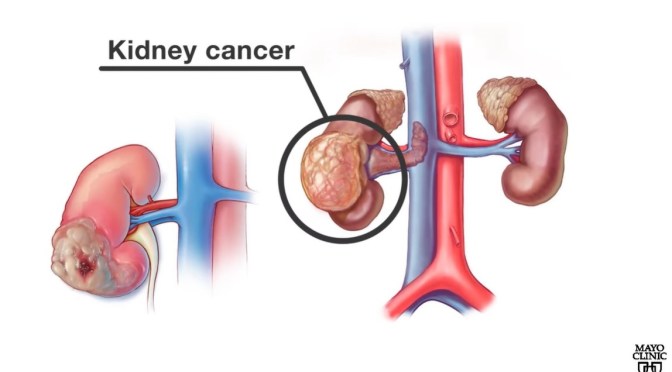
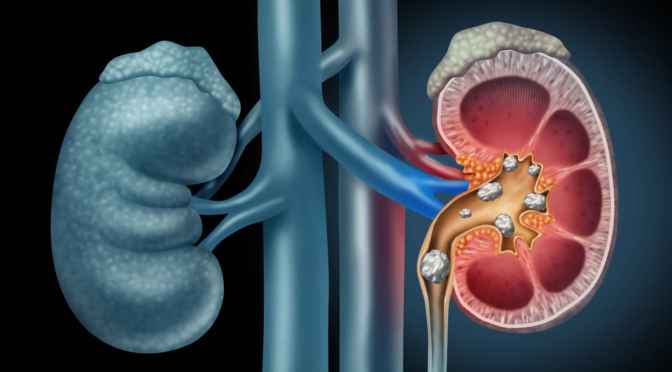
Mayo Clinic (March 20, 2023) – How is kidney cancer treated? About 50,000 people in the U.S. are diagnosed with kidney cancer.

Risks factors for developing this type of cancer include environmental exposures like smoking, high blood pressure, a history of kidney failure, obesity, or not having a healthy weight. And there are also hereditary syndromes that may your risk for kidney cancer.

Dr. Thai Ho, a Mayo Clinic oncologist who specializes in genitourinary malignancies, says there are no screening tests specifically for kidney cancer. When it is discovered early, it’s usually from an imaging test for another issue.

Immunity: How T Cells And B Cells Fight Infections

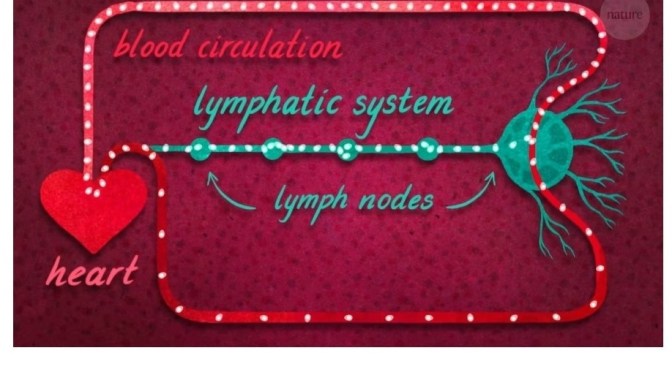
nature (March 15, 2023) – Lymphocytes are immune cells that play vital roles in fighting infections. The most well-known lymphocytes are the T cells and B cells of the adaptive immune system. In the 1950s and 1960s, scientists performed experiments to follow lymphocytes on their journey around the body, which helped us to work out where they go and what they do.

This work laid the foundation for everything we know about T cells today, including how they become activated to fight infections and how they form memory populations that provide long-lasting immunity.

Learn more about T cells here http://www.nature.com/collections/t-c…

Chronic Kidney Disease: New Medication Review

Mayo Clinic (March 6, 2023) – About 15% of adults in the U.S. are estimated to have chronic kidney disease — that’s about 37 million people.

What if those people could be treated with medication that could slow the progression of their disease, and help avoid the need for dialysis and kidney transplantation altogether?

Dr. Naim Issa, a Mayo Clinic transplant nephrologist says there is a class of medications to help people with chronic kidney disease that does just that. He says Mayo Clinic has been incorporating these medications to help patients for the last few years.

March 9 is World Kidney Day, a day aimed at raising awareness about the importance of the kidneys.

READ MORE