Tag Archives: Mayo Clinic Videos

Artificial Intelligence: Its Benefits For Radiology

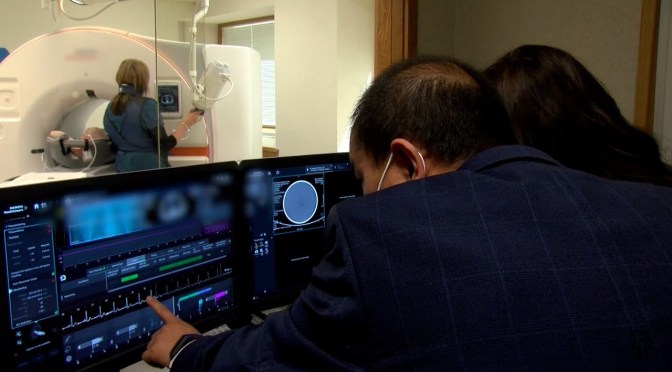
Using artificial intelligence in health care seems like a futuristic concept, but it’s something that’s being used now to complement the knowledge of doctors. Radiology was one of the first areas that saw a lot of AI applications.

Dr. Bradley Erickson, director of Mayo Clinic’s AI Lab, says in the case of radiology, machine learning is used to complete some of the more time-consuming work. Beyond that, the diagnostic capabilities of AI are what attracts a lot of the appeal. While imaging-related AI has seen a lot of advancements, Dr. Bhavik Patel, director of AI at Mayo Clinic Arizona, says the next step is looking at AI applications for preventive health and shifting the mindset from pipeline to platform thinking.

There are a broad area of applications (for AI), starting in radiology, but really spreading into the rest of the clinic, including cardiology and even pathology.
Melanoma: Men Have Higher Mortality Rates

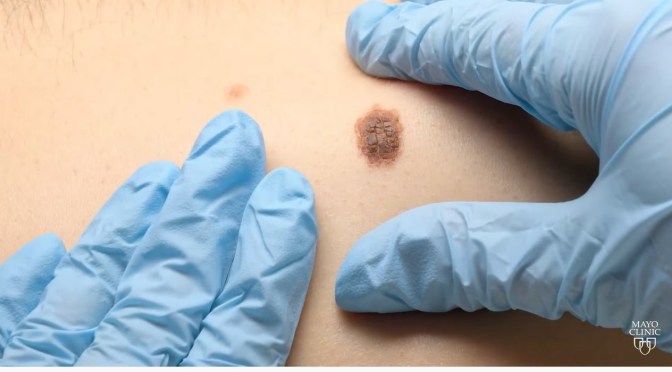
Researchers say men are more likely to die from melanoma than women. And by the time a man is 50, the likelihood of developing melanoma increases every year, compared with women.

“The main risk factors for melanoma are sun exposure, amount of sun exposure, high-level sun exposure — meaning sunburns — but also light skin color,” says Aleksandar Sekulic, M.D., a Mayo Clinic dermatologist.

The most common places for melanoma to occur are body parts exposed to the sun, including the face, back, arms and legs. The first signs are often a change to an existing mole or an unusual-looking growth on the skin.

“The big problem with melanoma is not only that it starts in the skin, but that it can spread. And it can be deadly,” says Dr. Sekulic.

Avoid prolonged exposure to the sun, especially in the middle of the day to prevent sunburns. Wear protective gear outside, such as a broad-brimmed hat, tightly woven clothing that covers your arms and legs, and sunglasses to protect your eyes. And use sunscreen generously with a sun protection factor of 30 or higher on exposed areas of skin. Reapply at least every two hours. And if you’re swimming or sweating, use water- and sweat-resistant sunscreen.

Read more

Insulin Resistance: Risk Factors And Treatment

Learning about insulin resistance, or prediabetes, can be intimidating. Eleanna De Filippis, M.D., Ph.D., an endocrinologist at Mayo Clinic, walks you through the facts, the questions, and the answers to help you better understand this condition.

Video timeline: 0:00 Introduction 0:41 What is insulin resistance? 1:32 Who gets insulin resistance? / Risk factors 2:38 Symptoms of insulin resistance 4:04 How is insulin resistance diagnosed? 4:34 Treatment options 5:21 Coping methods/ What now? 5:41 Ending

COMMENTARY:

The (developed) world just has too much food. Food producers race with each other to make It tastier, to advertise it widely, and make it available on demand. As a consequence of their success, at least 1/2 of the developed world is overweight and has decreased insulin sensitivity, prediabetes or diabetes. This leads to severe health consequences in the form of hypertension, arteriosclerosis, heart disease, brain disease, liver disease, and a variety of back and joint problems.

Mankind did not evolve in an environment of chronic nutritional oversupply, but rather it’s reverse. Mankind did not develop in a sedentary environment, but rather it’s reverse.

Insulin resistance is caused by overfilled energy stores (excess fat), increased inflammation from distended, dying fat cells, excess fatty acids and stresses to some of the important micro structures in our cells, such as mitochondria and endoplasmic reticulum, not to mention metabolic pathways such as the mTOR and Sirtuin systems.

Eating is a pleasure, and turning down food takes self-discipline, which is a pain, and is becoming increasingly unpopular. “Maybe a pill will come along to get rid of fat and prevent its accumulation”. but don’t count on it. The main hope for avoiding the danger of overnutrition is being discriminating about what and how much you eat.

Exercise is inconvenient and uncomfortable, but is the second necessity for a healthy life. Two of its many benefits is to increase adiponectin, which increases burning of the fatty acids which are so toxic to the body, and to increase insulin sensitivity, counteracting type two diabetes.

The third necessity is getting enough sleep.

Replay the old record. Diet, exercise and sleep, sleep  diet and exercise.

Please excuse me, it’s time for my evening exercise.

—Dr. C.

For more reading visit: https://mayocl.in/3waShVV.

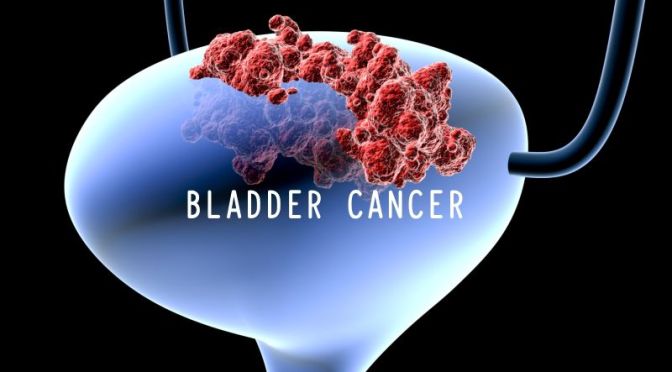
Mayo Clinic: Bladder Cancer Explained

Learning about bladder cancer can be intimidating. Mark Tyson, M.D., a urologist at Mayo Clinic, walks you through the facts, the questions, and the answers to help you better understand this condition.

Video timeline: 0:00 Introduction 0:37 What is bladder cancer? 0:53 Who gets bladder cancer? / Risk factors 1:32 Symptoms of bladder cancer 1:59 How is bladder cancer diagnosed? 2:39 Treatment options 3:25 Coping methods/ What now? 4:04 Ending

For more reading visit: https://mayocl.in/3vcSF5u.

Diagnosis: Age-Related Hearing Tied To Dementia

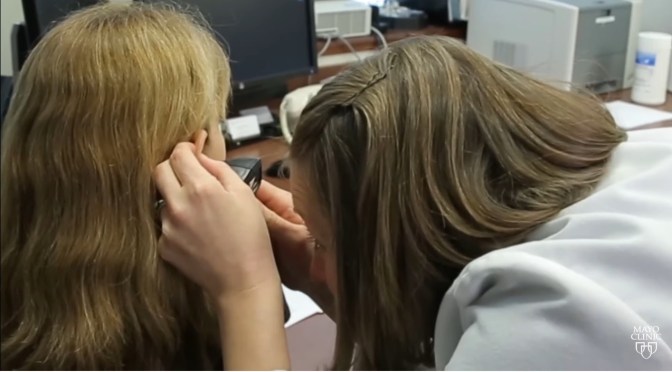
Age-related hearing loss may be linked to an increased risk of cognitive decline. And according to two large studies, … Dr. Ronald Petersen, a Mayo Clinic neurologist, says the exact reason why is not known. It also could be that hearing loss leads to social isolation, which can lead to an increased risk in dementia.

Dr. Petersen recommends getting your hearing assessed every two to three years, especially if you’re noticing signs that your hearing may be deteriorating. The fix could be as simple as needing to get earwax removed.

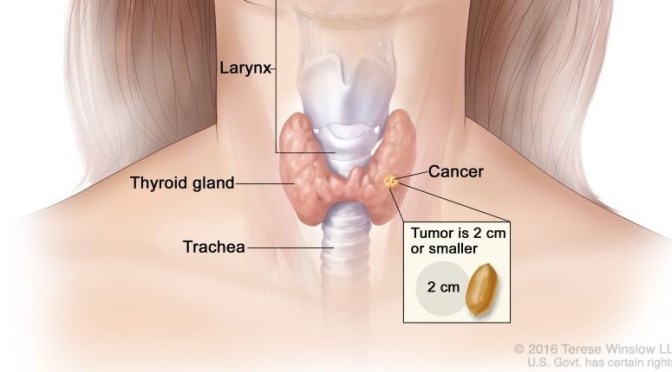
Mayo Clinic: Thyroid Cancer Explained (Video)

Learning about thyroid cancer can be intimidating. Let our experts walk you through the facts, the questions, and the answers to help you better understand this condition.

Chapters: 0:00 Introduction 0:25 What is thyroid cancer? 1:29 Who gets thyroid cancer? / Risk factors 2:44 Symptoms of thyroid cancer 3:18 How is thyroid cancer diagnosed? 4:14 Treatment options 5:40 Coping methods/ What now? 6:36 Ending

For more reading visit: https://mayocl.in/3ys82Jv. When it comes to your health, Mayo Clinic believes credible and clear information is paramount. There’s a lot to learn about thyroid cancer.

Sports Medicine: Tennis Wrist Injury Research

Whether it’s the serve, forehand, backhand or volley, tennis puts a lot of stress on your wrist. Many of those injuries are caused by chronic overuse. How you grip the racket and hit the ball plays a major role, too, which is why Mayo researchers recently studied tennis players’ strokes in a motion analysis lab.

Stem Cells: Bone Marrow Transplants (Mayo Clinic)

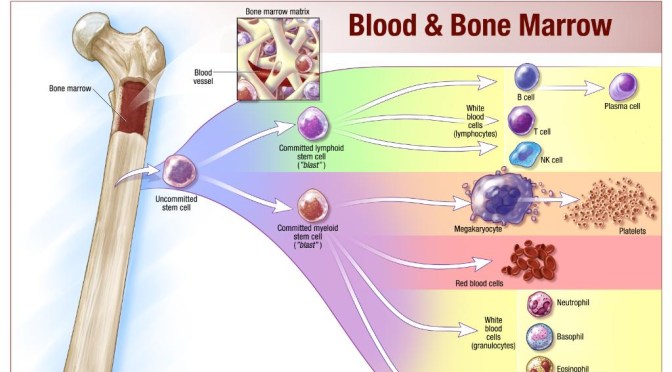
Clinical advances by the Mayo Clinic Transplant team offer new possibilities in treatment. Mayo Clinic is a world leader in setting standards for stem cell transplant. Allogenic transplant involves using stem cells from a donor and replacing diseased or damaged bone marrow. This video reviews the transplant process. Mayo Clinic is making bone marrow transplant safer and improving the lives of people who need them.

Advances by the Mayo Clinic Transplant Program are offering new possibilities in treatment for patients requiring bone marrow transplant. Autologous bone marrow transplant utilizes healthy stem cells from a person’s own body to help recover from high dose chemotherapy. This video reviews the conditions autologous stem cell transplantation is most often used to treat and what to expect throughout the process.

Bacterial Infections: Lyme Disease On The Rise

Lyme disease has infected more than 14% of the world’s population, according to a new study. “It’s significant,” says Dr. Bobbi Pritt, director of the Clinical Parasitology Laboratory at Mayo Clinic.

“If you look at the numbers and how it breaks down in regions across the United States, in some areas, that exceeds 50% seropositivity. That means people are walking around with antibodies in their blood that are detectable. That shows they’ve been exposed to Lyme disease at some point in their life,” says Dr. Pritt. “Now whether it was in the past and they’ve been successfully treated, or whether they have it right now, you can’t tell by that result, but it’s a marker of exposure.”

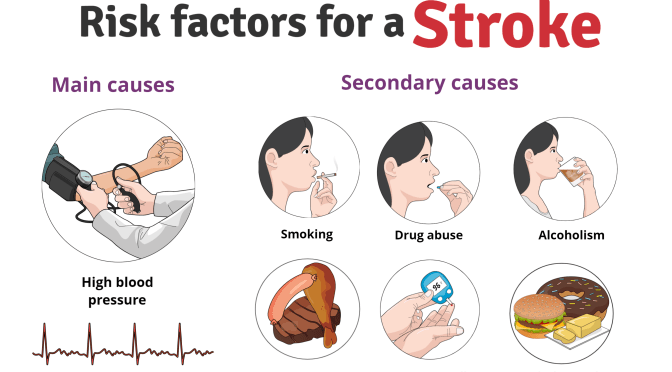
Brain Health: How To Reduce Risks Of Strokes

Stroke is one of the leading causes of death and disability in the U.S. with almost 800,000 cases diagnosed each year. Dr. David Miller, director of the Comprehensive Stroke Center at Mayo Clinic in Florida, explains how to reduce your stroke risk..