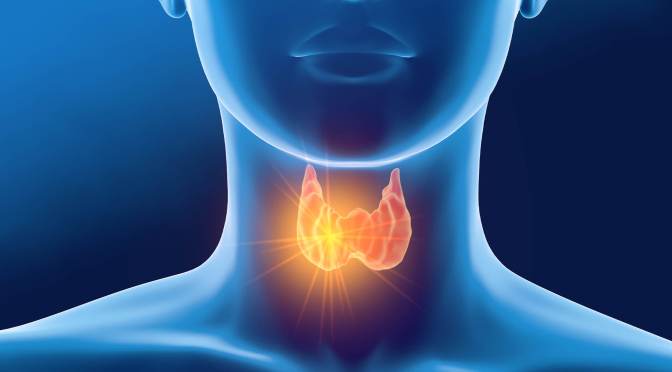
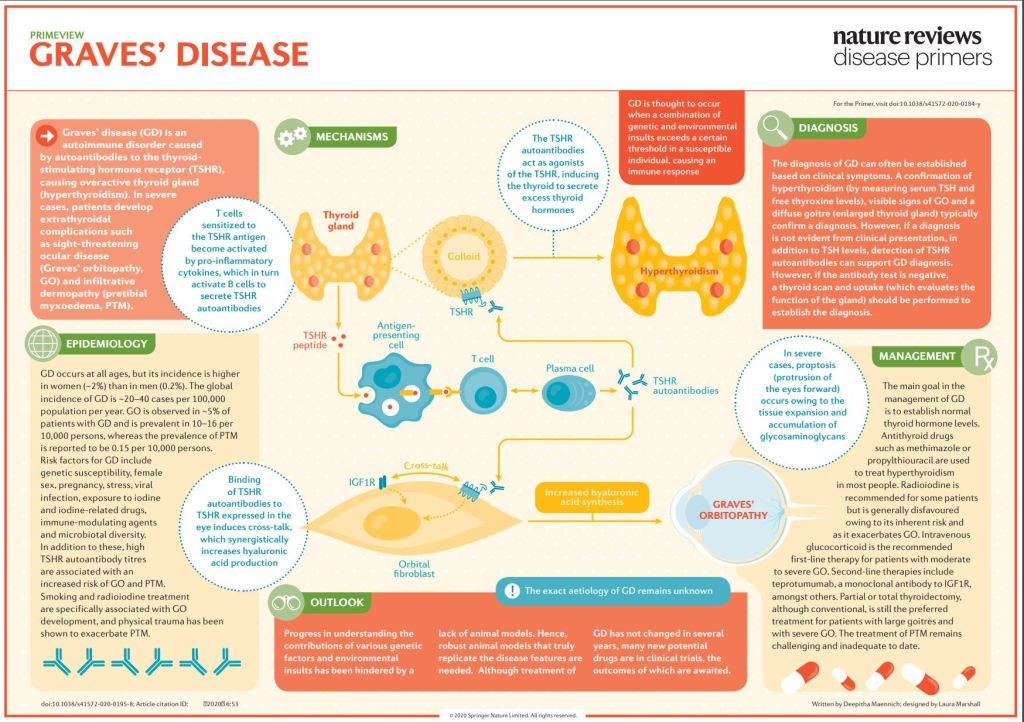
Graves’ disease is an immune system disorder that results in the overproduction of thyroid hormones (hyperthyroidism). Although a number of disorders may result in hyperthyroidism, Graves’ disease is a common cause.
Thyroid hormones affect many body systems, so signs and symptoms of Graves’ disease can be wide ranging. Although Graves’ disease may affect anyone, it’s more common among women and in people younger than age 40.
The primary treatment goals are to reduce the amount of thyroid hormones that the body produces and lessen the severity of symptoms.
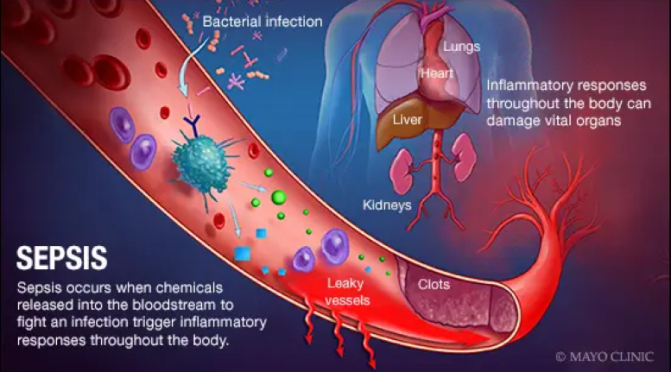
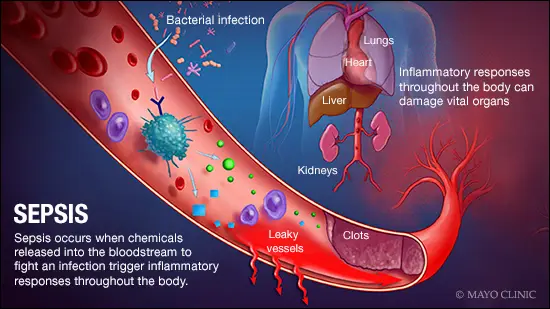
Sepsis occurs when the body’s response to an infection damages its own tissues. When these infection-fighting processes turn on the body, they cause organs to function poorly and abnormally.
As sepsis worsens, blood flow to vital organs, such as your brain, heart and kidneys, becomes impaired. Sepsis may cause abnormal blood clotting that results in small clots or burst blood vessels that damage or destroy tissues. If sepsis progresses to septic shock, blood pressure drops dramatically, which can lead to death.
Nearly 270,000 people in the U.S. die each year as a result of sepsis, and one-third of people who die in a hospital have sepsis, according to the Centers for Disease Control and Prevention.
Signs of sepsis
To be diagnosed with sepsis, you must have a probable or confirmed infection, and all of these signs:
Change in mental status.
Systolic blood pressure — the top number in a blood pressure reading — less than or equal to 100 millimeters of mercury, or mm Hg.
Respiratory rate higher than or equal to 22 breaths per minute.
Signs of progression to septic shock include:
The need for medication to maintain systolic blood pressure greater than or equal to 65 mm Hg.
High levels of lactic acid in your blood, which means that your cells aren’t using oxygen properly.
Treatment
Early, aggressive treatment increases the likelihood of recovery.
A number of medications are used to treat sepsis and septic shock, including antibiotics, corticosteroids, painkillers and sedatives. Supportive care, including oxygen and dialysis, and surgery to remove the source of the infection, also may be needed.
People who have sepsis require close monitoring and treatment in a hospital ICU. Lifesaving measures may be needed to stabilize breathing and heart function.
The hospital is a dangerous places to be, and the most common cause of death there is sepsis. Sepsis is an underappreciated killer, and it’s getting more common because people are aging, devices are more commonly implanted into the body, immunosuppressive treatment is being used more commonly, and hospital acquired infections are increasingly resistant to treatment.
Sepsis can be caused by an overwhelming infection with bacteria, but can also be caused by viruses, fungi, and severe trauma. Low blood pressure is a common problem, and is associated with change in mental status, and increased breathing rate in raising a red flag for sepsis. Endotoxins play an important, if confusing, role. Endotoxins derive from Gram negative bacteria, but the most common bacterium causing sepsis is the gram positive staphylococcus aureus. With sepsis, though,the gastrointestinal tract may become more leaky, and Gram negative organisms may thereby gain access to the blood stream.
A ccmmon test to detect sepsis is the serum lactate, which becomes elevated if oxygen utilization is diminished, such as in sepsis. There is also a direct test for endotoxin in the bloodstream, performed by using LAL, or Limulus amebocyte lysate. This substance, derived from the cells of the blood of the horseshoe crab, is very sensitive to endotoxins, and coagulates in its presence. This test is also used to detect endotoxins in Biological products and devices, making horseshoe crab is quite valuable.
Maintaining general health, keeping up on your immunizations, wishing your hands, keeping cuts and burns free from infection, ovoid smoking, controlling diabetes and avoiding hospitals whenever possible are useful preventative techniques.
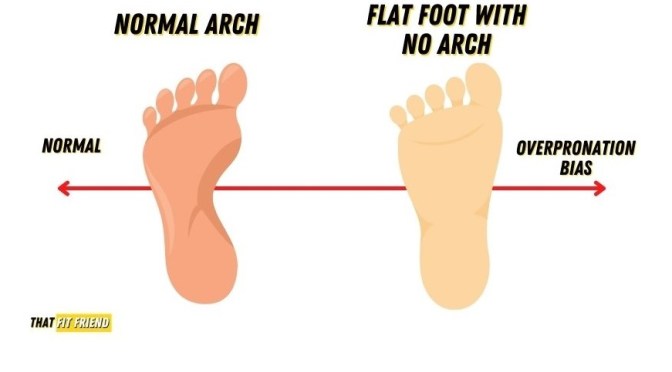
Flat feet will exempt you from the draft, but that is where are their benefit stops. This condition can be inherited, but the arch can also fail to develop during puberty.
The entire bottom of the foot will contact the ground when walking if you have flat feet.
Overpronation happens when the way you walk causes the arches of the feet to flatten even more, putting a strain on the muscles, tendons, and ligaments that support your arches. Overweight and running a lot on hard surfaces accentuates this problem, and pain in the ligaments in the arch of the foot is the result.
Overpronation may be indicated by excessive wear on the inside of the heels and soles of your shoes, and can cause all kinds of problems such as Achilles tendinitis, iliotibial band syndrome, plantar fasciitis, shin splints, and even knee, hip, or back pain. these things may develop in compensation to overpronation while walking.
As an older person, I have pretty much given up tennis and running, and walk rapidly for long (for me) distances in order to get sufficient exercise. Without noticeably increasing my walking, I have recently developed tenderness in the arch of my left foot that made walking painful. Curling my toes, and walking on the outside of my feet seemed to alleviate the pain. This is an exercise that I remember from my childhood, and may have been shown me because of my moderately flat feet.
Swimming for Exercise, and decreasing the amount of walking seems to have corrected the condition at least temporarily, but I have also ordered some orthotic inserts for my shoes as an arch support, in case I need them going forward. I have been told that if this is insufficient I can go to a specialty store and order some special shoes that might help. I have not mentioned painkillers such as NSAIDs, because I try to avoid them
Please check with the accompanying references for more information about flat feet and over pronation.
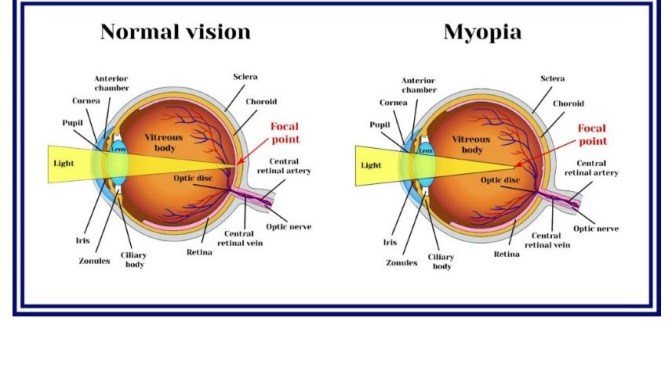
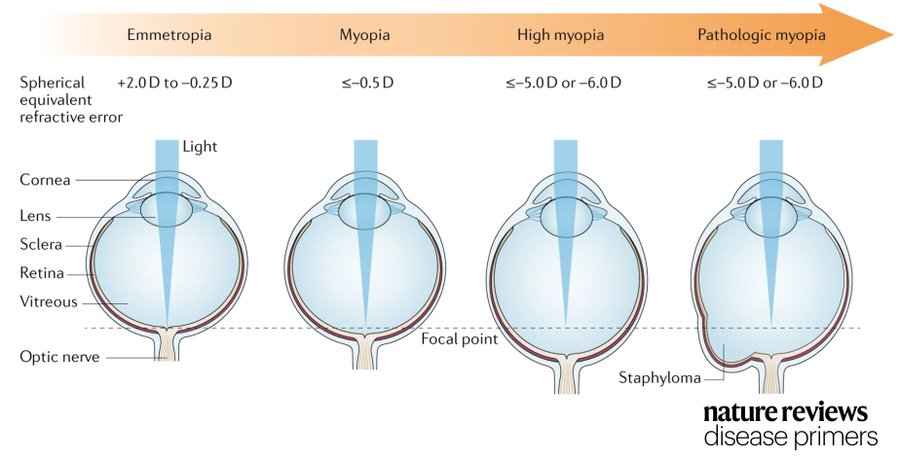
Myopia, also known as short-sightedness or near-sightedness, is a very common condition that typically starts in childhood. Severe forms of myopia (pathologic myopia) are associated with a risk of other associated ophthalmic problems. This disorder affects all populations and is reaching epidemic proportions in East Asia, although there are differences in prevalence between countries.
Myopia is caused by both environmental and genetic risk factors. A range of myopia management and control strategies are available that can treat this condition, but it is clear that understanding the factors involved in delaying myopia onset and slowing its progression will be key to reducing the rapid rise in its global prevalence.
To achieve this goal, improved data collection using wearable technology, in combination with collection and assessment of data on demographic, genetic and environmental risk factors and with artificial intelligence are needed. Improved public health strategies focusing on early detection or prevention combined with additional effective therapeutic interventions to limit myopia progression are also needed.
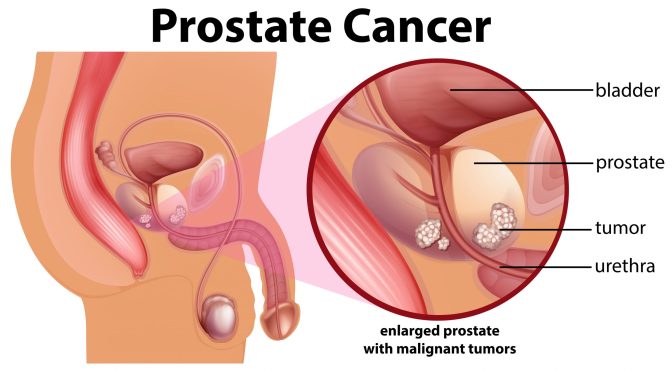
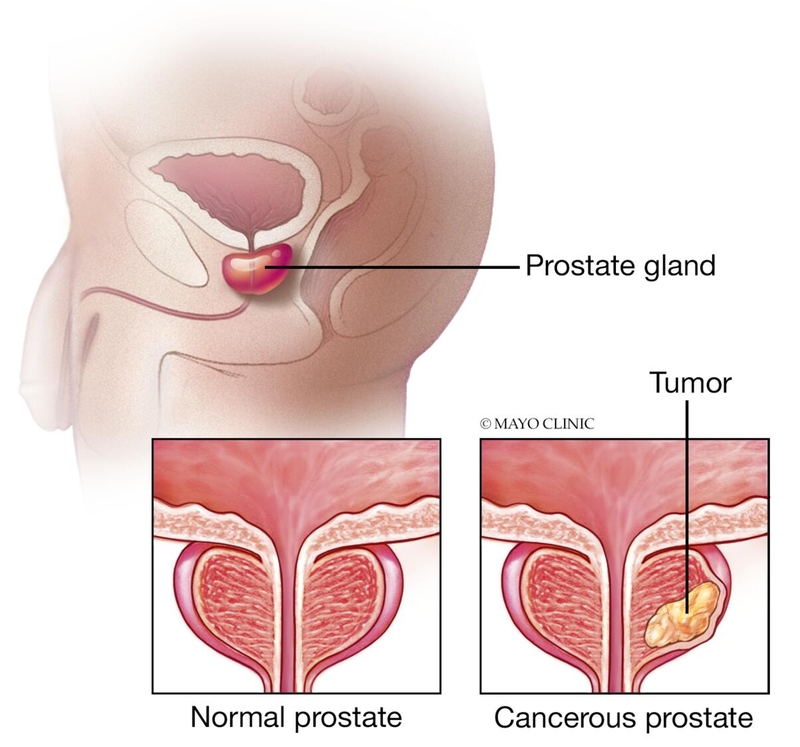
Prostate cancer is one of the most common types of cancer. Many prostate cancers grow slowly and are confined to the prostate gland, where they may not cause serious harm.
However, while some types of prostate cancer grow slowly and may need minimal or even no treatment, other types are aggressive and can spread quickly.
Prostate cancer that’s detected early — when it’s still confined to the prostate gland — has the best chance for successful treatment.
Prostate cancer may cause no signs or symptoms in its early stages. When it’s more advanced may cause signs and symptoms such as:
PSA screening will pick up prostate cancer very efficiently. However, it will also pick up slow growing cancer that might never be require treatment, and responding to the positive test could cause problems ranging from pain and convenience to erectile dysfunction and incontinence.
It takes 1000 men screened to produce one life-saving treatment for prostate cancer.
Risk reward analysis means that the younger you are, the more reasonable is a test, since you have many more years of potential life. The older you are, conversely, the less you have to gain. The problem is that most cancers are slow growing, and might never cause a problem, especially if you have only a few years left to live.
Most experts recommend a test when a man reaches the age of 45, but reserve annual testing for those who are at high risk, such as having a brother or father with aggressive prostate cancer.
When a man reaches the age of 70, most experts would decline to test.
Sometimes, emotional considerations present themselves; worry is very much a disease. For instance, the best man at my wedding stopped getting his PSA test about three years before he was diagnosed with fatal metastatic prostate cancer. I am inclined to continue getting my annual prostate test, and would worry if I didn’t.
A recent study in the journal Cancer reported that more than half of a group of men 75 years and older had PSA tests and biopsies.
As an interesting aside, the PSA test is the only test I have ever had rejected by Medicare, presumably because of this expert opinion factoring in the cost benefit analysis of using the test.
Contact dermatitis (CD) is among the most common inflammatory dermatological conditions and includes allergic CD, photoallergic CD, irritant CD, photoirritant CD (also called phototoxic CD) and protein CD. Occupational CD can be of any type and is the most prevalent occupational skin disease. Each CD type is characterized by different immunological mechanisms and/or requisite exposures. Clinical manifestations of CD vary widely and multiple subtypes may occur simultaneously. The diagnosis relies on clinical presentation, thorough exposure assessment and evaluation with techniques such as patch testing and skin-prick testing. Management is based on patient education, avoidance strategies of specific substances, and topical treatments; in severe or recalcitrant cases, which can negatively affect the quality of life of patients, systemic medications may be needed.
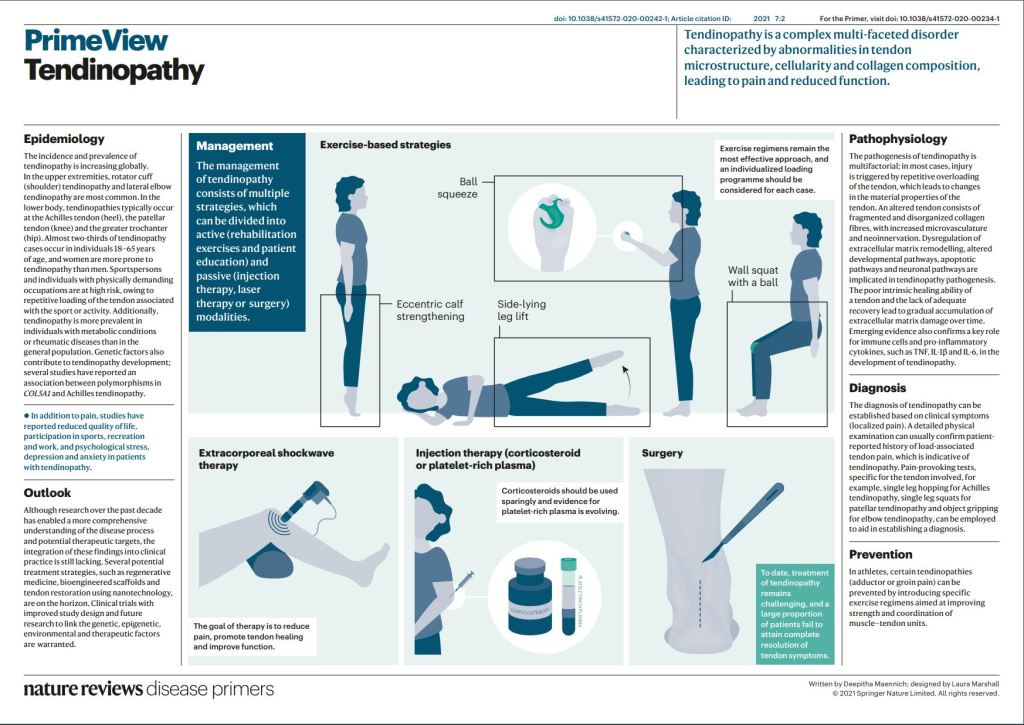
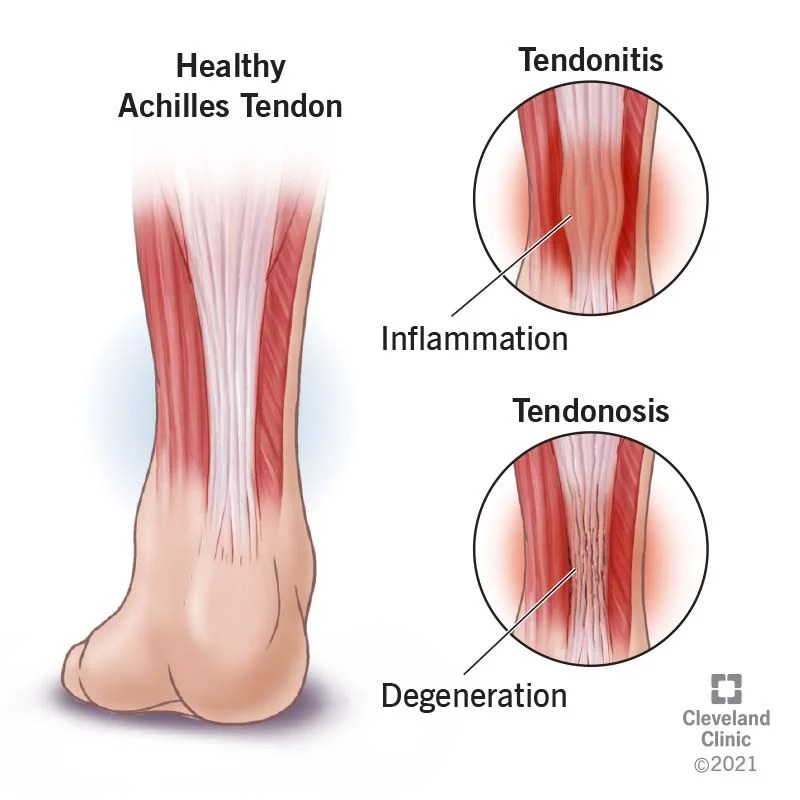
Tendinopathy is the broad term for any tendon condition that causes pain and swelling. Your tendons are rope-like tissues in your body that attach muscle to bone. When your muscles tighten and relax, your tendons and bones move. One example of a tendon is your Achilles tendon, which attaches your calf muscle to your heel bone and causes ankle movement. If you have pain and/or swelling in that area, you might have Achilles tendinopathy.
The pain from tendinopathy can interfere with your daily life. For example, it can keep you from playing sports and from doing housework. So, if you have pain or swelling, make sure to contact your healthcare provider for help.
Psoriasis is a skin disease that causes a rash with itchy, scaly patches, most commonly on the knees, elbows, trunk and scalp.
Psoriasis is a common, long-term (chronic) disease with no cure. It can be painful, interfere with sleep and make it hard to concentrate. The condition tends to go through cycles, flaring for a few weeks or months, then subsiding for a while. Common triggers in people with a genetic predisposition to psoriasis include infections, cuts or burns, and certain medications.
Treatments are available to help you manage symptoms. And you can try lifestyle habits and coping strategies to help you live better with psoriasis.
My practice was restricted to allergy, but I saw many patients with psoriasis. The red scaly patches made them think they had allergic dermatitis, eczema. Psoriasis on the arm is usually located on the elbow, and atopic dermatitis on the opposite side, in the flexural area. Thick, pitted fingernails are also common in psoriasis. It’s combination with arthritis is worrisome.
Psoriasis will usually develop first, and the psoriatic arthritis will follow years later, but 10% of the time the arthritis Is the first problem. This form of arthritis can be very painful, and cause deformities. It is often worse than rheumatoid arthritis, although does not affect as many joints, and is often asymmetrical. It inflames the area where tendons attach to the bone, which is one of the reasons that it can be more painful than rheumatoid arthritis.
Psoriasis is an autoimmune problem and can involve practically any organ in the body.
It is often associated with metabolic syndrome and diabetes.
Psoriatic arthritis does not have the rheumatoid serum markers that can help diagnose rheumatoid arthritis, and unless psoriasis is also present on the skin, it can be hard to diagnose.
Symptomatic treatment with NSAIDs, physical therapy, phototherapy and topical treatments can be helpful, but very expensive biologics are sometimes needed to help out methotrexate and other first line DMARDs (Disease modifying antirheumatic drugs).
This condition can be progressive. If you develop scaly red patches on your skin, be sure to check with the doctor about the possibility of psoriasis.






 Doctors Without Waiting Rooms