Tag Archives: Infographics

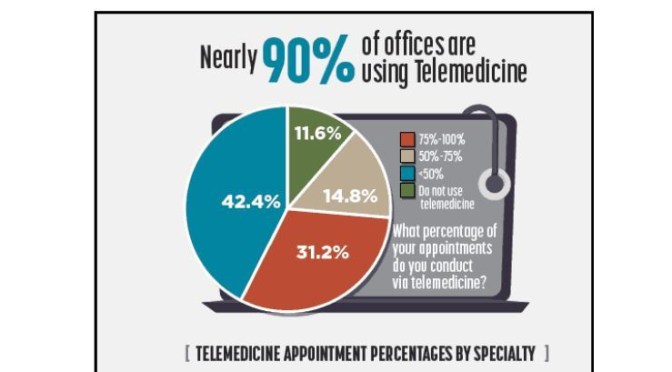
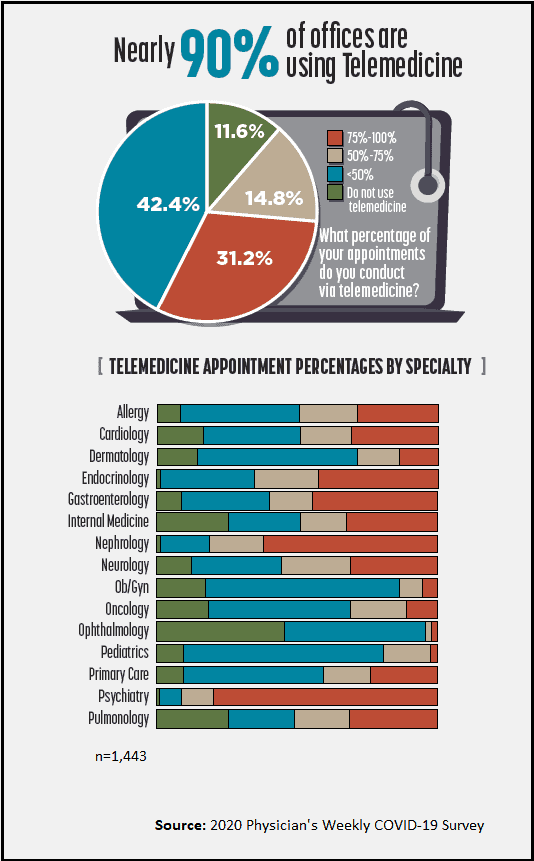
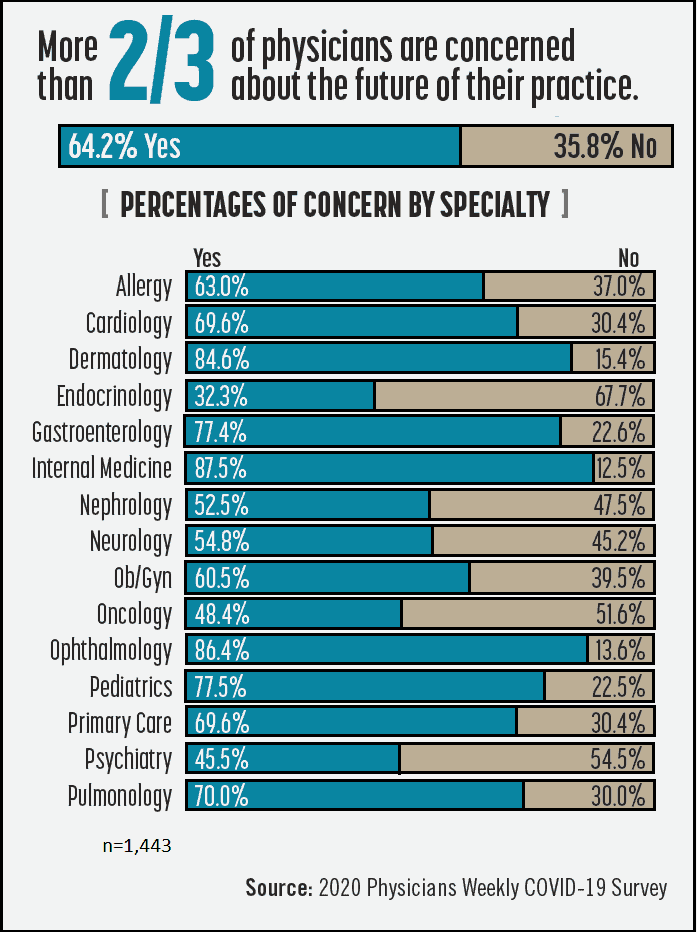
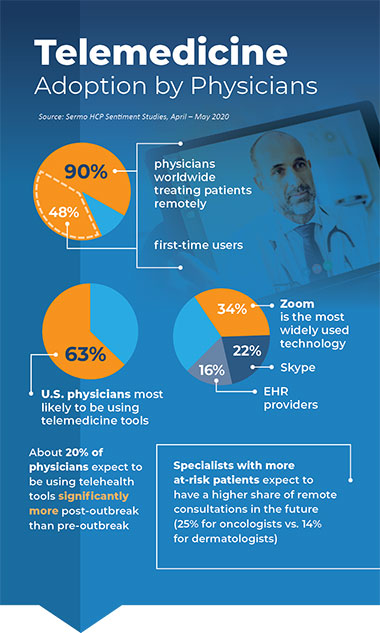
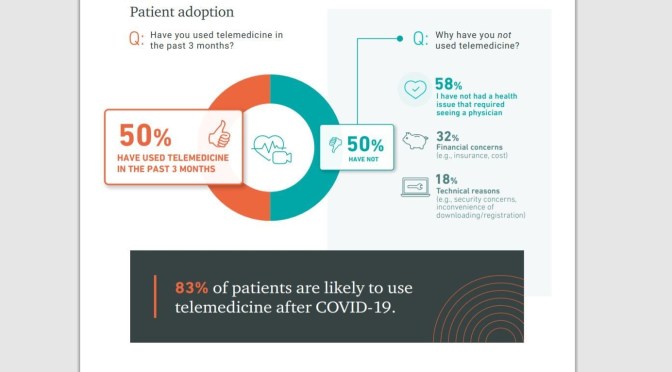
INFOGRAPHIC: “PHYSICIANS ADOPTING TELEMEDICINE”

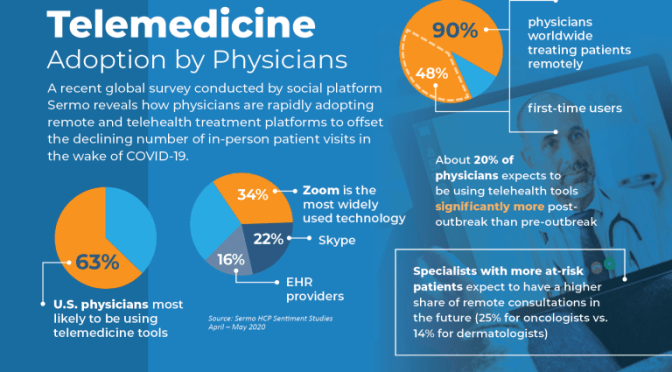
Diagnostics World (June 30, 2020): The shift from face-to-face patient visits to remote medical appointments is a worldwide phenomenon, but most especially in the U.S., finds a recent global survey conducted by the doctors-only social networking platform Sermo. Unsurprisingly, Zoom tops the list of most-mentioned technologies. About one-fifth of surveyed doctors say they expect to be using telehealth tools “significantly” more post-pandemic than before COVID-19 upended business as usual.
WEBSITE

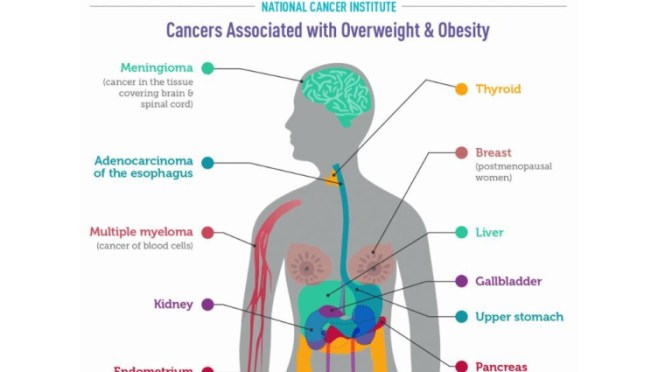
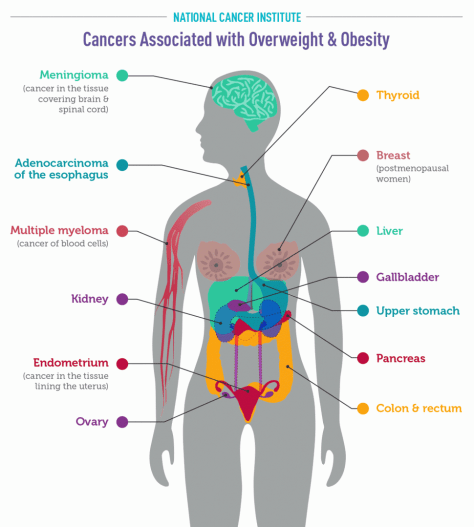
INFOGRAPHIC: A LOOK AT “CANCERS ASSOCIATED WITH OVERWEIGHT & OBESITY

There is consistent evidence that higher amounts of body fat are associated with increased risks of a number of cancers (6), including:

  • Endometrial cancer: Obese and overweight women are two to about four times as likely as normal-weight women to develop endometrial cancer (cancer of the lining of the uterus), and extremely obese women are about seven times as likely to develop the more common of the two main types of this cancer (7). The risk of endometrial cancer increases with increasing weight gain in adulthood, particularly among women who have never used menopausal hormone therapy (8).
  • Esophageal adenocarcinoma: People who are overweight or obese are about twice as likely as normal-weight people to develop a type of esophageal cancer called esophageal adenocarcinoma, and people who are extremely obese are more than four times as likely (9).
  • Gastric cardia cancer: People who are obese are nearly twice as likely as normal-weight people to develop cancer in the upper part of the stomach, that is, the part that is closest to the esophagus (10).
  • Liver cancer: People who are overweight or obese are up to twice as likely as normal-weight people to develop liver cancer. The association between overweight/obesity and liver cancer is stronger in men than women (1112).
  • Kidney cancer: People who are overweight or obese are nearly twice as likely as normal-weight people to develop renal cell cancer, the most common form of kidney cancer (13). The association of renal cell cancer with obesity is independent of its association with high blood pressure, a known risk factor for kidney cancer (14).
  • Multiple myeloma: Compared with normal-weight individuals, overweight and obese individuals have a slight (10% to 20%) increase in the risk of developing multiple myeloma (15).
  • Meningioma: The risk of this slow-growing brain tumor that arises in the membranes surrounding the brain and the spinal cord is increased by about 50% in people who are obese and about 20% in people who are overweight (16).
  • Pancreatic cancer: People who are overweight or obese are about 1.5 times as likely to develop pancreatic cancer as normal-weight people (17).
  • Colorectal cancer: People who are obese are slightly (about 30%) more likely to develop colorectal cancer than normal-weight people (18).A higher BMI is associated with increased risks of colon and rectal cancers in both men and in women, but the increases are higher in men than in women (18).
  • Gallbladder cancer: Compared with normal-weight people, people who are overweight have a slight (about 20%) increase in risk of gallbladder cancer, and people who are obese have a 60% increase in risk of gallbladder cancer (1920). The risk increase is greater in women than men.
  • Breast cancer: Many studies have shown that, in postmenopausal women, a higher BMI is associated with a modest increase in risk of breast cancer. For example, a 5-unit increase in BMI is associated with a 12% increase in risk (21). Among postmenopausal women, those who are obese have a 20% to 40% increase in risk of developing breast cancer compared with normal-weight women (22). The higher risks are seen mainly in women who have never used menopausal hormone therapy and for tumors that express hormone receptors. Obesity is also a risk factor for breast cancer in men (23).In premenopausal women, by contrast, overweight and obesity have been found to be associated with a 20% decreased risk of breast tumors that express hormone receptors (22).
  • Ovarian cancer: Higher BMI is associated with a slight increase in the risk of ovarian cancer, particularly in women who have never used menopausal hormone therapy (24). For example, a 5-unit increase in BMI is associated with a 10% increase in risk among women who have never used menopausal hormone therapy (24).
  • Thyroid cancer: Higher BMI (specifically, a 5-unit increase in BMI) is associated with a slight (10%) increase in the risk of thyroid cancer (25).

Website

COMMENTARY

Obesity increases the incidence of cancer, and complicates its treatment.
A healthy life style.,’including good sleep, diet and exercise, should prevent obesity in all but extreme genetic aberrations.

It is better to prevent problems than to grapple with them.
Stay healthy!
—Dr. C.

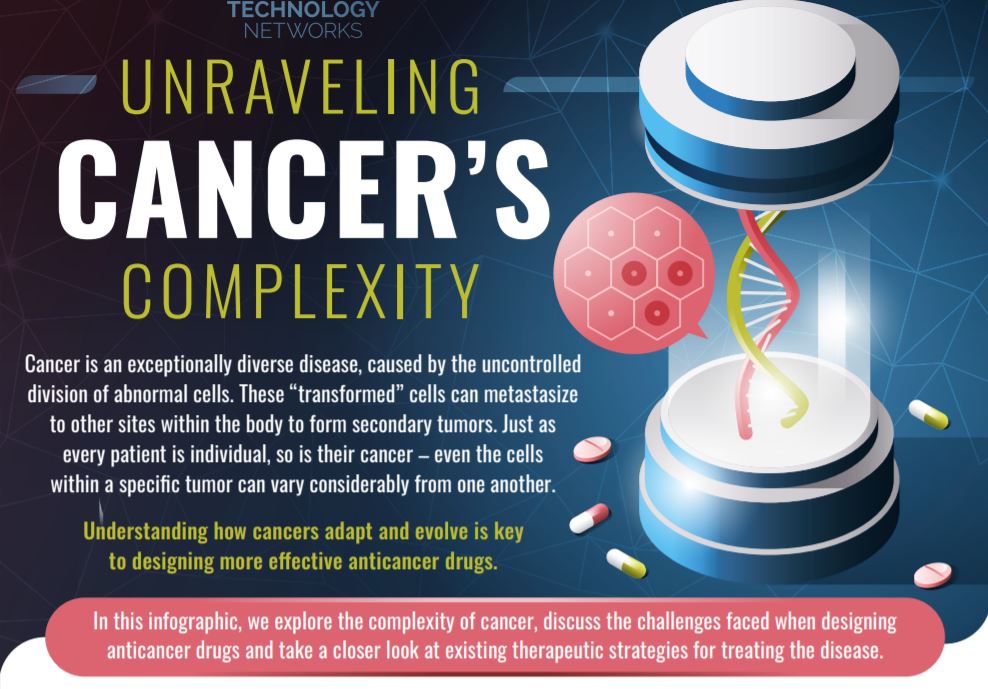
INFOGRAPHIC: A LOOK INTO “CANCER’S COMPLEXITY”

Technology Networks Cancer Drug Discovery-page-0

COMMENTARY

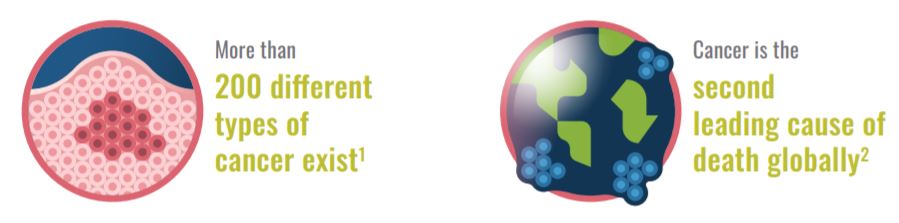
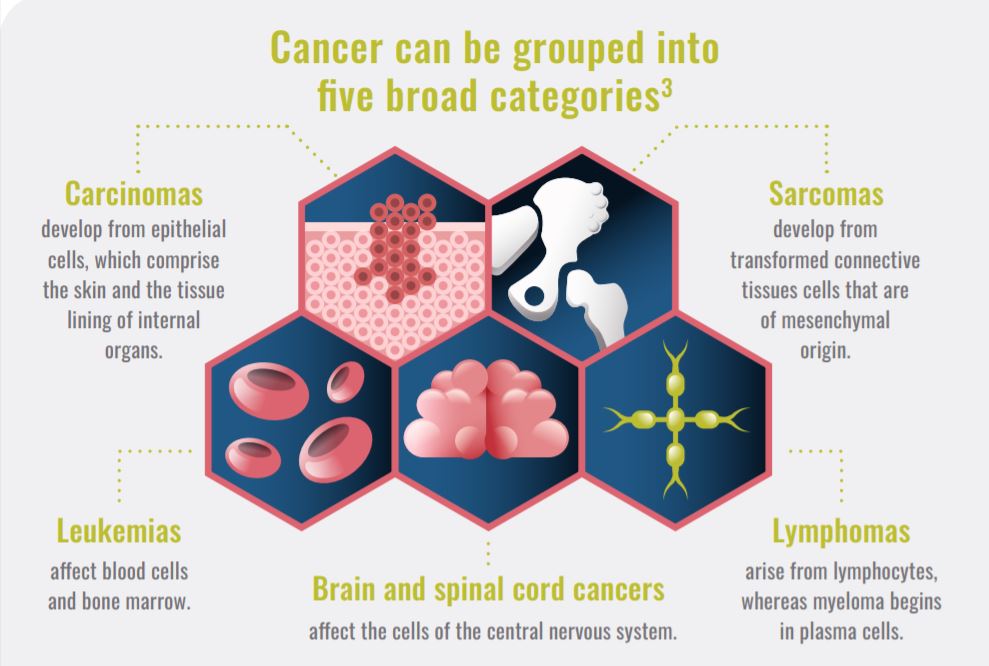
This infographic is a high-level discussion of cancer, with plenty of information to keep a Physicians’ interest.

The Human Body is a complex Community of individual cells that normally work together with admirable Harmony. Each individual cell is supplied with all its’ wants, and vigorously does its’ part for the Body.

Occasionally a ROGUE CELL escapes constraints and GOES ITS’ OWN WAY.

This has been happening from the beginning of multicellular life, and these MISCREANTS have EVOLVED to preserve themselves and have an amazing bag of TRICKS.

They are Very resourceful just like VIRUSES, which can also cause CANCER.

These twin threats give modern medical technology about all it can handle, and more.

PREVENTATIVE care offers a remedy.

Prevention is not at all complex, but of course requires thought, energy and planning. Prevention is difficult to square up with the easy, effortless, intuitive  life we yearn for.

Do you have the resolve to give SLEEP, DIET and EXERCISE a chance?

–DR. C

INFOGRAPHICS: “WHAT ARE, HOW WE GET AND WHY DO WE EAT FERMENTED FOODS”

Read more

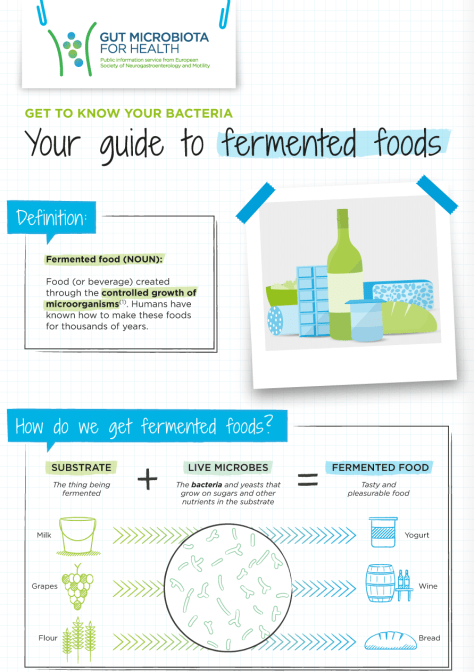
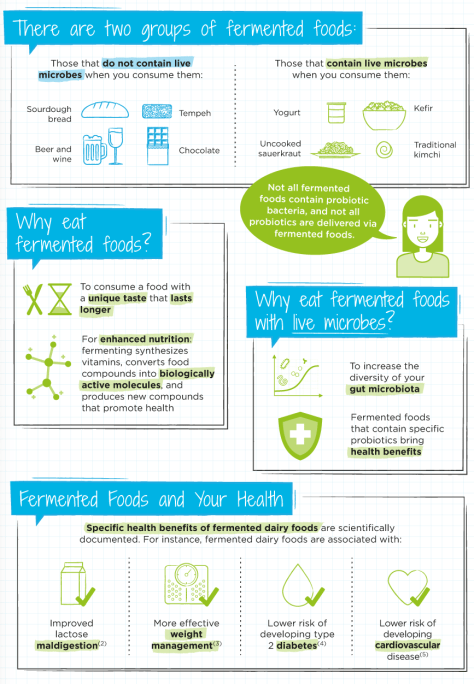
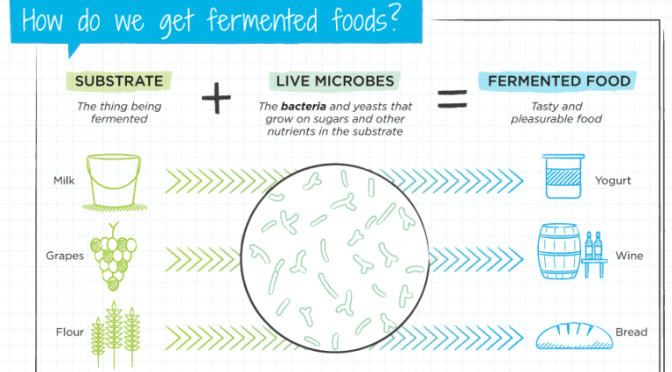
This article gave an interesting classification of fermented foods, pointing out that with some, like bread and wine, we eat the products of fermentation without the living organisms, while with others like kefir and yogurt, we eat the viable critters also.

Lactobacilli are called probiotics, and are supposed to have health benefits. It is not proven that they do, but at least the lactobacilli use up some of the sugar we would otherwise be eating, and taste good.

The problem with the claim that they diversify and benefit our microbiome, and crowd out the bad germs, is that they do not generally attach to our intestinal walls, and go right through with the rest of our food. They don’t stick around long enough to do any good.

My late wife had a bad infection with a bad actor called Clostridium difficile, which caused her to have a severe, bloody enterocolitis. After the second hospitalization with this affliction, an Infectious disease doctor suggested “culturelle”, which contained a patented Lactobacillus rhamnosus GG, which WAS supposedly proven to attach for a while. My wife took this, and never had another attack.

I still take this daily, “on faith”. Gullible me. Fecal transplants are now used effectively for C. Dif. enterocolitis. Avoiding unnecessary antibiotics, which wipe out your normal microbiome, your “good guy competition”, is An even better idea, but seems risky.

BOTTOM LINE:  Kefir and yogurt are calorie depleted, and taste good. What is not to like?
–Dr. C