

Have you ever wondered what the health impact of a stressful day was? Will you perform well during your long run tomorrow morning? #Heart rate variability may be the piece of data that could help you answer these questions: https://t.co/DJKjsSlKv2 #HarvardHealth pic.twitter.com/3E1vKiLjDj
— Harvard Health (@HarvardHealth) January 20, 2022
Tag Archives: Heart
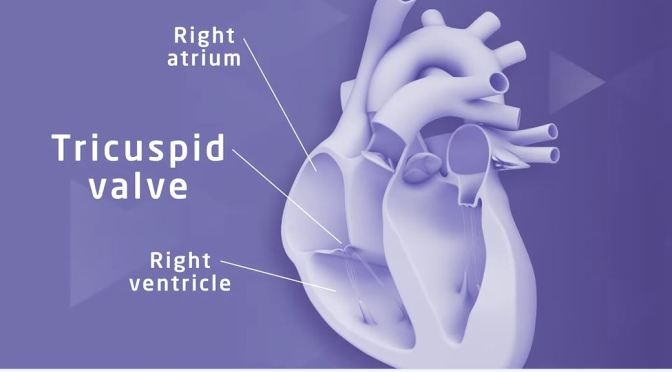
Heart Health: Tricuspid Regurgitation Treatment
The tricuspid valve helps regulate blood flow in the heart. But when it isn’t working properly, a condition known as tricuspid regurgitation can occur. In this video, cardiac surgeon S. Christopher Malaisrie, MD and interventional cardiologist Charles J. Davidson, MD explain how tricuspid regurgitation is being treated in innovative new ways at Northwestern Medicine. For more information, visit http://heart.nm.org
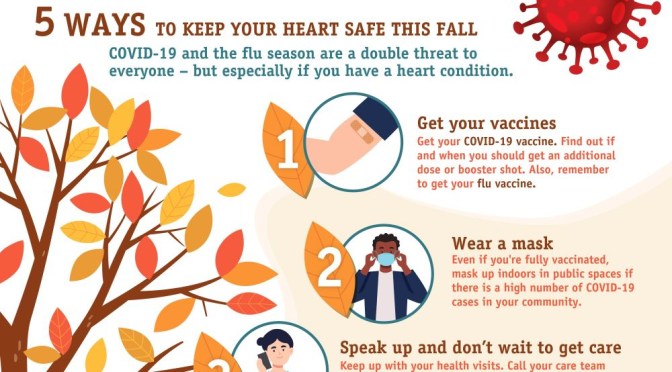
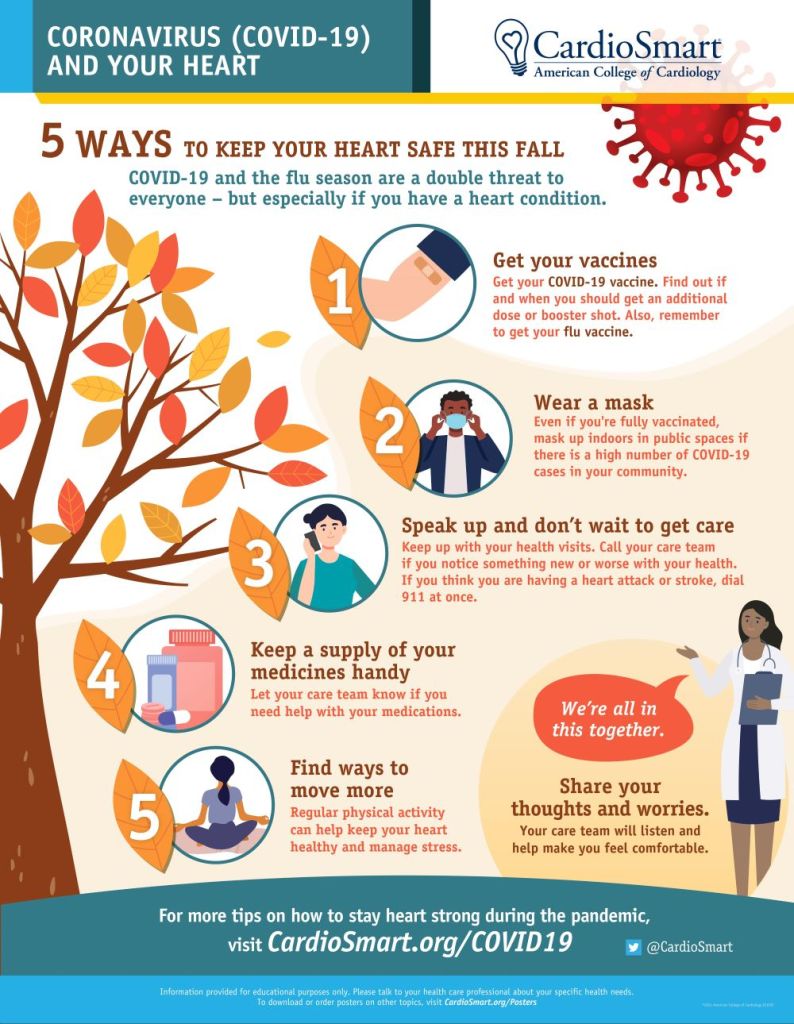
Covid-19: Keeping Your Heart Healthy This Fall
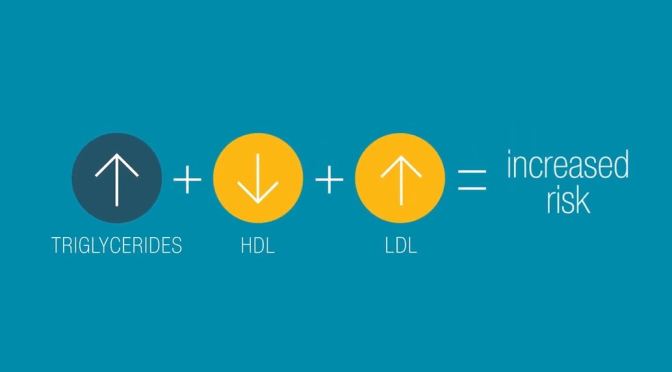
Heart Health: What Is Cholesterol? (AHA Video)
There are two types of cholesterol: LDL cholesterol, which is bad, and HDL, which is good. Learn why too much cholesterol and elevated triglycerides can lead to heart disease and stroke. Make it a priority to have your cholesterol checked.
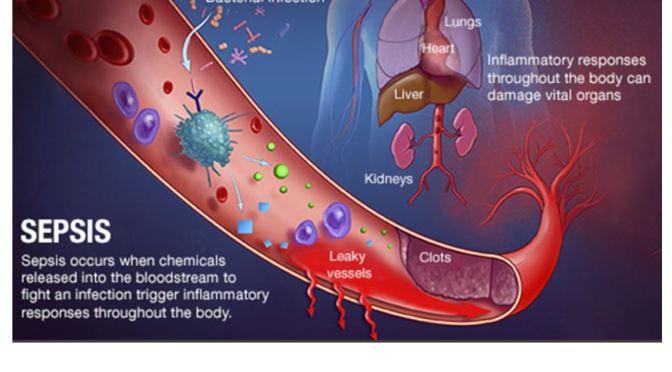
Covid-19 & Flu Can Spark Sepsis, Endangering Heart
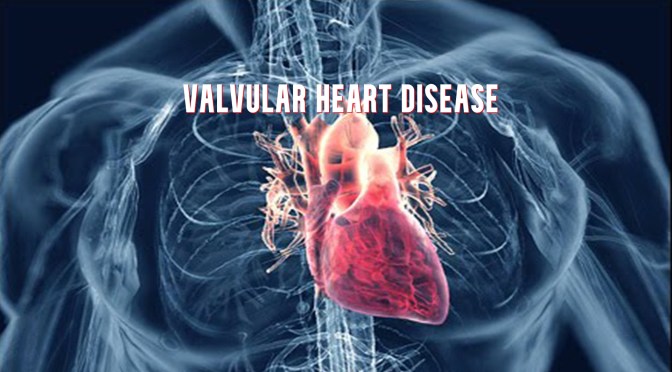
DR. C’S JOURNAL: WHAT IS VALVULAR HEART DISEASE?
I continue to be amazed by-and grateful for -the astounding collection of miracles that is the human body. Each element is durable if properly maintained and potentially provides us with a long and healthy life. The heart Valves are a part this wonderful orchestra, opening and closing about 2 billion times in a full lifetime.
It is possible to visually appreciate our heart and it’s valves, but millions of other microscopic-nanoscopic-little protein machines are also opening, closing, twisting and folding anonymously, allowing us to live and move.
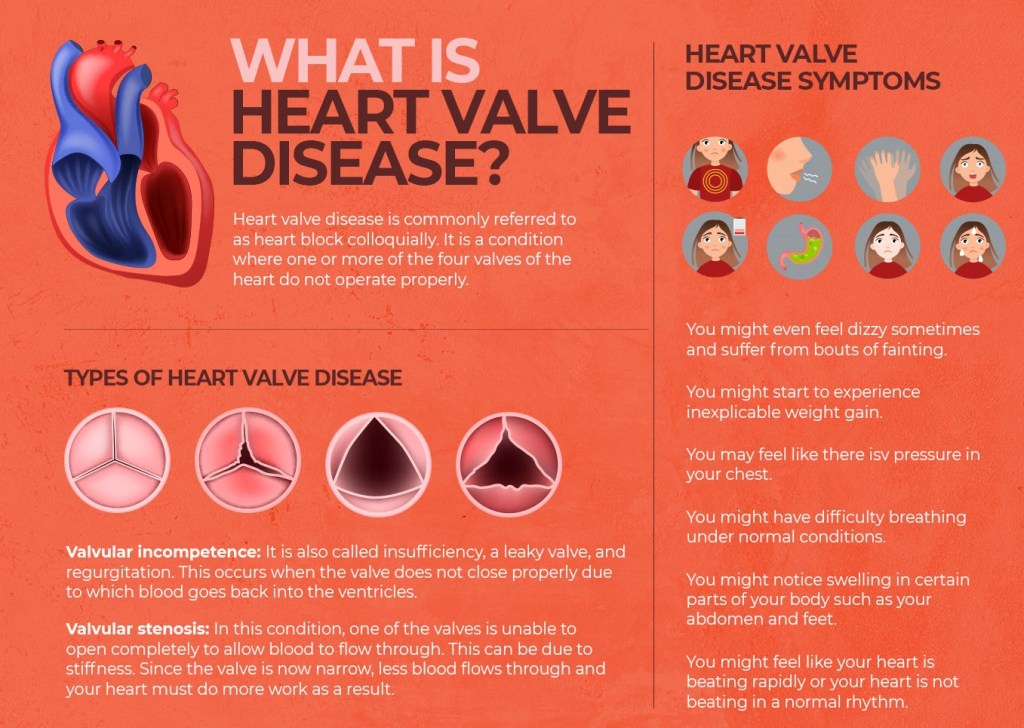
Now is a particularly good time to talk about the heart valves because imaging devices are available to detect, and surgical techniques are at hand to treat, the common problems that develop in the course of optimally guiding our blood through the heart, into 2 separate circuits, the pulmonary, and the systemic. Life can be defined as an island of order in a sea of chaos. Energy is required to allow this island to fend off dissolution. The energy is used to continually maintain the integrity of our cells, the island in this metaphor, and keep entropy at bay. Myriads of biochemical mechanisms direct this repair. Sleep, diet, and exercise aid in the mending.
We use our bodies in the daytime, and at night switch to a cleansing and repairing function, sleep. Diet, and our resident microbiome, provide the materials for this restoration. Exercise helps utilize excessive nutrients, and directs our metabolism towards regeneration and repair.
Some valvular problems are present at birth because of defective development. Bicuspid aortic valves and mitral prolapse are examples. Hypertension places a strain on the entire system. Type two diabetes can cause inflammation and abnormal deposits in the valves. A variety of biochemical pathways active during the formation of the heart can go awry and fail to maintain the neatly layered deposits of collagen, proteoglycans and elastic tissue that forms the basis of the valves, and the endothelial cells that line them.
Tobacco smoke, which harms in so many other ways, can also damage the heart valves, as can infections, which sometimes grow on the heart valves themselves. Symptoms of heart valve disease include abnormal sounds that your doctor can hear, or the the presence of fatigue, shortness of breath, swelling of the ankles, and dizziness, which are common symptoms of cardiac malfunction. Unusual chest pains, particularly with mitral prolapse, and irregular heartbeat can also be present.
Replacement of some valves via a catheter inserted in an artery is one of the recent advances in treatment of Valvular heart disease.
Ultrasound is particularly useful in diagnosing valvular heart disease, but a whole cafeteria of diagnostic tests are available to doctors these days.
Please refer to the following Mayo clinic article for more information.
—Dr. C
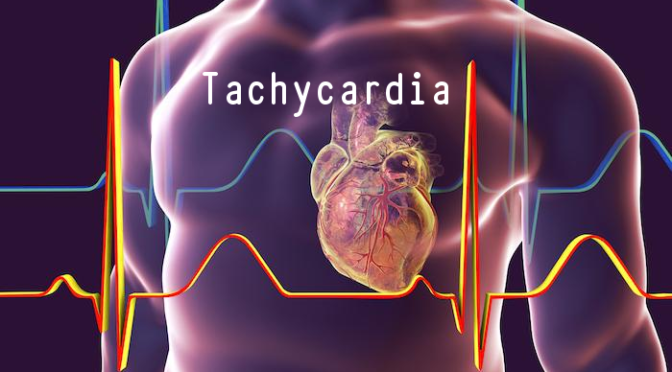
Tachycardia: Types, Causes & Symptoms (Mayo Clinic)
Tachycardia is the medical term for a heart rate over 100 beats per minute. There are many heart rhythm disorders (arrhythmias) that can cause tachycardia.
Types of tachycardia
There are many different types of tachycardia. They’re grouped according to the part of the heart responsible for the fast heart rate and cause of the abnormally fast heartbeat. Common types of tachycardia include:
- Atrial fibrillation. Atrial fibrillation is a rapid heart rate caused by chaotic, irregular electrical impulses in the upper chambers of the heart (atria). These signals result in rapid, uncoordinated, weak contractions of the atria.Atrial fibrillation may be temporary, but some episodes won’t end unless treated. Atrial fibrillation is the most common type of tachycardia.
- Atrial flutter. In atrial flutter, the heart’s atria beat very fast but at a regular rate. The fast rate results in weak contractions of the atria. Atrial flutter is caused by irregular circuitry within the atria.Episodes of atrial flutter may go away themselves or may require treatment. People who have atrial flutter also often have atrial fibrillation at other times.
- Supraventricular tachycardia (SVT). Supraventricular tachycardia is an abnormally fast heartbeat that starts somewhere above the lower chambers of the heart (ventricles). It’s caused by abnormal circuitry in the heart that is usually present at birth and creates a loop of overlapping signals.
- Ventricular tachycardia. Ventricular tachycardia is a rapid heart rate that starts with abnormal electrical signals in the lower chambers of the heart (ventricles). The rapid heart rate doesn’t allow the ventricles to fill and contract efficiently to pump enough blood to the body.Ventricular tachycardia episodes may be brief and last only a couple of seconds without causing harm. But episodes lasting more than a few seconds can become a life-threatening medical emergency.
- Ventricular fibrillation. Ventricular fibrillation occurs when rapid, chaotic electrical impulses cause the lower heart chambers (ventricles) to quiver instead of pumping necessary blood to the body. This can be deadly if the heart isn’t restored to a normal rhythm within minutes with an electric shock to the heart (defibrillation).Ventricular fibrillation may occur during or after a heart attack. Most people who have ventricular fibrillation have an underlying heart disease or have experienced serious trauma, such as being struck by lightning.
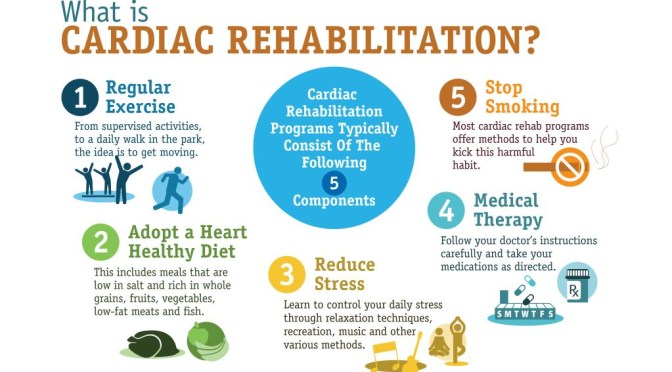
INFOGRAPHIC: WHAT IS CARDIAC REHABILITATION?
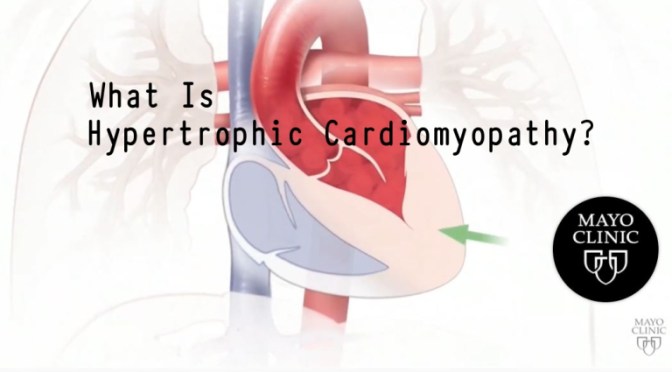
MAYO CLINIC HEART HEALTH: ‘WHAT IS HYPERTROPHIC CARDIOMYOPATHY? ‘ (VIDEO)
Hypertrophic cardiomyopathy is a thickening of the heart muscle, making it more difficult to pump blood. Dr. Steve Ommen is a Mayo Clinic cardiologist who specializes in the disease. He says shortness of breath or chest pain, especially during exercise, are common symptoms. Many people with the disease won’t have any significant health problems. But there are cases that require treatment. If a patient has symptoms that affect quality of life, the disease is treated with medications. Surgery or other procedures also may be necessary in some cases.
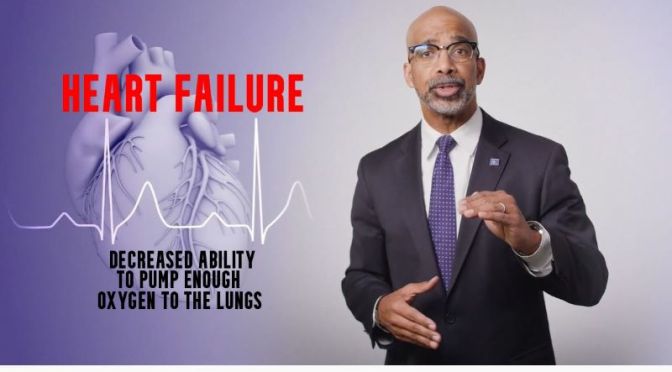
Heart Failure: ‘What It Is & How To Treat It’ (Video)
The heart is a hero. It works relentlessly to deliver oxygen and nutrients to the body. But just like all heroes, sometimes it gets tired, and can’t do its job as well. This is called heart failure – the inability for the heart to pump enough blood and oxygen to the lungs and rest of the body. In this video, Northwestern Medicine cardiologists Clyde W. Yancy, MD, MSc and Jane E. Wilcox, MD, MSc explain what heart failure is and the integrated and collaborative approach used to diagnose, stage and treat heart failure at Northwestern Medicine. For more information, visit http://heart.nm.org
 Doctors Without Waiting Rooms