

B-type natriuretic peptide (BNP) belongs to a family of protein hormones called natriuretic peptides. These natriuretic peptides have an important role in regulating the circulation. They act on blood vessels, causing them to dilate, or widen. They also work on the kidneys, causing them to excrete more salt and water. In addition, the natriuretic peptides reduce the production of various hormones that narrow blood vessels, boost the heart rate, or affect fluid retention; examples include adrenaline, angiotensin, and aldosterone.
Tag Archives: Harvard Health
Inflammation: How To Treat Ulcerative Colitis
Since ulcerative colitis (UC), a condition that causes inflammation in the colon and rectum, is never medically cured, certain lifestyle behaviors can help you manage symptoms and better cope with your condition. In addition to managing stress, paying attention to what you eat can have a big impact on your quality of life.
There is no single diet that works best for managing UC. In fact, no studies have shown that any specific diet improves symptoms or that any specific foods cause UC flare-ups. The best approach is to avoid or reduce the foods that aggravate your symptoms.
You should eat a well-balanced, healthy diet rich in fresh fruits and vegetables, such as a Mediterranean style diet. Avoid preservatives and emulsifiers, such as carrageenan, carboxymethylcellulose, and polysorbate-80.
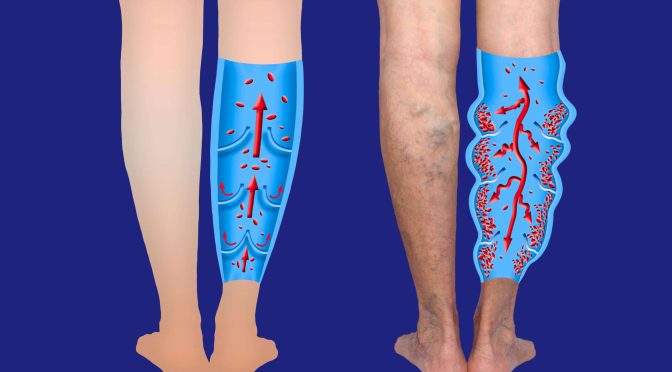
Varicose Veins: Symptoms And Treatment (Harvard)
Can you prevent varicose veins?
Even if you have a family history of varicose veins, they aren’t always inevitable, says Dr. Sherry Scovell, a vascular and endovascular surgeon at Harvard-affiliated Massachusetts General Hospital. Three simple strategies can help to prevent them.
1. Get moving. “Leading an active lifestyle is probably the most important thing that you can do for prevention,” says Dr. Scovell. Exercise, particularly walking, induces calf muscle contractions that keep blood flowing efficiently. “The calf muscles act like a heart for the veins,” she says. People sometimes believe that if they stand more and sit less, they can prevent vein problems. But that’s not true if you’re mostly standing still. “It’s better to move as much as possible,” says Dr. Scovell. Exercise also helps you maintain a healthy weight, which can keep varicose veins at bay.
2. Put your feet up. Give your legs a break by elevating your feet at the end of the day, and even during the middle of the day if you’ve got some spare time. This can relieve pressure on the veins to help keep them healthy.
3. Pull on compression stockings. These garments fit snugly on your legs, squeezing them slightly to help keep blood moving. People sometimes think they’re unfashionable and are reluctant to wear them. But today’s stockings don’t resemble old-fashioned versions, says Dr. Scovell. Compression stockings come in numerous styles, including calf-high tube socks, dress socks, and tall stockings that look like tights. “They make them in so many cool colors and patterns,” says Dr. Scovell. “They can be fashionable and still help your veins at the same time.” You can purchase over-the-counter compression stockings at a drugstore or get medical-grade options through your primary care doctor or a specialist.
COMMENTARY:
Varicose veins entered my vocabulary when I noticed that my feet were different in their coloration; my left foot was darker than my right, and had a bruise-like discoloration at the heel. Some enlargement and irregular “snaking” of my veins was also apparant at that time.
I went to see a vascular surgeon who performed an ultrasound on my veins, and informed me that my popliteal valve, the one in the vein behind my knee, wasn’t working. This caused a constant column of blood, unchecked by a valve, to enlarge my veins.
I have been wearing compression stockings ever since, to slow down the enlargement of those veins.
My right leg has done better than my left, but still has a few varicose veins.
The compression stockings are hard for me to put on my legs, especially since I have arthritis in my hands. However, by learning a few tricks, this is not an intolerable burden.
First, you have to select your stockings. Jobst was the brand first suggested to me, and I used them for years. Recently, my big toe has been starting to cross over the second toe, a condition called “scissor toe”. The jobst stockings had toes in them, like most stockings, and I thought the compression acting on the toes was partially responsible for the scissor toe. Jobst has no open toe option that I can find. After going through several different brands, I settled on Sigvaris open toe. The label states the number of millimeters compression that is provided. More than 30 mm would be best, but 20-30mm. Is the tightest that my fingers will allow. More commonly I use 15 to 20, because after I swim the skin is wet, and wet skin simply gives too much friction to allow my painful hands to get the stockings on.
In the Harvard article, walking is also suggested, since the calf muscles act like a pumping mechanism on the deep veins to get the blood back to the heart. I learned from the article that the deep veins return 80% of the blood, and the superficial varicose veins only 20%, making them expendable. There are a number of different options for getting rid of the varicose veins, “sclerosing” them, including thermal and chemical treatments.
I walk a lot, going along with another suggestion from the article, although I don’t usually prop my legs up; I’m too busy running around to make propping a viable option.
Preventative treatment, such as I’ve been discussing, certainly beats having edematous legs with ulcers, such as I see in many older people.
—Dr. C.
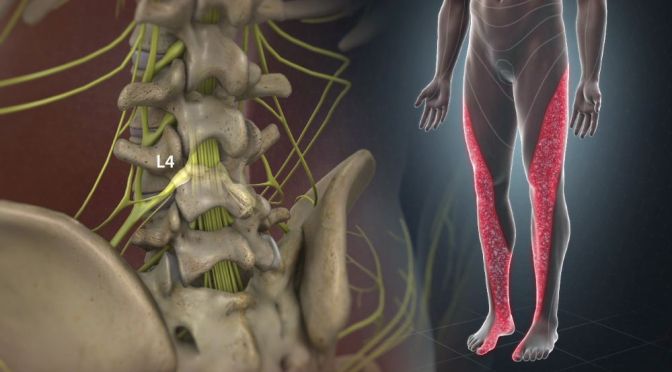
Back Pain: The Causes & Symptoms Of Sciatica
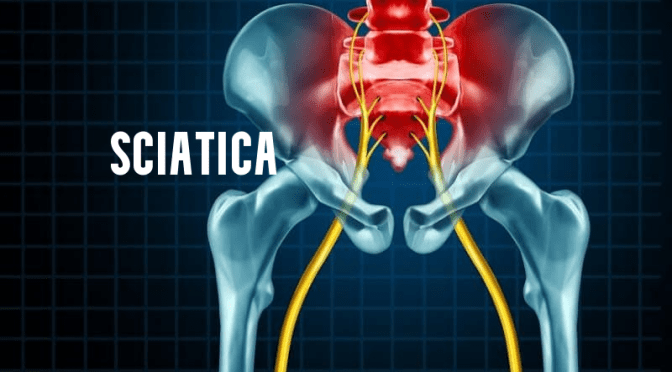
Sciatica refers to pain caused by the sciatic nerve that carries messages from the brain down the spinal cord to the legs. The pain of sciatica typically radiates down one side from the lower back into the leg, often below the knee. The most common cause is a bulging (“herniated”) disc in the lower back. Discs are tire-like structures that sit between the bones of the spine. If the outer rim of the disc tears, usually due to routine pressure on the lower back, the jelly-like inner material can come out and pinch or inflame the nearby nerve. Sciatica is most common in people 30 to 50.
How do you know if it is sciatica?
The key to diagnosing sciatica is a thorough history and a focused exam. Sciatica symptoms are often worse with sitting or coughing and may be accompanied by numbness or tingling in the leg. A physical exam can confirm that the sciatic nerve is involved. If there is muscle weakness or diminished reflexes in the involved leg, an imaging test such as a back MRI can be useful and help guide a decision for early surgery.
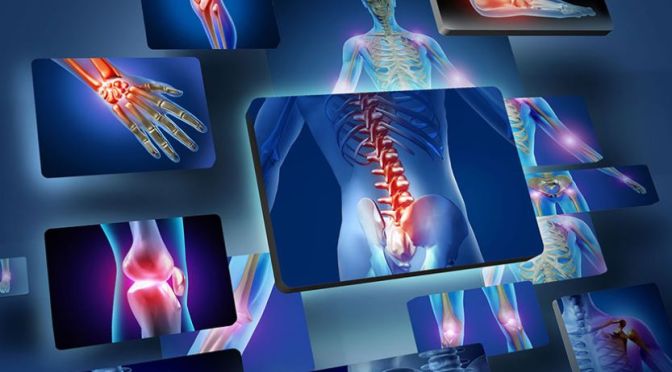
Health: Four Tests For Chronic Inflammation
These are four of the most common tests for inflammation:
- Erythrocyte sedimentation rate (sed rate or ESR). This test measures how fast red blood cells settle to the bottom of a vertical tube of blood. When inflammation is present the red blood cells fall faster, as higher amounts of proteins in the blood make those cells clump together. While ranges vary by lab, a normal result is typically 20 mm/hr or less, while a value over 100 mm/hr is quite high.
- C-reactive protein (CRP). This protein made in the liver tends to rise when inflammation is present. A normal value is less than 3 mg/L. A value over 3 mg/L is often used to identify an increased risk of cardiovascular disease, but bodywide inflammation can make CRP rise to 100 mg/L or more.
- Ferritin. This is a blood protein that reflects the amount of iron stored in the body. It’s most often ordered to evaluate whether an anemic person is iron-deficient, in which case ferritin levels are low. Or, if there is too much iron in the body, ferritin levels may be high. But ferritin levels also rise when inflammation is present. Normal results vary by lab and tend to be a bit higher in men, but a typical normal range is 20 to 200 mcg/L.
- Fibrinogen. While this protein is most commonly measured to evaluate the status of the blood clotting system, its levels tend to rise when inflammation is present. A normal fibrinogen level is 200 to 400 mg/dL.
Commentary:
Inflammation is an essential, evolutionarily conserved mechanism that our bodies have developed for excluding infections, toxins, and damaged or cancerous cells.
Acute inflammation in response to infections is almost always beneficial, except where it is disproportionate to the danger that it fights; the common cold is probably innocuous, but we develop symptoms from our bodies’ response. Covid has been found to incite disproportionately severe inflammation, which can lead to severe disease, and the need for corticosteroids.
Chronic inflammation is a different animal, and is usually undesirable. Sometimes it is due to an infection, such as tuberculosis, which won’t go away. Sometimes the bodies immune system develops a disordered communication system, and fights its own cells, called auto immunity.
Chronic inflammation can also be caused by obesity, chronic stress, cigarette smoking, alcohol in excess, and cancer, which can also be CAUSED BY chronic inflammation.
Chronic inflammation is also associated with Alzheimer’s, heart disease, rheumatoid arthritis, and type two diabetes. Asthma is a chronic inflammatory disease of the airways. IBD, inflammatory bowel disease, is a chronic inflammatory disease of the intestinal tract.
The symptoms of chronic inflammation very widely depending on the area involved. Abdominal pain, chest pain, joint pain, skin rashes, fatigue, and fever are some of the symptoms.
You can reduce your likelihood of chronic inflammation by maintaining normal weight, having regular exercise, eating a diet rich in natural vegetables and fruits (antioxidants), avoiding alcohol and cigarette smoke, and by reducing or handling your stress.
—Dr. C.
Intestines: Leaky Gut – Symptoms & Diagnosis
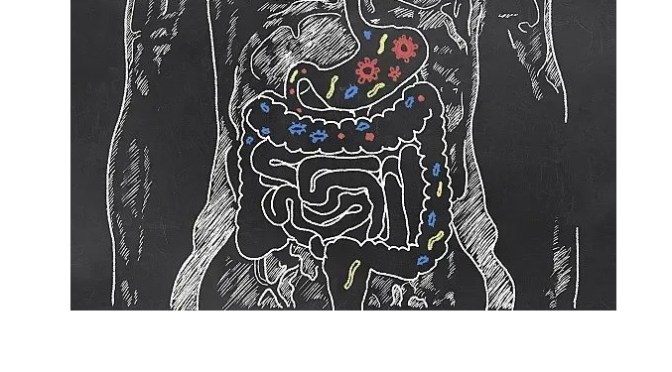
Inside our bellies, we have an extensive intestinal lining covering more than 4,000 square feet of surface area. When working properly, it forms a tight barrier that controls what gets absorbed into the bloodstream. An unhealthy gut lining may have large cracks or holes, allowing partially digested food, toxins, and bugs to penetrate the tissues beneath it. This may trigger inflammation and changes in the gut flora (normal bacteria) that could lead to problems within the digestive tract and beyond. The research world is booming today with studies showing that modifications in the intestinal bacteria and inflammation may play a role in the development of several common chronic diseases.
Blood Circulation: What Is Raynaud’s Phenomenon?
Raynaud’s phenomenon: Not just poor circulation
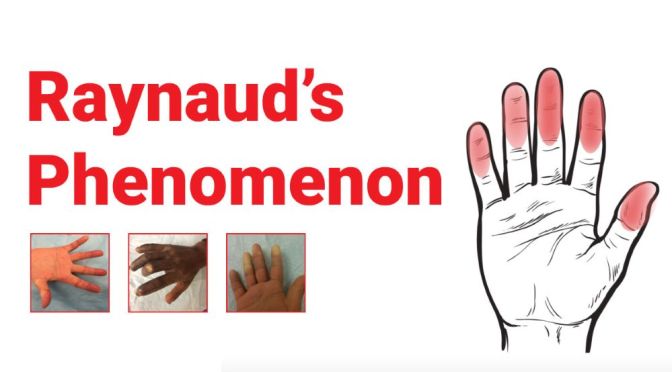
When you’re exposed to a cold environment, your body reacts by trying to preserve your core temperature. Blood vessels near the surface of your skin constrict, redirecting blood flow deeper into the body. If you have Raynaud’s phenomenon, this process is more extreme, and even slight changes in air temperature can trigger an episode, says rheumatologist Dr. Robert H. Shmerling, senior faculty editor at Harvard Health Publishing and corresponding faculty in medicine at Harvard Medical School.
“Cold weather is the classic trigger for Raynaud’s phenomenon. But it can occur any time of year — for example, when you come out of a heated pool, walk into an air-conditioned building, or reach into the freezer section at the supermarket,” he says. In addition to the hands, Raynaud’s can also affect the feet and, less often, the nose, lips, and ears. During an episode, the small arteries supplying the fingers and toes contract spasmodically, hampering the flow of oxygen-rich blood to the skin. Some of these vessels even temporarily collapse, and the skin becomes pale and cool, sometimes blanching to a stark white color.

Dementia: Progress In Treatments (Harvard)
The potential benefit of nonpharmacologic memory-boosting strategies in the mild stages
One study from a group of Boston researchers examined 32 individuals with mild memory problems, half with mild cognitive impairment and half with mild Alzheimer’s disease dementia. They found that both groups improved their memory by simply thinking about the following question when learning new information: “What is one unique characteristic of this item or personal experience that differentiates it from others?” Another study by Boston researchers found that 19 individuals with mild cognitive impairment could improve their ability to remember items at a virtual supermarket by simply thinking systematically about whether items were already in their cupboard before putting them in their shopping cart. Larger studies are needed, however, to determine if such memory strategies are generalizable.
Music, pets, robots, and the environment in the moderate to severe stages
Similarly, there are many nonpharmacological treatments that appear to provide comfort and reduce agitation in individuals with moderate to severe dementia, but larger and more rigorous studies are needed to prove or disprove their efficacy, and thereby promote more widespread utilization.
- A group of Portuguese clinicians and researchers reviewed more than 100 studies evaluating music-based interventions for people with dementia who had agitation or other behavioral and psychological symptoms of dementia, finding that the vast majority were efficacious with little or no side effects.
- A team of neurologists from Florida reviewed the effects of dog therapy and ownership, finding that both were safe and effective approaches to treat chronic and progressive neurological disorders.
- Other researchers found reductions in anxiety and psychoactive medication use when robot pets were given to individuals with dementia.
- A review of the built environment (the architecture of the home or facility) concluded that “specific design interventions are beneficial to the outcomes of people with dementia.”

Wearable Monitors: Heart Rate Variability Tracking
Back Pain: The Symptoms And Causes Of Sciatica
Most sciatica is caused by problems that affect the L4, L5, or S1 nerve roots. The nerve may be compressed or irritated, usually because it’s being rubbed by a disc, bone, joint, or ligament. The resulting inflammation makes the tissues and the nerves more sensitive and the pain feel worse.
Damage to or pinching of the sciatic nerve, or the nerves that feed into it, can have several causes.
Herniated disc
One of the most common causes of sciatica is a herniated disc in the lower part of the spine. It’s also called a slipped disc, though there’s no slipping going on.
Spinal discs are tucked between the vertebrae, where they act as cushions to keep the bones from touching one another. The discs absorb all the forces placed on the spine from walking, running, sitting, twisting, lifting, and every other activity we do. They also absorb forces from falls, collisions, and other accidents.
Spinal stenosis
The spinal canal protects the spinal cord and the nerves that run up and down the spine. Spinal stenosis is the narrowing of the spinal canal. When this occurs, nerves can be compressed, causing pain. Because the lumbar vertebrae undergo the most consistent stress and support the most weight, lumbar stenosis is the most common type of spinal stenosis.
Spondylolisthesis
The bones of the spine are stacked on top of one another, separated by discs. Spondylolisthesis occurs when one spinal bone slips forward in relation to the bone below it. When the L4 vertebra moves over the L5 vertebra, it can cause a kink in the spinal canal leading to pressure on a nerve root and sciatica.
Read more
 Doctors Without Waiting Rooms