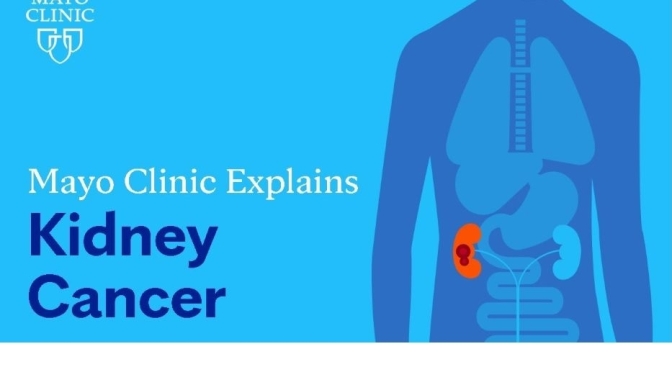
Learning about kidney cancer can be intimidating. Let our experts walk you through the facts, the questions, and the answers to help you better understand this condition.
Video timeline: 0:00 Introduction 0:23 What is kidney cancer? 1:11 Who gets kidney cancer? / Risk factors 1:45 Symptoms of kidney cancer 2:22 How is kidney cancer diagnosed? 3:21 Treatment options 4:40 Coping methods/ What now? 5:32 Ending
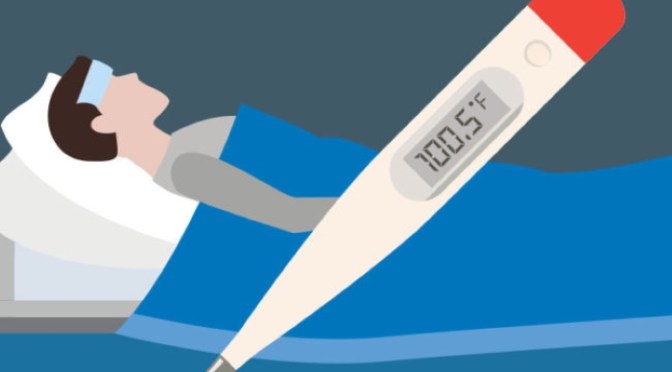
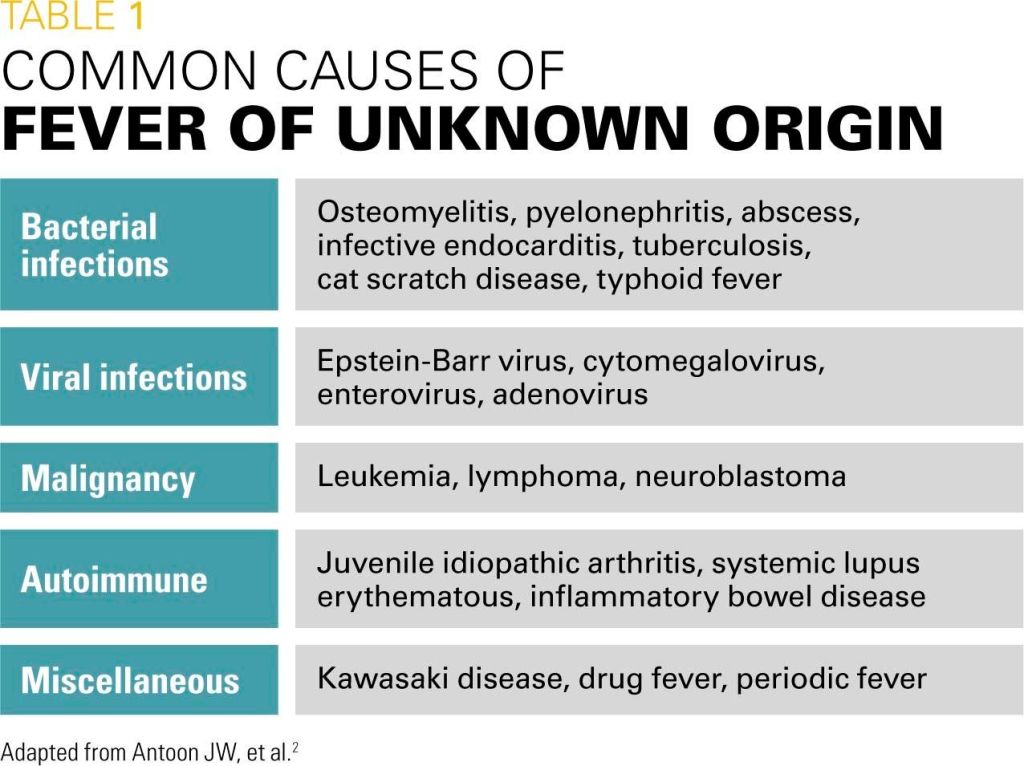
Fever is just one of the number of symptoms that accompany most infections such as Covid and influenza. When doctors can’t find a diagnosis for the fever, and it lasts for a few weeks, however, it is called fever of unknown origin, or FUO.
There are a bewildering number of illnesses that produce fever, and the mixture of these illnesses is different depending on geographic location, the type of hospital, and socioeconomic conditions.
Just like weight loss of unknown origin, or abdominal discomfort of unknown origin, fever without obvious cause is quite possibly be due to cancer in affluent America, and if you go in early you might have better outcomes with your treatment.
Fever has been known since earliest times, and was often considered a diagnosis on its own. In the past, the great majority of the fevers were infectious, and the outcome grave. In the mid 20th century, when I went to medical school, fevers were still mostly infectious. Antibiotics were the magic bullet, and were unfortunately overused. In underdeveloped countries, infections are still the most common cause, but in the developed world difficult to treat viral infections, autoimmune conditions, and cancer have been gaining in prominence.
When fever becomes excessive, and medication is needed, NSAIDS may be used, and works better on fever from infection than on fever from cancer. The take-home message for me is that if you use Naprosyn for a persistent fever, and isn’t effective, you might notify the doctor.
The motivation for me writing this article came from a very good posting in the New England Journal of medicine. They used a little humor, stating that modern FUO might be called “fever of too many origins”, what with all the indwelling catheters, implanted medical devices, shunts and long hospital stays. There is a separate category made for fever acquired in the hospital.
In people with AIDS, the evaluation is different depending on whether or not they are on treatment.
Tuberculosis is still a very common cause of fever.
Drugs are becoming increasingly responsible for troublesome fevers. In the early days of antibacterial therapy, sulfa was the only drug available, frequently caused fever. Now, sulfa is less used, and the penicillin derivatives are more common causes of fever.
If you have a fever, and have been traveling recently, be sure to tell the doctor. Your fever might be due to a tropical parasite such as malaria, particularly if you’ve been to West Africa.
Fever is an evolutionarily conserved body defense reaction and helps a person recover from an infection. The normal body temperature cycles according to the time of day; it is lowest first thing in the morning, and is higher later in the afternoon. The average body temperature used to be 37°C, or 98.6 F., but has been declining in recent decades, and is now about 36.5°C or 97.6°F. The use of electronic thermometers has cut down the amount of time needed to assess the body temperature, but added variability. I still prefer the old-fashioned thermometer.
Taking your temperature by whatever means you have available still remains a good idea when you don’t feel well.
The skin is The largest organ in the body. It certainly receives the largest amount of ionizing radiation from the sun, the most common cause of genetic mutation of cells of the skin. As you get older, these mutations build up, leading to an increasing number of skin cancers that need removal.
In my younger years, I had red hair and lots of freckles. Between the freckles I had a little pigmentation to protect me from the sun. The only sunscreen then available was a messy white paste called zinc oxide, and I resorted to it infrequently. I was out a lot playing tennis, hiking and camping, and even skied once or twice. I did wear hats a lot, especially as I got older and wiser, but still it is amazing I’m not having more trouble now.
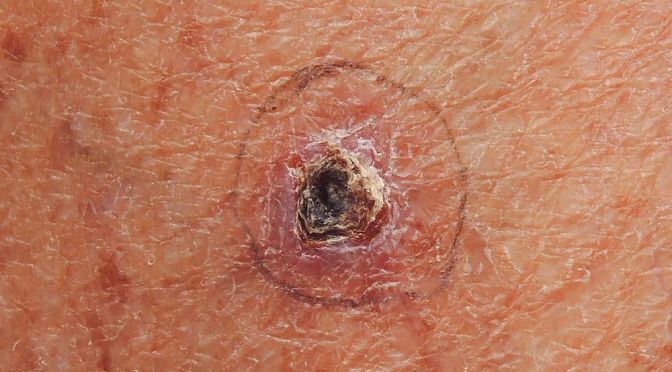
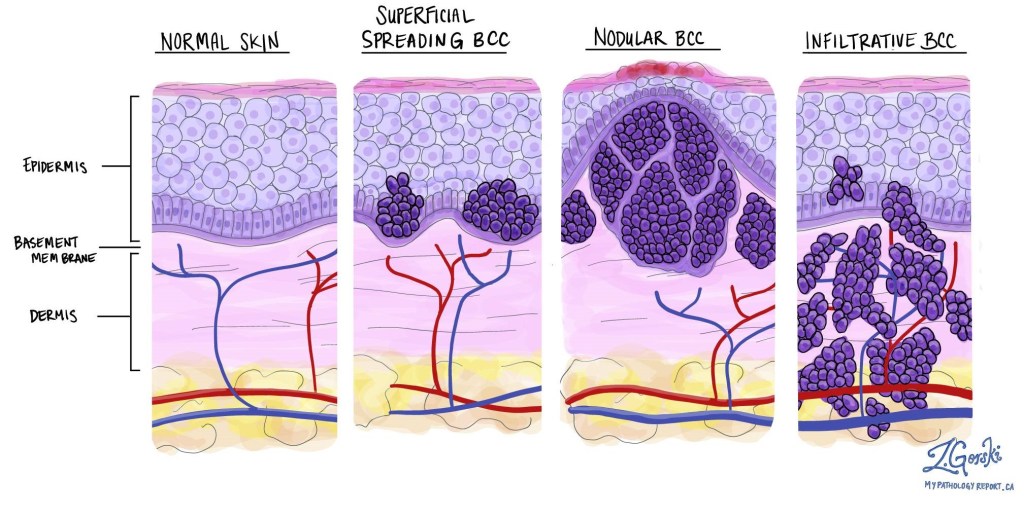
I go to the dermatologist every 3 to 6 months to get my actinic keratoses frozen off. These are the little patchy,rough irregularities in the skin that can grow into basal cell, and sometimes squamous cell cancer. I have had just one skin cancer, a basal cell, which I discovered when there was a patch on my chin that kept bleeding when I shaved. One of my classmates in medical school was a plastic surgeon, and kindly removed this lesion with a minimum of scarring.
Lots of doctors, usually Dermatologists, currently specialize in Mohs surgery, in which the basal cell cancer is gradually shaved off until its margins, the edge of the shaved biopsy, show no cancer.
The moral of the story is to avoid unnecessary ultraviolet exposure. Don’t go to tanning studios. If you must be in the sun, put on sunscreen, and wear a hat. Some would argue that if you stay out of the sun you will get vitamin D deficiency. It is true that vitamin D Is important, and I would recommend checking your blood vitamin D level every year or so. But would rather take my vitamin D in a capsule than get it from sun exposure.
Skin cancer is the most common form of cancer in the United States. The good news is, this disease is extremely treatable if caught early. Cleveland Clinic experts break down the 3 main types of skin cancer and how you can spot the signs of each.
Chapters: 0:00 Intro 0:24 What does skin cancer look like? 0:49 What are the signs of skin cancer? 0:59 What are the types of skin cancer? 1:06 What is basal cell carcinoma? 1:35 What is squamous cell carcinoma? 1:52 What is melanoma? 2:26 When should you talk to your doctor about skin cancer?
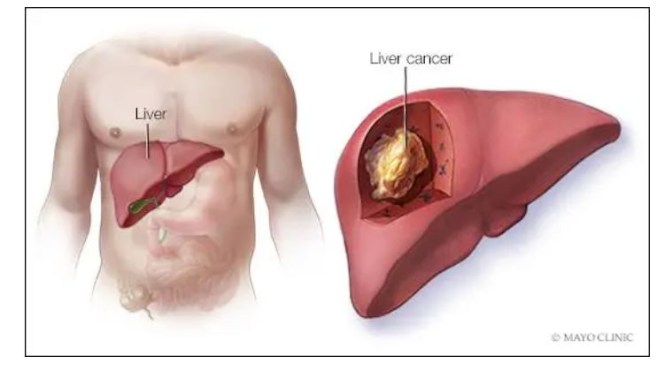
The National Cancer Institute estimates that more than 42,000 new cases of liver cancer will be diagnosed in 2021, representing 2.2% of all new cancer cases in the U.S. The most common type of primary liver cancer is hepatocellular carcinoma.
Other types of liver cancer, such as intrahepatic cholangiocarcinoma and hepatoblastoma, are much less common. “The vast majority of liver cancers — over 90% — occur in patients who have a chronic liver disease,” says Dr. Ilyas. “Cirrhosis, or advanced scarring of the liver, is the strongest risk factor for hepatocellular carcinoma.” Chronic infection with the hepatitis B or hepatitis C viruses also increases your risk of liver cancer.A wide range of treatment options for primary liver cancer are available. Which treatment is used depends on the stage of the disease. On the Mayo Clinic Q&A podcast, Dr. Ilyas discusses liver cancer diagnoses and treatment options, and the importance of prevention.
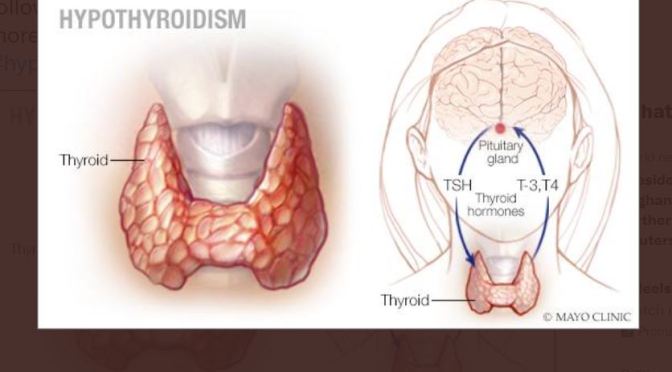
The TSH test is the best screening test for thyroid disorders, your doctor will likely check TSH first and follow with a thyroid hormone test if needed. Learn more about the diagnosis and treatment options for #hypothyroidism. https://t.co/JAzeIy1yIypic.twitter.com/xHAOzVcpLk
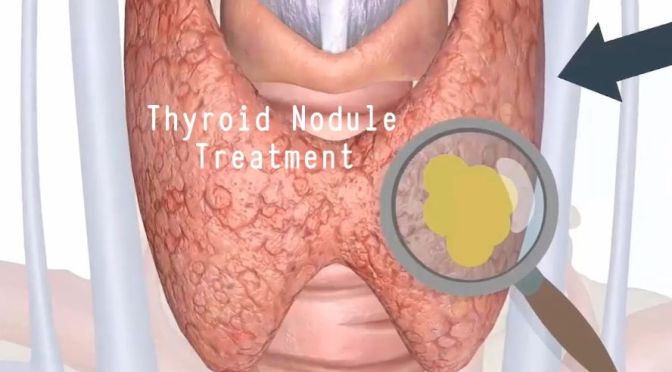
The Endocrine Surgery Program at Massachusetts General Hospital provides multidisciplinary, specialized treatment for thyroid nodules, a lump that commonly occurs in the thyroid. If you think that you may have a thyroid nodule, you should be evaluated by a physician. In this video, Sareh Parangi, MD, endocrine surgeon at Mass General, shares more about what to expect for diagnosis and treatment of thyroid nodules.
In this episode of the JIM Podcast, Editor-in-Chief Richard McCallum speaks with David Cistola of Texas Tech University Health Sciences Center El Paso about American Diabetes Month.
Empowering Patients Through Education And Telemedicine



 Doctors Without Waiting Rooms