Tag Archives: Colon Cancer

Colon Cancer Options: Intraoperative Radiation Therapy Vs Radiation

What is the difference between intraoperative radiation therapy and normal radiation? Is radiation a standard treatment option, or are there other approaches?

Mayo Clinic (March 28, 2023):

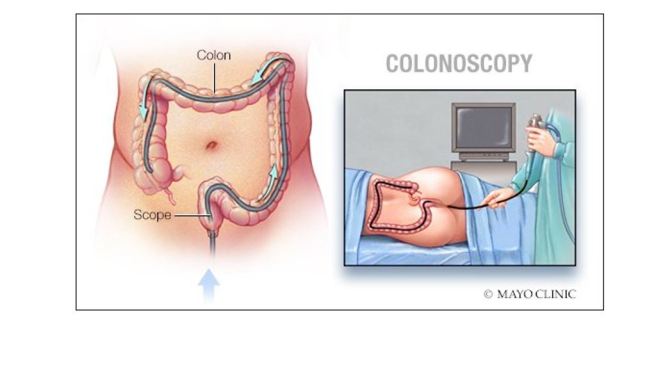
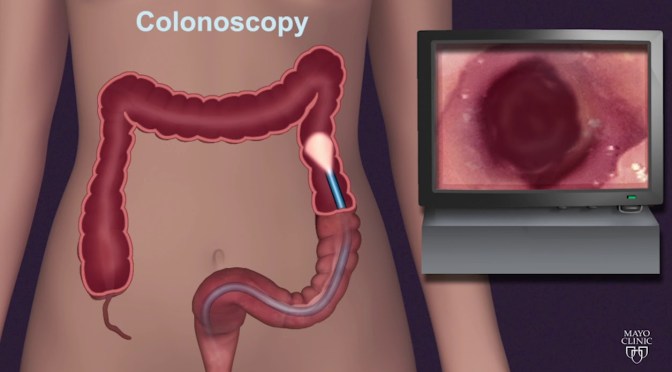
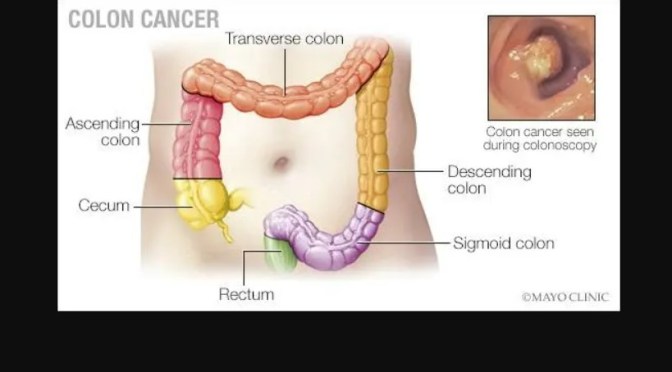
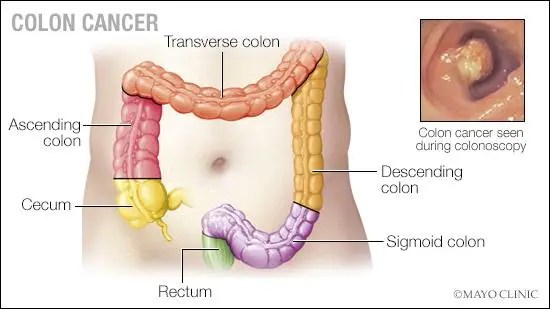
ANSWER: Colon cancer is one of the most common malignancies in the U.S., with more than 100,000 new cases diagnosed each year. Over a lifetime, it is estimated that 1 in 23 men and 1 in 26 women will be diagnosed with colon cancer. Typical colon cancers start as a polyp-like growth in the inside layer of the colon, which can be seen during a colonoscopy. Most cancer organizations recommend starting colonoscopy screenings at age 45.
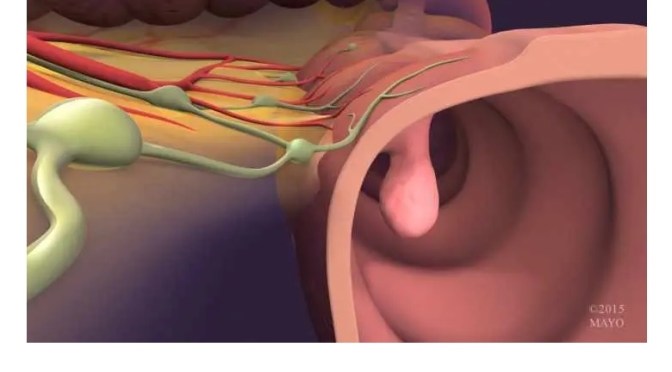
When the treatment team is concerned about achieving negative margins, or removing the entire tumor with an edge of normal tissue around the specimen, intraoperative radiation therapy may be considered. Intraoperative radiation therapy rarely is used for colon cancer, but, when necessary, the area of concern is directly targeted with a single fraction of radiation during surgery. 

When a mass is found during a colonoscopy or cancer is suspected, biopsies are taken and reviewed by a pathologist. In this scenario, most patients are asymptomatic. Without preventive colon cancer screenings, a tumor may grow to an advanced stage before it causes any symptoms that a patient or health care professional would recognize. The most common signs and symptoms of colon cancer are anemia, which may lead to fatigue; abdominal pain; blood in the stool or other bowel changes; weight loss; and signs of obstruction.

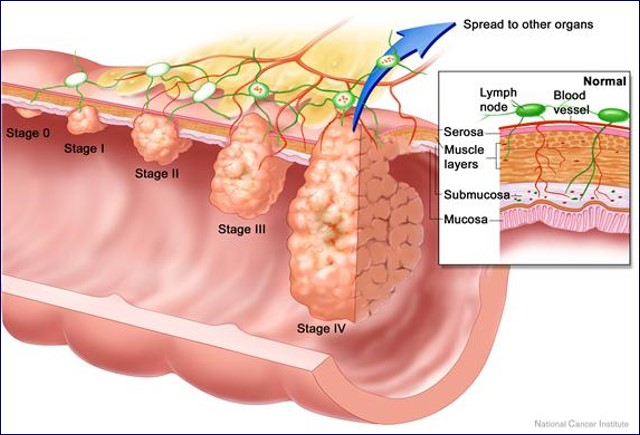
Once colon cancer is diagnosed, the next step is a staging examination. This involves a history and physical examination; blood work; confirmation that a full colonoscopy has been performed; and CT scans of the chest, abdomen and pelvis. The results of these tests will allow your health care professional to assign a clinical stage. In stages 1 and 2, the tumor remains in the colon wall with no evidence that it has spread further. With stage 3, there is concern that the tumor cells have spread to the regional lymph nodes, and in stage 4 colon cancer, the tumor cells have spread outside of the local area to other organs  most commonly the liver, lungs or peritoneum.

Surgery is the mainstay of treatment for stages 1, 2 and 3 disease and is usually the first step in the treatment process. The segment of the colon bearing the tumor is removed, along with the draining lymph nodes. The ends of the intestine are reconnected, and the specimen is sent to the pathologist who then performs a histologic examination of the colon and the associated lymph nodes. The pathologist will assign a final pathologic stage to the tumor, which will dictate the need for any additional treatment.
Precancerous Polyps: AI Reduces Screening Misses

Artificial intelligence reduced by twofold the rate at which precancerous polyps were missed in colorectal cancer screening, reported a team of international researchers led by Mayo Clinic. The study is published in Gastroenterology.

Diagnosis: Six Warning Signs Of Colon Cancer

Colon cancer is one of the most common cancers in people of all genders and the third leading cause of cancer-related deaths in the United States. It happens when the cells that line the colon become abnormal and grow out of control.

Chapters: 0:00 Intro 0:22 What is colon cancer? 1:00 6 warning signs of colon cancer 2:13 How are patients screen for colon cancer? 2:32 Who is at risk for colon cancer? 3:15 Is colon cancer treatable?

DR. C’S JOURNAL: CAUSES & SIGNS OF COLON CANCER

Colon cancer is one of the most common of all cancers, and one of the deadliest. Occurring out of sight in your intestinal tract, it often becomes advanced before it is first detected.

Any bowel symptoms, such as persistent diarrhea, constipation, or abdominal discomfort might be a warning symptom and indicate a trip to the doctor. Blood in the stools, either bright red or black and tarry, must be diagnosed. Unexplained weakness, fatigue, or weight loss might indicate cancer that is too far advanced for simple treatment, and of course requires a trip to the doctor.

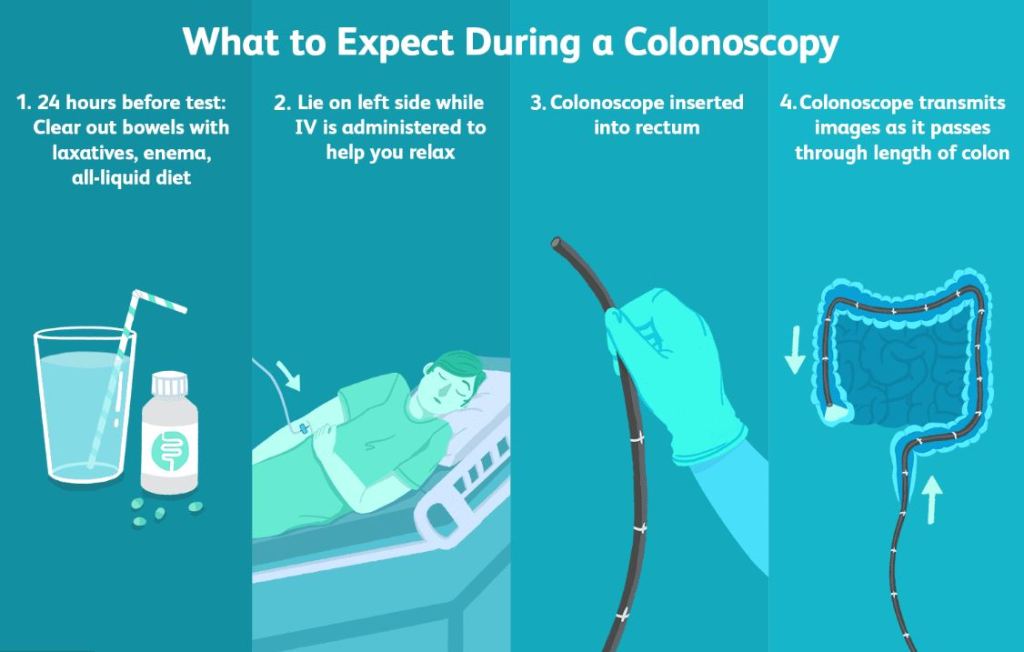
The most satisfactory way to pick up the cancer is by a screening test called a colonoscopy. A virtual colonoscopy by x-ray is also used, but it still requires the most uncomfortable part of the procedure, the preparation; The bowel must be washed out in order to properly visualize the cancer, or more likely pre-cancerous polyps or growths.

Due to the increase in frequency of colon cancer in young people, the age at which screening colonoscopy is medically advisable has been lowered from 50 to 45. A tendency to get colon cancer, or more commonly colon polyps, can run in families. These are best discovered by colonoscopy starting at an earlier age.

Increased age, or chronic inflammatory conditions such as ulcerative colitis can predispose to colon cancer.  If you eat a lot of junk food (low fiber diet), or a lot of fat, You may be more susceptible. If you have a sedentary lifestyle, diabetes, smoke  or drink alcohol, you may be more likely to develop this problem.

As usual, preventative measures are the best advice. Eating a lot of fruits, vegetables and whole grains might protect you. Exercising most days of the week and maintaining a healthy weight are good ideas. Limiting your alcohol and stopping smoking is always good advice.

I was a good boy and had colonoscopies every two years for a long time. I would have been happier had there been a blood test to pick up this dreaded disease. There are some simple tests like carcinoembryonic antigen, and a stool test for occult(hidden) blood, but these are not very accurate.

For treatment of colorectal cancer and other more complete information, please check with the following mayo clinic article.

—Dr. C.

Read more

Procedures: Preparing For A Colonoscopy (Mayo)

A colonoscopy is an exam used to detect changes or abnormalities in the large intestine, or colon, and rectum. It’s an important exam that’s performed to check for colon cancer. But some would agree that preparing for the colonoscopy is worse than the exam itself.

In this Mayo Clinic Minute, Dr. James East, a gastroenterologist at Mayo Clinic Healthcare in London, explains what patients will need to do to prepare for this exam and how to make it a little easier.

DR. C’S JOURNAL: BENEFITS OF COLONOSCOPIES OVER 50

Colonoscopy is good preventative medicine for everybody over the age of 50. A video was posted yesterday on colon cancer metastatic to the liver. Although this is treatable, metastatic colon cancer is a miserable condition, markedly lowering quality of life. You are much better off preventing colon cancer then having to deal with it, and in this sense, colonoscopy is a very good trade off.

Colonoscopy is no fun. You have to modify your diet well in advance, and take a magnesium citrate clean out in order to get rid of fecal matter that would prevent proper visualization of your colon. You should get your first colonoscopy at age 50 or earlier depending upon your family history of polyps, colon cancer, and other bowel problems.

In my own case, I had a number of colonoscopies, and nothing serious was discovered. I still think it is a very good idea. Although I never had a colon polyp or cancer discovered, I have recently, at the age of 89, developed bladder cancer of the slowly progressive and non-invasive kind.

The thought occurred to me that getting regular cystoscopies might catch bladder cancer at an earlier stage. I was told by an authoritative Physician that this has previously been tried and not proven to be useful. I also recommend going into a dermatologist regularly to remove actinic keratoses, which have the capability of developing into cancer. I believe you cannot be too vigorous with preventative therapy.

Interestingly, good sleep, diet and exercise are recommended in the prevention of colon cancer. Please refer to the mayo clinic article on colonoscopy for more information.

–Dr. C

Mayo Clinic article

MEDICINE: WHEN COLON CANCER SPREADS TO THE LIVER (MAYO CLINIC VIDEO)

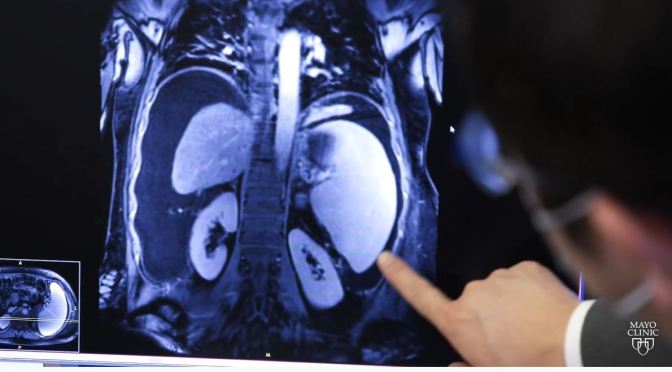
Colorectal cancer is a leading cancer among men and women around the world. Many colorectal cancers are likely to spread to other organs, with the most common site of metastases being the liver. In this Mayo Clinic Minute, Dr. Sean Cleary, a hepatobiliary and pancreas surgeon at Mayo Clinic explains what this means to patients.