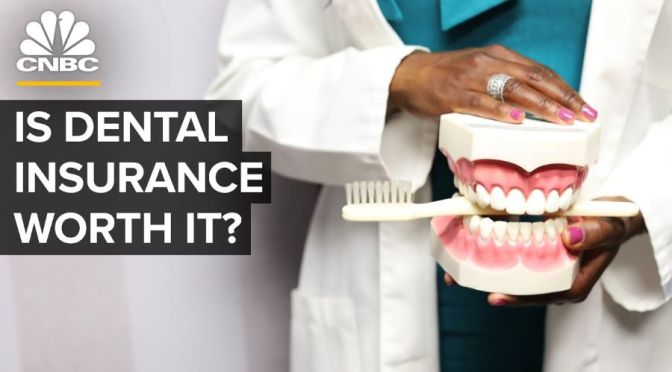
Americans have a tendency to avoid the dentist. More than 40% of Americans said they don’t see a dentist as often as they would like, according to a 2018 survey by the American Dental Association. Their number one reason for skipping visits is cost, even among those with dental insurance. Dental insurance policies can be confusing and difficult to use, making some Americans wonder whether dental insurance is worth investing in at all. Watch the video to find out to learn what it actually costs to go to the dentist, whether dental insurance is worth investing in and what patients and policymakers can do about it.
Video timeline: 0:00 – Introduction 1:42 – How dental insurance works 4:15 – Dental care costs 6:17 – Is dental insurance worth it? 9:49 – Solutions
Over a month and a half before the World Health Organization officially declared a pandemic, BioNTech CEO Uğur Şahin met with his wife, BioNTech’s co-founder and chief medical officer Özlem Türeci, and together they agreed to redirect most of the company’s resources to developing a vaccine. Up until that point, BioNTech was little-known internationally and primarily focused on developing novel cancer treatments. The founders were confident in the potential of their mRNA technology, which they knew could trigger a powerful immune response. That confidence wasn’t necessarily shared by the broader medical community. No mRNA vaccine or treatment had ever been approved before. But the couple’s timely breakthrough was actually decades in the making. CNBC spoke with Şahin and Türeci about how they, along with Pfizer, created a Covid-19 vaccine using mRNA.
COMMENTARY:
This commentary concerns a video showing aspects of the development of MRNA vaccines. It is all about Pfizer’s German partner, BioNtech, which manufactures the vaccine. They have produced the bulk of the worlds mRNA vaccines, due to Pfizer‘s great financial strength and experience in marketing.
Moderna, a wholly American company and by comparison a small fry, has also been doing decades of work with mRNA platform technology, mainly on cancer treatment.
With $800 million from the U.S. government, Moderna was able to scale up their manufacturing process and deliver a vaccine, approved by the FDA, shortly after Pfizer did so.
These vaccines were made possible by two technical advances. The first advance was in substituting pseudouridine for uridine in the mRNA, so that the target cells natural defenses would not destroy it. The second involves coating the mRNA with a nano size particle to get it into the target cell.
Each of these advances will probably receive a Nobel prize, and is an elegant example of the sophistication of modern biotechnology.
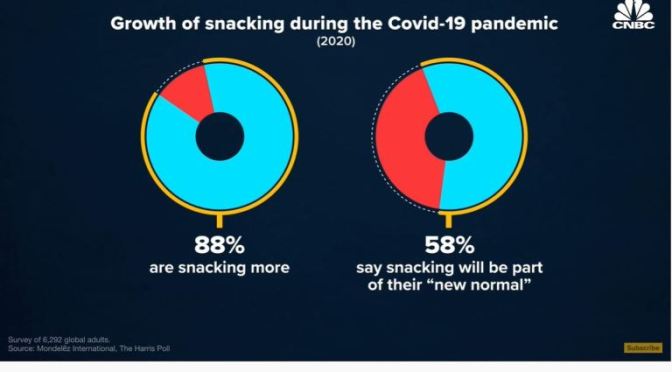
With Americans stuck at home, snack food has become a valuable commodity for the pandemic stressed consumer. North American sales of savory snacks like chips, popcorn, and pretzels climbed to $56.9 billion in 2020. In stressful times, people turn to snacking for comfort and Covid-19 has transformed kitchens across the U.S. into giant vending machines. So, has Covid-19 put an end to the shift to healthier snacks?
DR. C’S COMMENTS:
Snacking with its concomitant weight gain has increased with Covid. Of course Snacking didn’t originate with Covid, and it has long been common in Overweight people. Snacks are engineered to taste terrific, which means containing a lot of fat, sugar, and salt, easily be over done. Good nutrition is an afterthought to snack companies.
The Small volume of snacks, eaten frequently, Does not cause the satiation that comes with regular meals.
In my opinion, one of the major mechanisms by which TIME RESTRICTED EATING causes weight loss is by its prohibition of snacks. In the narrow window of time that you’re allowed to eat, you are hungry and eat regular food which tends to be of higher quality. Your stomach is full. You feel full and are not tempted to snack. Sugary drinks and snacks are bad for health.
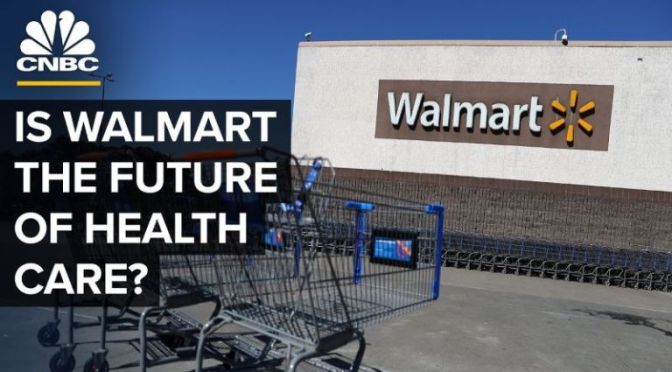
Walmart, America’s largest grocer, launched a primary care clinic called Walmart Health, in September 2019. Analysts say the big box retailer faces several hurdles in its quest to scale up nationally with a roster of highly paid doctors and dentists. But with more than 35 million people uninsured as of 2019, and millions more with high deductible health plans, could Walmart Health’s low price point be the future of healthcare in America?
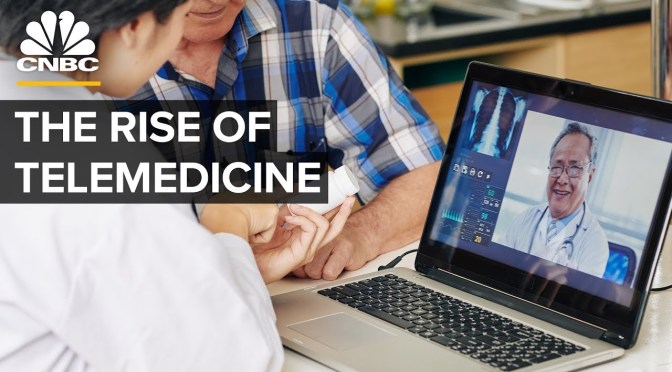
The coronavirus pandemic has overwhelmed hospitals, physicians and the medical community. That’s pushed telemedicine into the hands of providers and patients as the first response for primary care. Telemedicine isn’t new to the medical community, however it hasn’t been embraced due to insurance coverage, mindset and stigma. Here’s how it works and what it means for the future of health care.
COMMENTARY
The safety and convenience of Telemedicine have been amply illustrated by Covid 19. It’s place in the future of Medicine would seem to be assured.
Once the epidemic is over, however, some sticky details, waved away by fiat during the early days, must be addressed.
Will Payment parity be allowed by the Health insurance companies (And Medicare) be continued? Will cross-border Practice still be allowed by the states. Will more Doctors modernize? Will lawyers (and litigious patients) restrain themselves? Stay Tuned!
—Dr. C.
Empowering Patients Through Education And Telemedicine

 Doctors Without Waiting Rooms