

Tag Archives: Cleveland Clinic Videos

Bipolar Disorder: How It Is Diagnosed & Managed

Cleveland Clinic (April 6, 2023) – About 5.7 million adults in the U.S. have bipolar disorder. The lifelong mental health condition, which includes four different types, is known for the maniac and depressive episodes someone experiences.

Chapters: 0:00 Intro 0:26 What is bipolar disorder? 0:50 What does a manic episode feel like? 1:18 What does a depressive episode feel like? 2:00 How to manage bipolar disorder

What is bipolar disorder?

Bipolar disorder (formerly known as manic-depressive illness or manic depression) is a lifelong mood disorder and mental health condition that causes intense shifts in mood, energy levels, thinking patterns and behavior. These shifts can last for hours, days, weeks or months and interrupt your ability to carry out day-to-day tasks.

There are a few types of bipolar disorder, which involve experiencing significant fluctuations in mood referred to as hypomanic/manic and depressive episodes. However, people with bipolar disorder aren’t always in a hypomanic/manic or depressive state. They also experience periods of normal mood, known as euthymia.
READ MORE at Cleveland Clinic

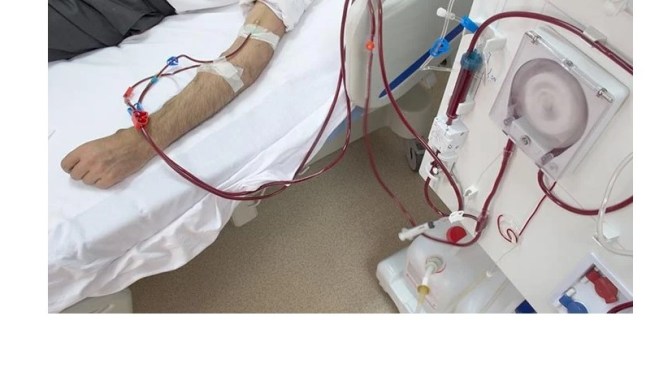
Kidney Failure Reviews: The History Of Dialysis

Cleveland Clinic (March 9, 2023) – Nephrologist Sevag Demirjian, MD takes you through the history of dialysis and explain discoveries and innovations along the way.

What is dialysis?

Dialysis is a treatment for people whose kidneys are failing. When you have kidney failure, your kidneys don’t filter blood the way they should. As a result, wastes and toxins build up in your bloodstream. Dialysis does the work of your kidneys, removing waste products and excess fluid from the blood.

Who needs dialysis?

People who have kidney failure, or end-stage renal disease (ESRD), may need dialysis. Injuries and conditions like high blood pressurediabetes and lupus can damage kidneys, leading to kidney disease.

Some people develop kidney problems for no known reason. Kidney failure can be a long-term condition, or it can come on suddenly (acute) after a severe illness or injury. This type of kidney failure may go away as you recover.

There are five stages of kidney disease. In stage 5 kidney disease, healthcare providers consider you to be in end-stage renal disease (ESRD) or kidney failure. At this point, kidneys are carrying out around 10% to 15% of their normal function. You may need dialysis or a kidney transplant to stay alive. Some people undergo dialysis while waiting for a transplant.

READ MORE

Medicine: Living Donor Liver Transplantation

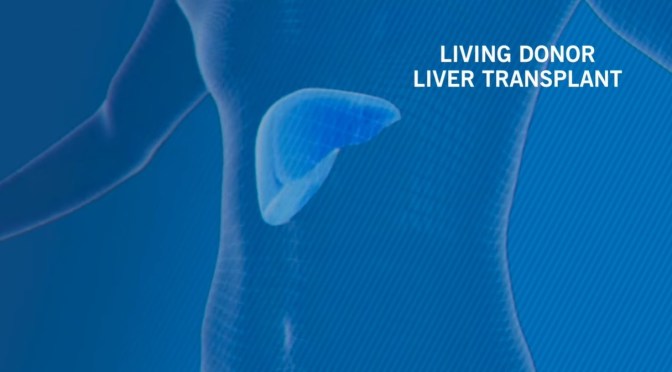
Cleveland Clinic – In living donor liver transplantation a portion of a donor’s healthy liver is transplanted into a recipient in need. Living donor liver transplantation is possible because the liver, unlike any other organ in the body, has the ability to regenerate (regrow). Most regeneration of both the donor’s and recipient’s livers occurs within the first 8 weeks.


All potential donors will undergo a complete medical and psychosocial evaluation. Not everyone is suitable or eligible to become a living liver donor based on a number of factors such as pre-existing medical conditions, psychosocial concerns, or liver size. Donating an organ is a personal decision that should only be made after becoming fully informed about its potential risks and benefits.

READ MORE

Diseases: What Is Tetanus? How Do You Get It? (Video)

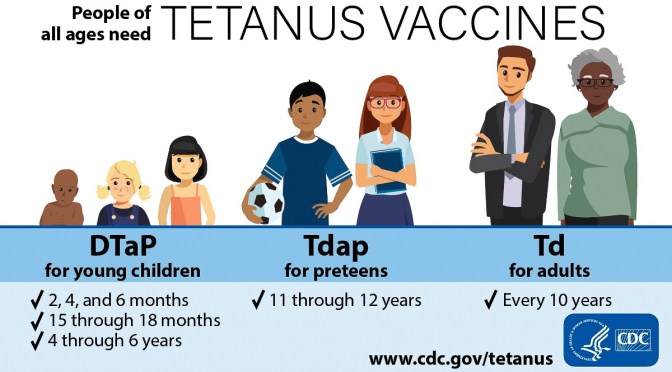
Tetanus is a serious disease with no cure. But it’s also highly preventable. This video explains what happens when tetanus enters your body, and why vaccination is so important.

Chapters: 0:00 What is tetanus? 0:30 How do you get tetanus? 1:15 What symptoms does tetanus cause? 2:16 Can it be prevented?

Resources: Tetanus (Lockjaw): Symptoms & Causes

Breast Cancer: Benefits Of An Early Mammogram

A women’s lifetime risk of developing breast cancer is one in eight. Research has shown that the earlier you detect breast cancer the more options there are for treatment and a better chance for a cure.

What is a mammogram?

A mammogram is a low-dose X-ray of breast tissue. Healthcare providers use mammograms, or mammography, to look for early signs of breast cancer before symptoms develop. This is called a screening mammogram. Providers also use mammography to look for any abnormalities if you develop a new symptom, such as a lumppain, nipple discharge or breast skin changes. This is called a diagnostic mammogram.

Aside from skin cancer, breast cancer is the most common cancer that affects people assigned female at birth and represents 14% of all new cancer diagnoses in the United States. While breast cancer treatment therapies continue to improve and have contributed to a reduction in cancer-related deaths, early diagnosis through screening mammograms has a greater overall impact on survival rates.

Read more

Diagnosis: The Signs And Symptoms Of Monkeypox

The World Health Organization recently declared monkeypox a global public health emergency – with cases being reported in many different countries, including here in the United States. Our expert explains what exactly the virus is, the symptoms and how it spreads.

For more information about monkeypox, please visit https://cle.clinic/3ABwZTH

Skin Cancer Removal: The Benefits Of Mohs Surgery

Mohs surgery is a highly effective skin cancer removal procedure that takes just a few hours. It is most often used to treat basal cell and squamous cell carcinomas, the two most common skin cancers.

Chapters: 0:00 How effective is Mohs Surgery? 0:23 When is Mohs Surgery used? 0:50 How does Mohs Surgery work? 1:55 Does Mohs Surgery cure skin cancer? 2:06 How long is the recovery period after Mohs Surgery?

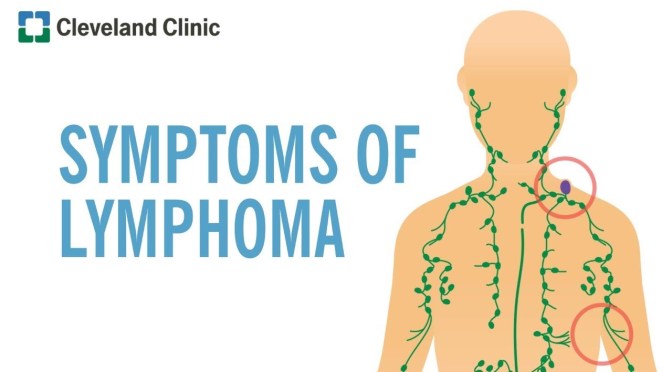
Cancer Diagnosis: The Symptoms Of Lymphoma

Knowing the symptoms of Lymphoma is essential for diagnosis and early treatment. Painless lumps near the lymph nodes, extreme fatigue, high fever and significant weight loss without a known cause are all signs to watch for.

Chapters: 0:00 Intro 0:15 Lymphoma overview 0:46 3 “b-symptoms” of lymphoma 1:09 Other warning signs of lymphoma 2:11 When to contact your healthcare provider

Read more

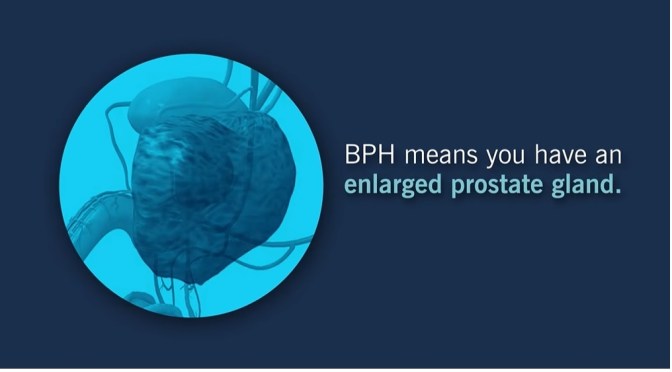
Medicine: BPH – Benign Prostatic Hyperplasia

Benign prostatic hyperplasia is the most common condition that affects the prostate gland. While it can make things quite uncomfortable for those who are living with it, BPH is noncancerous and treatable. Learn more about it in this helpful video from Cleveland Clinic.

Chapters: 0:00 Intro 0:16 What is BPH? 1:11 What are common symptoms of BPH? 1:58 What causes BPH and who is most affected? 2:25 Does having BPH mean you have prostate cancer? 2:50 Why you should talk to your healthcare provider

Lymphoma: Its Types And Causes (Cleveland Clinic)

Lymphoma is a cancer of the lymphatic system – our body’s immune system. The two main types of lymphoma are Hodgkin and non-Hodgkin. In this video, we break down how both types of lymphoma begin and the differences between them.

Chapters: 0:00 Intro 0:15 What are lymph nodes? 0:40 What is a cell mutation? 0:52 What is lymphoma? 1:15 What is the difference between Hodgkin and Non-Hodgkin lymphoma? 1:28 What are common symptoms of lymphoma?

Read more