Tag Archives: BMJ

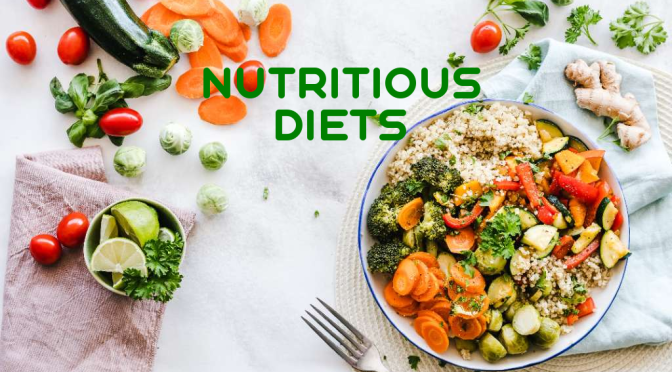
OPINION: THE BENEFITS OF HIGHLY NUTRITIOUS DIETS

Vitamins and minerals, as we all know, are of critical importance to our health. Gone are the days when scurvy(vitamin C) was the scourge of the high seas, and rickets (vitamin D) was common in the children of smoke-filled industrial cities with insufficient sunlight.

We are in a state of such overabundance that many medical authorities feel that vitamin supplementation merely makes our toilets healthier.

Covid 19, with a deficit of prevention and treatment options, has forced a new appreciation of the role of our immune systems in fending off Covid, and future viral plagues that are certain to follow. Optimum Health has never been more important.

A May 4, 2020, British Medical Journal (BMJ) article highlights the role of vitamins C and D, and minerals, especially Zinc, in functioning of our immune systems. Here are several highlights from the article:

  • Foods that are naturally abundant in vitamin C such as broccoli (60 mg/100 g), blackcurrants (130 mg/100 g), fortified breakfast cereals (up to 134 mg/100 g) and oranges (37–52 mg/100 g)45  should be made accessible to older individuals who are most in need of their nutritional benefits.
  • In the UK 5.5% of men and 4% of women 65 years and over (around 1 in 20) presently have zinc intakes lower than the lower reference nutrient intake (the level below which deficiency could occur).46 The consumption of foods naturally abundant in zinc such as canned crab (5.7 mg/100 g), canned shrimps (3.7 mg/100 g), canned adzuki beans (≈2.3 mg/100 g) and boiled eggs (1.3 mg/100 g) should be encouraged as a supplementation strategy to reinforce immunity.
  • Tolerable upper intake levels (ULs) are intake levels which should not be surpassed as toxicity problems could appear.47 For vitamin D a UL of 50 µg/day is advised and for zinc a UL of 25 mg/day is recommended. 47 There is insufficient evidence to establish UL for vitamin C, but available human data suggest that supplemental daily doses of up to about 1 g, in addition to normal dietary intake, are not associated with adverse gastrointestinal effects.47 Not having an adverse effect, however, is not necessarily indicative of a benefit either, and ongoing trials are warranted.
  • Among those with established respiratory conditions or pneumonia, specific nutrients such as vitamin C, D or zinc could be considered as potential adjuvants to conventional treatment pathways.

Susceptible people, particularly the old, should use every safe measure to stay well.
– Dr. C

Read full article

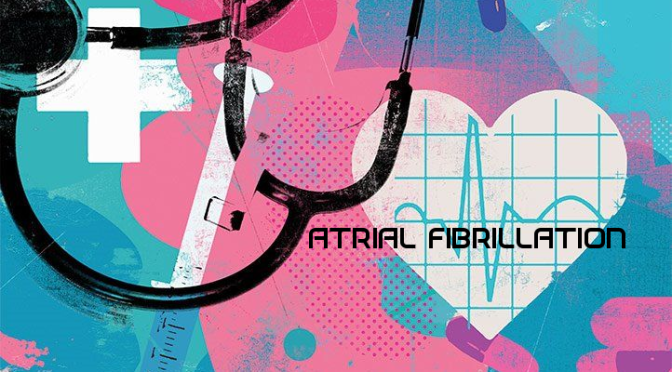
CARDIOLOGY PODCAST: “ATRIAL FIBRILLATION – A COMPREHENSIVE OVERVIEW”

Atrial fibrillation is chaotic and irregular atrial arrhythmia, the prevalence of which increases progressively with age. It causes significant morbidity and death. Many patients are asymptomatic or have symptoms that are less specific for cardiac arrhythmias, such as mild dementia or silent strokes. 

Gregory Lip, Price-Evans Chair of Cardiovascular Medicine, University of Liverpool, gives us an overview of the condition.

Read more on Atrial Fibrillation at BMJ

TELECONSULTING: “DEEP BREATH IN” – THE BMJ LAUNCHES A NEW PODCAST

The BMJ’s new podcast aims to help doctors feel more connected, heard, and supported

“Deep breath in … and out. Again, deep breath in … and out.”

We tune in to patients’ breath sounds, seeking confirmation of a diagnosis—one more supporting piece of evidence to reassure anxious patients or to narrow the differential.

But since the SARS-CoV-2 pandemic arrived, saying “deep breath in” has been replaced by the need to take one ourselves: before looking at the morning news, before venturing out (or logging on) to work each morning, and before ringing the next patient on your list with the ominous note alongside their name: “fever and cough for a week, now feeling breathless.” Although chosen in what seems like a different era, the name for The BMJ’s new podcast for general practitioners—Deep Breath In—seems fitting for our troubled times.

Rebooting general practice

Before anyone in Wuhan fell ill, GPs had already been feeling the strain. In the UK, despite government promises of 5000 new practising GPs by 2020, there were 6.2% fewer full time equivalent GPs in 2019 than in 2015.1 Similarly, physicians in the US have been compensating for an estimated shortfall of some 14 500 primary care doctors since 2017.2 Recent attempts to take the strain off GPs in England by funding allied health professionals have faltered because of onerous new demands on fledgling primary care networks.3 Turning it off and switching it back on again is often the only thing that works when your computer grinds to a halt. Perhaps coronavirus will do the same for primary care.

Read more

COMMENTARY

Primary Care Physicians are a vanishing species [1]. This is unfortunate, since PCPs are the only doctors who attend the whole field of Medicine (have you ever asked an orthopedist about your cough?).

However, some of the slack is being taken up by Nurse Practitioners [2] and Physicians Assistants [3].

If you know a retired Internist or Family Practice Physician, be sure to cultivate a friendly relationship (and give them a hug when the Covid 19 epidemic cools off). They might be inclined to be that greatest of all Medical Resources- the Patient Advocate [4].

—Dr. C.