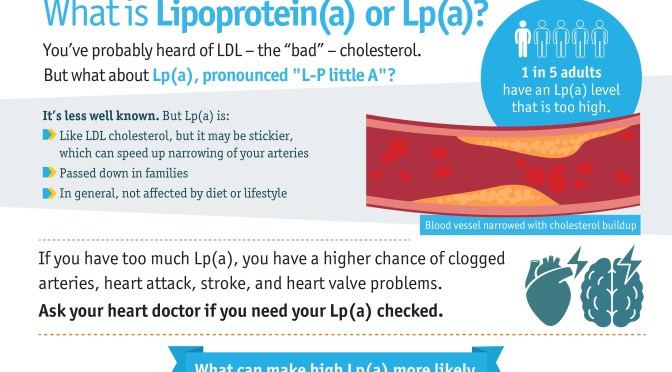
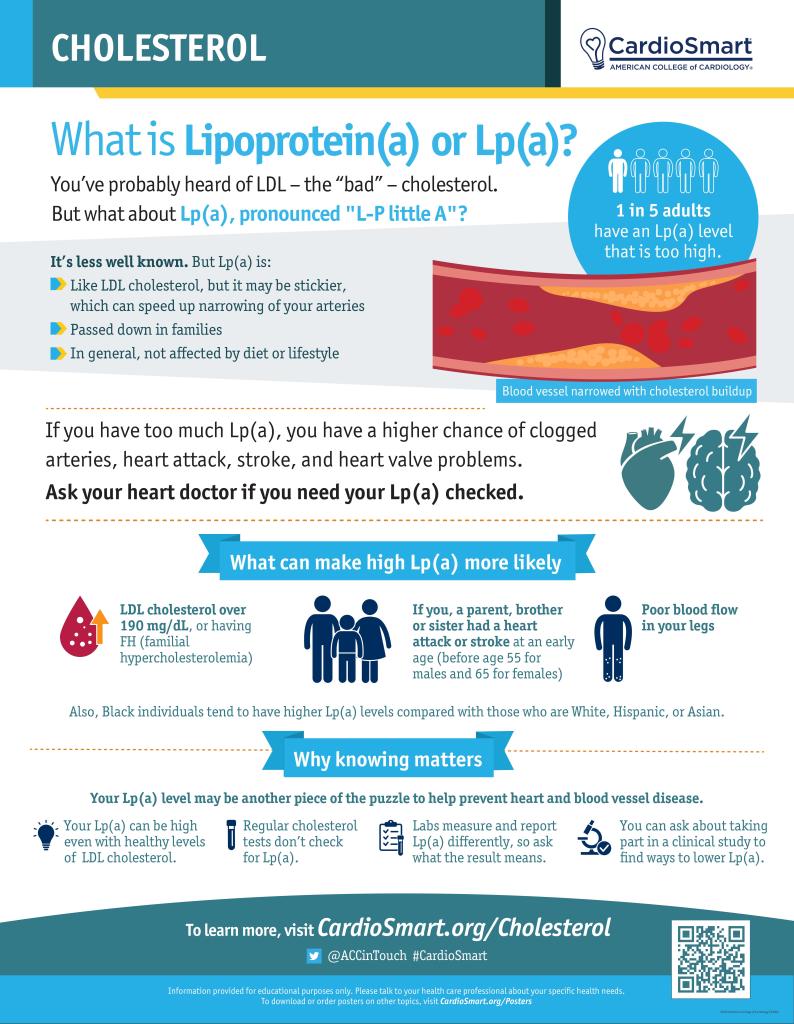
Lp(a), pronounced “L-P little A” is like LDL cholesterol, but stickier, which can speed up narrowing of your arteries. If you have too much Lp(a), you have a higher chance of clogged arteries, heart attack, stroke, and heart valve problems.

Lp(a), pronounced “L-P little A” is like LDL cholesterol, but stickier, which can speed up narrowing of your arteries. If you have too much Lp(a), you have a higher chance of clogged arteries, heart attack, stroke, and heart valve problems.
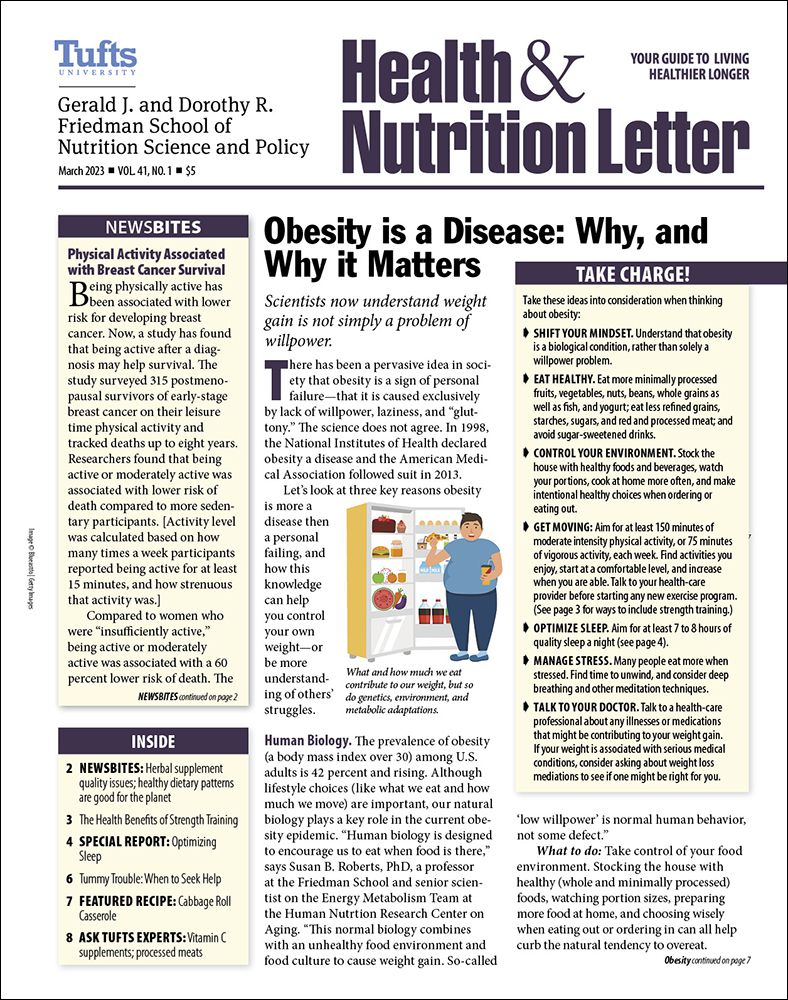

Tufts Health & Nutrition Letter (March 2023):

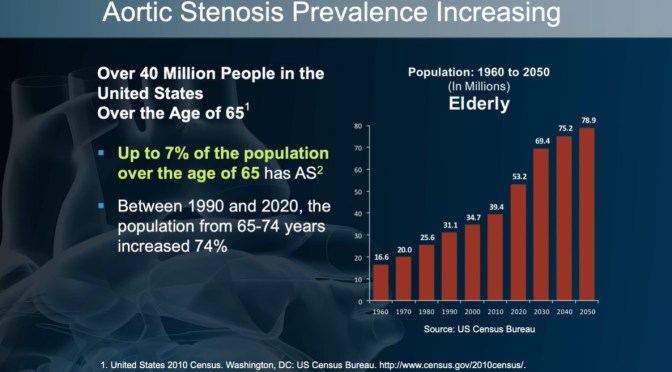
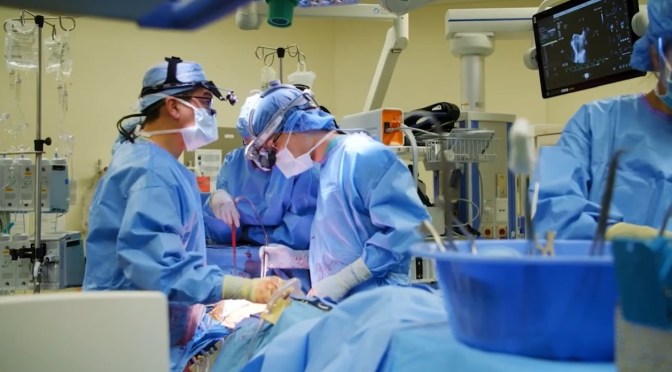
Video timeline: 0:00 Introduction 0:21 Transcatheter Aortic Valve Replacement (TAVR) 4:39 Left Atrial Appendage Occlusion 7:00 Transcatheter Management of Mitral and Tricuspid Valve Disease
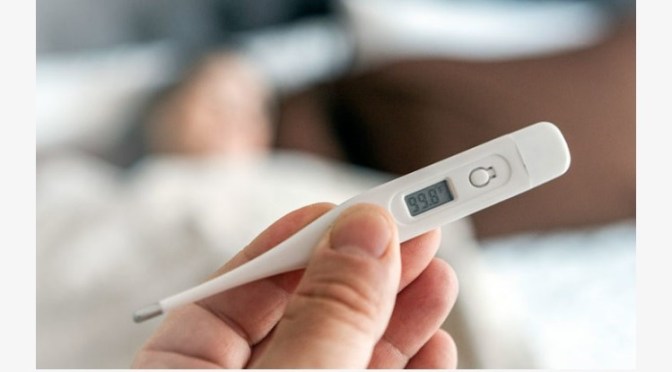
Your “normal” body temperature changes throughout your life. It often rises from childhood into adulthood before dipping during the later years of life.

The typical body temperature range for children between birth and 10 years old goes from 95.9 F (35.5 C) to 99.5 F (37.5 C). This would be a temperature measured through an oral reading.
The typical body temperature range for people ages 11 to 65 is 97.6 F (36.4 C) to 99.6 F (37.6 C).
The typical body temperature range for people older than 65 is 96.4 F (35.8 C) to 98.5 F (36.9 C).
A temperature that’s higher than 100.4 F (or 38 C) is considered a fever, and it’s usually something you should bring to your doctor’s attention — especially if it lingers for more than two days, Dr. Ford says.
Oftentimes, a fever is your body’s reaction to an infection or virus (like influenza). A fever itself doesn’t require any specific treatment, other than trying to bring the temperature down for your comfort.
Persistent low-grade or high-grade fevers could signal that something else is going on in your body. A number of medical conditions, including hyperthyroidism and other endocrine disorders, can raise your body’s core temperature.
A weekly podcast on the latest medical, science and telehealth news.


“The gut is a masterpiece of biological complexity.”
In a new paper published in Gut Microbiome, an Open Access journal from Cambridge University Press and The Nutrition Society, Professor Hannelore Daniel discusses how the physiology of the gut is a missing link in efforts to connect the gut microbiome to human health.
“Gut physiology meets microbiome science” Gut Microbiome, Cambridge University Press, Volume 4 , 2023 , e1. DOI: https://doi.org/10.1017/gmb.2022.10
Access the paper here: http://bit.ly/3I4BAAA
A weekly podcast on the latest medical, science and telehealth news.

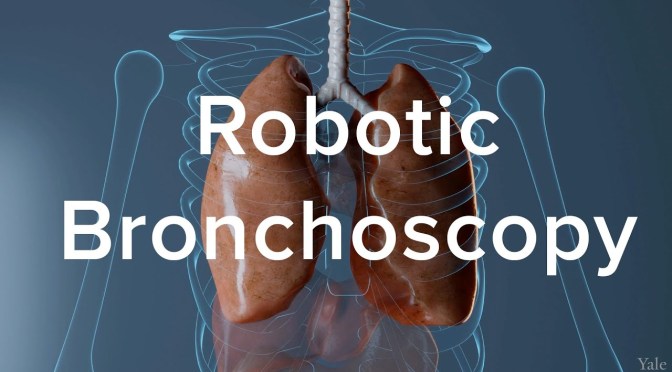
Early diagnosis and treatment often lead to better outcomes. A diagnosis of lung cancer often begins when a chest X-ray or computed tomography (CT) scan shows a nodule—an area of abnormal tissue—in the lungs. If the nodule is suspicious or grows over time, doctors will perform a biopsy to collect a tissue sample that can be tested for the presence of cancer cells. Bronchoscopy is a widely used procedure for biopsying lung nodules.
In traditional bronchoscopy, a doctor manually guides a thin tube, called a bronchoscope, into the patient’s mouth or nose, down the throat, past the vocal cords and windpipe, and into the passageways of the lungs. The bronchoscope is equipped with a light, camera, and biopsy tools that allow doctors to visually examine and biopsy nodules. But robotic bronchoscopy is different. Like traditional bronchoscopy, it’s a minimally invasive procedure that allows doctors to biopsy nodules in the lungs.
The difference is that in robotic bronchoscopy, the doctor uses a controller at a console to operate a robotic arm. The robotic arm guides a catheter—a thin, flexible, and maneuverable tube equipped with a camera, light, and shape-sensing technology—through the patient’s airways. The robotic arm’s precise movements enable doctors to accurately direct the catheter around tight turns in the airways and into the hard-to-reach areas of the lungs. This means doctors can examine and biopsy suspicious nodules—and potentially detect cancer—in parts of the lungs that may be inaccessible with traditional bronchoscopy.
What’s more, the procedure is safe—serious complications are rare—and recovery is usually quick. “As part of the comprehensive Thoracic Oncology Program, we are now able to offer patients the option of robotic bronchoscopy,” says Yale Medicine interventional pulmonologist Christopher Morton, MD. “This technology will allow us to biopsy lung nodules and masses with improved accuracy and fewer side effects, in addition to lymph node biopsies that we already do. This will get patients diagnosed and referred to the appropriate treating physician quicker.”




 Doctors Without Waiting Rooms