DR. C’S JOURNAL: TIMING IN HEALTH AND MEDICINE

Timing is important in everything we do, and of course is important to health and how our bodies function.  It is a vast subject, and the only thing I can do here is to give you some ideas that might be helpful.

Your body will perform best for you if you have a daily routine; waking up at the same time every morning, and going to bed at the same time every evening keeps your circadian rhythm from getting confused. Of course, getting a good nights sleep is excessively important to your health. If you have trouble going to sleep at night or staying asleep, you can get all kinds of information over the Internet on “sleep hygiene”.
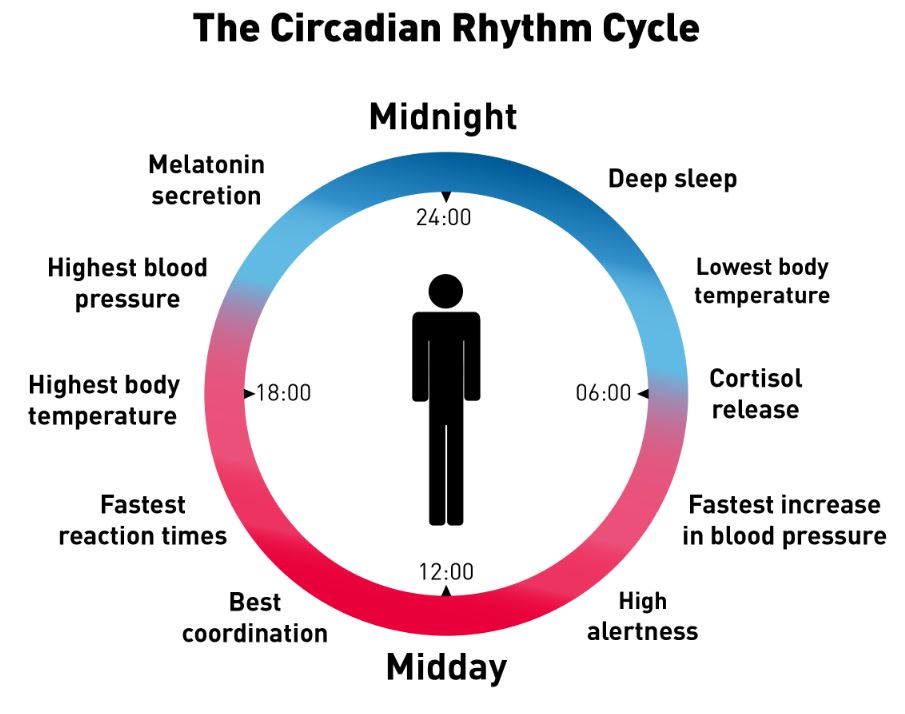
If you are an international traveler, jet lag is very important because the circadian rhythm is disrupted when you change time zones. The Internet is a rich source of information on how you might or rapidly get back into your routines. Timing of bright light and melatonin are involved.

Your metabolism also has a routine, and drugs work by targeting certain receptors, which cycle, depending on when their function is needed. “ Chronopharmacology” is a slowly developing science that will someday-if doctors, perhaps with electronic help, can ever get enough time to properly take care of the patients- be very important. As an example, certain cancer therapies vary significantly in their effects, depending upon the time of day they are given.

When I was a practicing Allergist, I took care of many Asthma patients. In the 60s and 70s there were few drugs to treat asthma, which is predominantly a nighttime disease. Giving medications, such as Theophylline, at the right time was therefore very important.

Finally, if you have any choice, you might arrange for your surgery during the first half of the day. Surgeons make less errors in the morning, when their minds are well rested.
—Dr. C.

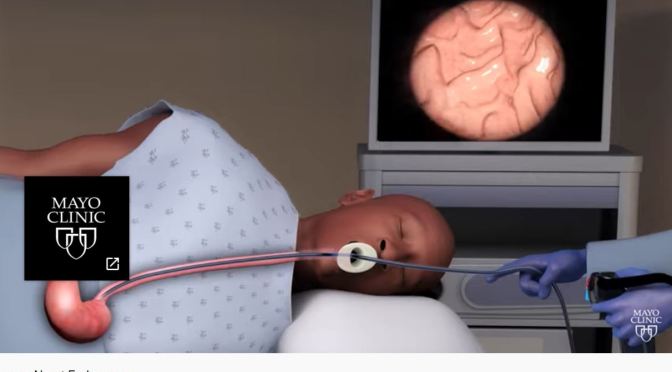
Procedures: Endoscopy Of Stomach & Intestine

An endoscopy allows your doctor to view your esophagus, stomach and part of the small intestine. Here’s how it works.

An endoscopy procedure involves inserting a long, flexible tube (endoscope) down your throat and into your esophagus. A tiny camera on the end of the endoscope lets your doctor examine your esophagus, stomach and the beginning of your small intestine (duodenum).

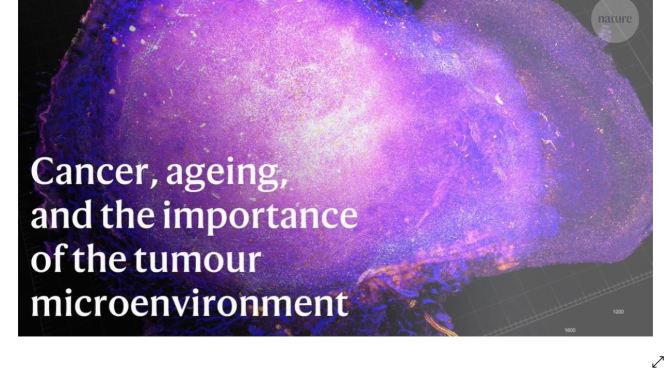
Cancer: Aging & Tumor Microenvironments

Professor Ashani Weeraratna has been studying the cancer microenvironment in her lab for the past 17 years. Taking into account that the tissues in our bodies change as we age is important when researching cancer biology. She hopes that gaining a better understanding of how the growth of cancer cells is affected by their direct cellular ‘neighbourhood’, especially when we age, could be key to developing better treatments for patients with cancer. Read more in

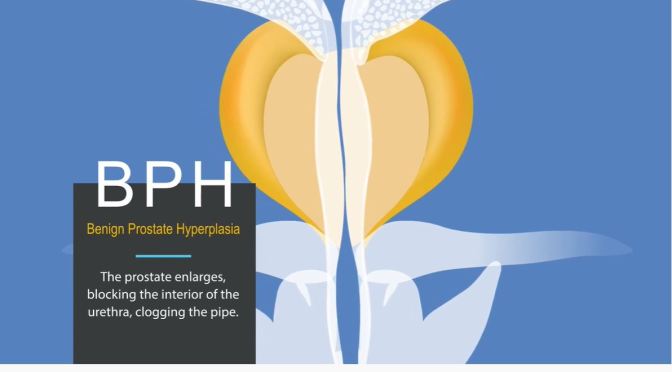
Medicine: What Causes Urinating Issues? (Video)

Trouble Urinating? There are many common causes for urinary issues in men. Learn about symptoms and treatment options offered by The Johns Hopkins Brady Urological Institute. https://www.hopkinsmedicine.org/brady…

Technology: Robotically Assisted Heart Surgery

Robotically assisted heart surgery is a minimally invasive option most often used for mitral valve repair. Cleveland Clinic cardiothoracic surgeons explain how it works and what to expect.

Read more

Telehealth: Government & Regulatory Issues (Video)

In response to the COVID-19 pandemic, governments across the United States relaxed restrictions on telemedicine, allowing more patients to receive healthcare remotely than ever before. This development brought a number of questions about how telehealth should be regulated to the fore. Is remote care as effective as in-person care? Would long-turn expansion of telemedicine reduce costs for patients and healthcare providers? Might a greater reliance on telehealth actually reduce access to care for some patients?

HEALTH: HOW DEPRESSION AFFECTS THE BRAIN (YALE)

For many people, depression turns out to be one of the most disabling illnesses that we have in society. Despite the treatments that we have available, many people are not responding that well. It’s a disorder that can be very disabling in society. It’s also a disorder that has medical consequences.

By understanding the neurobiology of depression we hope to be able more to find the right treatment for the patient suffering from this disease. The current standard of care for the treatment of depression is based on what we call the monoamine deficiency hypothesis. Essentially, presuming that one of three neurotransmitters in the brain is deficient or underactive. But the reality is, there are more than 100 neurotransmitters in the brain. And billions of connections between neurons. So we know that that’s a limited hypothesis. Neurotransmitters can be thought of as the chemical messengers within the brain, it’s what helps one cell in the brain communicate with another, to pass that message along from one brain region to another. For decades, we thought that the primary pathology, the primary cause of depression was some abnormality in these neurotransmitters, specifically serotonin or norepinephrine. However, norepinephrine and serotonin did not seem to be able to account for this cause, or to cause the symptoms of depression in people who had major depression. Instead, the chemical messengers between the nerve cells in the higher centers of the brain, which include glutamate and GABA, were possibilities as alternative causes for the symptoms of depression. When you’re exposed to severe and chronic stress like people experience when they have depression, you lose some of the connections between the nerve cells. The communication in these circuits becomes inefficient and noisy, we think that the loss of these synaptic connections contributes to the biology of depression. There are clear differences between a healthy brain and a depressed brain. And the exciting thing is, when you treat that depression effectively, the brain goes back to looking like a healthy brain, both at the cellular level and at a global scale. It’s critical to understand the neurobiology of depression and how the brain plays a role in that for two main reasons. One, it helps us understand how the disease develops and progresses, and we can start to target treatments based on that. We are in a new era of psychiatry. This is a paradigm shift, away from a model of monoaminergic deficiency to a fuller understanding of the brain as a complex neurochemical organ. All of the research is driven by the imperative to alleviate human suffering. Depression is one of the most substantial contributors to human suffering. The opportunity to make even a tiny dent in that is an incredible opportunity.

Empowering Patients Through Education And Telemedicine