THE DOCTORS 101 CHRONIC SYMPTOMS & CONDITIONS #55: ALOPECIA (HAIR LOSS)

Alopecia is the medical term for baldness. The word has an interesting linguistic  derivation, and comes from the Greek word Alopex, meaning fox. Foxes in Hippocrates time apparently were afflicted by hair loss from mange.

Men and women have different kinds of hair loss. In men, there is the receding hairline with age. As women age, there’s some thinning of the hair generally, and at the top of the head.
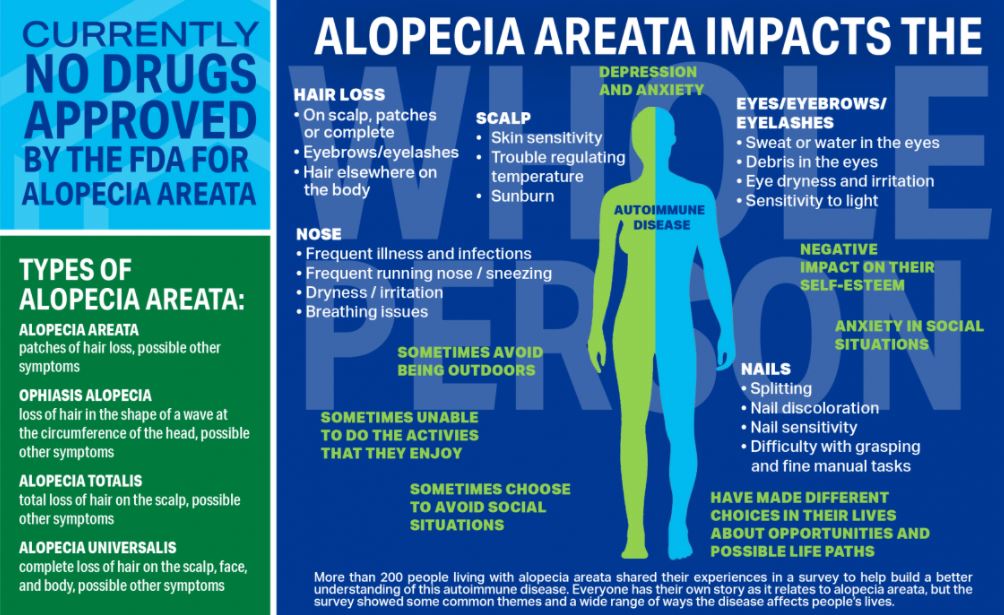
A special kind of hair loss that occurs in discrete areas is called alopecia areata. This is an auto immune disease, and is increased in frequency with people who have other autoimmune diseases. Hair loss can also be due to a fungal disease (ringworm) especially in children.

Cancer treatment can cause generalized hair loss, and we have all seen the bald children receiving cancer therapy, especially radiation.
Hair loss and regrowth comes in cycles. We all lose many hairs each day, but they regrow. When the cycle slows, there is a net loss of hair.

When I was in medical practice, my partner had early onset baldness, and was given hair transplants, which were effective. Treatments include minoxidil, which apparently increases the speed of hair cycles. An irritant, such as anthralin, will sometimes help Alopecia areaway by causing inflammation, apparently resetting  the immune reaction that’s causing the hair loss.

Finasteride, which interferes with local testosterone production, can stimulate hair growth. I take Finasteride for prostate enlargement, and was surprised to hear about it’s effect on hair growth. Maybe that’s why I have such a bushy head of hair.

Please read the following at Mayo clinic article for a more organized discussion.

—Dr. C.

Read more

ELDERLY HEALTH APPS: APPLE IPHONE FALL PREVENTION

SCIENCE & MEDICINE: STORY BEHIND THE MRNA VACCINES

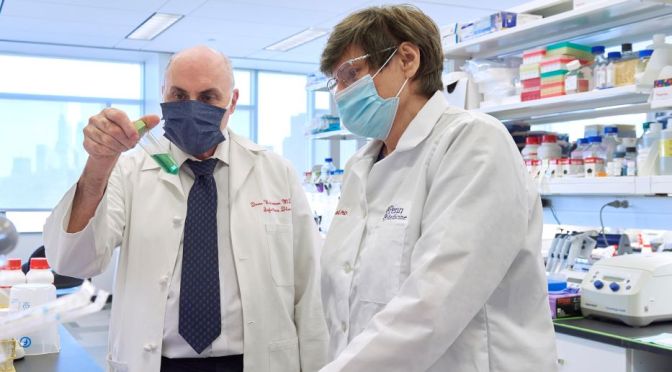
As mRNA-based COVID-19 vaccines are deployed to protect hundreds of millions of people across the world from the deadly global pandemic, the University of Pennsylvania scientists whose research breakthroughs laid the foundation for swift vaccine development have been awarded the 2021 Lasker-DeBakey Clinical Medical Research Award. Here, mRNA vaccine pioneers Drew Weissman, MD, PhD, and Katalin Karikó, PhD, share the story behind their development of this groundbreaking technology, and what it means for the future of medicine.

THE DOCTORS 101 CHRONIC SYMPTOMS & CONDITIONS #54: ORAL THRUSH


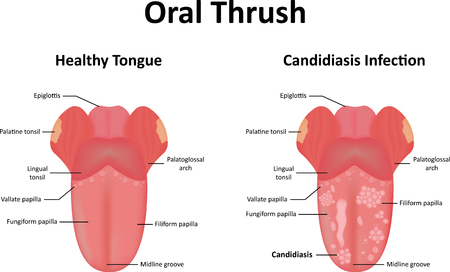
Thrush is an infection of the mouth with an organism called candida albicans. It is most common in the newborn and with young children, but can occur in adults if they have an immune deficiency,  use corticosteroid inhalers, are diabetic, or take broad-spectrum antibiotics.

A combined mother–child problem can occur with breast-feeding mothers in the newborn period. The mother’s  nipples may become infected, giving it to the baby, and they can pass back and forth. A baby who has thrush is also susceptible to diaper rash caused by candida.

There is a sense of irritation and some pain associated with thrush in the mouth, the diaper area, and the nipples. Thrush appears as cottage cheese-like areas on the throat and tongue.

The normal immunity usually keeps thrush at bay. In a newborn, however, the immune system is not fully developed. Sometimes the hormones of pregnancy facilitate thrush in the mother. Diabetes and smoking can also allow thrush.

Sometimes the thrush infection will go down into the swallowing tube, the esophagus, and produce inflammation. This can cause pain on swallowing, and is most common in AIDS and other immunodeficiency states.

Treatment of surface candida infections like throat is usually with Mycostatin– containing mouthwashes or creams. If it spreads beyond the surface, however, you will need more potent medications. Candida albicans is everywhere, and your immunity is your main defense against it.

Keep your immunity as solid as possible naturally, with good sleep, diet and exercise.

—Dr. C.

Read more

Brain Health: How To Recognize Strokes (Video)

If you don’t know the signs of a stroke, you’re not alone. Thirty percent of people under the age of 45 don’t either. The key is to B.E. F.A.S.T. Learn how this acronym can help you save a life. The information in this video is accurate as of 9.17.21 and is for information purposes only. Consult your local medical authority or your healthcare practitioner for advice. Resources: Stroke: Causes and Prevention: https://cle.clinic/3hIHtab Stroke Signs & Symptoms: https://cle.clinic/3oLyQhc Stroke Risk Factors: https://cle.clinic/3hJ8r1s

THE DOCTORS 101 CHRONIC SYMPTOMS & CONDITIONS #53: GRAVES’ DISEASE

Graves’ disease is the most common cause of hyperthyroidism. Hyperthyroidism is an over activity of the thyroid gland, and can also be produced by an overgrowth in the gland called an adenoma.

The thyroid gland is an H-shaped structure sitting astride the wind pipe. If a physician palpates the front of your neck, she is most likely trying to see if she can feel the thyroid gland. Enlargement of the grand can interestingly be produced by either overactivity or under activity.

Graves’ disease is an auto immune disease, where the antibodies produced attach to the TSH receptor on the thyroid gland, stimulating overactivity.

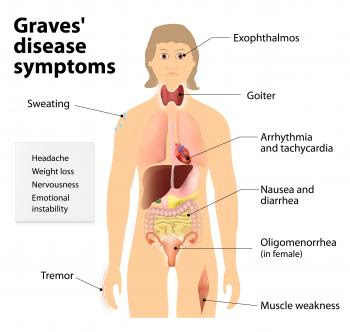
Many  metabolic processes are regulated by the thyroid gland, and increased activity produces difficulties like insomnia, fast irregular heartbeat, shaking of the hands, heat intolerance, and irritability. Other symptoms are protrusion of the eyes, fatigue, muscle weakness, and unexplained weight loss.

The doctor suspects the disease because of the symptoms, and must do blood tests and perhaps imaging tests to make the diagnosis. Treatment consists of decreasing thyroid activity, either by radiation techniques, anti-thyroid chemicals, or surgery.

It is very difficult to reduce thyroid activity in exactly the right amount, so that thyroid administration will be necessary. This can be tricky, and requires several visits for adjustment.

The ultimate cause of Graves’ disease is unknown. The immediate cause is thyroid stimulating immunoglobulin. Graves is an auto immune disease, and is more common in people who suffer from other autoimmune diseases, such as type one diabetes, rheumatoid arthritis, or inflammatory bowel disease. The doctor will question you about some of these diseases.

Both causes of hyperthyroidism have occurred in friends of mine. The friend with the adenoma had an easier time with medication adjustment, and had no other problems. The one with the Graves’ disease has had a difficult time getting a proper dose of thyroid medication, and she has other problems with auto immunity. Women typically have more  autoimmune problems.

Interestingly, the commonest cause of low thyroid activity is also an autoimmune disease. Some of the symptoms of low thyroid are the opposite of excessive thyroid activity; sleeping is excessive, there is sensitivity to cold, unexplained weight gain, and sluggishness.

Check with the doctor if you have any of the symptoms mentioned.
There is a Cleveland clinic discussion of Graves’ disease following this article.

—Dr. C.

Read more

Health: Preventing Deadly Falls Among The Elderly

THE DOCTORS 101 CHRONIC SYMPTOMS & CONDITIONS #52: RHEUMATOID ARTHRITIS

Painful, stiff joints are almost the rule as we get older, it seems. Both osteoarthritis and rheumatoid arthritis contribute to that eventuality. Osteoarthritis typically worsens as we get older, whereas rheumatoid arthritis starts in middle age.

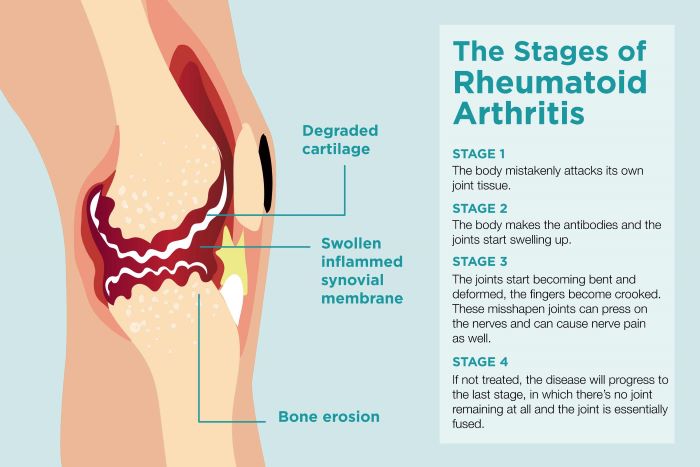
Rheumatoid arthritis is much more severe than osteoarthritis, since it is an autoimmune condition with an episodic inflammatory component. A recent medical study of different blood substances found that the “metabolome” has many markers for exacerbation of rheumatoid arthritis.

The main test currently being used to show exacerbation is CRP, C-reactive protein. Rheumatoid factor tests, such as anti-CCP, are used to confirm the diagnosis.

Rheumatoid arthritis tends to involve the small joints of the hand, and osteoarthritis the larger joints, such as the hips and knees. I go a bit against the grain, having diagnosed osteoarthritis of my fingers and toes, more typical of RA, but, even at the age of 89, my large joints are still in good shape, even with a lot of walking. Since walking is thought to increase the perfusion of joint fluid to nourish the knee cartilages, perhaps I should say BECAUSE of walking. Running tends to wear the knees and hips out, because of high impact on the joints.

The inflammation of rheumatoid arthritis tends to wax and wane, but during an exacerbation can be quite incapacitating. The interleukin TNF seems instrumental in causing these flares, and antibodies directed towards TNF, such as etanercept, has been a helpful treatment. This injection is also given for other inflammatory, autoimmune conditions such as psoriasis, particularly psoriatic arthritis, and the inflammatory bowel diseases.

Almost half the people who have rheumatoid arthritis also experience signs and symptoms in other tissues, such as the skin, eyes, heart, and lungs. It is truly a systemic, autoimmune disease.

For more information please consult the following mayo clinic article on rheumatoid arthritis.

—Dr. C.

Read more

Empowering Patients Through Education And Telemedicine