
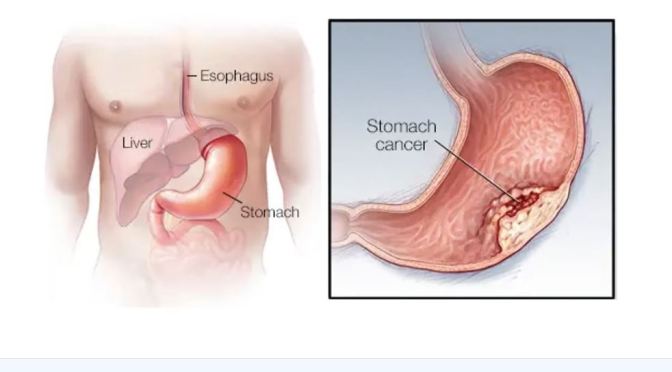
Stomach cancer, also called gastric cancer, is an abnormal growth of cells that begins in the stomach. It can affect several areas of the stomach, including the main stomach lining or where the esophagus meets the stomach.

DR. C’S MEDICINE CABINET: ‘CELEBREX’ (NSAID)
NSAIDs are a common pain medication. Younger people with no underlying diseases take them all the time for headaches, sprained ankles, and other injuries.
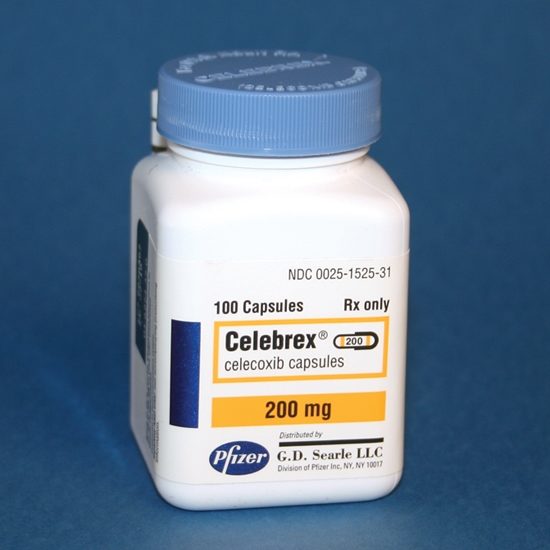
I have an underlying stomach problem that makes me want to minimize the gastrointestinal side effects when I need an NSAID medication, and for that reason I have 100 mg Celebrex, or celecoxib in my medicine cabinet.
I am fortunate not to have much severe pain, although I do have osteoarthritis in my hand, and infrequent abdominal pain from a small bowel surgery.
Celebrex is my magic bullet whenever I have pain from diverse causes such as in my legs; I do have a very active exercise program of an hour a day in the morning and a half an hour in the evening.
The Cox 2 inhibitor‘s were initially touted as being able to avoid the stomach problems caused by the non-selective NSAIDs. Unfortunately, several of them, such as vioxx, were associated with more heart attacks, a 45% increase, and they were removed from the market . Celebrex was a survivor from this group, but it still tends to cause an increase in blood pressure.
Whenever you take any medication, it’s always a trade-off; relief from the problem at hand, traded for the inevitable side effects. There is no powerful medication that has only the desired activity, and most people are better off with a healthy lifestyle than taking medication.
Another advantage with medication avoidance is that when you take the medication, it tends to work a whole lot better. At least I have found that to be true, and celecoxib is my magic pain medication, which has salvaged countless nights of sleep.
—Dr. C.
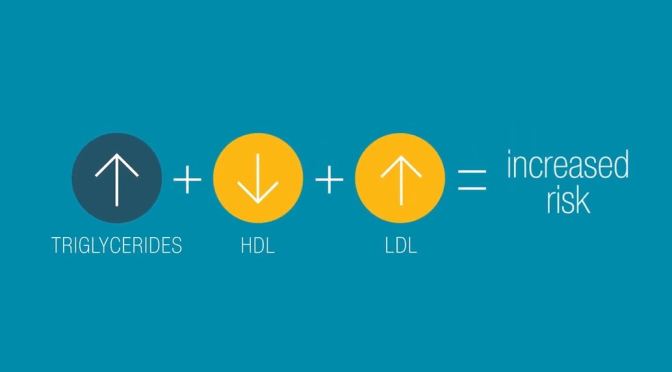
Heart Health: What Is Cholesterol? (AHA Video)
There are two types of cholesterol: LDL cholesterol, which is bad, and HDL, which is good. Learn why too much cholesterol and elevated triglycerides can lead to heart disease and stroke. Make it a priority to have your cholesterol checked.

DOCTORS PODCAST: MEDICAL & TELEHEALTH NEWS (NOV 7)
A weekly podcast on the latest medical, science and telehealth news.
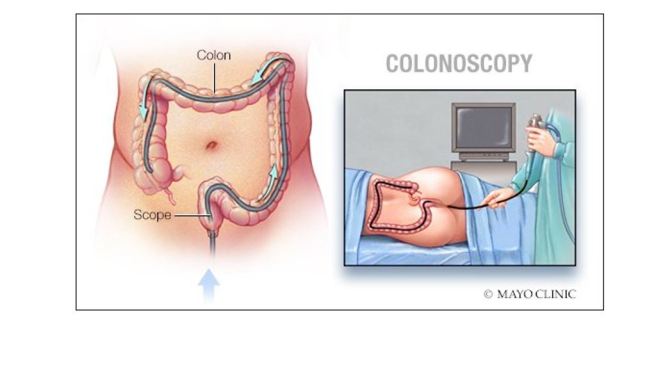
Procedures: Preparing For A Colonoscopy (Mayo)
A colonoscopy is an exam used to detect changes or abnormalities in the large intestine, or colon, and rectum. It’s an important exam that’s performed to check for colon cancer. But some would agree that preparing for the colonoscopy is worse than the exam itself.
In this Mayo Clinic Minute, Dr. James East, a gastroenterologist at Mayo Clinic Healthcare in London, explains what patients will need to do to prepare for this exam and how to make it a little easier.

Research: Combating Antibiotic Resistance
DR. C’S JOURNAL: SIGNS OF A SILENT HEART ATTACK
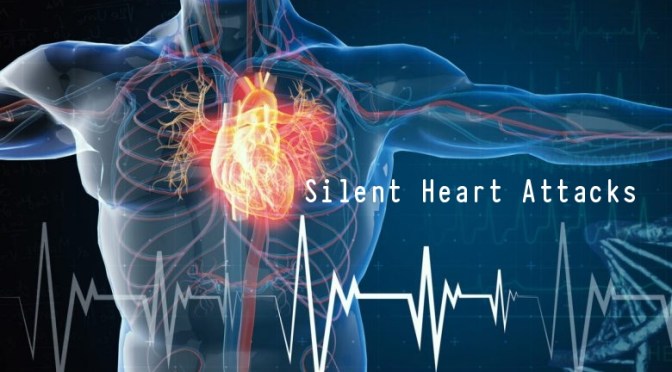
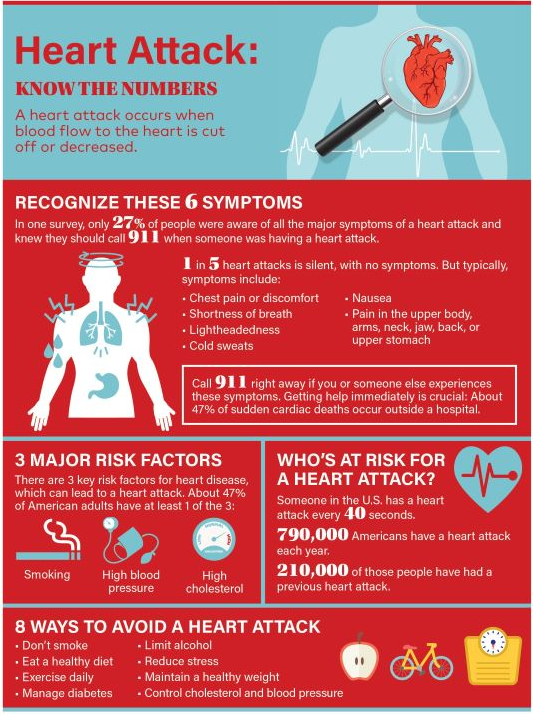
Heart attacks are something that most people know about; the sudden severe chest pain, radiating into the jaw or left arm, associated with shortness of breath, nausea, and the like. However there’s a lot of confusion also; not all heart attacks have typical symptoms (silent heart attacks). Some significant chest pain is not due to a heart attack, and some significant cardiac disease is something different from a heart attack.
I will cover these three scenarios one at a time, beginning with the most dangerous, the silent heart attack.
The silent heart attack has the same effect as the more typical variety, and is caused by blockage in the coronary arteries, which interferes with oxygen and glucose delivery, and causes death of heart muscle. It occurs under physically or emotionally stressful circumstances, particularly in the cold. It may be more common in women, and accounts for at least half of all heart attacks.
Risk factors are identical to those of a regular heart attack, and include being overweight, diabetic, not exercising regularly, having high blood pressure, high cholesterol or smoking cigarettes.
The symptoms may be Flu like, fatigue, indigestion, and perhaps a soreness in the chest, upper back, arms or jaw. My mother-in-law died in my house after a stressful incident, and was heard to be vomiting in the middle of the night. My father had inordinate fatigue and paleness, which caused my mother to take him to the doctor, who sent him by ambulance for a bypass operation.
Many silent heart attacks are discovered when the doctor takes an electrocardiogram in the course of an examination. This is a good argument for the regular physical examination, since having a silent heart attack increases the likelihood that you will have another.
The frequency and seriousness of heart attacks is of course an excellent argument for proper sleep, diet, exercise, and other good preventative habits.
—Dr. C.
Technology: Wearable Heart Monitors (Mayo)
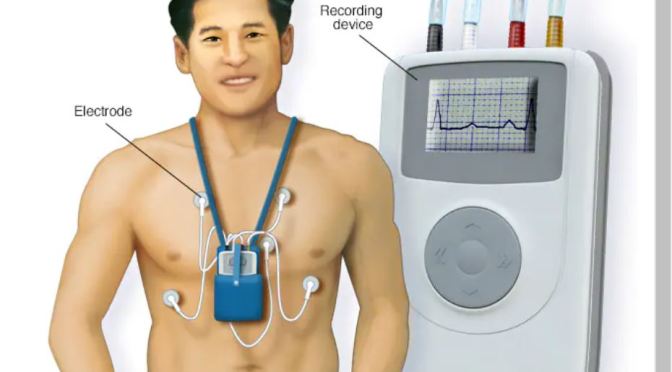
It’s like an auto mechanic running a diagnostic test on your car’s engine while it’s out of the garage and traveling down the road. Wearable heart monitors are valuable tools that cardiologists use to determine if you are experiencing atrial fibrillation, which is your heart beating at an irregular or rapid rhythm.

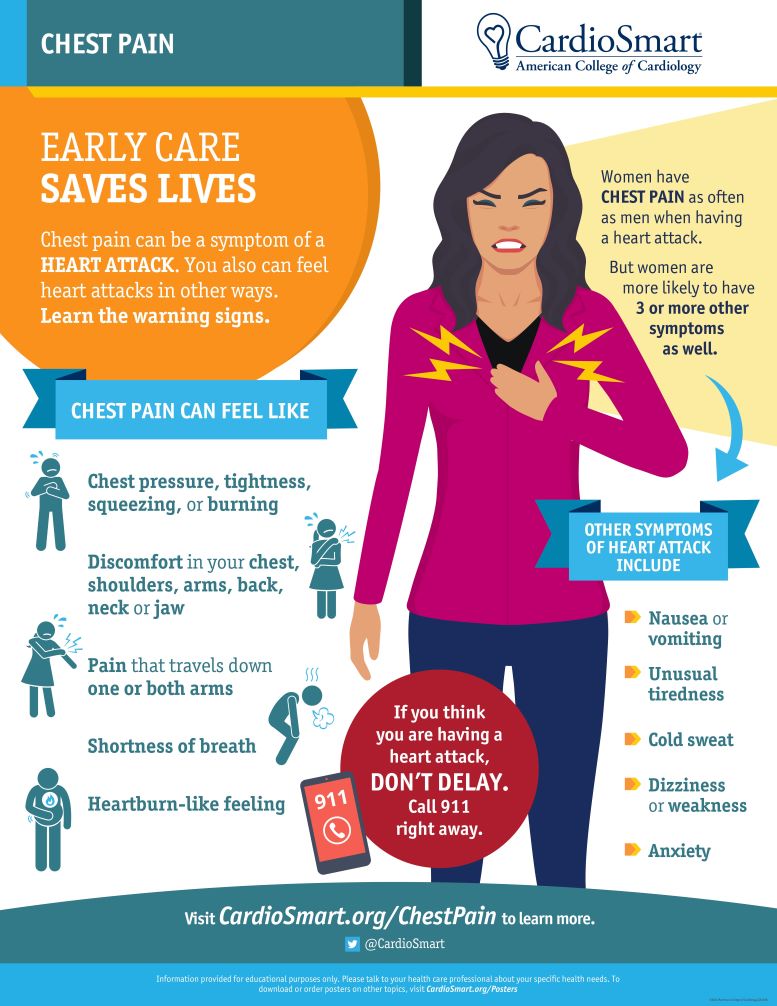
Heart Attack Infographic: Early Chest Pain Symptoms
DOCTORS PODCAST: MEDICAL & TELEHEALTH NEWS (OCT 31)
A weekly podcast on the latest medical, science and telehealth news.
 Doctors Without Waiting Rooms