
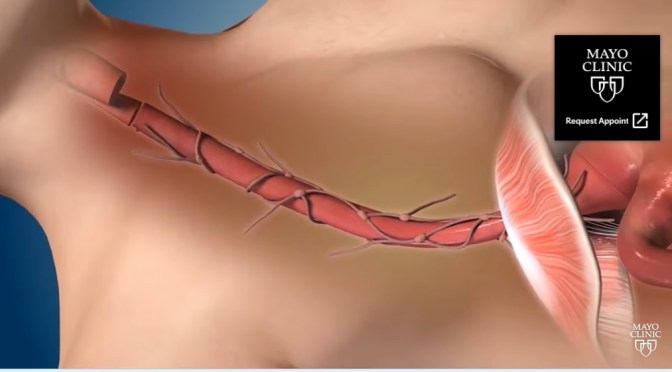
While a serious form of cancer, five-year survival rates have quadrupled over the last several decades. What’s key to these positive outcomes? Dr. Shanda Blackmon says early detection allows for minimally invasive treatments that can preserve the esophagus. Having a minimally invasive esophagectomy typically allows a patient to recover quicker with less pain than an open esophagectomy.
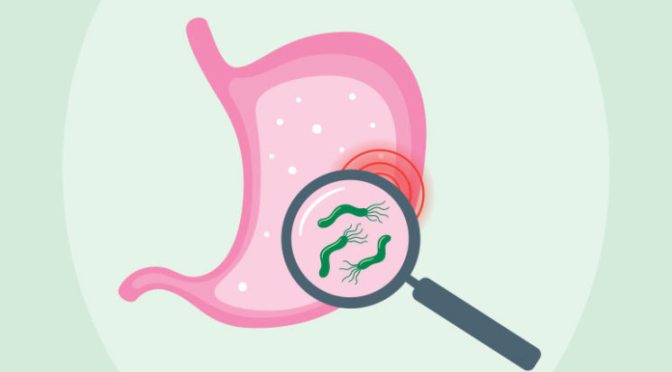
Chronic Conditions: Does Stress Cause Ulcers?
Stress shoulders a lot of blame for health issues like high blood pressure, fatigue and depression — and rightly so. But when it comes to causing stomach ulcers, it gets a bit of a bad rap.
The main triggers for stomach ulcers, also known as peptic ulcers or gastric ulcers, are:
- H. pylori infection caused by a common gut bacteria.
- Overuse of over-the-counter pain relief medication known as NSAIDs, short for nonsteroidal anti-inflammatory drugs.

DOCTORS PODCAST: MEDICAL & TELEHEALTH NEWS (APR 24)
A weekly podcast on the latest medical, science and telehealth news.

Technology: How AI Is Helping To Cure Blindness

Diets: Southern Foods Up Risks Of Chronic Disease
Warmer weather brings more opportunities for picnics, barbecues and gatherings around food. But before you reach for a second helping, consider if what you’re eating may be increasing your risk for chronic disease. Dr. Ivan Porter II, a nephrologist at Mayo Clinic. Dr. Porter explains dietary changes can have a significant impact on their blood pressure and overall health.
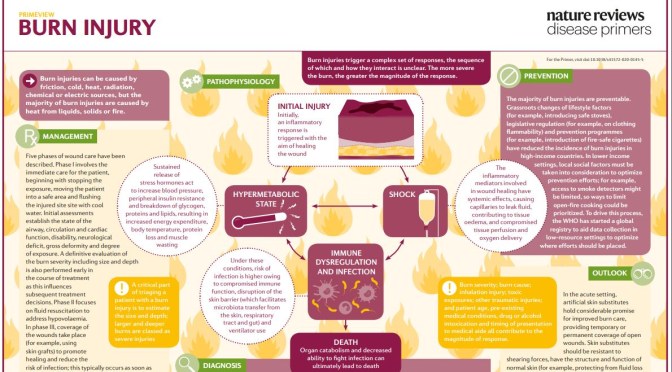
Infographic: How Bodies React To Burn Injuries
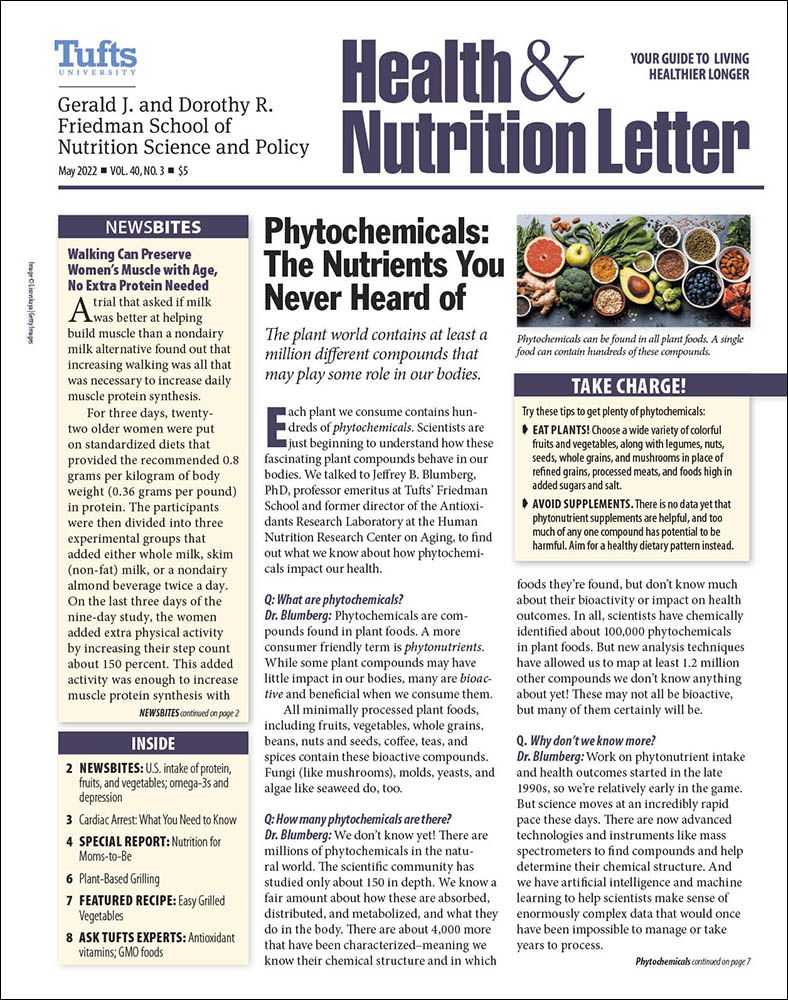
Newsletters: Tufts Health & Nutrition – May 2022
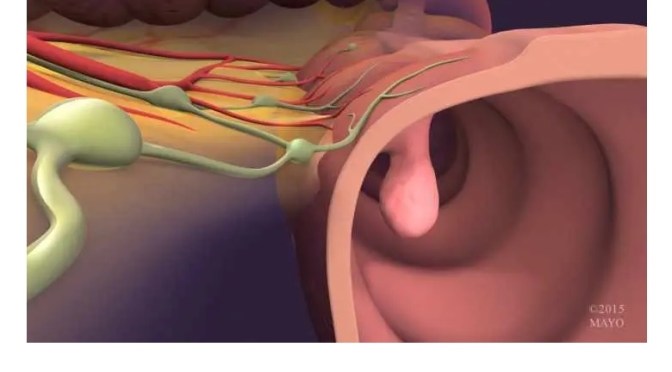
Precancerous Polyps: AI Reduces Screening Misses
Artificial intelligence reduced by twofold the rate at which precancerous polyps were missed in colorectal cancer screening, reported a team of international researchers led by Mayo Clinic. The study is published in Gastroenterology.
DOCTORS PODCAST: MEDICAL & TELEHEALTH NEWS (APR 17)
A weekly podcast on the latest medical, science and telehealth news.
 Doctors Without Waiting Rooms