
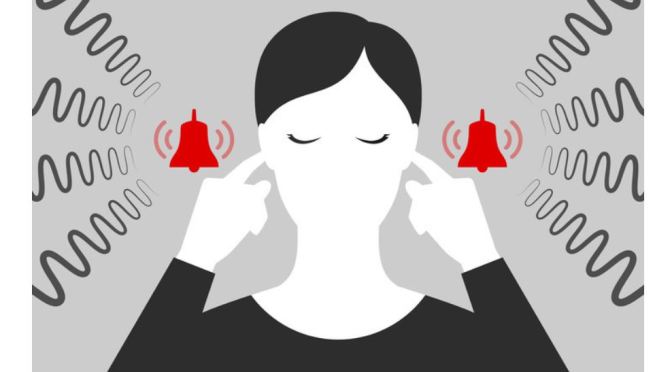
There are many possible causes of #tinnitus and no cure, but there are ways to ease the symptoms, one of which is sound therapy, which uses external sound to alter a person’s perception of or reaction to tinnitus: https://t.co/9a4eep3yjZ #HarvardHealth pic.twitter.com/S4MTWyJZnz
— Harvard Health (@HarvardHealth) December 9, 2021
Category Archives: Women’s Health
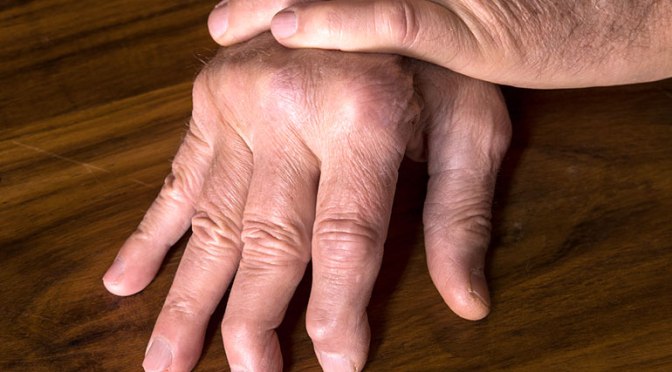
Inflammation: ‘Psoriatic Arthritis Fatigue’ Care

Weight Gain: How Lack Of Sleep Makes You Hungrier
Did you know that not getting enough zzz’s can actually make you hungrier? According to sleep scientist Matt Walker, the relationship between what you eat and your sleep is a two-way street. Here’s why understanding it can help you improve your overall health.
Sleep — we spend one-third of our lives doing it, but what exactly do we get out of it? And how can we do it better? In this TED series, sleep scientist Matt Walker uncovers the facts and secrets behind our nightly slumber. (Made possible with the support of Oura) Check out more episodes on TED.com: https://go.ted.com/sleepingwithscience
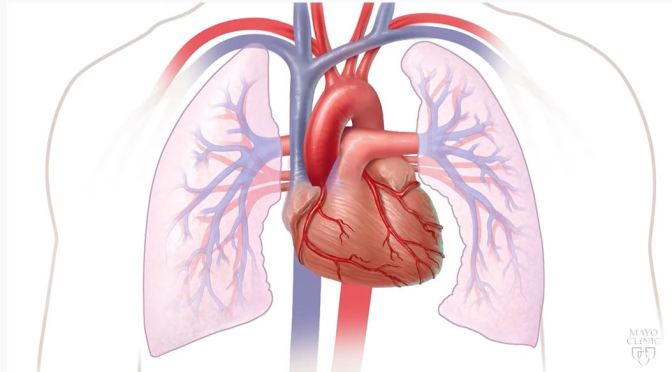
Video: Heart Arrhythmia Red Flags (Mayo Clinic)
Mayo Clinic Minute: Watch for these heart arrhythmia red flags.
A heart arrhythmia (uh-RITH-me-uh) is an irregular heartbeat. Heart rhythm problems (heart arrhythmias) occur when the electrical signals that coordinate the heart’s beats don’t work properly. The faulty signaling causes the heart to beat too fast (tachycardia), too slow (bradycardia) or irregularly.
Heart arrhythmias may feel like a fluttering or racing heart and may be harmless. However, some heart arrhythmias may cause bothersome — sometimes even life-threatening — signs and symptoms.
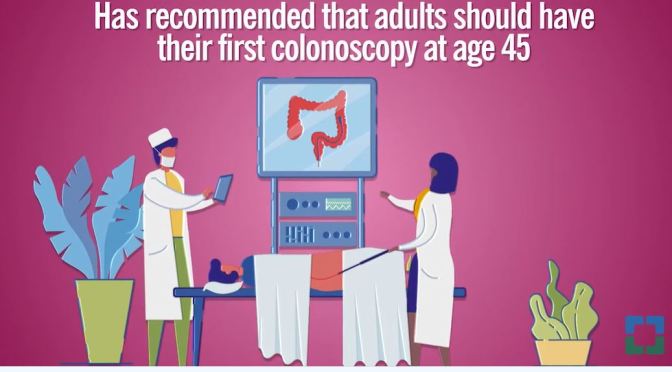
Cancer: What Age Should You Get A Colonoscopy?
According to the American Cancer Society, colorectal cancer is the third most common cancer diagnosed in both men and women in the United States. While diagnoses are decreasing in people over the age of 50, there’s been an increase for those who are younger.
For more information on why you should get a colonoscopy and how to schedule yours today, please visit https://cle.clinic/3oqWdy6

AGING: THE IMPORTANCE OF CARDIOVASCULAR EXERCISE

Cancer: The Mayo Clinic Explains Lymphoma (Video)
Learning about lymphoma can be intimidating. Let our experts walk you through the facts, the questions, and the answers to help you better understand this condition.
Video timeline: 0:24 What is Lymphoma? 1:20 Types of Lymphoma 2:04 Who gets Lymphoma? 2:48 Risk factors 3:30 Symptoms 4:10 How is Lymphoma diagnosed? 5:07 Treatment options 6:11 Coping methods/ What now? 7:09 Ending
For more reading visit: https://mayocl.in/3xThjs7
THE DOCTORS 101 CHRONIC SYMPTOMS & CONDITIONS #61: EDEMA (SWELLING)
Swelling of the ankles becomes increasingly common as you get older. This swelling can be caused by thrombophlebitis, or skin infections which have been discussed in previous articles. Otherwise it is usually part of a condition called edema.
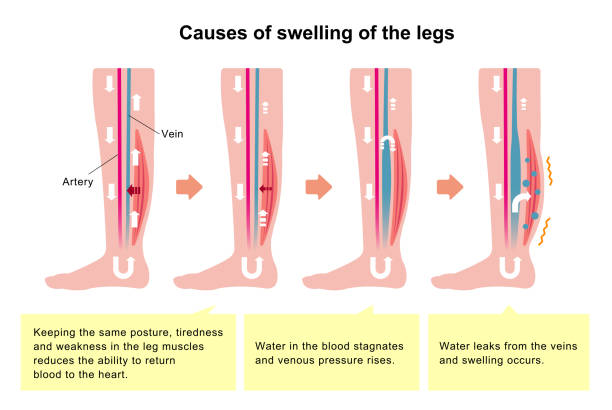
Edema is commonly caused by problems in the cardiovascular system, kidneys, or liver. Edema can occur in the face and abdominal cavity or elsewhere, But because of gravity and the fact that we are usually upright-on our feet, it is usually is most prominent in the legs, especially the ankles. Edema can be caused by a normal pregnancy. The developing baby puts quite a strain on the heart and circulatory system.
Chronic accumulation of fluid in the tissues usually occurs because of heart and blood vessel problems, liver disease (albumin lack), diet (excess salt intake), kidney disease (deficient salt excretion), vein problems (valve malfunction), and lymphatic problems (surgical lymph node excision).
Obesity contributes by impacting the heart and liver primarily. Proper sleep, diet and exercise help in most of these areas, and edema is rare in healthy people.
I have always considered sugar(obesity, cardiovascular effects) and salt(hypertension, cardiovascular and kidney load) as poisonous. I discovered the valve incompetence in the veins of my left leg because it became more blue than my right leg. With good exercise, sleep, diet program and compression stockings, edema never occurred.
The swelling and stretched shiny skin in the ankles that I see in many of my overweight friends makes a tempting target for germs of all kinds. and small skin sores often follow.
If you developed swelling in your ankles or other areas, it’s best to check with your doctor to get an explanation.
—Dr. C.
DOCTORS PODCAST: MEDICAL & TELEHEALTH NEWS (NOV 28)
A weekly podcast on the latest medical, science and telehealth news.
THE DOCTORS 101 CHRONIC SYMPTOMS & CONDITIONS #60: ITCHY EARS
Itchy ears; even if from trivial causes, they demand attention. Swimmer’s ear is a subset of itchy ears, which can lead to some severe infections and sleepless nights. Water remaining in the ears dissolves the natural, protective earwax, and provides a nice warm bath for some nasty bugs like Pseudomonas aeruginosa. Swimmers ear is the result, and the best strategy is to prevent it by keeping the water out.

After swimming, I often twist some Kleenex and insert it into my ear canal to “wick out” the water. Some people use a 70% Isopropyl alcohol solution to rinse out the water. Don’t use the 99% isopropyl alcohol; it’ll burn like crazy and for some reason is not as effective an antibacterial. If the itchy ear starts to become painful, and the pain is made worse by pulling on the earlobe, the best strategy is to call the doctor.
Hearing aids comprise a special problem. Earwax can damage the mechanism of the hearing aid, and the hearing aid can cause an irritation that produces itching. Be sure to ask the audiologist about how to prevent problems.
I wear earplugs to deliver sound to my ears when I swim. The ear plugs can cause irritation or even an allergic reaction. I believe this is one of the reasons my ears itch most of the time. My ENT physician suggested that I put a little baby oil in my ear, which I am continuing to do.
Accumulations of earwax can also cause itching. Most of the time I remove the wax myself with an over-the-counter kit containing an ear syringe and glyceryl peroxide. About every third time I need wax removed from my ear, I go to the ENT doctors to be sure I don’t have some sort of fungal infection or other chronic condition.
If you swab your ear with a Q-tip, you risk pushing the wax deeper into the canal, and create a problem. Nonetheless, I still occasionally put a little bit of 1% hydrocortisone cream if the itching gets extreme. My doctor said that this accelerates the build up of debris and the need for irrigating the canal.
The old adage that you shouldn’t put anything into your ear smaller than your elbow is a good interdict to embrace. Digging out the wax with some sort of instrument risks damaging the canal or hurting your eardrum.
For more information, please look at the following posts.
 Doctors Without Waiting Rooms