Category Archives: Reviews

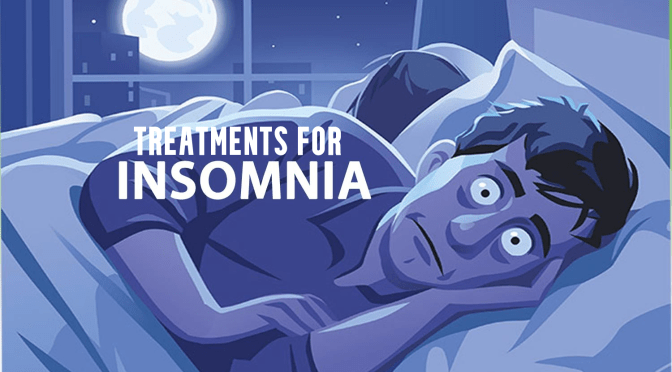
Insomnia: Can Cognitive Behavioral Therapy Help?

May 4, 2023: Difficulty initiating and maintaining sleep is a common problem for many patients. Over-the-counter sleeping aids are used by many and we commonly get asked for prescription medications to help with their sleep.

Unfortunately, the ideal sleeping medication doesn’t exist and many have potentially worrisome adverse effects, some produce daytime somnolence and others may have the potential to produce dependence.

Cognitive behavioral therapy is an alternative treatment option to pharmacologic therapy and is safe, can be easily taught, and offers an alternative to the many with chronic insomnia. In this podcast, we’ll discuss this innovative treatment option with sleep expert, Michael H. Silber, M.B.Ch.B., a neurologist at the Mayo Clinic. 
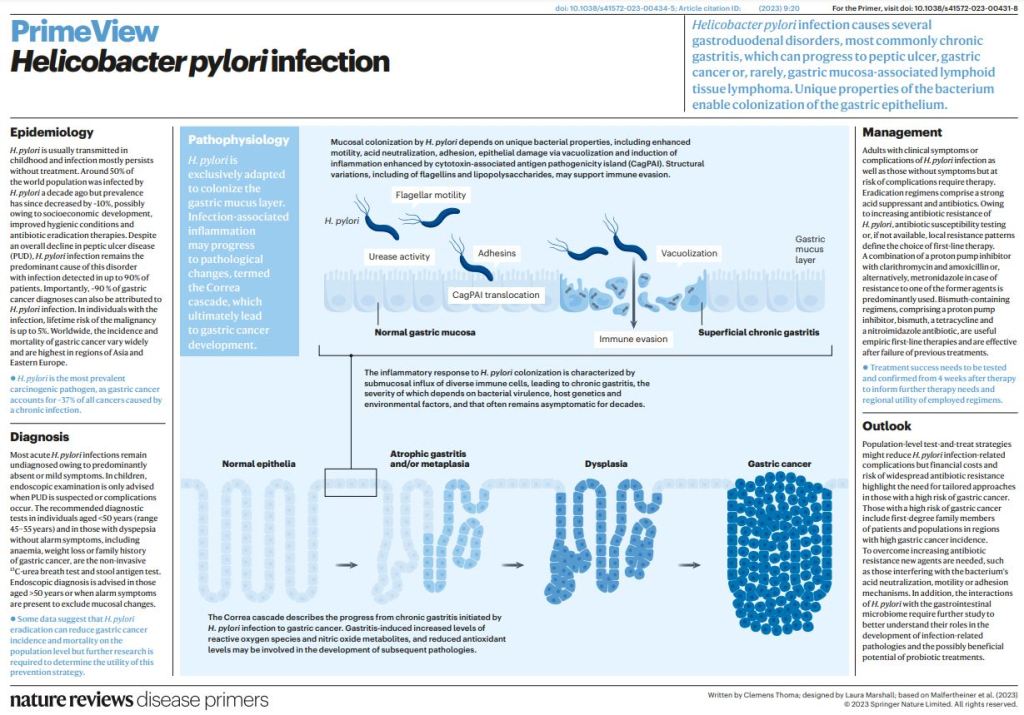
Bacteria: Helicobacter Pylori Infection Review

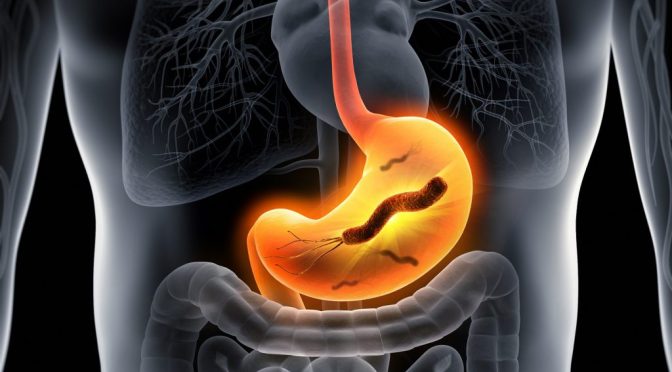
Helicobacter pylori infection causes chronic gastritis, which can progress to severe gastroduodenal pathologies, including peptic ulcer, gastric cancer and gastric mucosa-associated lymphoid tissue lymphoma. H. pylori is usually transmitted in childhood and persists for life if untreated. The infection affects around half of the population in the world but prevalence varies according to location and sanitation standards. H. pylori has unique properties to colonize gastric epithelium in an acidic environment.

The pathophysiology of H. pylori infection is dependent on complex bacterial virulence mechanisms and their interaction with the host immune system and environmental factors, resulting in distinct gastritis phenotypes that determine possible progression to different gastroduodenal pathologies. The causative role of H. pylori infection in gastric cancer development presents the opportunity for preventive screen-and-treat strategies. Invasive, endoscopy-based and non-invasive methods, including breath, stool and serological tests, are used in the diagnosis of H. pylori infection.

Their use depends on the specific individual patient history and local availability. H. pylori treatment consists of a strong acid suppressant in various combinations with antibiotics and/or bismuth. The dramatic increase in resistance to key antibiotics used in H. pylori eradication demands antibiotic susceptibility testing, surveillance of resistance and antibiotic stewardship.

READ MORE

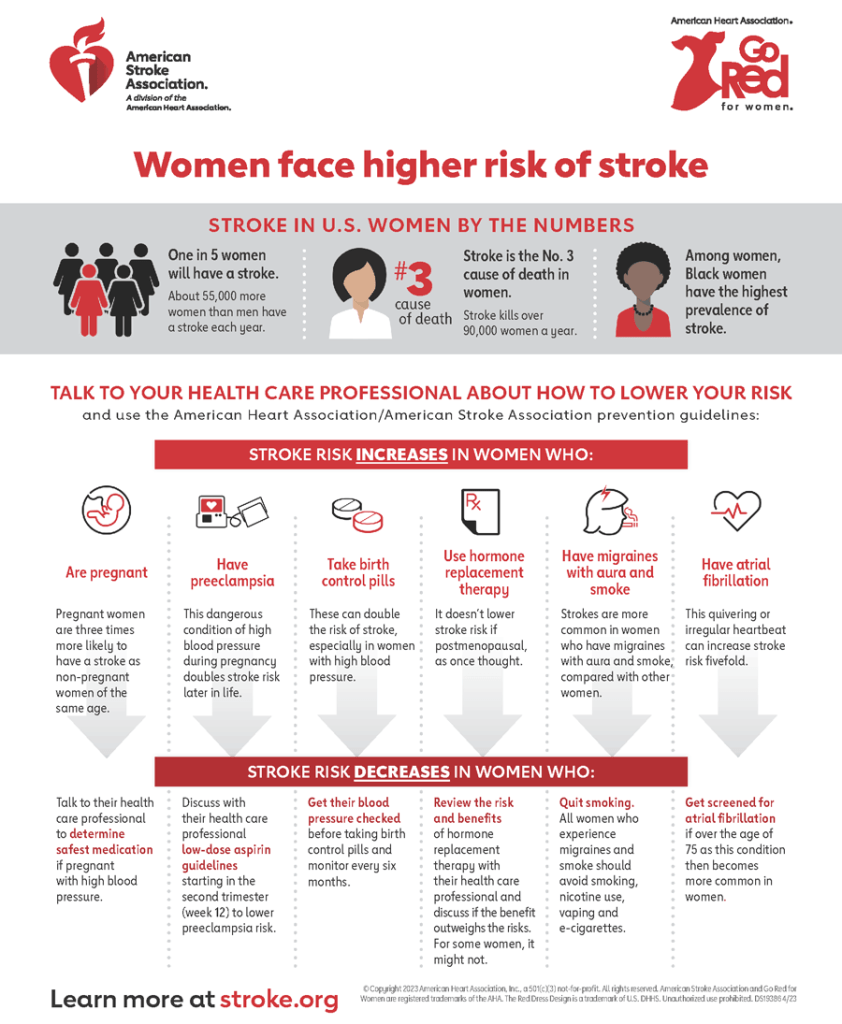
Infographic: Why Women Have High Risks Of Stroke

Stroke in U.S. Women by the Numbers

One in 5 women will have a stroke. About 55,000 more women than men have a stroke each year.

Stroke is the No. 3 cause of death in women. Stroke kills over 90,000 women a year.

Among women, Black Women have the highest prevalence of stroke.

Talk to your health care provider about how to lower your risk and use the American Heart Association/American Stroke Association prevention guidelines:

Stroke risk increases in women who:

  • Are pregnant. Pregnant women are three times more likely to have a stroke as women of the same age.
  • Have preeclampsia. This dangerous condition of high blood pressure during pregnancy doubles stroke risk later in life.
  • Take birth control pills. These can double the risk of stroke, especially in women with high blood pressure.
  • Use hormone replacement therapy. It doesn’t lower it, like once thought.
  • Have migraines with aura and smoke. Strokes are more common in women who have migraines with aura and smoke, compared with other women.
  • Have atrial fibrillation. This quivering or irregular heartbeat can increase stroke risk fivefold. After age 75, it’s more common in women than men.

Stroke risk decreases in women who:

  • Talk to their health care provider to determine safest medication if pregnant with high blood pressure.
  • Discuss with their health care provider low-dose aspirin guidelines starting in the second trimester (week 12) to lower preeclampsia risk.
  • Get their blood pressure checked before taking birth control pills and monitor every six months.
  • Don’t use hormone replacement therapy to prevent stroke if postmenopausal.
  • Quit smoking if they have migraines with aura.
  • Get screened for atrial fibrillation if over age 75.

READ MORE

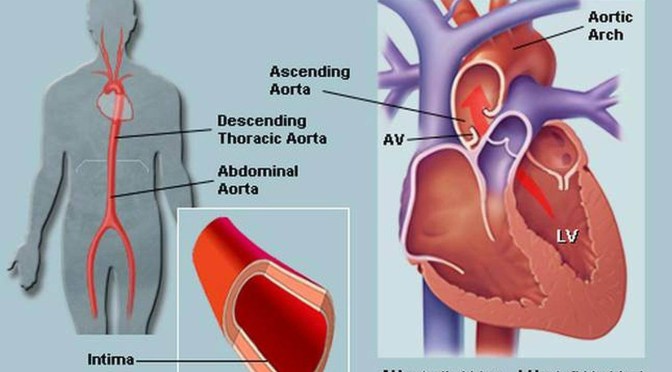
Heart Health: How The Aorta Functions (Yale)

Yale Medicine (April 29, 2023) – The aorta is a complex organ responsible for carrying blood to all organs and tissues in the body. Many disease conditions with catastrophic complications are associated with aortic pathologies, including aneurysm disease, aortic dissection, aortic ulcer and hematoma.

Care of patients with aortic diseases remains highly complex and requires the combined expertise of a multidisciplinary team of cardiovascular surgeons, neurologists, cardiac anesthesiologists, vascular surgeons, and specialized advanced practice providers.

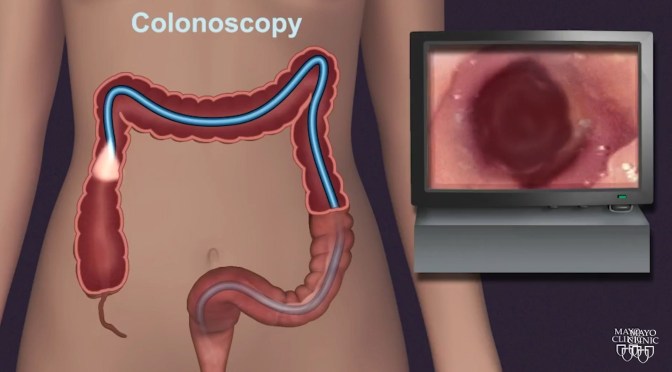
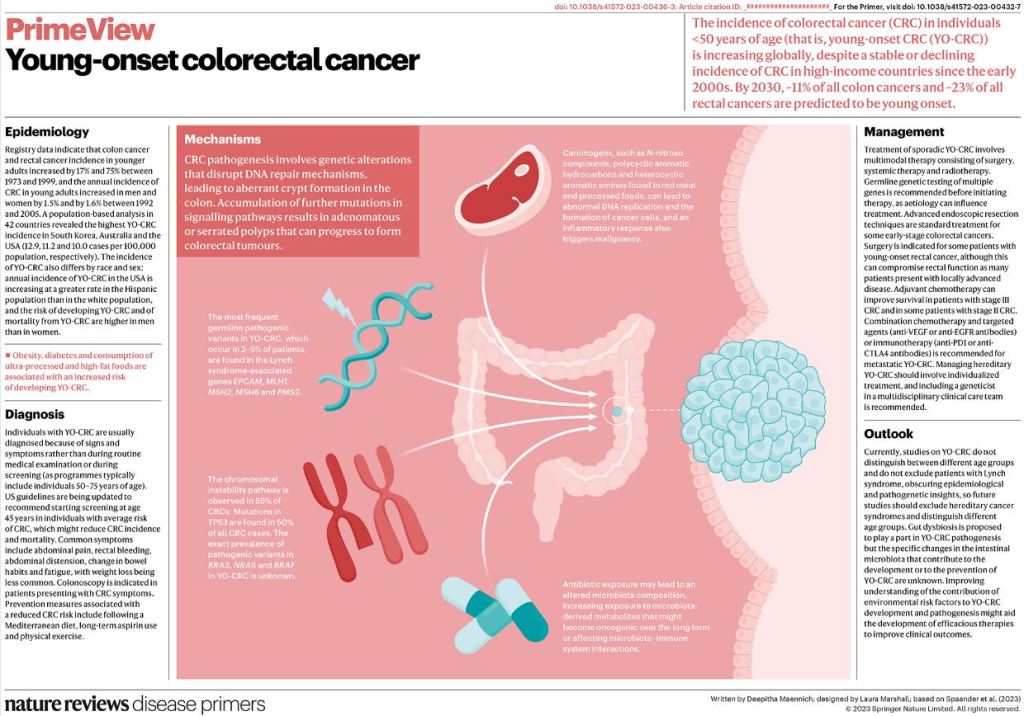
Reviews: Young-Onset Colorectal Cancer

In the past decades the incidence of colorectal cancer (CRC) in people under the age of 50 years has increased, which is referred to as early-onset CRC or young-onset CRC (YO-CRC). YO-CRC is expected to account for 11% of colon cancers and 23% of rectal cancers by 2030. This trend is observed in different parts of the world and in both men and women. In 20% of patients with YO-CRC, a hereditary cancer syndrome is found as the underlying cause; however, in the majority of patients no genetic predisposition is present.

Beginning in the 1950s, major changes in lifestyle such as antibiotic use, low physical activity and obesity have affected the gut microbiome and may be an important factor in YO-CRC development. Owing to a lack of screening, patients with YO-CRC are often diagnosed with advanced-stage disease. Long-term treatment-related complications should be taken into account in these younger patients, making the more traditional sequential approaches of drug therapy not always the most appropriate option.

To better understand the underlying mechanism and define relationships between environmental factors and YO-CRC development, long-term prospective studies are needed with lifestyle data collected from childhood.

Read more

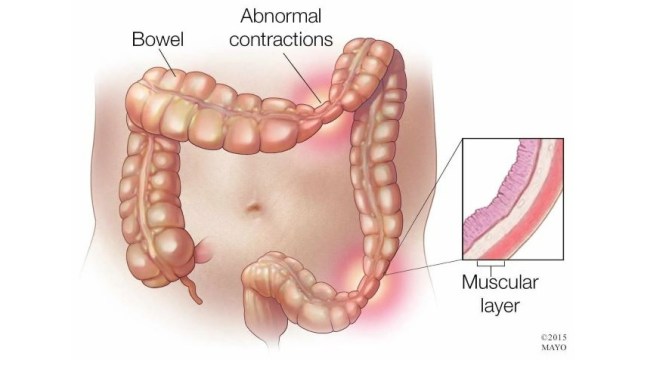
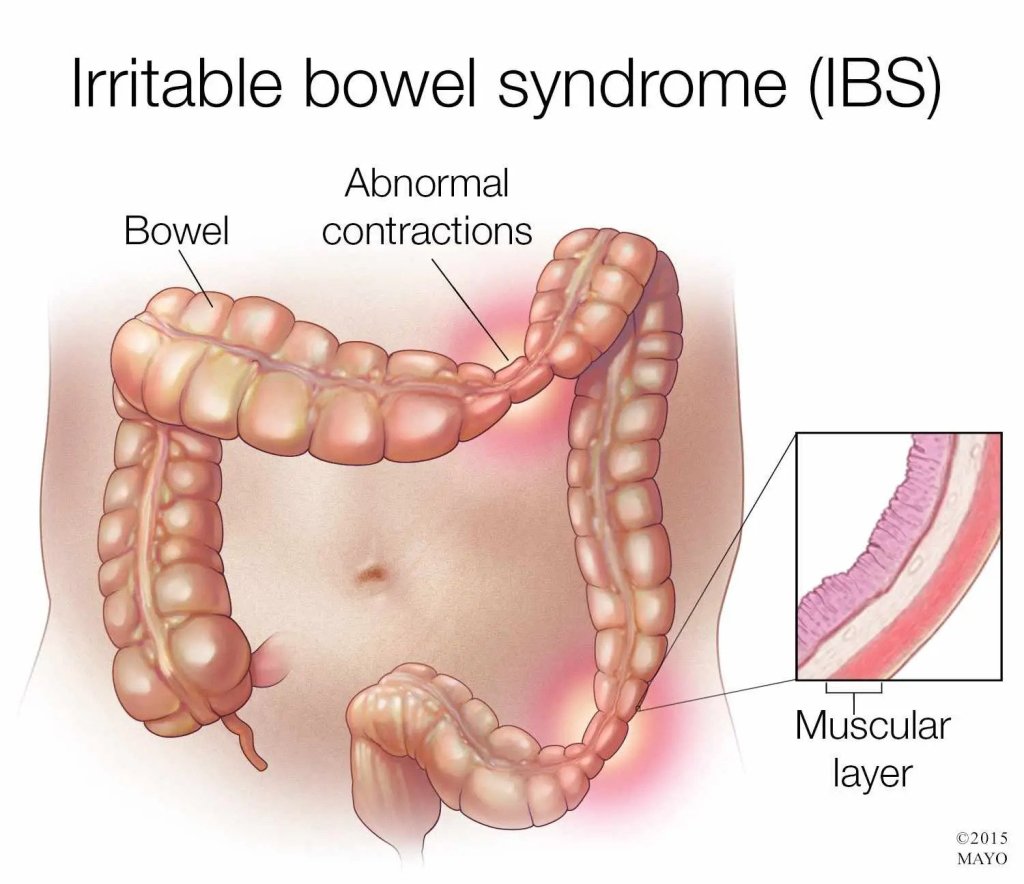
Coping With Irritable Bowel Syndrome (IBS)

Mayo Clinic (April 27, 2023) – Dr. Brian Lacy says irritable bowel syndrome, or IBS, is a chronic condition that affects the intestinal tract. It can cause painful stomach cramps, diarrhea and constipation.

IBS is now categorized as a disorder of gut-brain interaction, which means that there’s a problem with how the gut and brain communicate with each other. He says stress plays a key role. There’s no cure for IBS, but symptoms can be managed. Try eating smaller, more frequent meals, and exercising regularly. Deep breathing and yoga are also helpful to reduce stress.

READ MORE

Inflammation: Frozen Shoulder (BMJ Podcast)

Adhesive capsulitis (Frozen Shoulder) affects 2% to 5% of the population. It is slightly more common in women than in men, and is most common in people between the ages of 40 and 70.

And it can cause a range of problems – including pain, stiffness, and loss of function. So it is important that we get the diagnosis and management of this condition right.

READ MORE

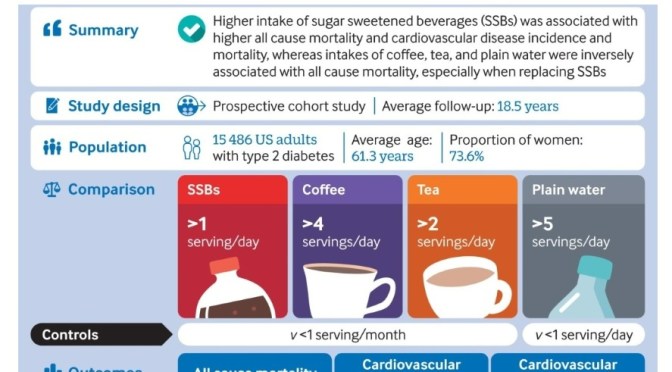
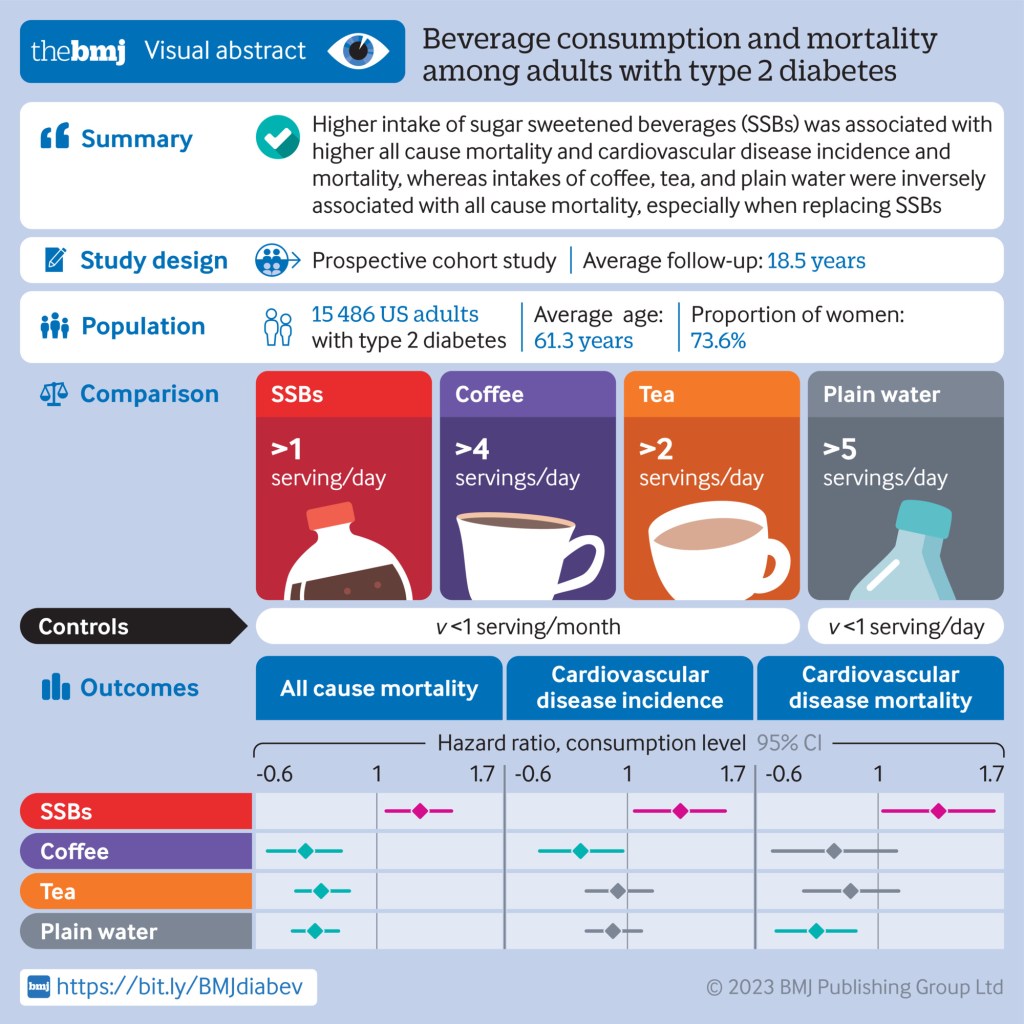
TYPE 2 DIABETES STUDIES: 65% HIGHER DEATH RATES WITH ‘SWEETENED DRINKS’

The BMJ (Published April 19, 2023) – 

Conclusions: Individual beverages showed divergent associations with all cause mortality and CVD outcomes among adults with type 2 diabetes. Higher intake of SSBs was associated with higher all cause mortality and CVD incidence and mortality, whereas intakes of coffee, tea, plain water, and low fat milk were inversely associated with all cause mortality. These findings emphasize the potential role of healthy choices of beverages in managing the risk of CVD and premature death overall in adults with type 2 diabetes.

READ COMPLETE BMJ RESEARCH STUDY

SHARE THIS:

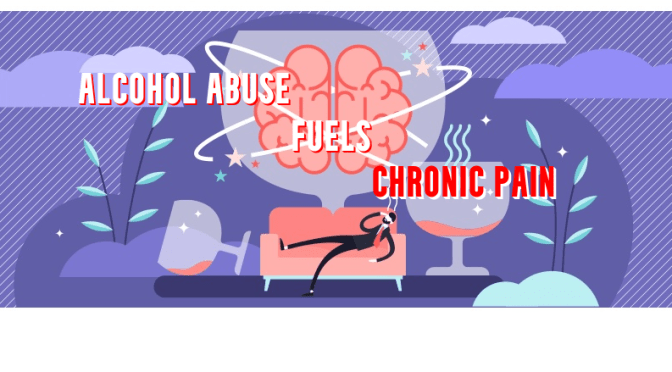
STUDIES: ALCOHOL ABUSE INCREASES CHRONIC PAIN

Scripps Research (April 21, 2023) – Chronic alcohol consumption may make people more sensitive to pain through two different molecular mechanisms—one driven by alcohol intake and one by alcohol withdrawal. That is one new conclusion by scientists at Scripps Research on the complex links between alcohol and pain.

The research, published in the British Journal of Pharmacology on April 12, 2023, also suggests potential new drug targets for treating alcohol-associated chronic pain and hypersensitivity.

“There is an urgent need to better understand the two-way street between chronic pain and alcohol dependence,” says senior author Marisa Roberto, PhD, the Schimmel Family Chair of Molecular Medicine, and a professor of neuroscience at Scripps Research. “Pain is both a widespread symptom in patients suffering from alcohol dependence, as well as a reason why people are driven to drink again.”

Alcohol use disorder (AUD), which encompasses the conditions commonly called alcohol abuse, alcohol dependence and alcohol addiction, affects 29.5 million people in the U.S. according to the 2021 National Survey on Drug Use and Health.  Over time, AUD can trigger the development of numerous chronic diseases, including heart disease, stroke, liver disease and some cancers.

READ MORE AT SCRIPPS RESEARCH