

A REVIEW OF MAJOR HEALTH AND TELEMEDICAL NEWS FOR THE WEEK ENDING JANUARY 15, 2021.
Category Archives: Resources
THE DOCTORS 101 CHRONIC SYMPTOMS & CONDITIONS #35: HIP FRACTURES
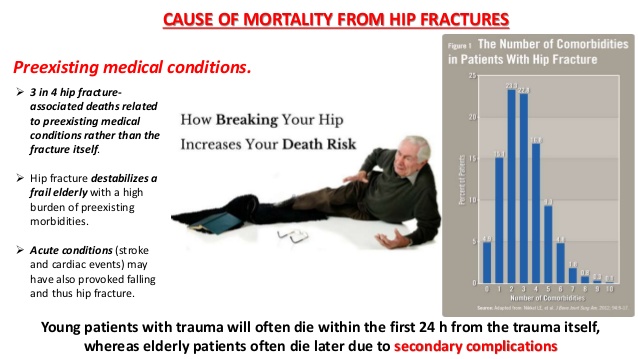
Hip fracture is an iconic bugaboo of old age. It is a chronic condition in the sense that its complications, such as Depression, blood clots and pneumonia often extend long beyond the healing process.
Predisposing factors include old age and associated risk factors like osteoporosis, sarcopenia (loss of muscle mass and strength), poor vision, poor balance and hazards in the home.
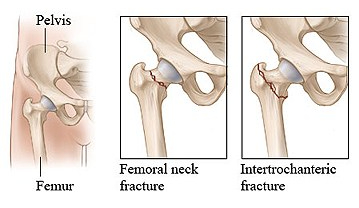
FALLING is the usual agency that produces the fracture. At the risk of being ostracized, I will point out that thousands of injuries sustained by walking or tripping over dogs (and cats) occur every year.
In my small “hilltop” group of friends, there was 1 fatality, 1 shoulder fracture-dislocation, 1 hip fracture, and 0 acknowledgements of animal causation. Members of the family are immune to blame.
Treatment of hip fracture involves surgery with pins, or the more cost-effective Hip replacement. PREVENTION is critical. Osteoporosis must be prevented by exercise, Calcium, vitamin D, and avoidance of certain medication like Corticosteroids.
Balance should be developed by exercises. Vision problems, such as cataracts,should be corrected. Muscle mass should be preserved by diet and exercise, and the home cleared of throw-rugs and obstacles removed.
Just yesterday, a friend wearing socks (reducing friction?) fell down some stairs after stepping over a dog-gate. She is scheduled to have her elbow pinned. Have I mentioned SLEEP, DIET and EXERCISE RECENTLY?
–Dr. C.
DR. C’S PODCAST: WEEKLY MEDICAL NEWS (Jan 10)
DR. C REVIEWS MAJOR HEALTH AND TELEMEDICAL NEWS FOR THE WEEK ENDING JANUARY 10, 2021.
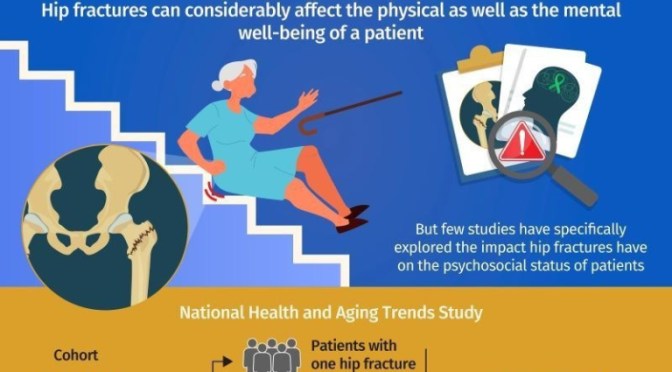
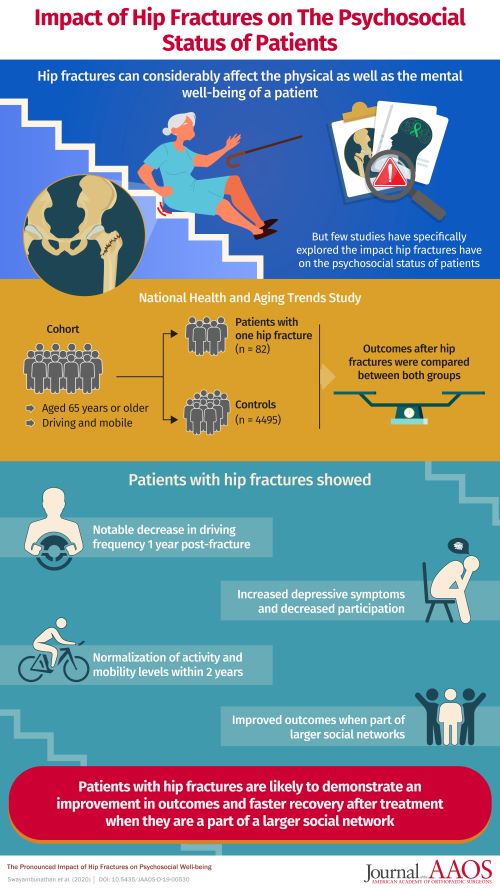
INFOGRAPHIC: PHYSICAL & MENTAL IMPACT OF HIP FRACTURES ON THE ELDERLY
HEALTH: ‘TOP FIVE DIETS’ RANKED – “KEEP IT SIMPLE”

Every year, as millions of people around the world forge new resolutions to eat healthier and lose weight, US News & World Report releases a conveniently timed ranking of the best diets. A panel of experts in obesity, nutrition, diabetes, heart disease, and food psychology rigorously rate each of 39 diets on seven criteria:
- Likelihood of losing significant weight in the first 12 months
- Likelihood of losing significant weight over two years or more
- Effectiveness for preventing diabetes (or as a maintenance diet)
- Effectiveness for preventing heart disease (or for reducing risk for heart patients)
- How easy it is to follow
- Nutritional completeness
- Health risks (like malnourishment, too-rapid weight loss, or specific nutrient deficiencies)
1. Mediterranean diet
Emphasis on fruits, veggies, whole grains, olive oil, beans, nuts, legumes, fish and other seafood. Eggs, cheese, and yogurt can be eaten in moderation. Keep red meats and sugar as treats.
2. DASH (dietary approaches to stop hypertension) diet — TIE
Eat lots of fruits, veggies, lean protein, whole grains, and low-fat dairy. Avoid saturated fats and sugar.
2. Flexitarian diet — TIE
Be a vegetarian most of the time. Swap in beans, peas, or eggs for meats, and consume plenty of fruits, veggies, and whole grains. You can look up more details because there’s actually a full meal plan involving breakfast, lunch, dinner, and two snacks to add up to a total 1500 calories per day. But feel free to also just swap in flexitarian meals ad hoc.
4. Weight Watchers
The first actual paid program on the list, WW uses a points system to guide dieters towards foods lower in sugar, saturated fat, and overall calories while consuming slightly more protein. There are a variety of paid WW plans, with the lowest being about $20 per month.
5. Mayo Clinic diet — TIE
A two-part system, with part one (‘Lose it!’) involving adding a healthy breakfast (i.e. fruits, veggies, whole grains, healthy fats) plus 30 minutes of exercise per day. You’re not allowed to eat while watching TV or consume sugar except what’s naturally found in fruit. Meat is only allowed in limited quantities, as is full-fat dairy. The second phase (‘Live it!’) is basically the first phase but with more flexibility. You aren’t realistically going to cut out sugar forever, and the Mayo Clinic diet acknowledges that. So the long term plan involves lots of whole grains, fruits, veggies, and healthy fats. Less saturated fats and sugar.
WOMEN’S HEALTH: HOW ‘HPV (HUMAN PAPILLOMAVIRUS) LINKS TO CERVICAL CANCER’
This video tells the story of Ana, a cervical cancer survivor, who encourages women to recognize abnormal Paps as an opportunity to speak to your doctor about gynecologic health.
Dr. C’s Journal: ‘Mutation’
Mutation is engrained in the very nature of life. Even if there were no X-rays, free radicals or toxic chemicals, mutation still would take place because of errors in the replication of DNA that occasionally escapes the proofreading mechanisms of meiosis and mitosis.
The majority of germline mutations produce LOSS OF FUNCTION, and are weeded out by evolution. In vertebrates, mutation is vital in producing the random changes in the DNA of germ cells of the ovaries and testes. If the mutation is beneficial, involving a GAIN OF FUNCTION, environmental selection acts to preserve the change, producing the diversity of organisms in the world, each exploiting a different environmental niche.
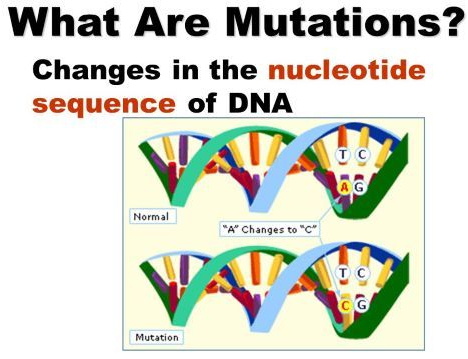
It is the rare species so versatile, like the shark, that can remain almost the same over eons without dying out. In the teeming unicellular world, mutation in the genome is similarly useful in allowing for variations which often prove useful for survival. The mutations thrive if the proper environment presents itself. For instance, antibiotic resistance may be encoded in a few members of a bacterial species, which become the dominant members in an infected patient on antibiotic treatment, and crowd out family members without the mutation.
In Viruses, RNA is often the Memory nucleotide. RNA is less stable than DNA. The resulting instability allows more mutations, and sometimes greater success. An example is the English Covid variant in the spike protein which leads to greater contagion. Hopefully, the spike protein change will not be so successful as to interfere with the effectiveness of vaccine-produced protective antibodies.
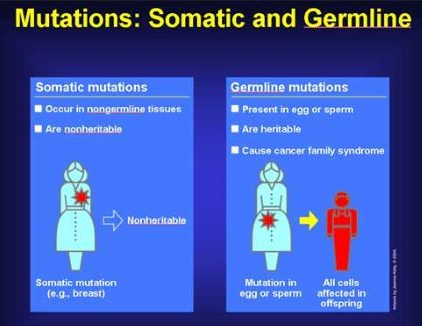
The Mutations we have been discussing refer to GERMLINE mutations, which occur in the gonads. In higher animals, germline mutations affect the offspring, which then carry the mutation. A GAIN OF FUNCTION mutation may confer greater adaptability and survivability, and perhaps may lead even to a different species, if the troop number is small and the environment demanding. Non-germ SOMATIC cell mutation may lead to undesirable effects like cancer, which is another discussion.
–Dr. C

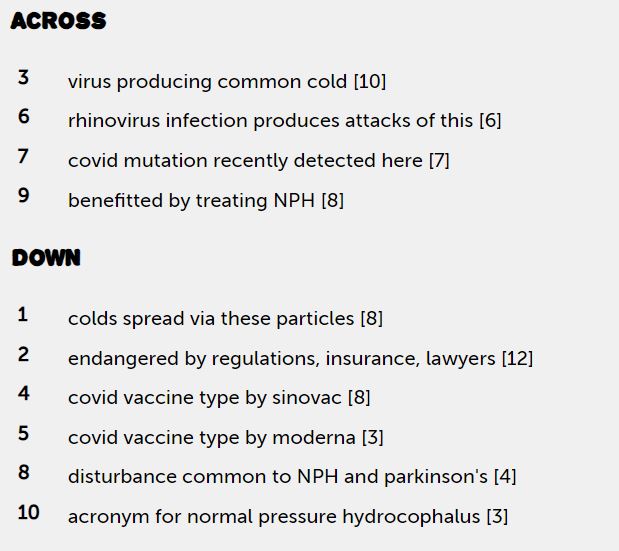
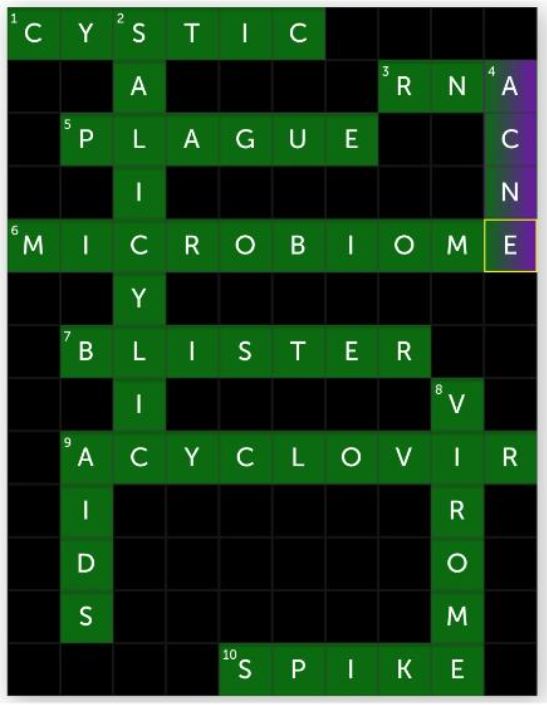
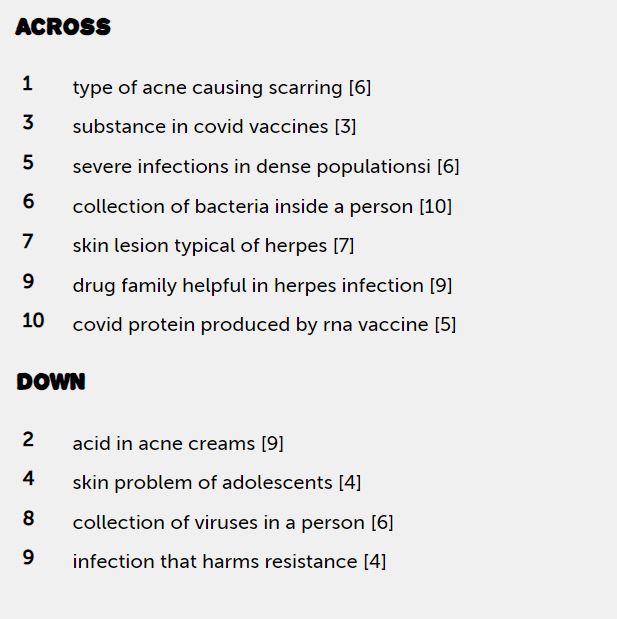
PATIENT EDUCATION: THE “2020 WEEKLY CROSSWORD PUZZLE CHALLENGE” (DEC 30)

HEALTH: ‘WHY THERE IS NO CURE FOR COMMON COLDS’
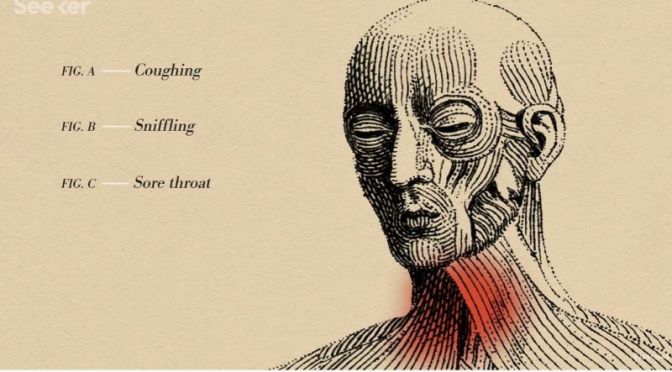
The common cold is the most common human disease in the world. So, why haven’t we found a cure yet?!
Called human rhinoviruses, these respiratory viruses measure between 15 to 30 nanometers in diameter, making them some of the smallest types of viruses out there. And it’s partly thanks to the viruses’ genetic makeup that they’re so good at replicating.
Human rhinoviruses travel like most other respiratory viruses via nasal secretions, which can be released through sneezing, or through contact with fomites, which are surfaces like a keyboard or a doorknob that can help spread the virus from one person to another. From there, all it takes is for a hand to touch one of the body’s mucous membranes like the eyes, nose, or mouth and bam — the virus has gained entry.
Soon after infection, coughing, sneezing, headaches, a mild fever and body aches can soon follow. And these symptoms may easily be confused with those of the flu. But unlike the flu, where symptoms start quite suddenly, it can take a couple of days for cold symptoms to fully develop. And they usually last anywhere from 7 to 14 days.

 Doctors Without Waiting Rooms