
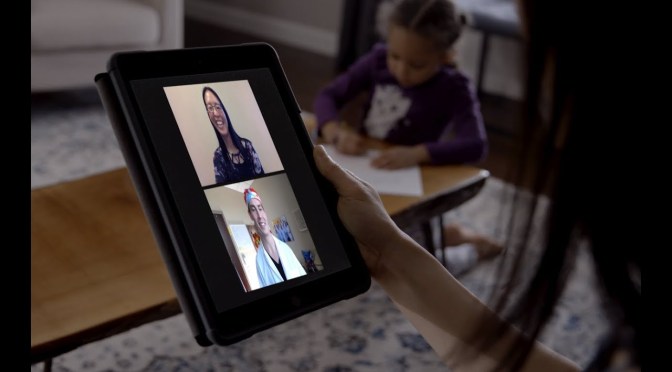
Mayo Clinic is happy to offer telemedicine as an option for patients interested in seeking care. Modern technology provides a virtual platform for health care providers and patients to initiate partnership in care in a secure, safe and convenient way.
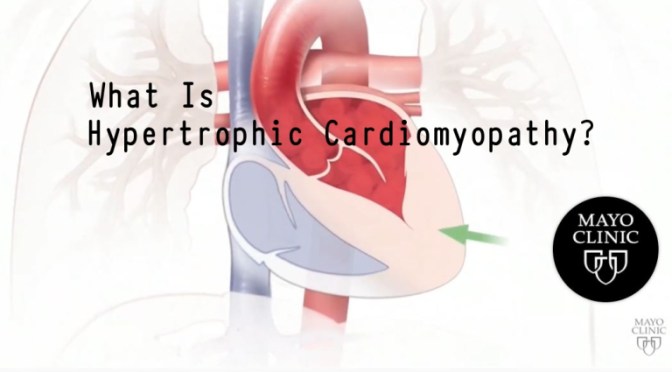
Hypertrophic cardiomyopathy is a thickening of the heart muscle, making it more difficult to pump blood. Dr. Steve Ommen is a Mayo Clinic cardiologist who specializes in the disease. He says shortness of breath or chest pain, especially during exercise, are common symptoms. Many people with the disease won’t have any significant health problems. But there are cases that require treatment. If a patient has symptoms that affect quality of life, the disease is treated with medications. Surgery or other procedures also may be necessary in some cases.
The new eCornell course, which features a curriculum in-line with the Association of American Medical College’s Telehealth Competencies, offers instruction on how to harness the digital health medium to effectively create a therapeutic patient-provider encounter. Students learn essentials including verbal and nonverbal communication strategies to convey empathy and compassion, how to overcome technical challenges, and how to conduct remote patient exams.
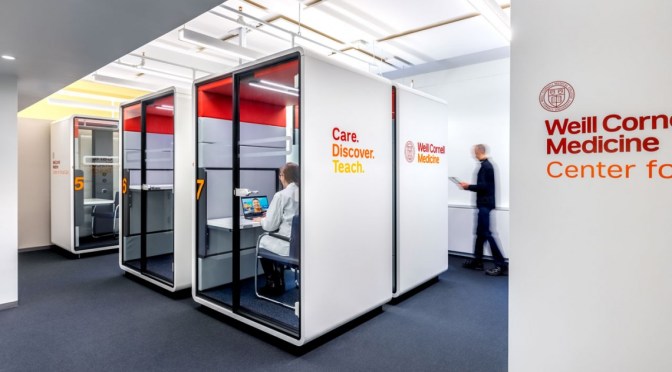
Digital health and the tools for patients to virtually reach their health care providers have quickly become a mainstay of medical care during the COVID-19 pandemic. Weill Cornell Medicine’s Center for Virtual Care is positioned at the leading edge of this health care delivery transformation. Leveraging their years of experience with video visits, the center’s experts train providers how to best use it to give their patients comprehensive, compassionate care.
DR. C Comments
Telehealth offers significant advantages to both patient and doctor. It should be a welcome and valuable addition to the medical profession in its desire to deliver comprehensive care to patients. However, Telemedicine faces a number of barriers both from the medical side and the patient side, not to mention insurance, lawyers, and government.
A good video was posted from Cornell, which aims to get doctors to develop a set of behavioral skills which will make telemedicine more personal. Of course, training should be extended to peripheral sensing devices that will enhance the ability of doctors to gain information at a distance, as well as familiarization with a user-friendly electronic system to navigate.
Patients also need a special course in how to become more Competent in the technical aspects of telemedicine, sensors and other challenges. Since Telemedicine visits occur at widely spaced intervals, even an intensive training course might find the patient unfamiliar with the system at the time of need.
Recently, I signed up for a zoom consultation At UCLA medical Center. It was very helpful to have a knowledgeable person on the phone directing me through the maze that got me signed up to “my chart”, The electronic system that UCLA uses. Even though I took Notes, when it is actually time to get into the system and go to the virtual waiting room of my chart, I may well have difficulty.
And that’s just one system. It seems as though doctors offices, different medical systems, and different health plans all have their own unique electronic systems which are enough different to be confusing to the patient.
I can only hope that the newer generations, having grown up using these electronic devices, will have enough facility to easily interface with their doctor electronically. Until the older generation passes on, however, there will be ongoing challenges.
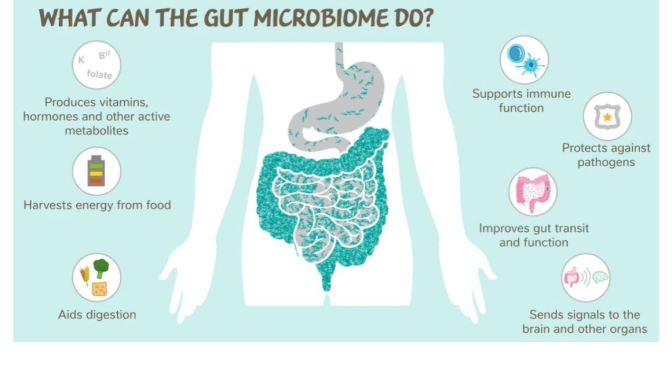
Microbiomes are complex microbial ecosystems, and amongst those found in and on human body, gut microbiome is the most complex. It performs important functions, and is increasingly recognized as a key element influencing long-life health. Specific nutritional components, such as prebiotics and probiotics, can be used to shape healthy gut microbiome. Nestlé Research has made significant contributions in this field for over 30 years.
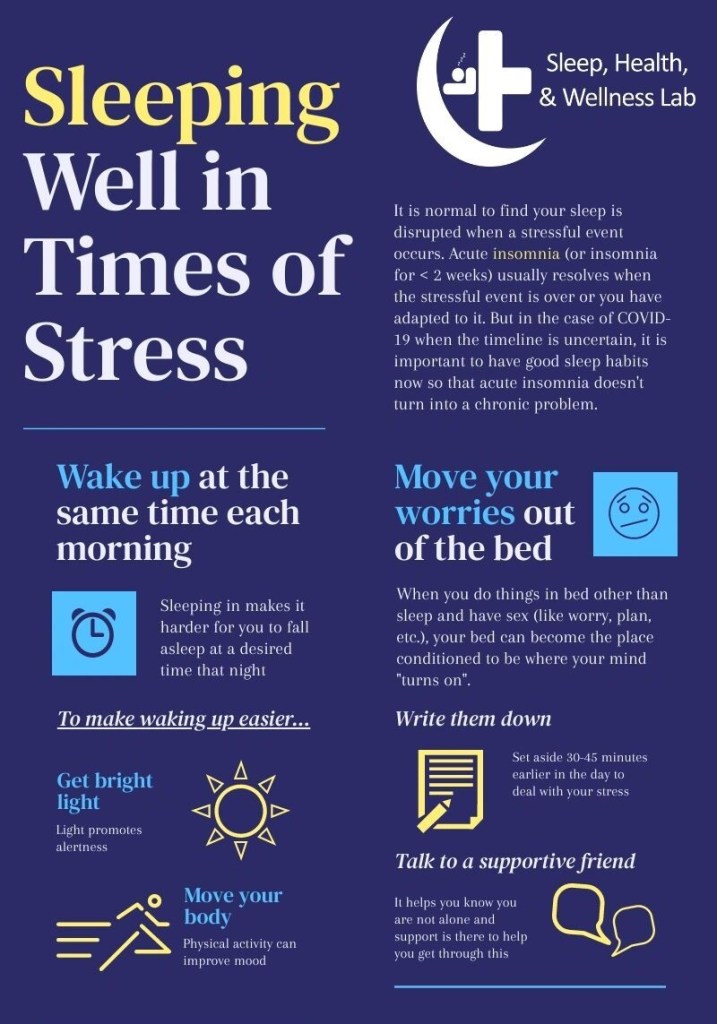
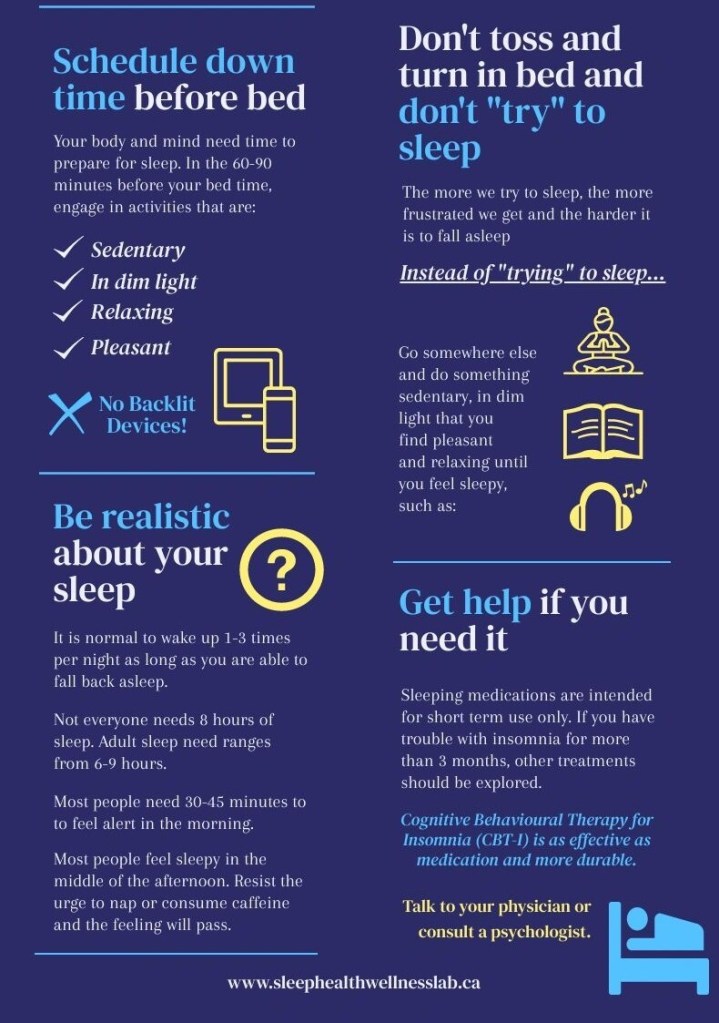
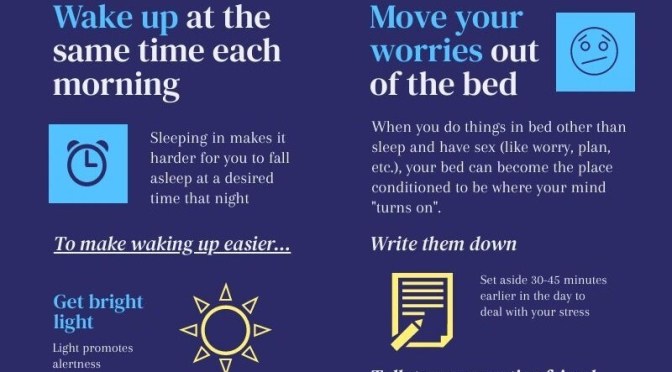
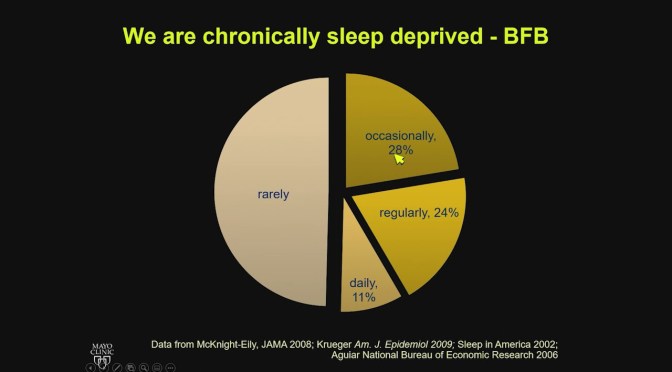
Mayo Clinic Division of Preventive Cardiology will be preparing a series of recordings focusing on Cardiovascular Disease states. This is the Sleep Series and this particular one focuses on what is adequate sleep and does it benefit Cardiovascular Health.

 Doctors Without Waiting Rooms