
A weekly podcast on the latest medical, science and telehealth news.
Category Archives: Resources
Health: Why Dental Care Costs So Much In The U.S.
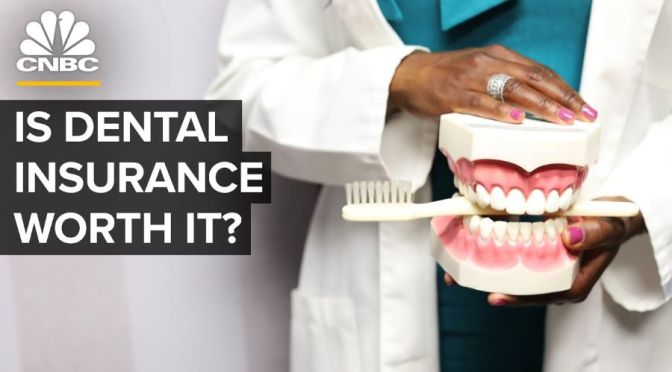
Americans have a tendency to avoid the dentist. More than 40% of Americans said they don’t see a dentist as often as they would like, according to a 2018 survey by the American Dental Association. Their number one reason for skipping visits is cost, even among those with dental insurance. Dental insurance policies can be confusing and difficult to use, making some Americans wonder whether dental insurance is worth investing in at all. Watch the video to find out to learn what it actually costs to go to the dentist, whether dental insurance is worth investing in and what patients and policymakers can do about it.
Video timeline: 0:00 – Introduction 1:42 – How dental insurance works 4:15 – Dental care costs 6:17 – Is dental insurance worth it? 9:49 – Solutions
DR. C’S JOURNAL: SIGNS & SYMPTOMS OF NARCOLEPSY
Narcolepsy is a sleep disorder with daytime drowsiness, sudden episodes of falling asleep, sometimes sudden loss of muscle control, and occasionally hallucinations.
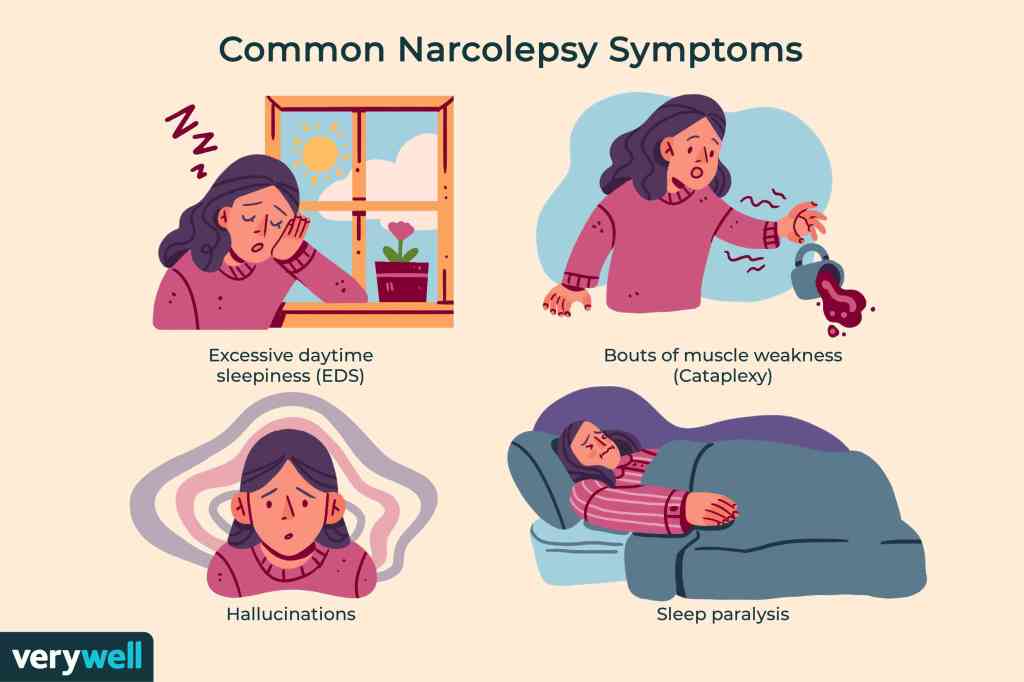
If this sounds like the bad, overbearing, uncontrolled brother of REM sleep, that is because it is. The features of REM sleep are there; sleepiness, muscle paralysis(cataplexy) and Hallucinations(dreams). This combination of symptoms can often disrupt jobs, and can be dangerous, leading to accidents.
The cause of narcolepsy is unknown, but there is an association with decreased blood levels of the neurochemical hypocretin. The disease starts in youth, and sometimes occurs and families. The patients are often overweight, and can have sleep apnea in addition.
The Diagnosis is usually made in specialist sleep centers, which find an unusually rapid entrance into sleep, beginning in the REM stage. Normally REM sleep occurs later in the 90-minute sleep cycle.
There are a lot of different stimulants and some sleep-restoring and paralysis-reducing medications used to treat narcolepsy. This and other information may be found on the accompanying Mayo clinic article.
—Dr. C.
Covid-19 & Flu Can Spark Sepsis, Endangering Heart
Healthcare: Pros & Cons Of Medicare Advantage
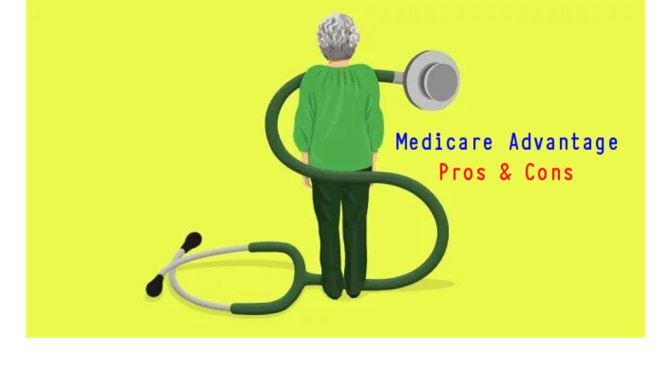
Medicare Advantage is an all-in-one managed care plan, typically an HMO or PPO. Advantage plans provide the benefits of Part A and B, and most also include Part D, or prescription drug coverage. Some offer extra benefits not available through Original Medicare, such as fitness classes or vision and dental care.
If you opt for Medicare Advantage, you typically continue to pay your Part B premium as usual, but you will pay little or no additional premiums for your coverage. You generally have copays or coinsurance, but once you reach your out-of-pocket limit, the plan will pay 100 percent of your medical costs covered under Medicare for the rest of the year. The out-of-pocket limit does not apply to prescription drugs or extra benefits.
To keep premiums low, Advantage plans generally require you to get your care from a network of doctors, hospitals, and other providers, and you typically need pre-authorization for specialized care.
Read more
Type 1 Diabetes: What Causes Hyperglycemia?
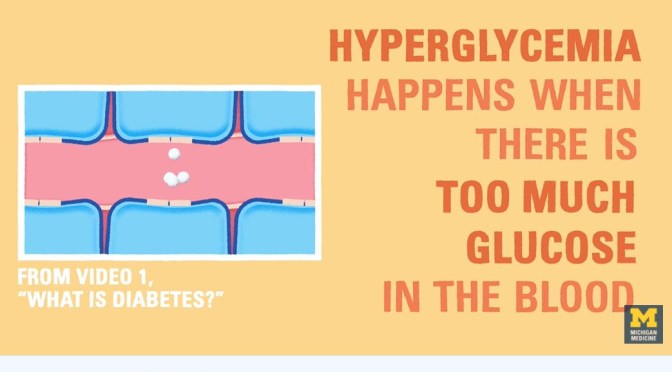
In this video, you’ll learn about what causes hyperglycemia, what symptoms to look for, and how it affects the health of people living with type 1 diabetes.
COMMENTARY:
Hyperglycemia refers to an excess of glucose in the blood stream. The fact that we do not all have hyperglycemia is a tribute to the fine-tuned regulation, or homeostasis, of the normal body,
Glucose is our main source of energy especially for the brain. When we eat, our intestinal tract breaks down the complex starches and sugars we eat into glucose, which is absorbed into the bloodstream. This triggers the pancreatic beta cells to produce insulin, which allows glucose to get through the cell membrane and into our cells.
Hyperglycemia results mainly when pancreas produces insufficient insulin, or our cells exhibit insulin resistance. This can occur in diabetes, other diseases affecting the pancreas or stressful conditions which decreases insulin sensitivity.
Excess of glucose in the blood stream washes out water and salts with excessive urination, causing thirst, and drying out of the cells; the distorted vision of hyperglycemia is one such symptom thot results.
In the most common types of hyperglycemia, the cells are starved of glucose, and need to breakdown fats for energy. This produces a ketosis, or acidosis of the bloodstream, increasing the dehydration.
My wife suffered from diabetes, and had her only severe episode in Canada. She started vomiting before we discovered the high blood sugar, and couldn’t drink enough fluids by mouth. She was hospitalized in Canada and received excellent treatment with intravenous fluid and insulin.
Over the years, chronic excess of sugar attached to the protein of her cells, as manifested by excessive hemoglobin A-1 C, or glycohemoglobin, in her bloodstream. She passed away a decade ago.
A healthy lifestyle, with good sleep, diet and exercise is essential
Sugar should be considered a poison.
Regular vegetables fruits and cereal grains help avoid the excess sugar of fast foods. Exercise helps to utilize extra sugar and mitigate stress.
Please refer to the article on hyperglycemia by the Mayo clinic for a more complete discussion.
—Dr. C.
Read morehttps://www.mayoclinic.org/diseases-conditions/hyperglycemia/symptoms-causes/syc-20373631
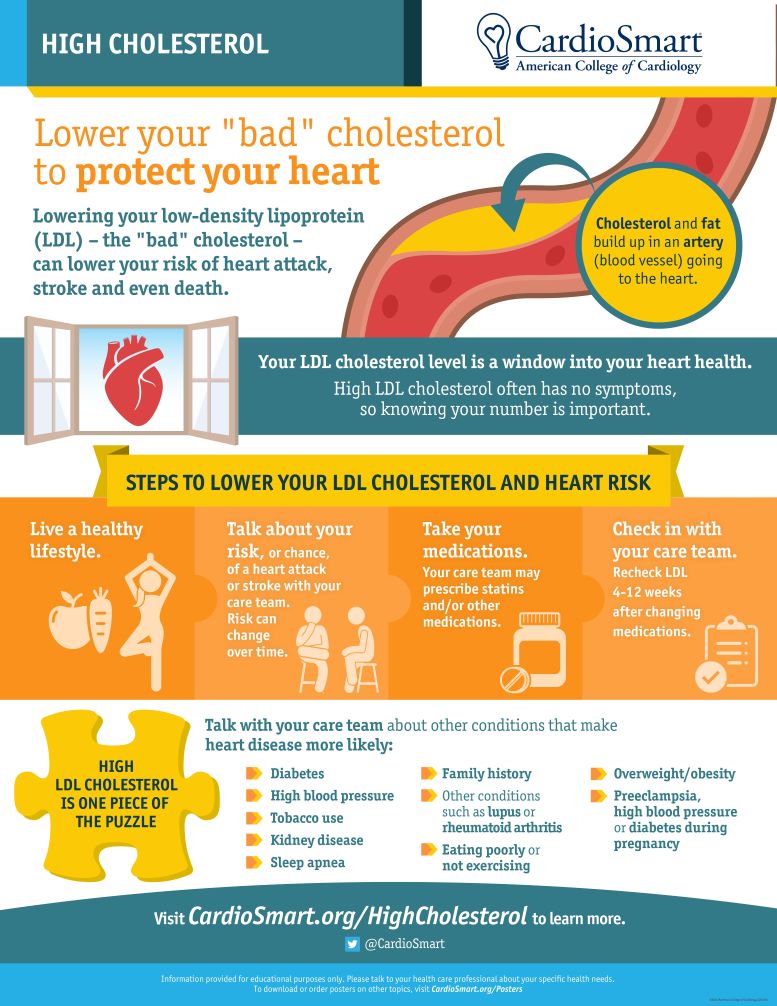
INFOGRAPHIC: LOWERING LDL “BAD” CHOLESTEROL

‘HARVARD MEDICINE’: THE AGING ISSUE – AUTUMN 2021
THE DOCTORS 101 CHRONIC SYMPTOMS & CONDITIONS #59: Lyme Disease
Lyme disease is high on every hard-to-diagnose disease list, because it is relatively uncommon, and can produce a variety of disturbing symptoms often classified as psychosomatic.
It is caused by a deer tick bacterial injection of the Borrelia genus, which can progress to cause widespread problems. Not every tick bite will inject the bacterium, and ticks that have been attached for less than 12 to 24 hours are unlikely to have done so.
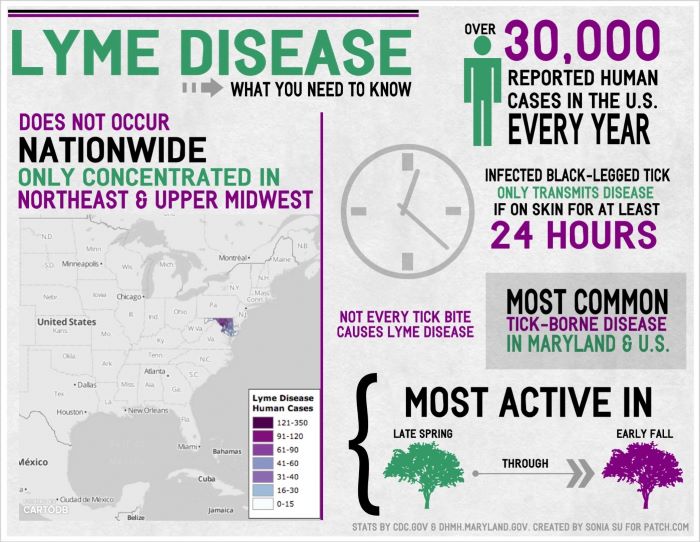
Risk factors include living in a wooded area, particularly on the east coast. With people fleeing the cities in the wake of Covid, exposure is more common.
The NYT columnist, Ross Douthat wrote a book about his travails: “patient heal thyself“. In this day and age of overworked doctors, and with the huge variety of medical information available online, more and more people are going on a “medical odyssey”.
A painless red swelling, followed by an expanding area of red(erythema migrants), is often the best medical clue. Flu-like symptoms and enlargement of the lymph glands can accompany the “rash”. Tests are not positive for several weeks, and may be negative if and when the late symptoms of Lyme disease develop.
The earlier you get treated with a 10-day course antibiotics, the better. The problem is that not all tick bites produce infection, and so overtreatment is a real possibility.
Late symptoms can include fatigue, mental symptoms arthritis, liver problems and a variety of other symptoms. Like another bacterial disease, syphilis, lyme disease can be the great mimic.
Prevention is paramount. People living in endemic areas should wear long sleeves and pants when they go out into the woods, use insect repellent , and make sure their animals are kept tick-free.
A DWWR article on Nootkatone may be worth your time to read, since DEET and many other insecticides are toxic and have to be used with care.
Please refer to the following article by the Mayo clinic for more organized information.
 Doctors Without Waiting Rooms