Category Archives: Prevention

Basal Cell Carcinoma: Diagnosis And Treatment

The skin is The largest organ in the body. It certainly receives the largest amount of ionizing radiation from the sun, the most common cause of genetic mutation of cells of the skin. As you get older, these mutations build up, leading to an increasing number of skin cancers that need removal.

In my younger years, I had red hair and lots of freckles. Between the freckles I had a little pigmentation to protect me from the sun. The only sunscreen then available was a messy white paste called zinc oxide, and I resorted to it infrequently. I was out a lot playing tennis, hiking and camping, and even skied once or twice. I did wear hats a lot, especially as I got older and wiser, but still it is amazing I’m not having more trouble now.
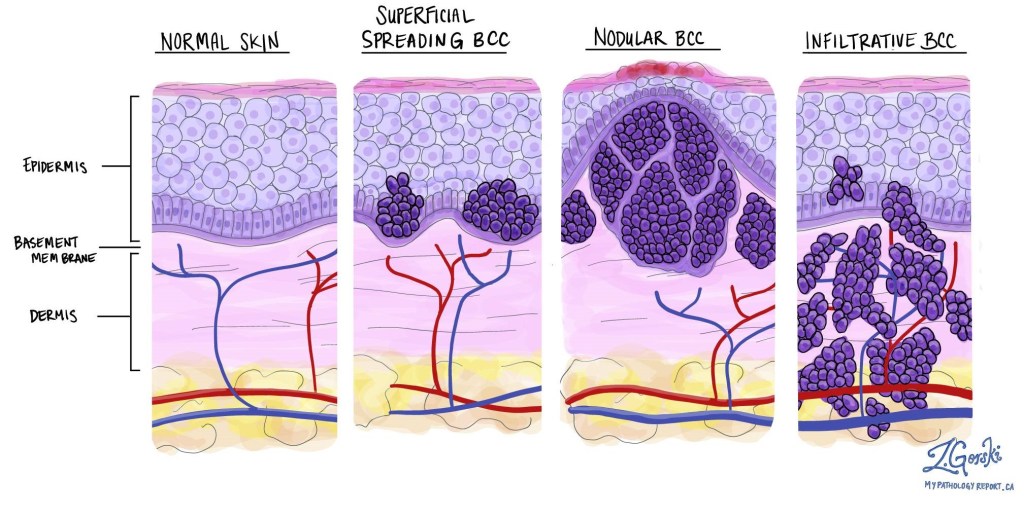
I go to the dermatologist every 3 to 6 months to get my actinic keratoses frozen off. These are the little patchy,rough irregularities in the skin that can grow into basal cell, and sometimes squamous cell cancer. I have had just one skin cancer, a basal cell, which I discovered when there was a patch on my chin that kept bleeding when I shaved. One of my classmates in medical school was a plastic surgeon, and kindly removed this lesion with a minimum of scarring.

Lots of doctors, usually Dermatologists, currently specialize in Mohs surgery, in which the basal cell  cancer is gradually shaved off until its margins, the edge of the shaved biopsy, show no cancer.

The moral of the story is to avoid unnecessary ultraviolet exposure. Don’t go to tanning studios. If you must be in the sun, put on sunscreen, and wear a hat. Some would argue that if you stay out of the sun you will get vitamin D deficiency. It is true that vitamin D Is important, and I would recommend checking your blood vitamin D level every year or so. But would rather take my vitamin D in a capsule than get it from sun exposure.

—Dr. C.

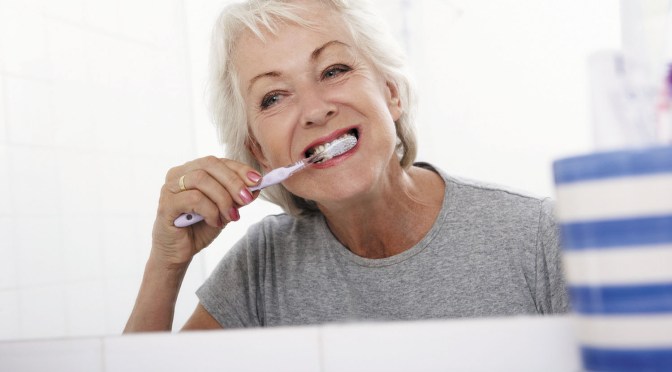
Oral Health: Brushing, Flossing & Mouthwash

#1. If your gums are bleeding, you’re brushing too hard.

True, sometimes. Bleeding gums are usually a sign of gum disease, but over-vigorous brushing can cause gums to bleed as well. Pregnancy, poorly fitting dentures, and some medications, such as anti-clotting drugs, also can contribute to bleeding gums. However, if you’re brushing correctly (see the next question for tips!), healthy gums generally will not bleed.

#2. It doesn’t matter how I brush, as long as I brush for two minutes.

False. One of the better ways is to move your toothbrush in a circle. This is called the Modified Bass Technique. This circular motion picks up the plaque on your teeth and sweeps it out. The other ways of brushing only move the plaque and push it against other surfaces. To use the Modified Bass Technique, hold your brush at a 45-degree angle to the gum line. Let the bristles reach just beneath the gum line.

Regardless of the technique you use, it’s also possible to brush too hard. This can damage your gums and wear away tooth enamel. Gentle pressure is all that’s needed to remove debris and plaque.

Two minutes of brushing is ideal, though. If it helps, set a timer. Use a fluoride toothpaste, and floss at least once a day. Brushing and flossing before bed is especially important in order to remove food particles from your mouth before you sleep.

#3. There’s no single “right way” to floss.

False. For effective flossing, wrap the floss around the middle finger of each hand, leaving a section in the middle that’s several inches long. Use your thumbs and index fingers to hold that section. Gently work the floss into the space between two teeth and press it against one of the teeth cre­ating a C-shape, sliding it up and down a few times. Then press against the other tooth, repeat, and move to the next space. These motions scrub away the plaque. Make sure to move gently around the gums to avoid placing damaging pressure on them.

Floss holders, floss tape, and different types of floss offer something for every mouth.

#4. Electric toothbrushes are often more effective than manual ones.

True. Research has found that electric toothbrushes are better at removing plaque and reducing the risk of gingivitis. Proper use of a manual toothbrush should be as effective as an electric toothbrush, but most people don’t remove enough plaque with a manual toothbrush; they don’t brush long enough or use correct brushing techniques.

A research review by Cochrane, an independent review organization, found a “moderate benefit” for using an electric toothbrush over a manual one. And an 11-year study published in 2019 found that people who used electric toothbrushes had lower rates of tooth loss, as well as healthier gums and less plaque, compared with people using manual toothbrushes.

#5.  Mouthwash can be used instead of brushing and flossing.

False. The American Dental Association (ADA) says: “Using a mouthwash does not take the place of optimal brushing and flossing.” This doesn’t mean that mouthwash is useless, however. It can fight bad breath, and the ADA notes that some mouthwashes help reduce the risk of gum disease and tooth decay, but only if used as part of a daily oral hygiene routine.

Over-the-counter mouthwashes may be targeted toward prevent­ing decay (fluoride rinses), bad breath, mouth sores, or gum disease. Prescription mouthwashes can help treat gum disease, dry mouth, mouth sores, or dry socket. Most mouthwashes prescribed for gum disease con­tain chlorhexidine, which is also in some over-the-counter mouthwashes in lower concentrations. Talk with your dentist to decide which mouthwash is best for you.

Brain Health: Endurance Exercise Raises Cognition

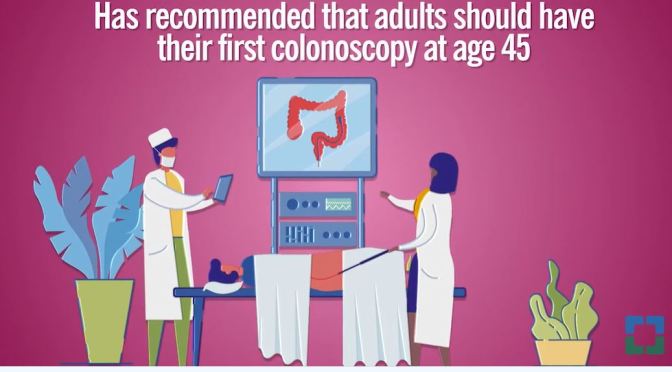
Cancer: What Age Should You Get A Colonoscopy?

According to the American Cancer Society, colorectal cancer is the third most common cancer diagnosed in both men and women in the United States. While diagnoses are decreasing in people over the age of 50, there’s been an increase for those who are younger.

For more information on why you should get a colonoscopy and how to schedule yours today, please visit https://cle.clinic/3oqWdy6

AGING: THE IMPORTANCE OF CARDIOVASCULAR EXERCISE

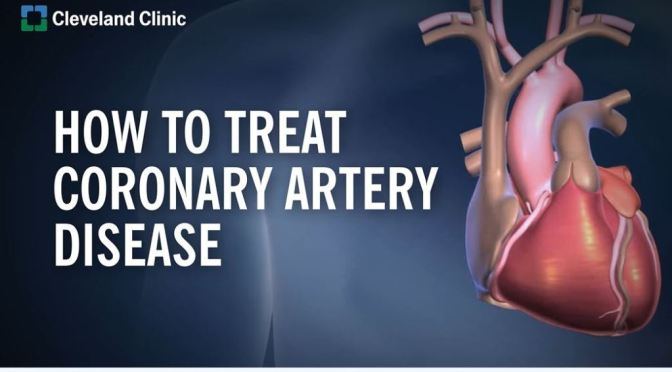
MEDICINE: HOW TO TREAT CORONARY HEART DISEASE

More than 360,000 people died from coronary artery disease in 2019. While there is no cure to the disease, you can take steps to lower your risk and manage the harmful plaque build-up impacting your health. The information in this video was accurate as of 11.25.2021 and is for information purposes only. Consult your local medical authority or your healthcare practitioner for advice.

Chapters: 0:00 Intro 0:12 What is coronary artery disease? 0:26 What are the signs of coronary artery disease? 0:41 Can you reverse coronary artery disease? 1:04 What are statins? 1:34 What are the treatments for coronary artery disease? 1:46 Make lifestyle changes to reduce your risk. 2:07 Taking medication can help treat coronary artery disease. 2:25 What is a coronary stent procedure? 3:03 What is coronary artery bypass graft surgery? 3:36 What’s the best treatment for coronary artery disease? 3:45 When should you talk to your doctor about coronary artery disease symptoms?

Prevention: Side Effects Of Excessive Earwax

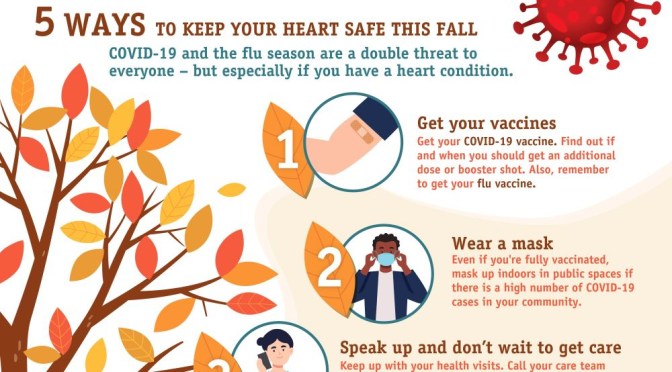
Covid-19: The Unwanted Thanksgiving Day Guest

The risk of Covid starts with the level of infection in your community. If high or rising,of course, you have to be more careful. If low or dropping, you can be less worried. The whole adventure revolves around your personal tolerance for risk.

If you are healthy, young and fully immunized, especially with a booster, you can take more risk. If you have actually had test-positive  Covid, that counts as one injection.

Remember that your immunity begins to wane after 3 to 6 months.
If you have an immune deficiency, such as age more than 60, obesity, or a variety of immune associated illnesses, you should be more careful.

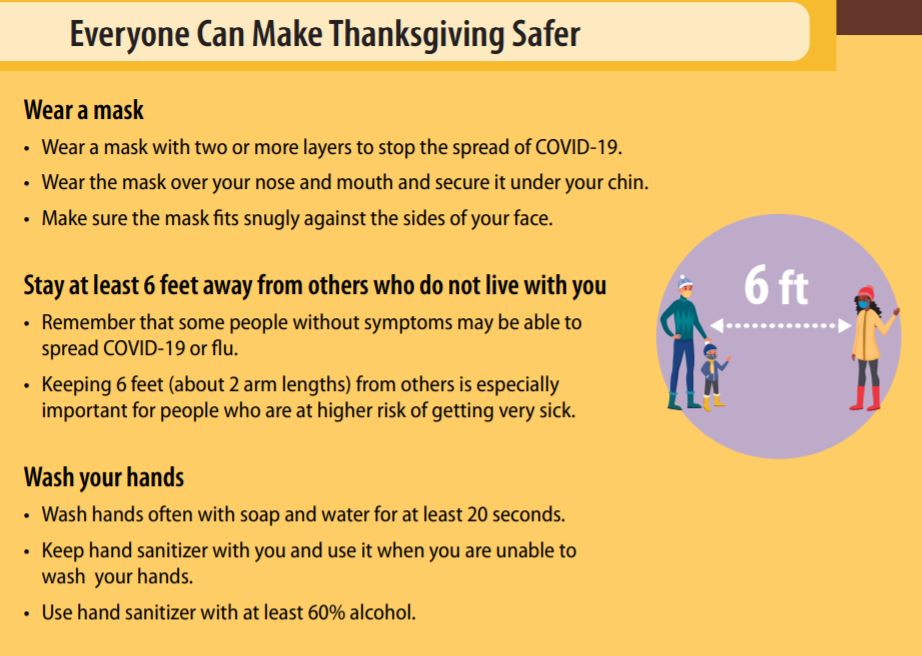
If you have decided to go to one or more holiday venues, you might consider reducing your exposure for a week before, or possibly take a rapid test the day before you go, as a courtesy to the other guests. At the party, you can choose to be as close to a window, or fan, as possible, or prefer those groups who are outside. Wearing a mask might also be helpful, and at least will tell the other guess that you are worried.

The catch 22 is that if you are really worried you might consider not attending the gathering. Distancing to more than six or 9 feet is still a good idea, but makes you seem like a Grinch, and is difficult at a party. Do remember that the greater the density of people the greater your risk. If you are a host, especially in an area where Covid is rampant, your guests should be vaccinated. You might consider asking your guests to get a rapid test the day before they come. 

If you have children who are unvaccinated, you might ask them to wear a mask, and keep their distance from the guests. You could open the window a crack to improve the ventilation in the room, and hold as much as possible of the gathering outside your house. You could ask the guests to wear masks when they are not eating. The N-95, KN-95, and KF-94 masks are all excellent, and will protect the people who wear them to some degree, and be very protective against their spreading the Covid virus.

After the gathering, especially if good protocol has not been followed, you might be alert to the possibility of an infection within a week to 10 days following the party. If you develop symptoms, a prompt rapid test is advisable. If positive, you can check with your doctor about the possibility of IVIG, or other medications. If negative, and the symptoms persist, the test should be repeated, since they are not 100% reliable.

There are a couple of oral  tablets that are on the verge of being approved. You might ask your doctor about fluvoxamine, an already approved medication.

Immunization is not a ironclad guarantee against getting the infection, or spreading it. Unfortunately, Covid is still lurking in the background, and gatherings for the holidays should be evaluated on a risk-reward basis.

For an interesting discussion of this topic, I would recommend the Sunday, November 21, 2021 edition of the New York Times, where three knowledgeable people discuss individual situations.

—Dr. C