Category Archives: Opinion

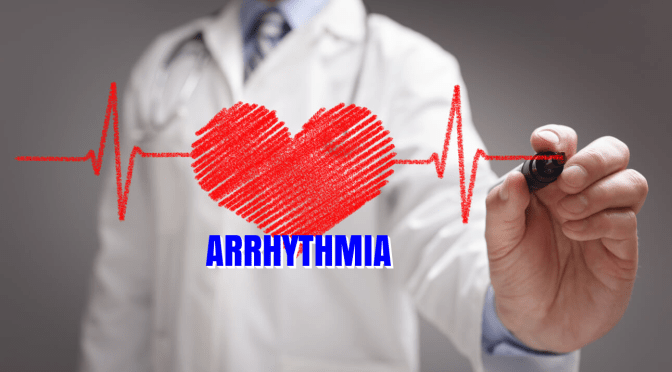
HEART ARRYTHMIAS: “ATRIAL FIBRILLATION” (AFIB)

The normal adult heart beats almost as regularly as a metronome, between 60 and 100 beats per minute. I say ALMOST, because when you let your breath out, the VAGUS nerve slows the normal heart slightly.

This is called Sinus Arrhythmia; SINUS because the electrical signal for the heart to contract originates in the usual place, the SINUS NODE.

ARRYTHMIA refers to the irregularity of the beat. Normally, the sinus node originates the electrical impulse, automatically generating the rhythm. The impulse spreads in an organized fashion throughout the Atria causing them to contract and send the collected blood to the ventricles.
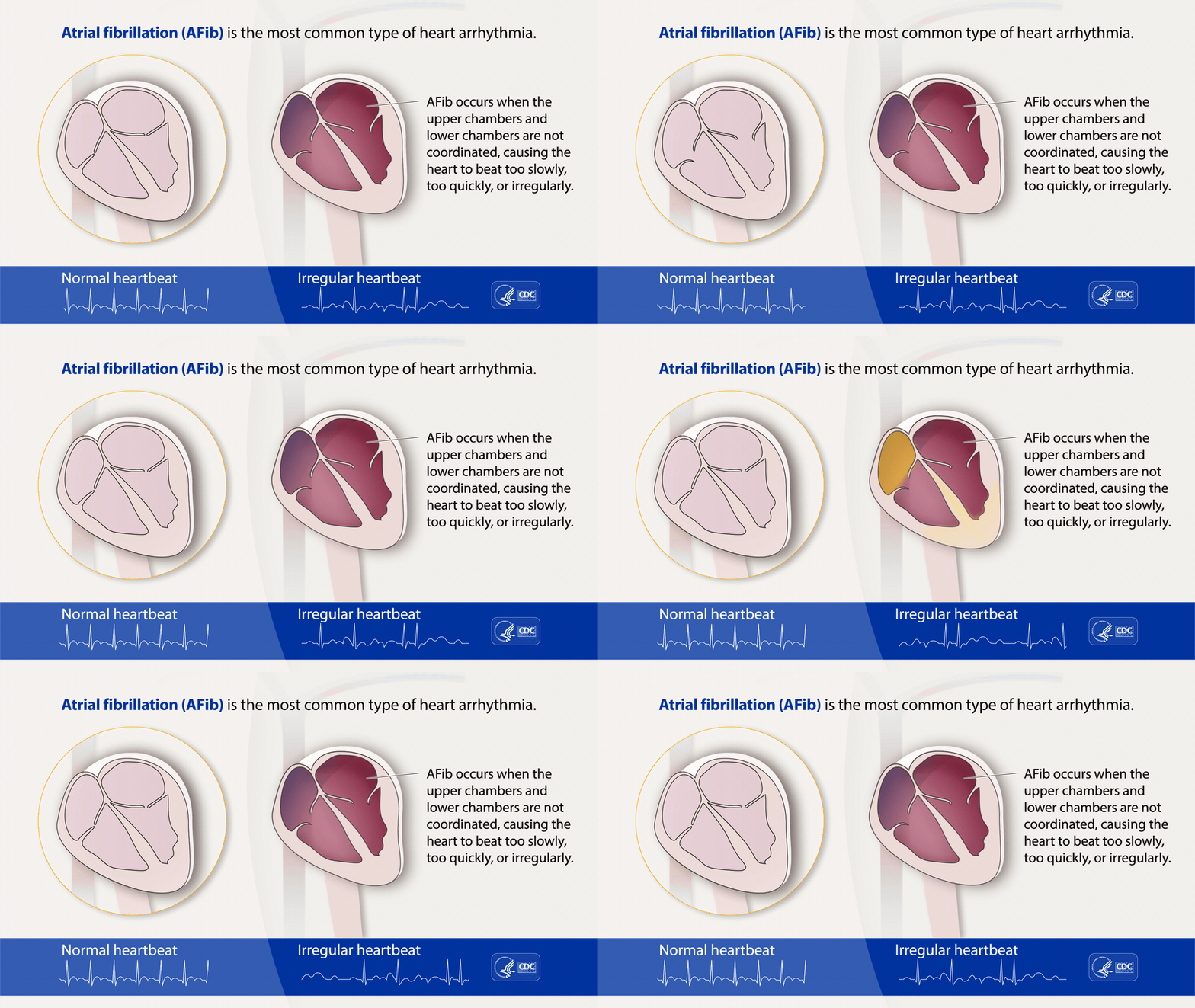
Atrial Fibrillation | cdc.gov

The AV node is then activated, and after a slight delay, to allow the ventricles to fill, the impulse spreads to the Ventricles, causing them to contract, The heart is designed to be most efficient above 50 beats per minute, and below about 120. The rate is higher in the young and athletic. Athletes often have an efficient resting pulse in the 40s.

The arrhythmias usually cause the heart to beat too FAST. The most common arrhythmia is ATRIAL FIBRILLATION. In this condition, the upper chambers, the Atria, do not beat in a coordinated manner. The sinus node no longer regularly originates the electrical impulse because the electrical activity is continuously traveling in a disorganized way throughout the upper chambers in a self-propagating manner.

This quivering of the Atria allows the blood to pool in an area called the Atrial Appendages. This stagnant, pooled blood tends to clot, particularly if there is inflammation already present in the heart from vessel damage, obesity, or simply old age.

These CLOTS may find their way into the systemic circulation, and cause a STROKE. Another symptom of Atrial fibrillation is related to the irregular beats, which creates the sensation of PALPITATIONS, which causes you to be AWARE of your heart beating, and can be disturbing.

ATRIAL FLUTTER, and SUPRAVENTRICULAR TACHYCARDIA are other Arrhythmias. Some conditions cause the heart rate to be too SLOW. SICK SINUS SYNDROME is when the sinus node, the PACEMAKER, becomes more and more disordered, sometimes causing the heart to slow excessively, and produce FAINTING, sometimes producing a rapid heart rate.

Atrial Fibrillation Compared to Normal Conduction Useful graphic ...

Heart block is where the signal from the atria don’t reach the ventricles properly, sometimes not at all. The unsignaled ventricles still beat, but more slowly by an intrinsic, “idioventricular” rhythm.

My own experiences with ATRIAL FIBRILLATION will illustrate the problem and it’s treatment. A RAPID HEART BEAT was my introduction into arrhythmias. The rate was 140, and the EKG showed ATRIAL FLUTTER.

My Doctor gave me some PROPAFENONE to attempt a “chemical conversion” but it didn’t work, and i was given a CARDIOVERSION in the ER. The Arrhythmia returned in the form of ATRIAL FIBRILLATION within a couple of weeks. Back to the ER, and another cardioversion.

I was given propafenone, but that didn’t hold me much longer. A RADIOFREQUENCY ABLATION, where the focal points of aberrant electrical activation were isolated kept me in SINUS RHYTHM for a couple of years.

When the Fibrillation returned, Propafenone worked for a while, after which another Ablation, more propafenone, bood level regulation of propafenone to peak at night ( I invariably started fibrillation at night) and so on. With periodic trips to the ER for Cardioversion, I got by for a Decade.

Finally, when regulating the Propafenone couldn’t hold me in Sinus Rhythm longer than a month, I gave up, let myself go on fibrillating, and started taking ELEQUIS to PREVENT EMBOLI AND STROKE. Back when I first started fibrillating I had 2 main reasons for wanting to return to sinus rhythm..

First, I wanted to avoid ANTICOAGULANTS, which initially meant WARFARIN, and regular blood checks. At least, when I finally resigned myself to Fibrillation, Eliquis was available.
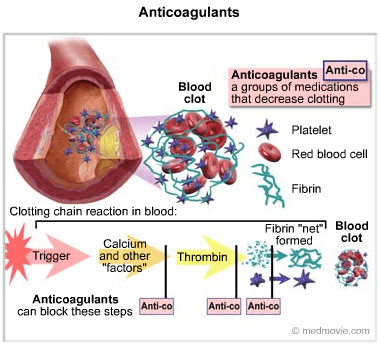
The second reason was to avoid medications, including beta blockers,which would be necessary to keep my heart rate in the acceptable range, 80 or below. By the time I gave up on controlling the AF, my rate was in the 70s, going down into the 50s, even while fibrillating.

This good fortune may have been caused another mild heart aberration I had all along, a Partial BUNDLE BRANCH BLOCK, which slowed down the electrical signals to my ventricles. Sometimes you get lucky, and 2 “wrongs” sometimes DO make a “right”. But don’t count on it.

Keep yourself as healthy as possible. Atrial fibrillation is more common with obesity and heart disease. SLEEP APNEA is also a cause, and should be ruled out if you develop Atrial fibrillation. I had a Sleep study, which showed that I had Sleep Apnea, which will be a story i will tell later.
–DR. C

HEALTH: COFFEE & THE EFFECTS OF CAFFEINE

Coffee has a long and colorful history. Billions of cups are consumed daily, and with such a large and passionate audience, I offer you a taste of the aura which abound on the subject of this popular drink.

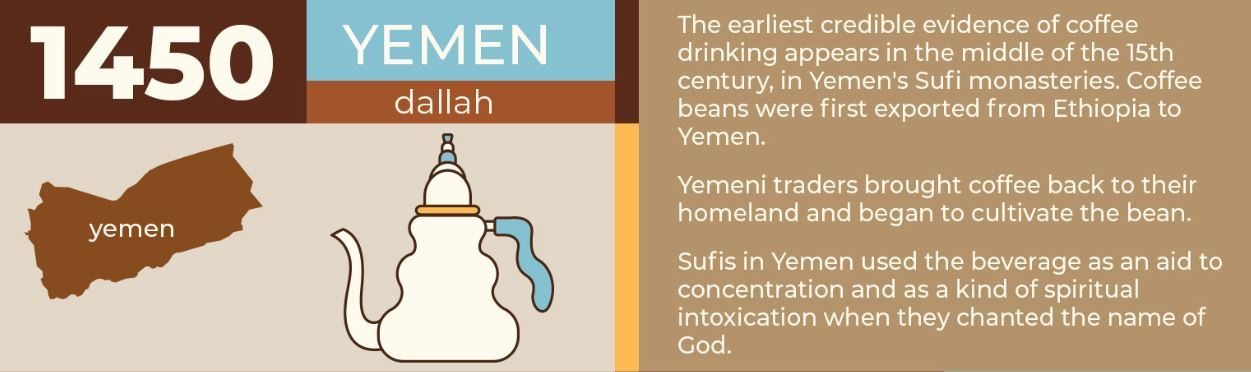
The African story of happy animals galloping around at night after eating some red berries from bushes more than a thousand years is probably a myth. It wasn’t until 15th C. Yemen that the documented history of coffee begins.

The substance that was initially ingested wasn’t even a beverage, but was more like an evil-tasting paste. The reason that it endured was undoubtedly it’s stimulating quality.

The Muslim world proscribed alcoholic beverages, but coffee enabled the faithful to pray all night, and was welcome. The Time taken to bring the berries to market often resulted in spoilage. The cargo had to travel from Ethiopia to the port of MOCHA in Yemen, and by a long Voyage to middle eastern destinations.

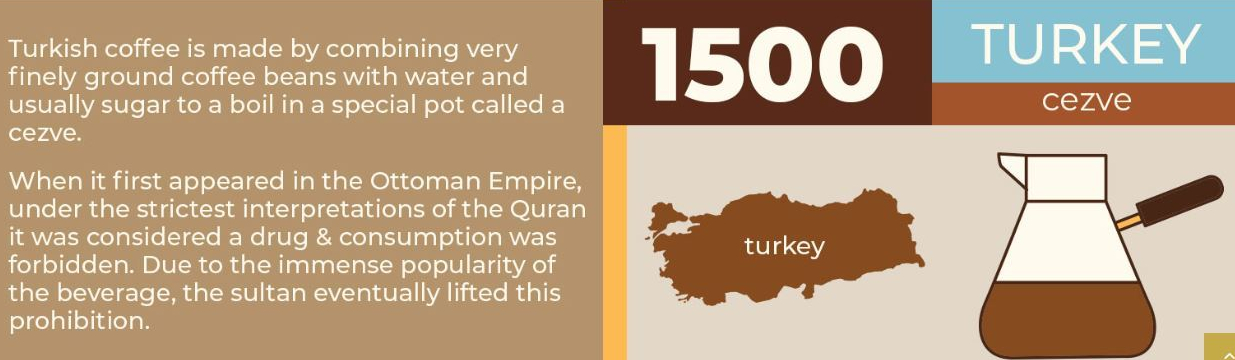
With the blessings of the Ottoman Empire, however, roasting of the coffee berry was developed, and the resulting coffee bean was more stable. The market heated up, and plantings of C. arabica spread to JAVA and beyond. Eventually, the pleasures of Coffee reached Vienna,and by 1652, the first House dedicated to coffee drinking opened in London.

Coffee Houses spread, and soon catered to special groups like writers, Philosophers and Merchants. Lloyds of London started as a discussion group of traders who were privy to Embarking ships’ Bills of Lading, and enjoyed an economic advantage. Soon the different coffee houses excluded the general public.

The Tastes of the British drinking public was malleable, however. Just as disputes with France caused a switch from wine to gin, the East India Companies plethora of TEA eventually resulted in substantial displacement of coffee drinking by the english tea ritual.

The reverse happened in Revolutionary America. Beginning with the Boston Tea Party, coffee drinking became more popular. By the time of the Civil war, it was unthinkable for Confederate soldiers not to have their ration of coffee.

America is presently the country with the largest coffee consumption. However, the per Capita coffee consumption is higher in a dozen other countries, especially in Scandinavia. Those long, dark winters, with associated increase in seasonal depression meshes well with the STIMULATING VIRTUES OF COFFEE.

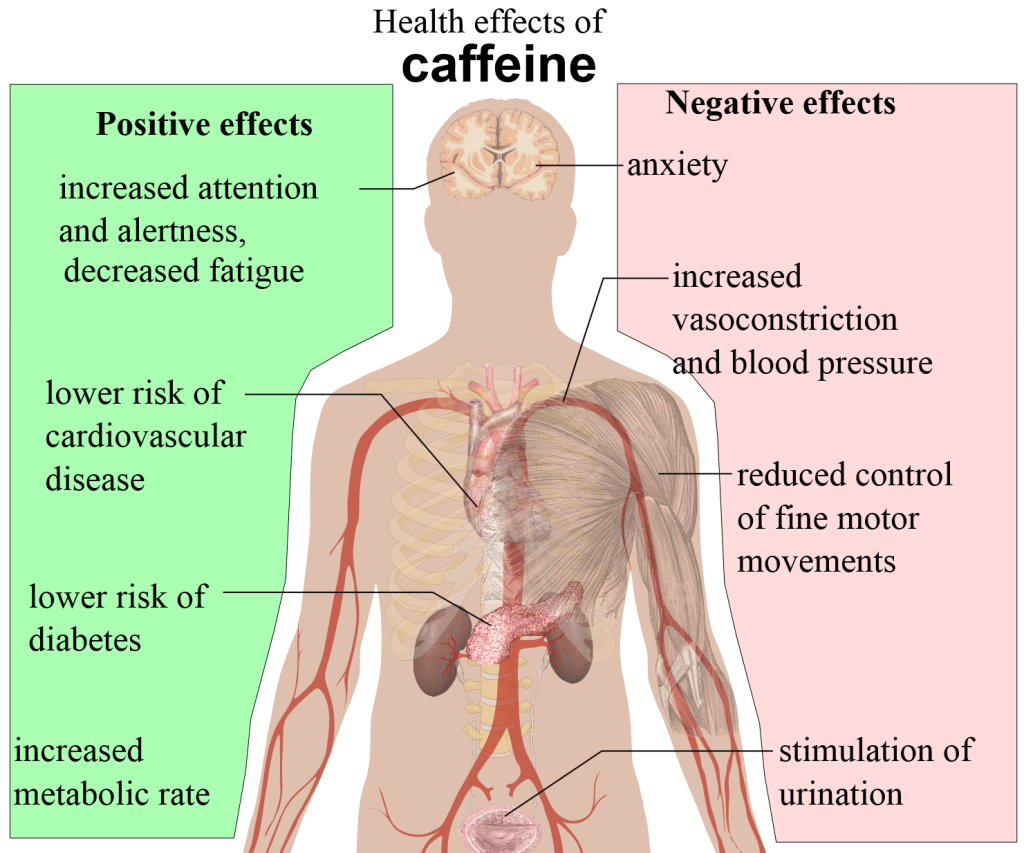
Yes, Coffee is stimulating, and its effect can, and often does become ADDICTIVE, as I discovered when I started my Medical Practice. I was drinking three cups of coffee a day and still was tired all of the time, since I was often up at night taking care of my asthmatic patients; I finally decided to quit drinking coffee, and after a full three weeks, started feeling better.

For me, coffee was NOT A SUBSTITUTE FOR SLEEP. I know of at least one Red Bull accolite that disagrees with me, and the NEJM article on the benefits of coffee would seem to support drinking more than one cup of coffee a day.

I currently take about 50 mg. Of caffeine by tablet about every 3-4 days when I am tired in the early afternoon, before 2:30 PM, so as to clear the drug from my system by bedtime. If I use it more frequently, I do not enjoy the same pleasant alertness that less frequent use affords.

I currently drink a cup of green tea in the morning, which I believe delivers about 20 mg. Of caffeine and some other health benefits as well. Caffeine makes you more alert by competitively blocking the sedative action of Adenosine, which gradually accumulates in parallel with ATP depletion during the course of energy expenditure in the activities of the waking day.

Chemically, caffeine is trimethylxanthine, and is a cousin to the drug theophylline, which was the mainstay of asthma therapy for the first decade or so of my allergy practice. Before theophylline therapy was standardized, a strong jolt of coffee was often used for severe asthma.

Coffee apparently shares with Theophylline the inhibition of Phosphodiesterase, causing the heart to speed up, and lung airways to open. So enjoy your coffee, especially after reading about its health benefits in the recently posted NEJM article.

But be careful about drinking too much. There is rarely such a thing as a ’free lunch” in the worlds of economics and drugs. YES, CAFFEINE IS A DRUG, and the intoxicating aroma notwithstanding, please respect it as such.

–Dr. C

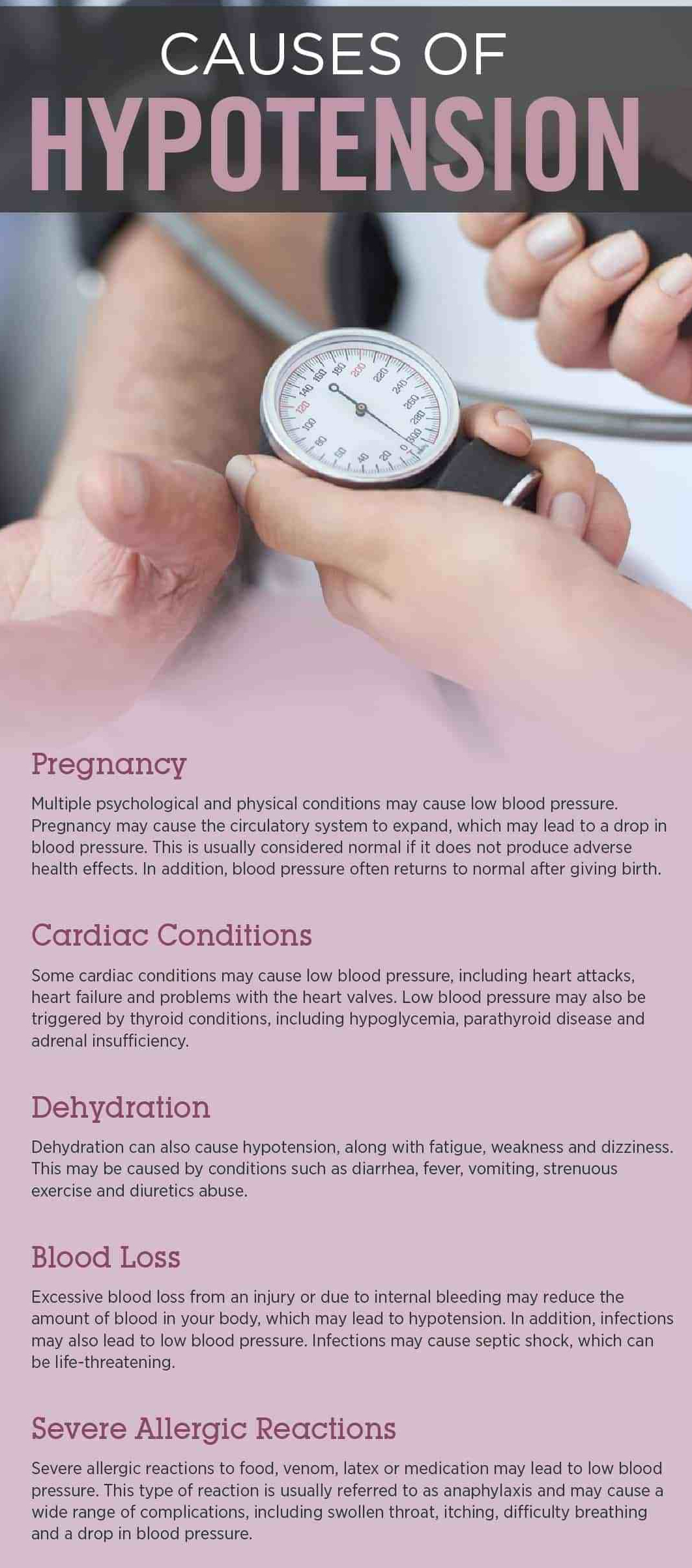
ORTHOSTATIC HYPOTENSION: ITS SYMPTOMS AND CAUSES

Our Nervous system is much more than consciousness and free will. Our neural networks automatically go about the job of keeping us alive without entering our awareness- unless it fails to perform.

This is true of our intestinal system, and especially our cardiovascular system. We would not have time for anything else if we had to consciously take each breath, command each heart beat, and for this discussion, open up (dilate) the blood vessels to our brain, and constrict the blood vessels in our legs whenever we stand up.

Our brains demand a constant supply of Oxygen and Glucose in order to perform their complex duties. Between 20% and 40% of the 100 Watts of energy our bodies consume is in our brains.

Whenever we stand up, the force of gravity “wants” to force our blood to our legs and away from our head. Unless that tendency is counteracted, our brains would be deprived of essential factors, and we would all have orthostatic (upright position) hypotension every time we stand up.

Normally, when the blood pressure drops from ANY CAUSE, receptors near the base of the heart and great vessels signal the sympathetic branch of the autonomic nervous system to cause a speeding up of the heart and a dilation of the blood vessels in the brain. This compensates for the drop in blood pressure, which is determined by the blood flow and resistance to that flow.

The sympathetic nervous system is a reaction to STRESS, to a “flight or fight” decision. In the short term, it is beneficial, or adaptive. You may know the feeling, heart racing, cold hands (due to constriction of blood vessels), breathing rate increases, and sweating.

The asthmatic feels this from a shot of adrenalin, which delivers the sympathetic reaction to the whole body through the blood stream. The musculature of the bronchial tubes are relaxed, improving breathing, and improving the asthma.

What is adaptive in the short haul may be deleterious if it continues, felt as Anxiety if it lasts too long.

ORTHOSTATIC (postural) HYPOTENSION may be made worse by a variety of other influences, such as an abnormally slow heart, rate, dehydration, blood loss, certain medications and standing still too long.

Since the brain needs both Oxygen and Glucose, High altitude or a
low blood sugar will also facilitate faintness. If you have a tendency toward lightheadedness when you stand up, be careful lest you fall and injure yourself.

If you are unable to cope with these spells, a checkup with your Doctor may be in order; perhaps you have an underlying problem, such as with your heart, which is the next subject of discussion.

–DR. C

FALLS AMONG THE ELDERLY: CONDITIONS & PREVENTION

Falling down is common on both ends of the Human lifespan. Little kids are always falling down, but there isn’t much energy to dissipate, since their mass is small and they don’t have far to fall. Moreover, their bones are pliable.

The Elderly also fall, increasingly, as they age. They have a lot further to fall, and their bones are often brittle and osteoporotic. Injury is quite common, they often break a hip, and may slide into a peogressive deterioration leading to their demise..

Ordinary walking, a “normal gait”, is a very complex activity and requires a lot of information and coordination by the nervous system.

VISION is critical, as you are often navigating through a minefield of stairs, rug edges, slippery objects, lamp cords, tubes and pets. Cataracts may be a problem to be corrected. Multifocal glasses can be a factor.

HEARING can warn of certain hazards or warnings and is important. A FINE SENSE OF TOUCH is required to give you cues as you are walking. Peripheral neuropathy can make walking difficult.

PROPRIOCEPTION, the positional sense of where your extremities are located in space, is a sense we take for granted, but which may deteriorate in time. Proprioception is very important for a normal Gait. The inner ear, with it’s semicircular canals and vestibular apparatus is necessary for proper BALANCE.

Balance can be PRACTICED in a number of ways, like standing on one leg, or merely WALKING a lot. These MULTIPLE SENSES must be COORDINATED by the Thalamus, Corpus Striatum, medulla, Cerebellum, and Cerebral Cortex and instructions sent to the muscles of your Legs, Arms, back and abdomen.

It is mandatory to keep these muscles, your Heart and your body, STRONG and FIT. Factors that make you more likely to have a fall are mostly the reverse of the above, and are called RISK FACTORS.

  • –Previous Falls are the best predictor. More than 2 or 3 in a year is worrisome.
  • –Balance Impairment is best treated by practice.
  • –Decreased Muscle strength. –Visual impairment.
  • –Polypharmacy (more than 4 prescription Meds), or a Psychoactive drug (look up)
  • –Gait impairment, Walking difficulty.
  • –Depression, which is often treated by antidepressants or sleeping pills- Psychoactive drugs.
  • –Dizziness or orthostatic hypotension, which causes a drop in blood pressure on standing. and a number of other problems, often a function of age.

PREVENTION of falls is of course better than treatment of the resulting INJURY. Working on your HEALTH will help the INTRINSIC causes of falls, and that is what we have been discussing.

Preventing the EXTRINSIC causes of falls means working on: –Improving the household safety by putting in railings, getting rid of throw rugs, clutter, and maybe pets( a good friend went into a downward spiral after tripping over his Dog.

Adjusting or eliminating psychoactive drugs and antihypertensive drugs (which often include the beta blockers which worsen orthostatic hypotension.

Interestingly, VITAMIN D supplements were mentioned in 2 references I saw. Apparently Vitamin D reduces falls by increasing MUSCLE STRENGTH.

Please refer to the following Canadian article for a more complete discussion.

–Dr. C.

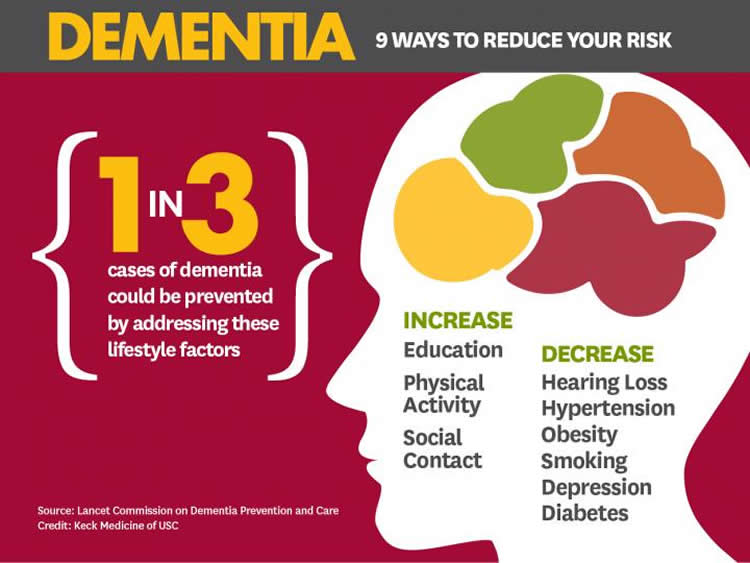
BRAIN HEALTH: “DEMENTIA” – SYMPTOMS AND CONDITIONS

We ARE our brains. Reduce the function of any other organ, and we may be sick, but reduce the function of the brain, and WE have changed.

PROGRESSIVE LOSS of brain function is called DEMENTIA. A sudden, temporary (if the cause can be found) is called Delirium. A variety of bad things can cause dementia, such as infections (AIDS), toxins (lead, mercury), chemicals (alcohol), traumatic (CTE from football), diet deficiencies (B12, folic acid), Endocrine deficiencies (thyroid),Psychiatric problems (depression), drugs, and Vascular problems.

The Preceding article on dementia discussed APATHY, as opposed to the somewhat similar DEPRESSION, as a warning sign for SVD, or small blood-vessel disease. SVD is the most common VASCULAR cause of Dementia.

The most common overall cause of Dementia, especially in old age, is ALZHEIMER’S disease (AD). “Senior Moments” are so common as to be a cliche. But this problem is not limited to old age. My 3-year-old Grandson came crying to me that he lost his favorite toy. “Where was it when you last saw it”?, I asked. “It was in my hand” he answered.

He had laid it somewhere, unthinkingly. You can’t remember something unless you ENCODE it. You must be paying attention to, be “mindful” of an action if you are to remember that action.. You will not remember where you put your glasses if you wander around in “default mode”, daydreaming, preoccupied. Everybody occasionally forgets a name, or item which hangs on “the end of my tongue”.

These things, especially “short term memory” do DETERIORATE AS WE GET OLDER. It is common to wonder if we, or a loved one. are getting Alzheimer’s disease, as our mental powers wane.It is often difficult to distinguish the normal forgetfulness of age from DEMENTIA, including Alzheimer’s Disease (AD) It might be a source of REASSURANCE to realize that if you are worried about getting AD YOURSELF, you almost certainly don’t have it; It takes a lot of mental functioning to contemplate that possibility.

Most often, you will be wondering about the possibility in a loved one having AD. There are 2 ideas that I ran across in my reading that might help you do a little evaluation Yourself.

BCGuidelines.ca has a 21 item questionnaire that you can score yourself. 4 points or less is considered normal, so common is forgetfulness. 5-14 points suggests mild cognitive impairment. 15 or more points suggests Dementia, of which AD is the most common type.

The test I really liked was the “Clock Test”. In this test, you draw a large circle. You then ask your loved one to draw a clock, with all the numbers and hands that will indicate 10 minutes after 11. If it is drawn correctly, you can with reasonable certainty EXCLUDE Dementia.

If incorrect, further tests are warranted. I consulted with a Neurologist regarding a friend of mine who has marked memory loss, but is very sweet, is physically capable, takes care of herself personally, doesn’t wander around, has no apparent anxiety, depression or other psychological problems.

I asked if it was reasonable to just watch without any medical intervention. The neurologist said that she should have a blood test, a metabolic panel, TSH (thyroid), LFTs, folic acid and B12 tests, and a CT to rule out NPH (normal pressure hydrocephalus). It is rare to find anything treatable, but a shame to neglect it if present.

If you do see a doctor about a Spouse or Parent with possible dementia, you might request that they discuss the possibilities with you, but ask them not to write the diagnosis of “Alzheimer’s “ in the chart. Private Assisted Living Homes CHARGE A LOT MORE for that Diagnosis– locked facilities, more personnel and the like. BDNF- brain derived neurotrophic factor- can fend off Dementia.

That is the good news. The bad news is that it takes effort and discipline to increase your level od BDNF.; I’m sure medical science is hot on the trail of a pill. But until then, our old friends, Sleep, Diet and Exercise ride to the rescue. Sleep, both N3 and REM stages, increases BDNF. Dietary polyphenols and butyrate increase BDNF. exercise of all kinds will do it.

The BDNF gene codes for the BDNF protein, which promotes the survival, expansion, and differentiation of Neuronal stem cells, and promotes neuronal PLASTICITY, neuronal response to experience. Grit your teeth and develop the HABIT of exposing your Postmodern Body to 3 of the most ICONIC and NATURAL things mandated by Evolution, Treat your Body to the Health-giving Benefits of SLEEP, DIET and EXERCISE!

–Dr. C

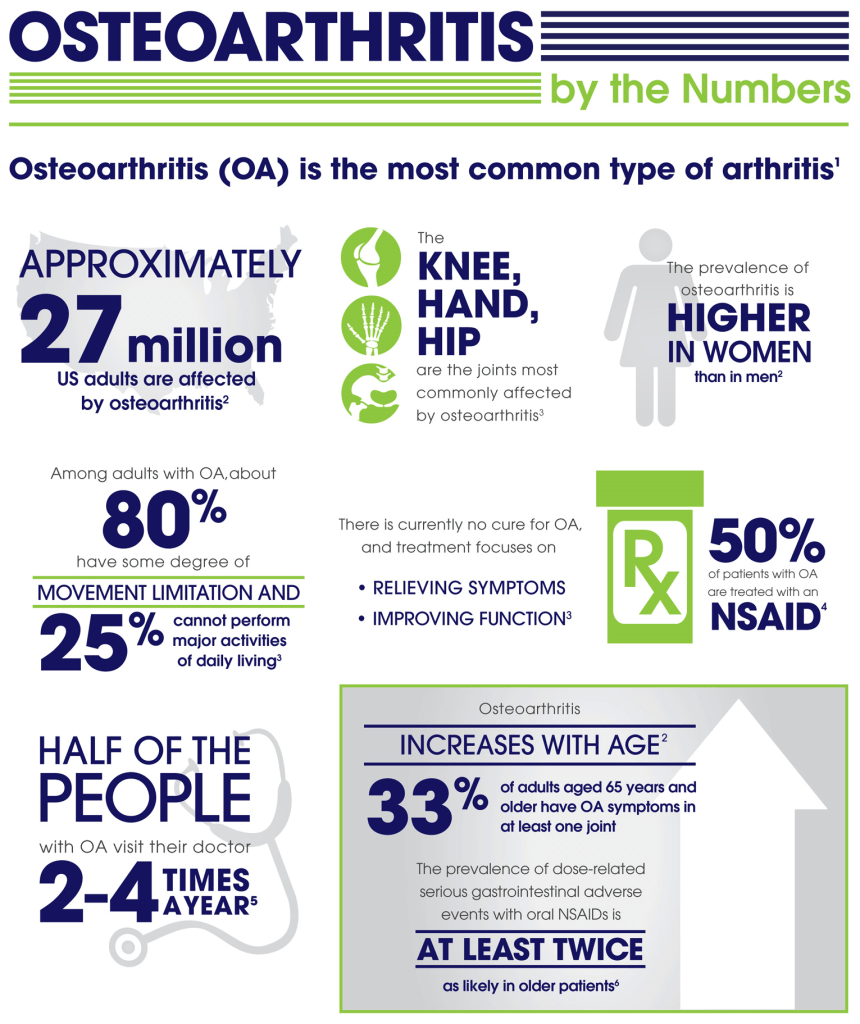
THE DOCTORS 101 CHRONIC SYMPTOMS & CONDITIONS #6: OSTEOARTHRITIS (OA)

Osteoarthritis (OA) was considered a Degenerative disease when I went to Med School in the late 50s. I am more interested in OA since I have developed it myself.

There is a 40-60% hereditary component. My father’s mother had arthritis badly in her hands, as did my mother’s mother, and so on. A lot of genome-correlation work has shown many different genes involved,

But without a single big contributor, OA appears to be “multifactorial”, similar to a lot of common diseases like Diabetes l. Trauma can be a factor. Old sports injuries, like an ACL tear, that you thought a thing of the past, may come back to haunt you in later years.

INFLAMMATION, the most popular explanatory cause of the decade, may be operating in OA. For instance, you can imagine that OBESITY would contribute to hip and knee OA simply through the traumatic force of gravity. But obesity is also a disease of Inflammation, and increases IL-6 and other cytokines as well.

My own OA involves the classic distal 2 interphalangeal joints (go to the wikipedia manekin for a color-representation of OA classic locations). The base of my thumb, neck and back are also a problem.

Strangely, but wonderfully, my “wheels”, the Hips and Knees, are spared. I have exercised a lot in my life. Clearly, you can’t “wear out” your joints with ordinary exercise.

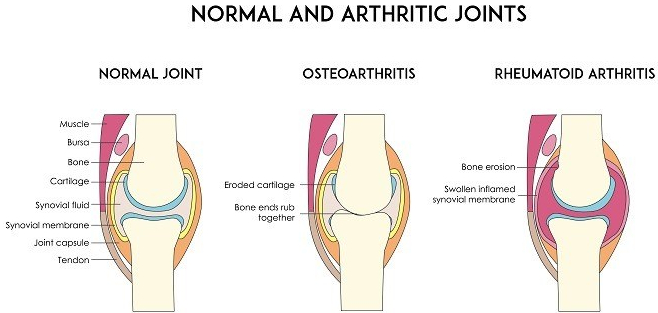
Our joints have evolved to allow us to move. Since bone has a lot of pain fibres, it would be painful to move the joints, directly bone-on-bone. So we have cartilage on the ends of the bones and discs between the vertebrae. The cartilage is slick to reduce friction.

Cartilage has no blood to supply it with nutrients. Instead, it relies on the joint (synovial) fluid. The cartilage is like a sponge. Walking alternately compresses and relaxes the spongy cartilage, increasing the synovial fluid circulation, thus improving the nutrition of the cartilage. If the Cartilage disappears, there is pain.

I am not a fan of pain medication. My belief was strengthened by the side effects of the study of a medication designed to genetically block pain transmission by injection into the painful joints. The side effect was virtual dissolution of the joints in a fraction of those treated. I felt more comfortable with my pain after reading the article.

Although Acetaminophen helps a little, NSAIDs usually work better, perhaps because of their anti-inflammatory action.

If, like me, you have stomach issues, there are the COX-2 inhibitors like Celebrex. The one dose I recently took was almost magical in its effects. Maybe if you don’t use pain Meds much, they work better.

I do take Glucosamine-Chondroitin, thinking that providing building blocks for cartilage couldn’t hurt. Along this line I also EAT CARTILAGE whenever I eat Chicken or ribs, being careful not to damage my teeth in the act of of exercising my jaws.

I also take Curcumin, hoping to relieve some pain, in spite of the fact that it is poorly absorbed (some brave souls take it by injection). I don’t know if any of this helps, How can you know in such a variable disorder, in the absence of controlled studies.

And pain has no OBJECTIVE markers, and is notoriously hard to study. We literally know more about the surface of mars than we know about Pain.

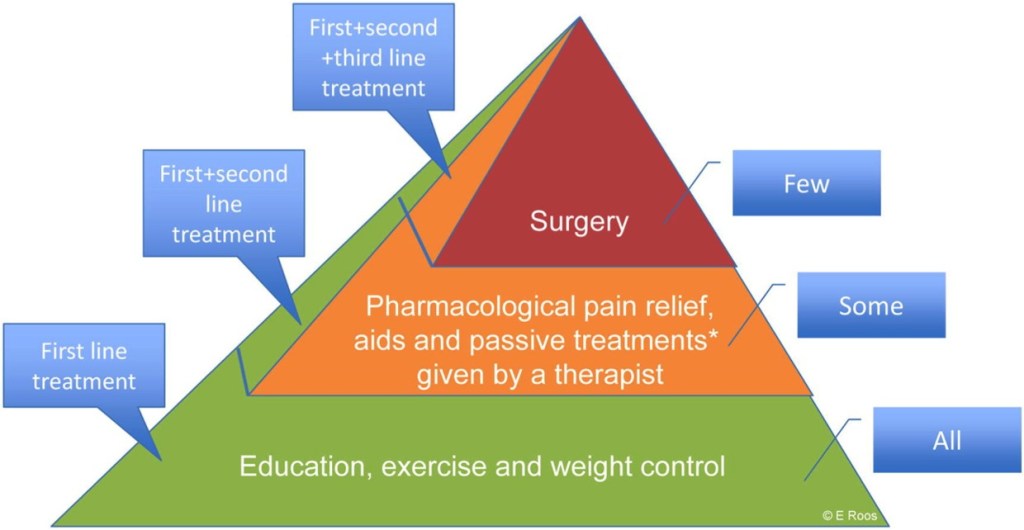
SLEEP, DIET, and EXERCISE, by minimizing OA factors kike OBESITY and INFLAMMATION are the best bet for preventing and treating OA at present.

–DR. C

MENTAL HEALTH: SOME THOUGHTS ON DIAGNOSING AND TREATING “DEPRESSION”

I recently posted a discussion on osteoporosis that was based on a MNEMONIC, using the word itself as the basis of exploring the Risk factors Evidence that you have Osteoporosis is hidden, and are discovered by Dexascan, or when you suddenly have a major fracture.

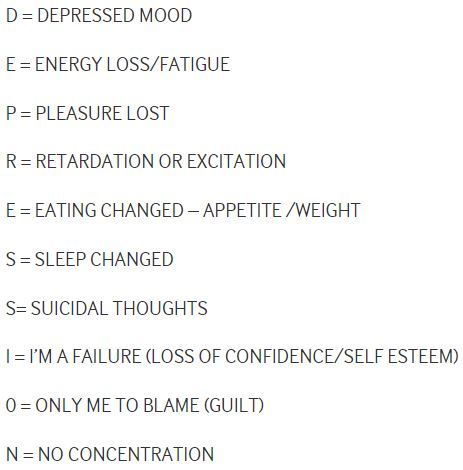
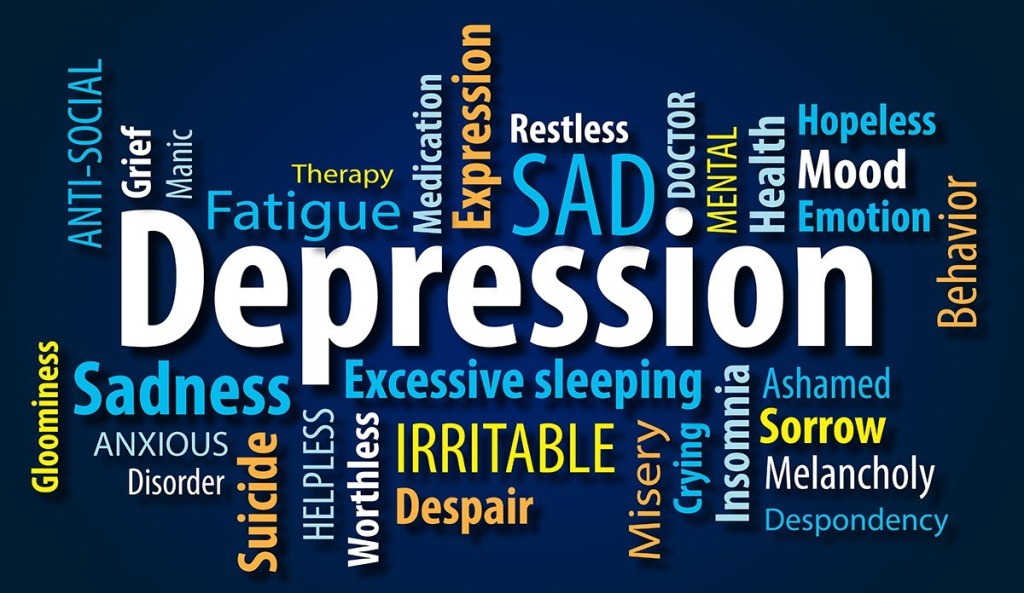
DEPRESSION is common, but sneaks up on you. It may be a job to discover that you have it, to DIAGNOSE it, so that you can be treated. The diagnosis has about 10 markers that can be formulated into a mnemonic, so that you can remember what they are. My favorite is by Paul Blenkiron, writing in the BMJ:

These 10 symptoms are described in the 10th edition of “the international classification of Diseases. The problem with some mnemonics is to remember the mnemonic itself.

Not here. Interestingly, The 4 PILLARS OF HEALTH are each represented in this list. 3 of them are valid TREATMENTS for DEPRESSION, as you will see in the following articles. When I looked up intellectual stimulation as a treatment for Depression, all i found was electrical or magnetic deep brain stimulation.

I can’t help but believe that INTELLECTUAL STIMULATION itself would at least help ward off much Anxiety and Depression. SLEEP has an interesting relationship to depression. Lack of sleep can be a CAUSE of Depression.

Recently, deprivation of sleep has been used to TREAT episodes of severe depression. Obviously there is a lot we don’t know. Another puzzlement is the several week delay in the effect of SSRI medications. I acknowledge that throughout history many great intellects have manic-depression, which may be key to their productivity.

Depression itself is credited with deep understanding. The “black Dog” of depression is best avoided, however. A HEALTHY LIFE STYLE SHOULD HELP WARD OFF DEPRESSION.

–Dr. C.

Reference #1

Reference #2

Reference #3

WOMEN’S HEALTH: RISK FACTORS AND PREVENTION OF OSTEOPOROSIS

I have heard the same story over and over. You get older, you trip over your dog or on the edge of a rug, you fall and break your hip, and in treatment or convalescence, you get a pneumonia and die, or at least you get weaker, setting you up for the next fall. Your course is downhill.

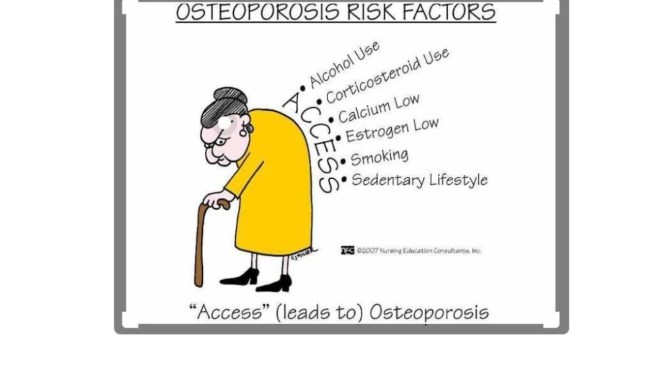
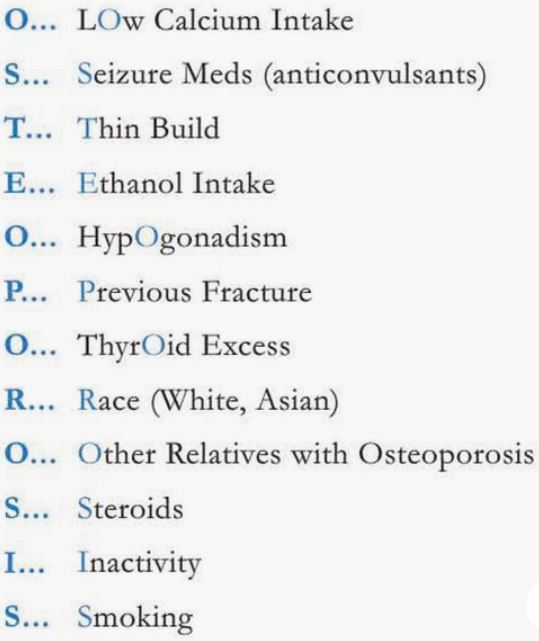
The culprit is often OSTEOPOROSIS. Osteoporosis is a disease characterized by loss of bone mass, as opposed to Osteomalacia, discussed in a recent podcast on this site, which is softening of bone The word itself is a MEMONIC for the RISK FACTORS; Then comes WHAT TO DO.

The RISK FACTORS and Prevention Strategies can be remembered in the following mnemonic:

Osteoporosis prevention begins when you are a child, with healthy diet rich in Calcium, and lots of exercise. Your bone mass peaks in the early 20s. While you are young, in your reproductive years, your reproductive hormones, Estrogen and Testosterone protect you.

Women should develop a Preventative strategy during menopause. Being THIN, like i am, is generally a marker of good health, much better than being Fat.

But especially as you get older and Lose muscle mass, Osteoporosis can become a problem, maybe because your bones don’t get the stress required to keep them strong.

BONE DENSITY DECLINES WITH AGE. I get a DEXASCAN as often as my insurance allows, about every 2 years, and am due this summer.

More and more treatments for Osteoporosis are emerging, if your bone loss becomes severe enough.

KEEP IN CONTACT WITH YOUR DOCTOR.

–Dr. C