Category Archives: Opinion

DR. C’S MEDICINE CABINET: BENEFITS & RISKS OF ‘STATINS’

The STATIN medications are one of medicine’s greatest achievements, in my opinion. They REDUCE blood CHOLESTEROL and HEART ATTACKS in very low doses and have a good safety profile. They truly deserve to be the Best Selling class of drugs. 13 Nobel prizes have been awarded during the centuries of cholesterol research.
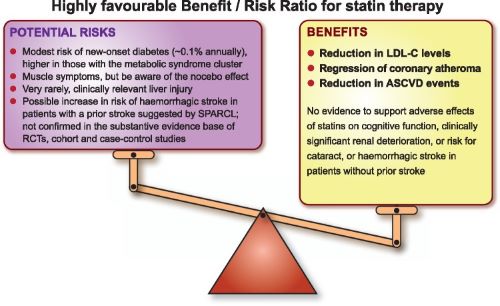
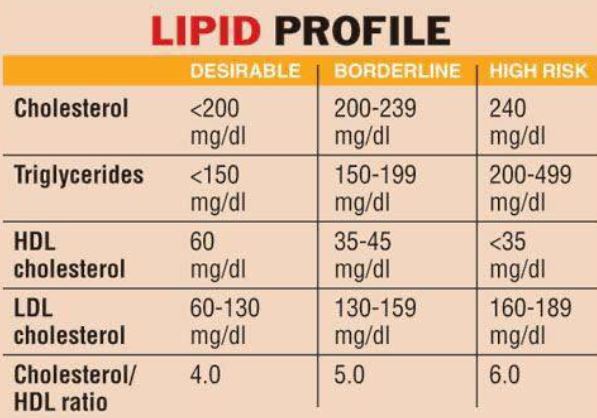
I have never had a heart attack, but do have some calcification in my Coronaries. Moreover, I have an untreated serum cholesterol level of 220 mg/dL. This is above the recommended level of 200 mg/dL, so I read up on the statins. The only concerning side effect from my viewpoint was MUSCLE PAIN.

I already have some muscle soreness from my exercise program, and did not want more, so I started at ½ of the 5 mg. dose of the statin suggested by my family doctor. This tiny dose of Rosuvastatin produced a dramatic 40 mg. Drop in my Cholesterol, and I am still hovering around the recommended level of 200 mg./dL. Instead of breaking the 5 mg. tablet in half, I now take 5 mg. every other day, since Rosuvastatin has a long half life.

One of my friends took a higher dose, and drove his cholesterol down to 100 Mg./dL. Apparently there is no serum level of cholesterol where further reduction fails to help.

Total cholesterol is divided into HDL and LDL components. My HDL, the “good” cholesterol, is thought to offset some of the cholesterol-plaque-causing effects of the LDL, or “bad” cholesterol. This makes me less than eager to raise my cholesterol and risk muscle pain.
My HIGH HDL is probably due to a combination of EXERCISE, FISH OIL and Genetics. Many of my friends “don’t tolerate” the statins, meaning that they developed muscle pain. Since they were taking the drug on faith, and not because of already-developed heart problems, they just don’t take the medication any more.

If your doctor has recommended one of the Statin drugs because of an elevated cholesterol, you might ask her to start at a lower dose. You can always work up to a higher dose if necessary. If you develop muscle pain at the higher dose, you can drop back to the dose you tolerated. Enjoy “Personalized” Medicine.
–Dr. C.

THE DOCTORS 101 CHRONIC SYMPTOMS AND CONDITIONS #27: DELIRIUM

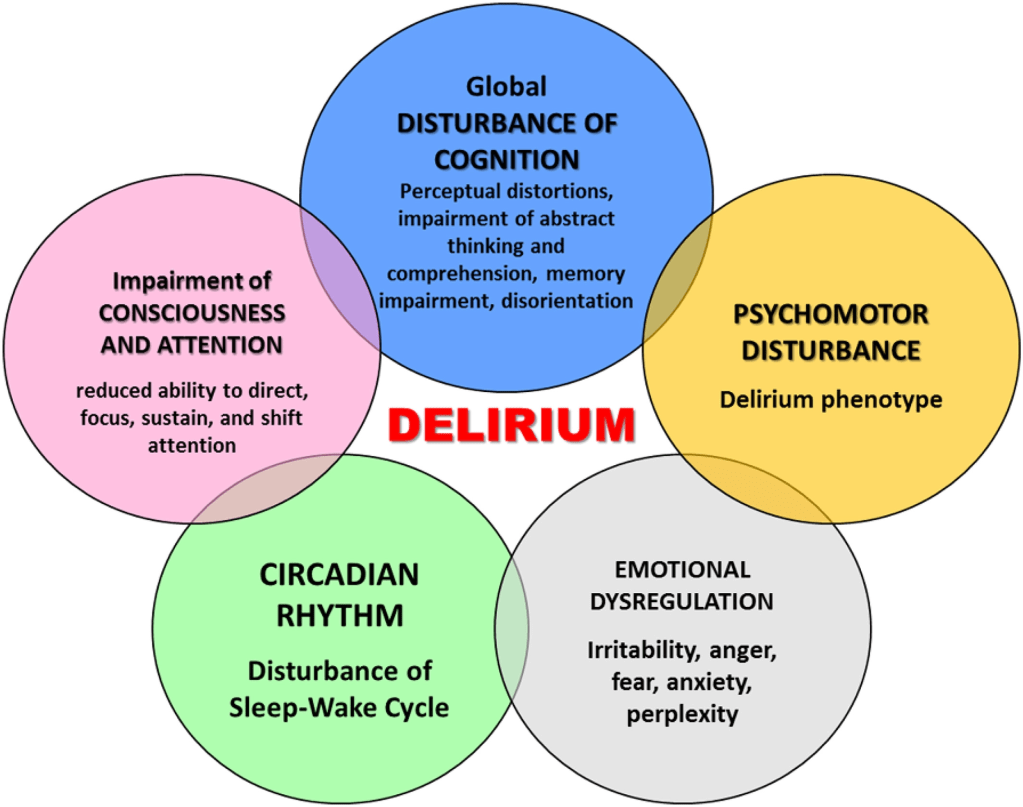
DELIRIUM is a rapidly-developing TEMPORARY DEMENTIA in response to almost any trauma, infection or stress, usually in a hospital setting, with its restrictive, isolating and disorienting environment.

I had little appreciation of the frequency or economic hazard of Delirium before I encountered this infographic. I knew little about the causative mechanisms, and after reading about it, I still don’t know what is going on. But I do know one thing; I don’t want to become delirious and risk its ominous outcome. To improve my odds, I want to keep myself as healthy as possible.

To prevent loss of focus, cognition and memory, challenge the Brain as much as possible. To prevent or restrain infection, support the immune system with a healthy diet. To combat sleep disturbances, practice Sleep Hygiene. To maintain adequate oxygen and nutrient delivery to the Brain, support a healthy cardiovascular-pulmonary system with regular aerobic exercise.

These preventative steps will also postpone the FRAILTY on which delirium feeds. This fuzziness, which afflicts most conditions with PSYCHIATRIC OVERTONES, should not be surprising, since the human Brain, the location of Delirium, is the most complex entity in the known universe.

Medical Knowledge of Delirium is still at the descriptive stage, even though it has been a feature of human life since Ancient times. Causation? Excess or Deficiency of most neurotransmitters have been described. To paraphrase “cytokine storm”, which can incidentally cause Delirium, one could call the condition a “neurotransmitter storm”.

Treatment? If the Delirious Patient is on a Psychotropic medication, try stopping it. If not taking such medication, try starting it. The only universal green light is Good general supportive care with IV fluids, oxygen, nutrition, and psychological support, with gentle, regular attention. Please read the accompanying Mayo Clinic article for a more conventional discussion.

–Dr. C.

DR. C’S MEDICINE CABINET: Benefits & Risks Of ‘Aspirin’

Aspirin (acetylsalicylic acid) was one of the first medicines constructed, or synthesized, in a chemical laboratory. After 40 years ( medical progress wasn’t too fast in the 19th Century), Bayer investigated it as an alternative to Salicylates, which had been used since antiquity in the form of Willow bark for medical treatment, especially of FEVER and PAIN relief.

It is an understatement to say that it was successful. After almost another century, in 1982, a nobel prize was awarded for the discovery of its mode of action. Its multiplicity of effects, some of them bad, are only now becoming appreciated. My practice in medicine was in Allergic diseases, and I treated many people with nasal, sinus and asthmatic diseases.

It became apparent that, in certain people, aspirin could worsen all 3 conditions, and rhinitis (with Polyps), sinusitis and asthma became known as “Samter’s Triad”, or simply ASPIRIN DISEASE. Believe it or not, the condition can be helped by “aspirin desensitization”, where the Patient was started on tiny doses of aspirin by mouth, which over a period of hours was gradually increased to a normal dose.

I would not try this at home. I sent my patients to a specialized medical center for treatment, Other undesirable effects induce bleeding disorders, stomach ulcers, and, in children, a very serious disease called Reye’s syndrome. The latter is so serious that aspirin is not often given to children; except when it is needed, such as in a condition called Kawasaki’s Disease, where it is very helpful.

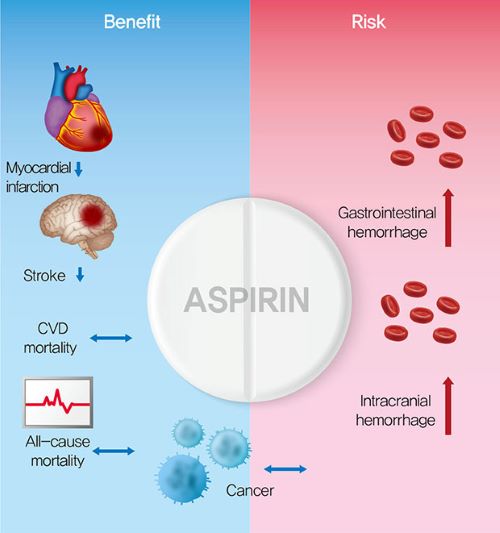
I mention these details to counteract the blase attitude created by long use. No longer does the doctor say “Take an aspirin and call me in the morning”. For a long while, low-dose Aspirin was used in most Patients with coronary artery disease, as a method of preventing sudden clot formation. I took 65 mg. Of aspirin for years, even though I had no narrowing of my arteries.

Now it is found that aspirin can cause an excess of Hemorrhagic stroke, and it is not recommended in my age group and risk profile. Aspirin is a powerful medication with a wide variety of effects. Most of its beneficial effects have safer alternatives. Acetaminophen- Tylenol- is now used in place of Aspirin for Pain and fever relief. I suggest not using aspirin unless prescribed by a Doctor.

–Dr. C

DR. C’S MEDICINE CABINET: THE BENEFITS OF “IRON”

Iron is the most common element, by weight, on earth, so it should come as no surprise that it has evolved to be an essential component in the mechanism that is life.

The ENERGY of the eukaryotic cell is dependent on the Iron in mitochondria, which are elaborate electron-transfer mechanisms. To quote Nobel Laureate Albert Szent Gyorgyi, “Life is nothing but an electron looking for a place of rest”.

Iron is essential, so it is possible to have too little of it. There is no physiologic pathway to get rid of it and so you can have too much iron in your body, which comprises a disease called Hemochromatosis. Excessive Iron can be TOXIC to the body, and produce damaging free radicals.

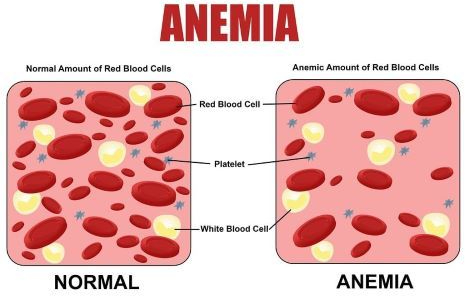
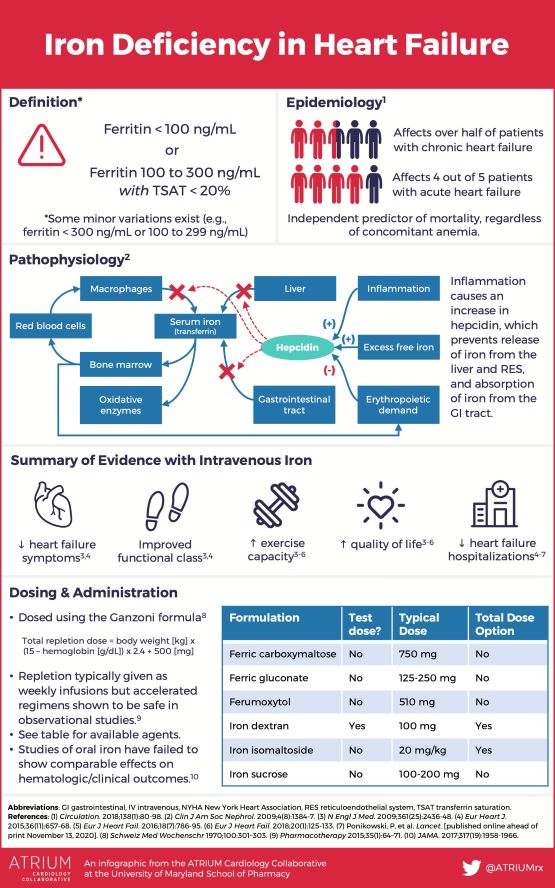
Deficiency of iron will produce ANEMIA. Regulation of incoming Iron is the body’s way of keeping excessive Iron out. It is absorbed only in the upper part of the small intestine, and a special protein called Hepcidin can block it from release into the circulation. It is carried through the blood by Transferrin and also Ferritin, which stores the iron that is not in the hemoglobin of RED BLOOD CELLS, the main storehouse of iron.

Blood loss is a common problem which leads to increased Iron requirement, This is reflected in the increase in RDA of Iron in Women during their menstruating years. Colonic Cancer, among other conditions, can also bleed and lead to the anemia of Iron deficiency. This is the reason for Doctors ordering a test for “occult”, or hidden, blood in the stools. My reason for taking Iron is a continuing loss of blood from the small intestine.

I have had multiple colonoscopies and Gastroenteroscopies to rule out cancer and other blood-losing conditions in the lower and upper intestinal tract. The small intestine is the “silent” area to gastroenterologists, and I cannot have the Capsule/camera examination because of my small bowel surgery.

I must take extra iron, and hope that this will be sufficient to keep me from developing anemia again. Green vegetables and red meat are more satisfactory sources, but insufficient for me. I worry a little about the recent finding that Heart Failure has been associated with Ferritin levels below 100 ng./ml.

I struggle to keep mine at 50 ng. by taking 2 tablets of feosol daily and dealIng with the subsequent constipation. An ANNUAL PHYSICAL and laboratory examination is important for the maintenance of health. Enough Iron and blood are important factors for vigorous Well-being. —

–Dr. C.

INFOGRAPHIC:

THE DOCTORS 101 CHRONIC SYMPTOMS AND CONDITIONS #26: HYPERTENSION

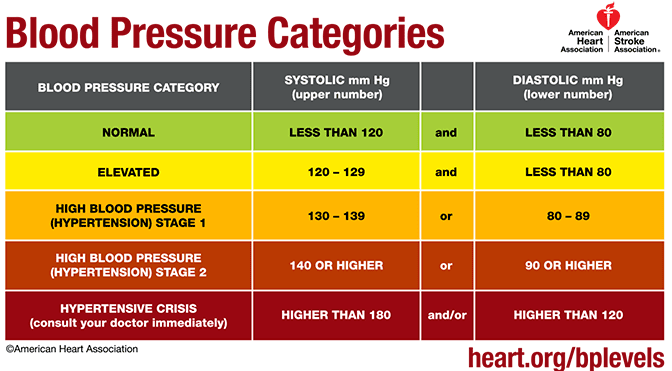
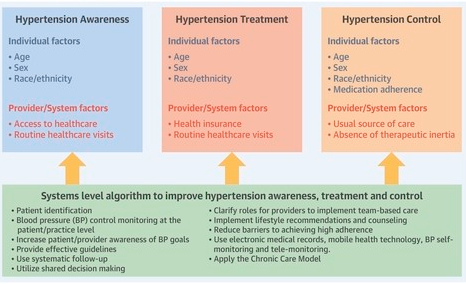
Hypertension places an extra load on the blood vessels and heart, and eventually causes them to become diseased. High Blood Pressure is therefore bad for the entire body, which depends on the blood vessels for delivering the nutrients and oxygen necessary for life.

Most hypertension happens from subtle changes in the body’s signalling systems, and often runs in families; This is called “essential hypertension”. Additionally, there are a number of diseases and conditions of which hypertension is a symptom. It is important to know if you have hypertension, and fortunately it is easy to discover.

A visit to the doctor, or even to the pharmacy will make a reading available, and if you are concerned, an automatic cuff is available for $20. A healthy lifestyle and weight Will help prevent and treat hypertension, as in so many other chronic conditions.

A variety of medications are available to treat hypertension, but ANY MEDICATION CAN PRODUCE SIDE EFFECTS. It is rare for an effective medication to produce only a single, desired effect on the body. I have never known a person who at some time did not experience some side effect from antihypertensive medications.

Be sure to maintain contact with your Doctor. The dose may be too high, causing episodes of LOW blood pressure with fainting. When I was in practice, any number of patients came to me with a chronic cough, which I “cured” by having their doctor replace their ACE Inhibitor with another medication.

Please read the accompanying Mayo Clinic article for a complete discussion of this important condition.

–Dr. C.

Mayo Clinic article

THE DOCTORS 101 CHRONIC SYMPTOMS AND CONDITIONS #25: KIDNEY STONES

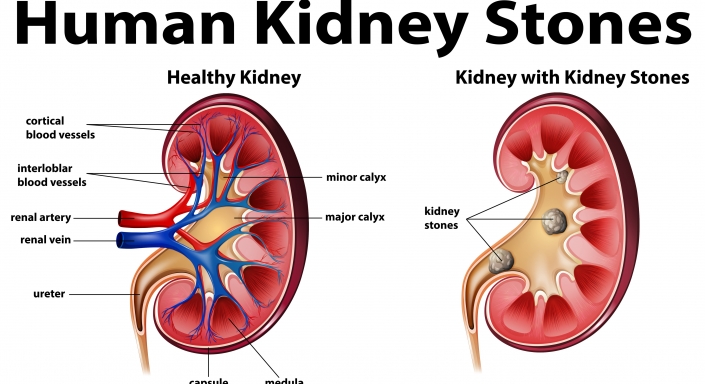
Kidney stones are more common than you think, and over the span of life, afflict 1 out of 10 people, more commonly men. The pain is sharp, spasmodic and severe; it is described as being worse than the pain of childbirth. The pain is breathtaking, and if you have “renal colic”, your
world is truly “ in a grain of sand”.

This sand, this tiny rock, forms when certain elements and compounds become too concentrated in the urine as it is formed in your kidneys, and “drop out of solution”, or precipitates. This little pebble, which I’m sure feels like a rock, then begins its long, painful journey down the drainage system of the kidneys, and eventually passes, you hope, out with the
urine.

Be sure to save it for analysis if it does. Sometimes it is arrested, causes the urine to “back up”, and you need assistance to get it out. Half of the kidney stone attacks recur, and you will get other attacks.

This is particularly the case if your first attack comes when you are young, or there is a history of kidney stones which runs in your family. It is important for a doctor, such as an internist, to review your case, particularly if you are young.

Your family history, lifestyle including diet, medications, and other problems may give clues which will allow other attacks to be avoided. Sometimes there are serious underlying conditions that should be addressed. Half of people who have kidney stones have a genetic cause, but even here there are lifestyle changes which will help..

Drinking plenty of liquid helps, unless you have kidney failure. Read the Mayo Clinic article referenced below for details. They are interested enough in kidney stones to have consulted a Geologist, the ultimate student of Rocks.

–Dr. C.

THE DOCTORS 101 CHRONIC SYMPTOMS AND CONDITIONS #24: CONSTIPATION

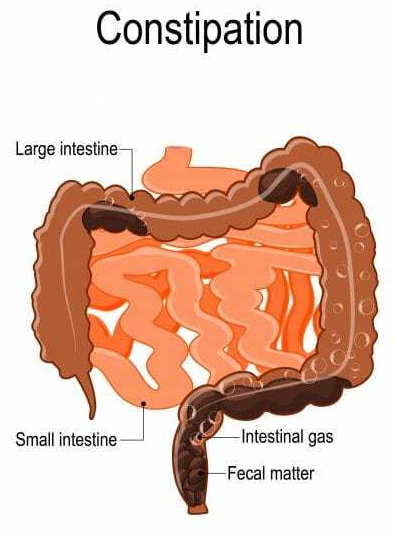
One of my previous posts, “bad breath”, was so well received that I am emboldened to deal briefly with another important, if politically incorrect, topic; Constipation.

I have anemia, and take regular IRON, which produces constipation. A high fiber diet solved it. My bones have also been thinning over the years into Osteopenia, a deficiency of Calcium. I Increased my calcium intake with some CALCIUM citrate powder, and developed one of the worst episodes of Constipation I have ever had, in spite of my high fiber diet.

Stopping the Calcium leaves me with the osteopenia worry, but was a great relief. Many other medications can cause constipation. Ask your Pharmacist for a list.` Hypothyroidism, and a variety of autoimmune, intestinal and neurological conditions have constipation as a symptom.

As I struggled with something that should be automatic, I worried about possibly pushing out a hernia, ballooning out one of my colonic diverticula, or developing hemorrhoids. These are all complications of constipation, not to mention the big waste of time. Regularity is much to be desired.

If you have regular SLEEP and EXERCISE a low Calorie density, high fiber diet, and are not taking a lot of drugs and supplements, you most likely don’t have constipation. If you have constipation, you might consider examining your sleep, diet, exercise and medications. If you don’t want to change your habits and medication, try METAMUCIL and drink lots of WATER.

–Dr. C.

Read more from Mayo Clinic