
DR. C REVIEWS MAJOR HEALTH AND TELEMEDICAL NEWS FOR THE WEEK ENDING DECEMBER 27, 2020.
Category Archives: Men’s Health
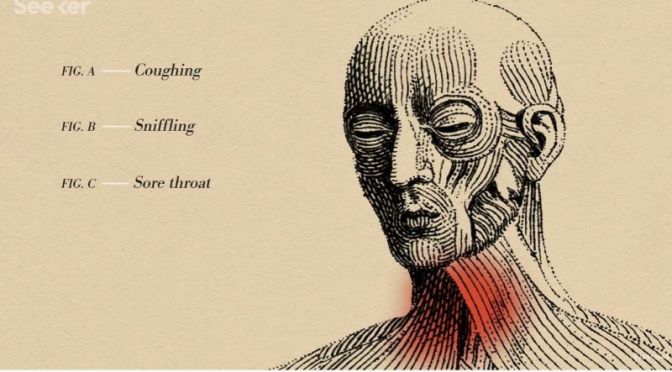
HEALTH: ‘WHY THERE IS NO CURE FOR COMMON COLDS’
The common cold is the most common human disease in the world. So, why haven’t we found a cure yet?!
Called human rhinoviruses, these respiratory viruses measure between 15 to 30 nanometers in diameter, making them some of the smallest types of viruses out there. And it’s partly thanks to the viruses’ genetic makeup that they’re so good at replicating.
Human rhinoviruses travel like most other respiratory viruses via nasal secretions, which can be released through sneezing, or through contact with fomites, which are surfaces like a keyboard or a doorknob that can help spread the virus from one person to another. From there, all it takes is for a hand to touch one of the body’s mucous membranes like the eyes, nose, or mouth and bam — the virus has gained entry.
Soon after infection, coughing, sneezing, headaches, a mild fever and body aches can soon follow. And these symptoms may easily be confused with those of the flu. But unlike the flu, where symptoms start quite suddenly, it can take a couple of days for cold symptoms to fully develop. And they usually last anywhere from 7 to 14 days.
THE DOCTORS 101 CHRONIC SYMPTOMS & CONDITIONS #32: Normal Pressure Hydrocephalus (NPH)
Normal Pressure Hydrocephalus, NPH, is an important condition. Although uncommon, affecting less than 5% of the population, it is a TREATABLE form of DEMENTIA.
If you or a loved one has been suspected of having Alzheimers or Parkinsons disease, NPH should be considered. It can be ruled out by MRI. Problems with Walking (“ Gait”) is often the first symptom, followed by mild Dementia. Loss of urinary control, incontinence, is often a later symptom.

The classic 3 symptoms are gait problems, dementia and incontinence, Hakim’s triad. A politically incorrect MNEMONIC is “wet, wacky and wobbly”. Gait “deviations”, with a broad based, slow, “stuck to the floor” movement are present almost all the time, and often suggests the more common Parkinson’s disease.
Some difficulty in planning, attention and concentration is present more than half of the time. Frequency of urination and incontinence comes later, but is often present by the time the diagnosis is made. Block in the reabsorption of Cerebrospinal fluid is thought to be the cause.
This produces intermittent elevation of pressure in the brain cavities, the ventricles. Thinning of the cortex follows, and it is this loss of brain tissue that produces the symptoms the diagnosis, usually by a Neurologist, is made by a number of tests, including MRI, and measurements of CSF Pressure.
An interesting test is to remove 30-50 cc of CSF and see if the walking improves. Treatment is with a tube connecting the Ventricles to the abdominal cavity, which restores drainage of the CSF. One of my friends was diagnosed with NPH, and benefitted with treatment. I consulted a neurologist about another of my friends with dementia, and an MRI to rule out NPH was suggested.

Treatability is the main virtue of discovering NPH, rather than another cause of dementia.
–Dr. C.
COVID-19 PODCAST: LATEST ON VACCINE ROLLOUT, NEW MUTATION & FDA APPROVALS

Stephen Hahn, U.S. Food and Drug Administration Commissioner, Sigal Atzmon, founder and chief executive officer of Medix Global, and Roche CEO Severin Schwan, on the pandemic, Covid-19 vaccines and the new mutation.
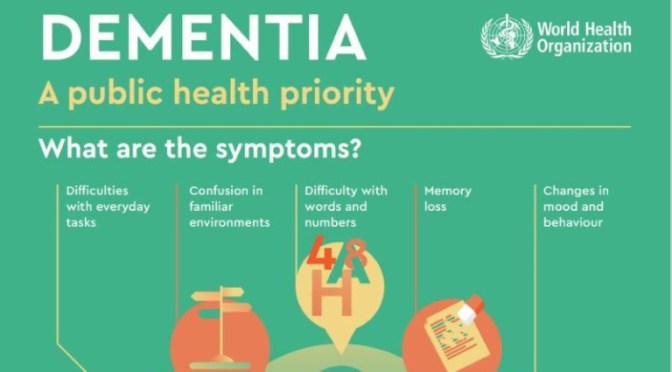
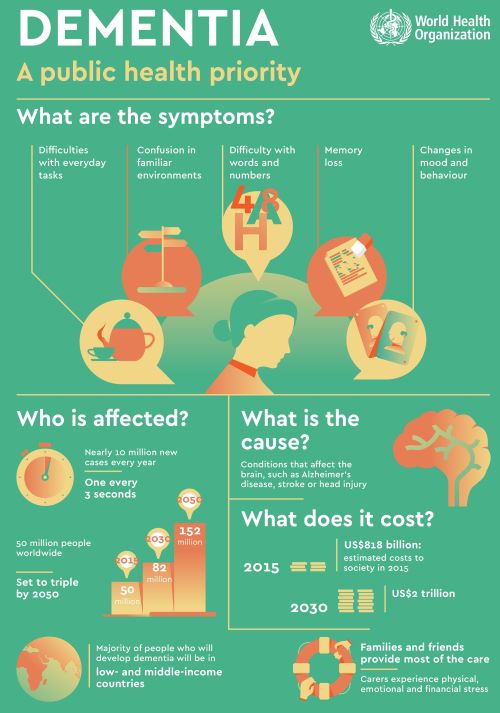
INFOGRAPHIC: ‘DEMENTIA – SYMPTOMS, CAUSES & COSTS’
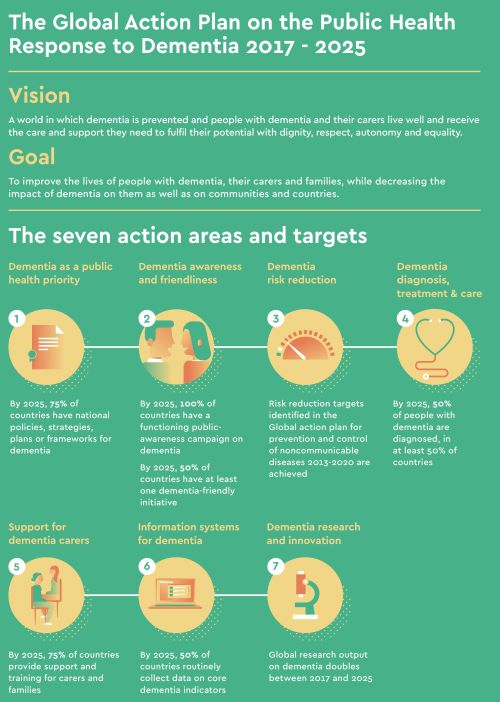
DR. C’S PODCAST: WEEKLY MEDICAL NEWS (DEC 20)
DR. C REVIEWS MAJOR HEALTH AND TELEMEDICAL NEWS FOR THE WEEK ENDING DECEMBER 20, 2020.
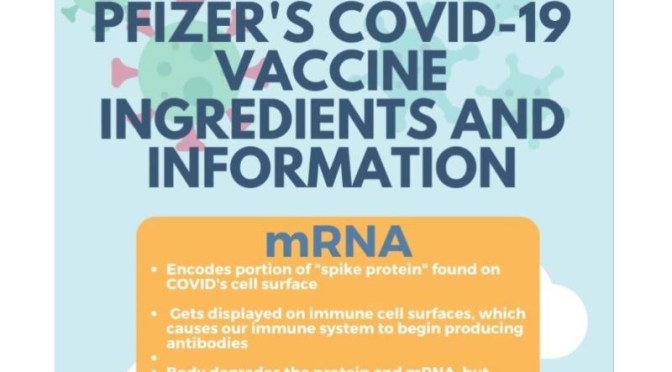
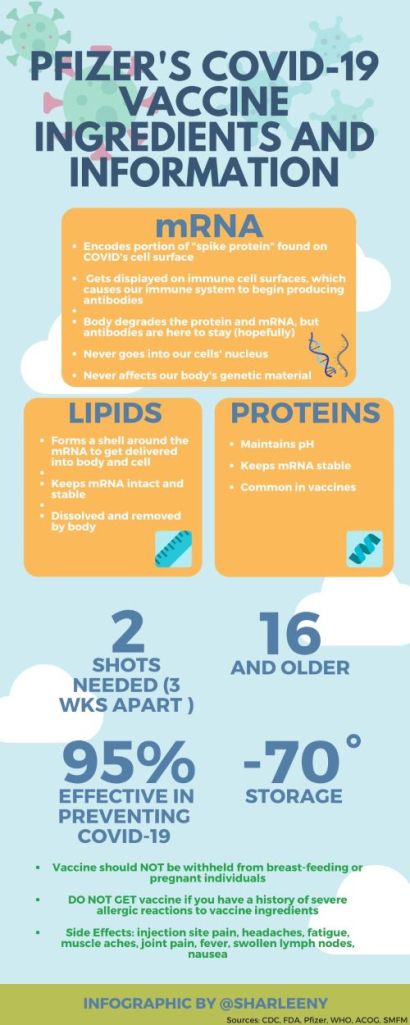
INFOGRAPHIC: ‘PFIZER’S VACCINE INGREDIENTS & TREATMENT INFORMATION’
THE DOCTORS 101 CHRONIC SYMPTOMS & CONDITIONS #31: COLD SORES
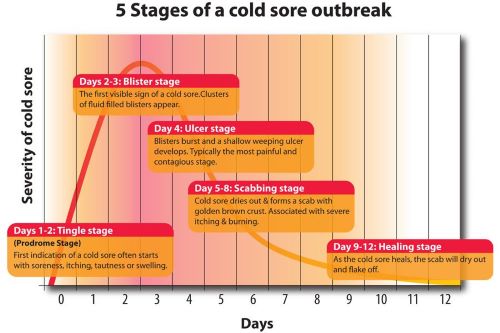
“Fever Blisters”, or “Cold sores” are caused by infection, almost always, with the Herpes Simplex 1 virus. Herpesvirus infestations are present in 50% of the population, usually causing little disturbance. The symptoms on first exposure depend on the Age the virus is first acquired.
NEONATAL Herpes can be extremely serious, due to the immaturity of the infant immune system. Herpes acquired in CHILDHOOD, or Primary herpetic Gingivostomatitis, can cause very dramatic FEVER, with blisters in the mouth, that lasts for a week to 10 days, causing lots of misery and hand-wringing but having a good outcome.
I had one such case early in my pediatric residency at Walter Reed Army Hospital, a young French boy named Didier Dupont. He screamed with pain, and wouldn’t eat or drink. His parents thought that he was going to die, and that I saved his life, neither of which was true. My roommate and I lived in the same housing complex as the Duponts, and enjoyed many fine french meals with them, one of the few positive events to result from an encounter with Herpes Viruses.
The first acquaintance with Herpes in ADULTHOOD produces outcomes ranging from no symptoms at all, to a flu like syndrome with mouth blisters. Many people have positive blood tests for herpes, but cannot recall any mucosal burning, blisters or pain, so Herpes can enter the body without producing memorable symptoms.
The Herpes 1 Virus gains entrance to the body through the lining of the lips, mouth or nose(or through broken skin), and travels up the local nerves to the cell body in the local Trigeminal ganglion. There it remains quietly, until some STRESS reduces the resistance, allowing it to awaken and travel back down the nerves to the “mucocutaneous junction”, where the skin thins out into the lining of the nose, mouth, or occasionally the eyes.
There it multiplies and forms painful blisters, or “cold sores”. Sunburning of the lips, a “cold”, or psychological strain are examples of the stresses that can trigger cold sores. Reduced resistance is the common factor.
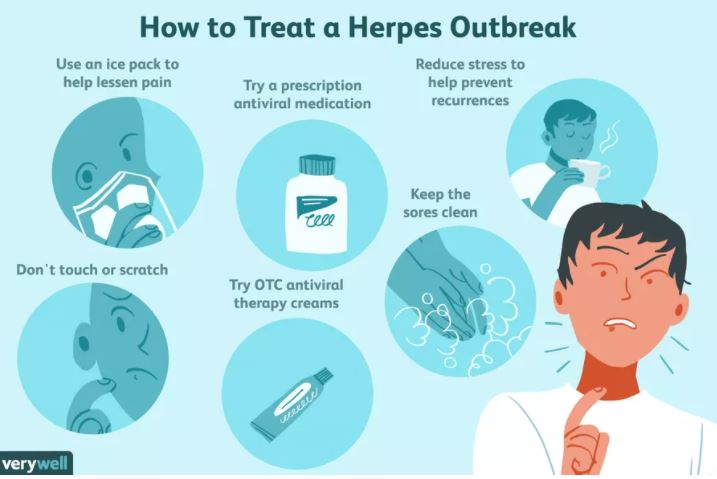
The Acyclovir family of drugs is usually effective in treatment, and works by inhibiting DNA Polymerase. These oral medications can be given to curtail each episode, if cold sores are infrequent, or continuously to reduce the number of outbreaks.
Herpes 1 is a double stranded DNA Virus in a family that includes Herpes 2, Chickenpox, the EB virus of mononucleosis fame, and Cytomegalovirus, which is the bane of organ transplant recipients. A nasty Clan indeed, and very successful in evolutionary terms.
–Dr. C.
HEALTH: VALUE OF A HEALTHY ‘SKIN MICROBIOME’ (VIDEO)
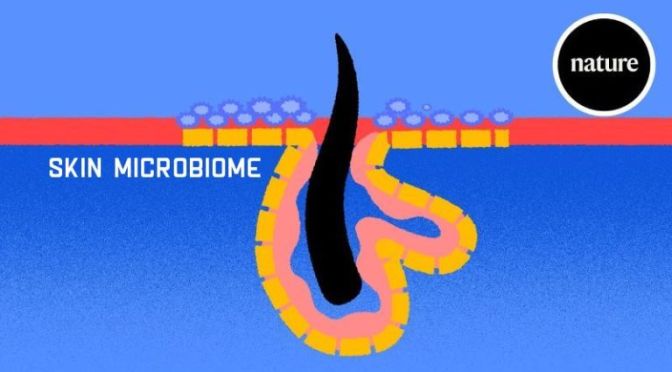
Our skin is home to billions of microorganisms, the vast majority of which are bacteria. Much like the microbiome in our gut, these microbes play a crucial part in keeping us healthy. They are part of a finely balanced ecosystem of friendly or ‘commensal’ bacteria, which protect our skin by creating an inhospitable environment for would-be invaders, bolstering the physical integrity of the skin, and training the immune system to distinguish commensal inhabitants from pathogens. A number of skin conditions are now understood to be influenced by a breakdown of this microbial ecosystem. Researchers are working out whether restoring the balance can treat these conditions. Understanding the ecology of this rich community is likely to be an important part of both dermatology and the study of the microbiome. Read more in https://www.nature.com/collections/sk…
THE DOCTORS 101 CHRONIC SYMPTOMS & CONDITIONS #30: ACNE (Vulgaris)
ACNE is almost a rite of passage in adolescents, although it is not totally restricted to the teen years; women may experience acne during pregnancy, or at the time of menopause. It afflicts about 90% of kids during their PUBERTAL growth spurt, though is moderate or severe in only 15%.
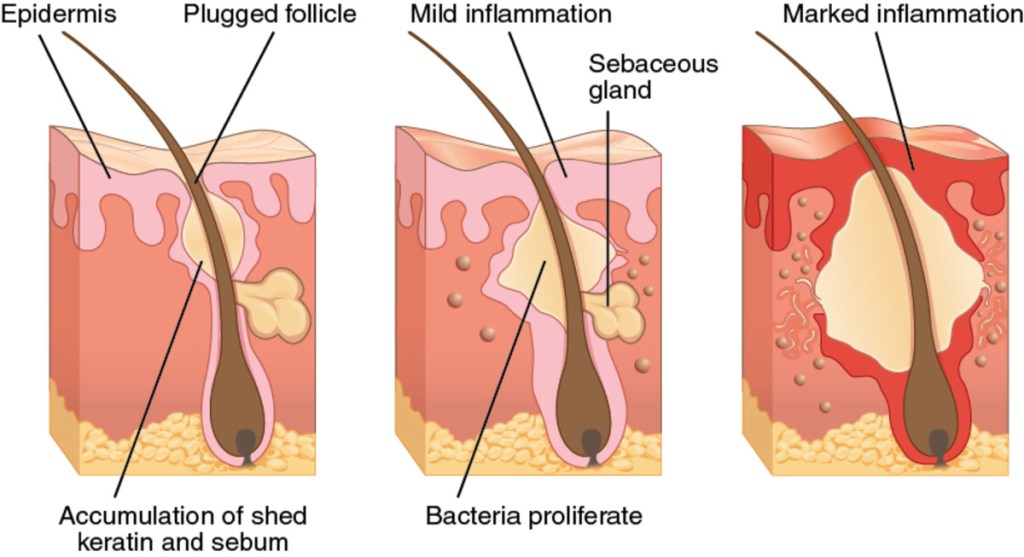
Acne is caused by PLUGGING of the sebaceous glands of the skin. Infection by certain skin BACTERIA follows. Check the accompanying video for a description of the battle between the “Good guys”, Staph epidermidis and Cutibacterium acnes, vs. the bad guy, Proprionibactrium
acnes.
Acne tends to run in families. The steroid HORMONES like Testosterone and Cortisone promote Acne. STRESS tends to chronically raise Cortisol and is a factor in Acne, and many chronic illnesses as well.

A person who is having trouble with Acne should avoid sweets and greasy foods, which is a good idea for everybody. Skin cleansers, using salicylic or azelaic acids and benzoyl peroxide may help, and creams containing retinoic acid derivatives may be useful..
The doctor may prescribe an antibiotic like tetracycline in resistant cases. Cystic acne may be scarring, but otherwise “the zits” depart with the pubertal years.
 Doctors Without Waiting Rooms