Category Archives: Men’s Health

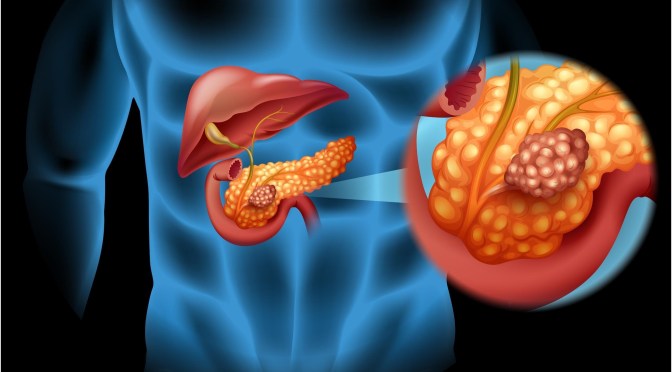
Diagnosis: Warning Signs Of Pancreatic Cancer

Pancreatic cancer accounts for about 3% of all cancers in the United States and about 7% of all cancer deaths. Because it’s hard to detect early, it’s important to recognize any symptoms that occur. Find out what to look for and when you should talk to your provider with this helpful video from Cleveland Clinic.

Chapters: 0:00 Intro 0:28 What is pancreatic cancer? 0:58 What are the warning signs of pancreatic cancer? 2:46 When to talk with your healthcare provider about symptoms of pancreatic cancer

Read more

Wearable Monitors: Heart Rate Variability Tracking

Skin Cancer: The 3 Main Types (Cleveland Clinic)

Skin cancer is the most common form of cancer in the United States. The good news is, this disease is extremely treatable if caught early. Cleveland Clinic experts break down the 3 main types of skin cancer and how you can spot the signs of each.

Chapters: 0:00 Intro 0:24 What does skin cancer look like? 0:49 What are the signs of skin cancer? 0:59 What are the types of skin cancer? 1:06 What is basal cell carcinoma? 1:35 What is squamous cell carcinoma? 1:52 What is melanoma? 2:26 When should you talk to your doctor about skin cancer?

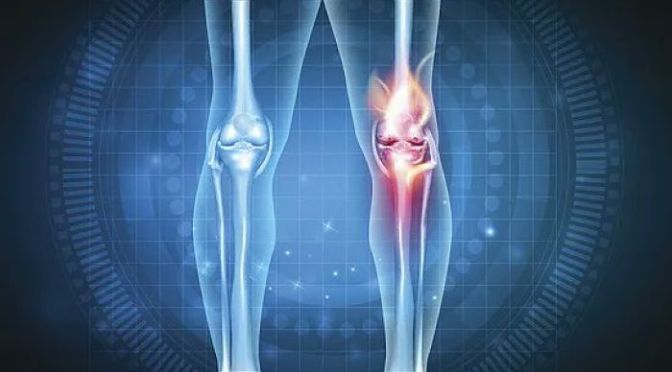
Knee Osteoarthritis: New Study Shows Telehealth Visit Benefits (Harvard)

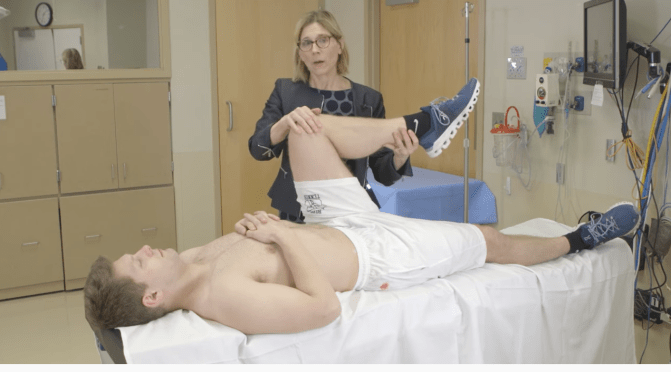
Physical Exams: Hip And Lumbar Spine (Mayo Clinic)

Dr. Karen Newcomer – Hip and Lumbar Exam Guide

This video demonstration contains the components necessary to perform a physical examination on a patient with a complaint related to their lumbar spine and hip region. At the beginning of the video, I will demonstrate the basic examination components of inspection, palpation and range of motion I will then show you special tests including Trendelenburg test (compensaved and uncompensated), Stork test (provocation of posterior elements of spine and lumbar nerve roots), straight leg raise (lumbar radiculopathy), Faber test (intraarticular hip and sacroiliac joint provocation) and Fadir test (femoroacetabular impingement).

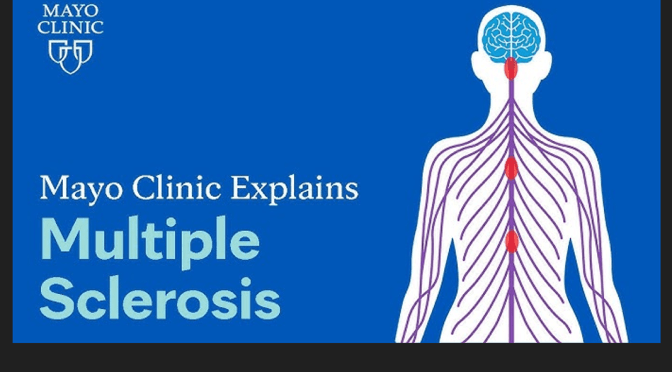
Nervous System: Multiple Sclerosis Explained (Mayo)

Learning about multiple sclerosis can be intimidating. Let our experts walk you through the facts, the questions, and the answers to help you better understand this condition.  

 Video timeline: 0:24 What is multiple sclerosis?   1:15 Types of multiple sclerosis 1:29 Who gets multiple sclerosis/risk factors?    3:11 Multiple sclerosis symptoms 3:40 How is multiple sclerosis diagnosed? 4:39 Treatment options    5:29 Coping methods/ What now?   6:23 Ending     

 For more reading visit: https://mayocl.in/3t24QSG  

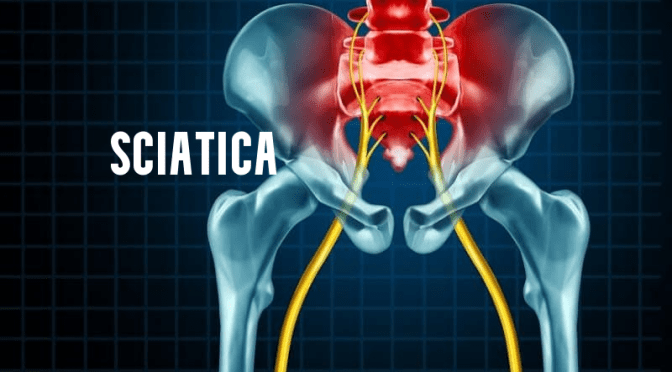
Back Pain: The Symptoms And Causes Of Sciatica

Most sciatica is caused by problems that affect the L4L5, or S1 nerve roots. The nerve may be compressed or irritated, usually because it’s being rubbed by a disc, bone, joint, or ligament. The resulting inflammation makes the tis­sues and the nerves more sensitive and the pain feel worse.

Damage to or pinching of the sciatic nerve, or the nerves that feed into it, can have several causes.

Herniated disc

One of the most common causes of sciatica is a herniated disc in the lower part of the spine. It’s also called a slipped disc, though there’s no slipping going on.

Spinal discs are tucked between the vertebrae, where they act as cushions to keep the bones from touching one another. The discs absorb all the forces placed on the spine from walking, running, sitting, twisting, lifting, and every other activ­ity we do. They also absorb forces from falls, collisions, and other accidents.

Spinal stenosis

The spinal canal protects the spinal cord and the nerves that run up and down the spine. Spinal stenosis is the narrowing of the spinal canal. When this occurs, nerves can be compressed, causing pain. Because the lumbar verte­brae undergo the most consistent stress and support the most weight, lumbar stenosis is the most common type of spinal stenosis.

Spondylolisthesis

The bones of the spine are stacked on top of one another, separated by discs. Spondylolisthesis occurs when one spinal bone slips forward in relation to the bone below it. When the L4 vertebra moves over the L5 vertebra, it can cause a kink in the spinal canal leading to pressure on a nerve root and sciatica.

Read more

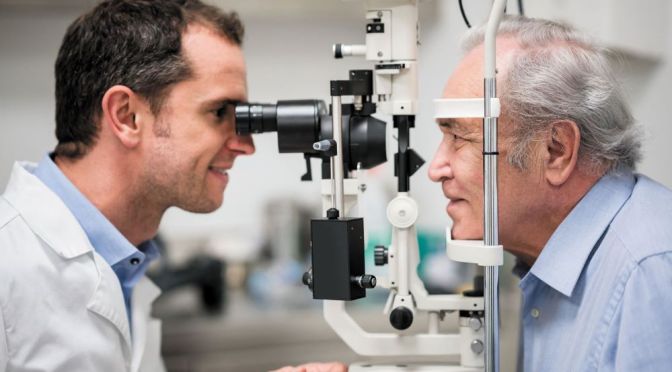
Dementia: Age-Related Eye Diseases Increase Risks