Category Archives: Medicine

Research: The Digital Medicine Revolution

Scripps Research (April 11, 2023) – From smartwatches and fitness bands to glucose monitors and in-home ultrasounds, the proliferation of digital devices is igniting a revolution in healthcare and medical research.

Patients can now collect thousands of data points about themselves and share that information with their healthcare providers. At the Scripps Research Translational Institute, researchers are taking advantage of new technology to study disease in novel ways.

Their projects include a platform for early detection of disease outbreaks, a sleep quality study, and even a way to predict and individual’s risk of certain disease based on their genetics. In this video, hear directly from the team about this exciting new frontier.

READ MORE

Colorectal Cancer: Some Myths & Facts Explained

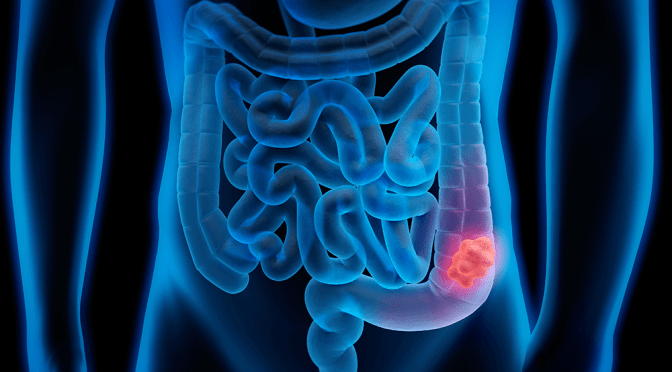
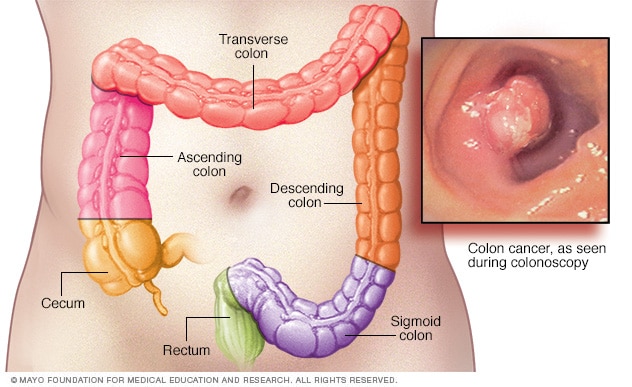
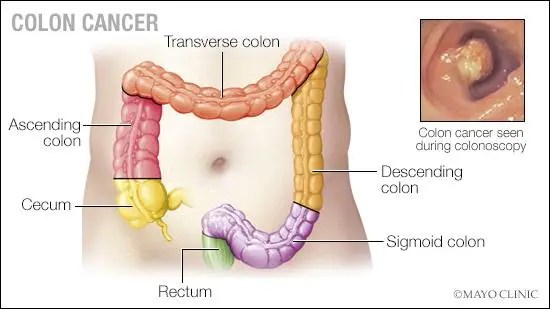
Mayo Clinic Cancer Blog – Colon cancer can occur in any part of the colon. An examination of your entire colon using a long, flexible tube equipped with a camera (colonoscopy) is one way to detect colon cancer and polyps. It can be easy to feel confused by screening recommendations for common types of cancer. Test your knowledge of why, when and how you can be screened with these myths and facts:

Colorectal cancer is rare.

Myth. Colorectal cancer is the second-leading cause of cancer-related death in men and women combined. Roughly 1 in 25 women will have colorectal cancer, and about 1 in 23 men will have colorectal cancer. To put that in perspective, when watching a football game, of all the players on the field, about one player would be diagnosed with colorectal cancer in their lifetime.

Colon cancer locations

Colorectal cancer can happen when you are young.

Fact. The rate of colorectal cancer is increasing in people under 50. Rates of colorectal cancer in people under 50 have doubled since 1990. In people over 65, the diagnosis rates have been decreasing, most likely because of colorectal cancer screening.

READ MORE

Circulatory Conditions: Peripheral Artery Disease

April 4, 2023: Peripheral Artery Disease (PAD) is a chronic circulatory condition, which, if not treated, can lead to limb amputations. PAD affects nearly 20 million Americans. An estimated 200,000 people, disproportionately from minority communities, suffer avoidable amputations every year.

What is peripheral artery disease?

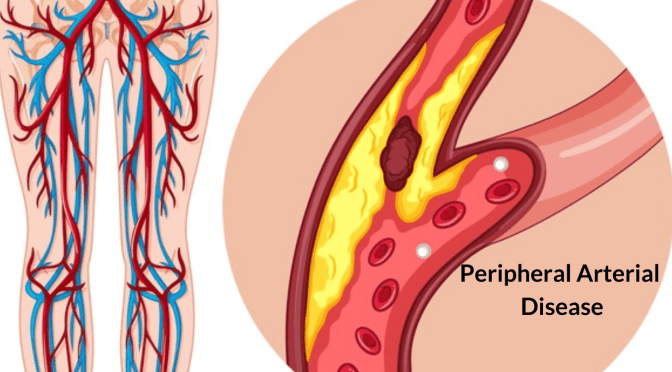
Peripheral artery disease (PAD) is plaque buildup in your leg arteries. Your leg arteries carry oxygen and nutrient-rich blood from your heart to your arms and legs. Other names for this are peripheral vascular disease or peripheral arterial disease.

Shaped like hollow tubes, arteries have a smooth lining that prevents blood from clotting and promotes steady blood flow. When you have peripheral artery disease, plaque (made of fat, cholesterol and other substances) forms gradually inside your artery walls. Slowly, this narrows your arteries. This plaque is also known as atherosclerosis.

Many plaque deposits are hard on the outside and soft on the inside. The hard surface can crack or tear, allowing platelets (disc-shaped particles in your blood that help it clot) to come to the area. Blood clots can form around the plaque, making your artery even narrower.

If plaque or a blood clot narrows or blocks your arteries, blood can’t get through to nourish organs and other tissues. This causes damage ― and eventually death (gangrene) ― to the tissues below the blockage. This happens most often in your toes and feet.

PAD can get worse faster in some people more than others. Many other factors matter, including where in your body the plaque forms and your overall health.

READ MORE

Colon Cancer Options: Intraoperative Radiation Therapy Vs Radiation

What is the difference between intraoperative radiation therapy and normal radiation? Is radiation a standard treatment option, or are there other approaches?

Mayo Clinic (March 28, 2023):

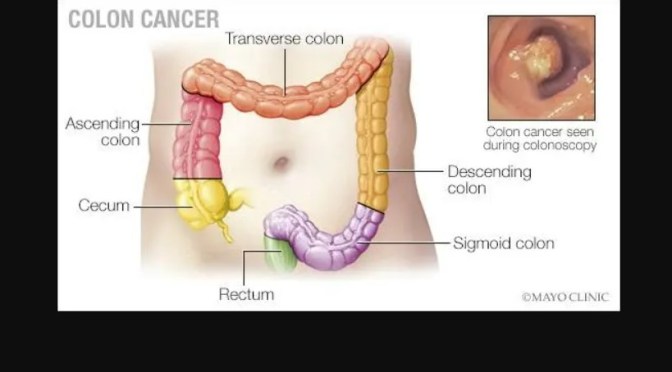
ANSWER: Colon cancer is one of the most common malignancies in the U.S., with more than 100,000 new cases diagnosed each year. Over a lifetime, it is estimated that 1 in 23 men and 1 in 26 women will be diagnosed with colon cancer. Typical colon cancers start as a polyp-like growth in the inside layer of the colon, which can be seen during a colonoscopy. Most cancer organizations recommend starting colonoscopy screenings at age 45.

When the treatment team is concerned about achieving negative margins, or removing the entire tumor with an edge of normal tissue around the specimen, intraoperative radiation therapy may be considered. Intraoperative radiation therapy rarely is used for colon cancer, but, when necessary, the area of concern is directly targeted with a single fraction of radiation during surgery. 

When a mass is found during a colonoscopy or cancer is suspected, biopsies are taken and reviewed by a pathologist. In this scenario, most patients are asymptomatic. Without preventive colon cancer screenings, a tumor may grow to an advanced stage before it causes any symptoms that a patient or health care professional would recognize. The most common signs and symptoms of colon cancer are anemia, which may lead to fatigue; abdominal pain; blood in the stool or other bowel changes; weight loss; and signs of obstruction.

Once colon cancer is diagnosed, the next step is a staging examination. This involves a history and physical examination; blood work; confirmation that a full colonoscopy has been performed; and CT scans of the chest, abdomen and pelvis. The results of these tests will allow your health care professional to assign a clinical stage. In stages 1 and 2, the tumor remains in the colon wall with no evidence that it has spread further. With stage 3, there is concern that the tumor cells have spread to the regional lymph nodes, and in stage 4 colon cancer, the tumor cells have spread outside of the local area to other organs  most commonly the liver, lungs or peritoneum.

Surgery is the mainstay of treatment for stages 1, 2 and 3 disease and is usually the first step in the treatment process. The segment of the colon bearing the tumor is removed, along with the draining lymph nodes. The ends of the intestine are reconnected, and the specimen is sent to the pathologist who then performs a histologic examination of the colon and the associated lymph nodes. The pathologist will assign a final pathologic stage to the tumor, which will dictate the need for any additional treatment.

Antibiotic Resistance: What You Need To Know

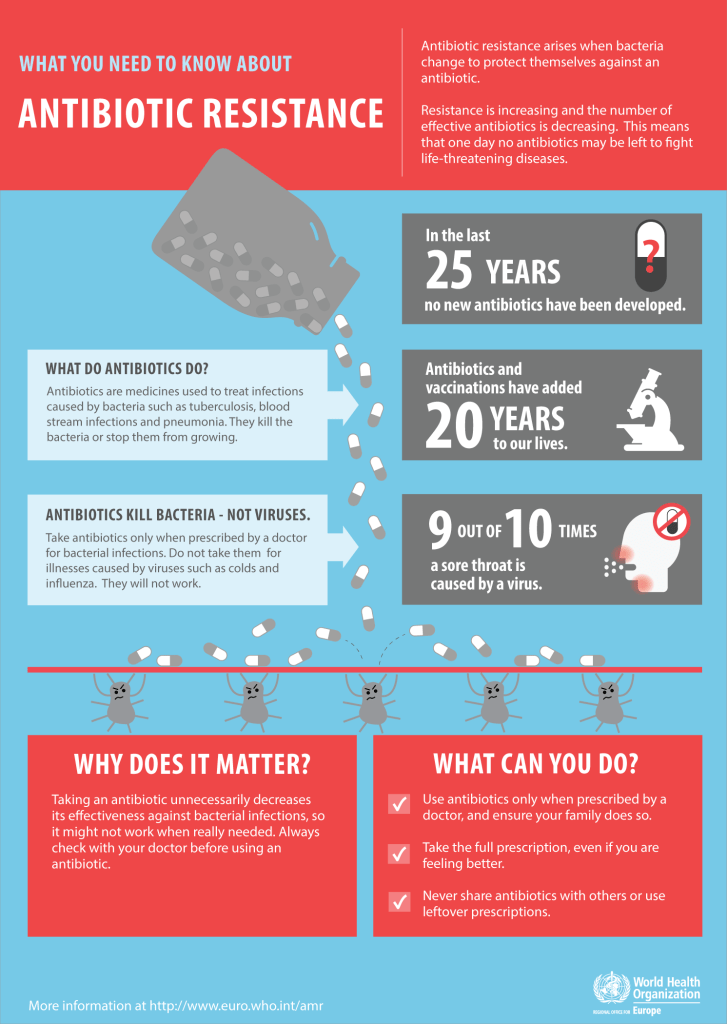
Each year in the US, more than two million individuals become sick with infections caused by antibiotic-resistant bacteria, and more than 23,000 die as a result of these infections. Antibiotic resistance happens when bacteria develop the ability to defeat the drugs designed to kill them.

Antibiotic resistance is a pressing public health issue, and together we can reduce this threat by optimizing antibiotic use and providing the best patient care. All stakeholders can play an important role in improving how antibiotics are used, to ensure that these drugs are available and effective when most needed.

READ MORE

Spinal Stenosis: Causes &Treatment (Mayo Clinic)

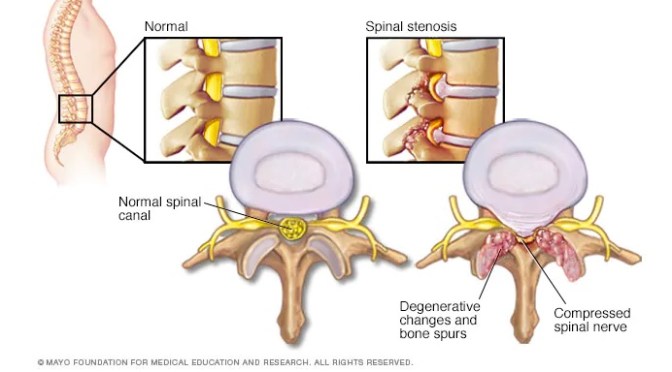
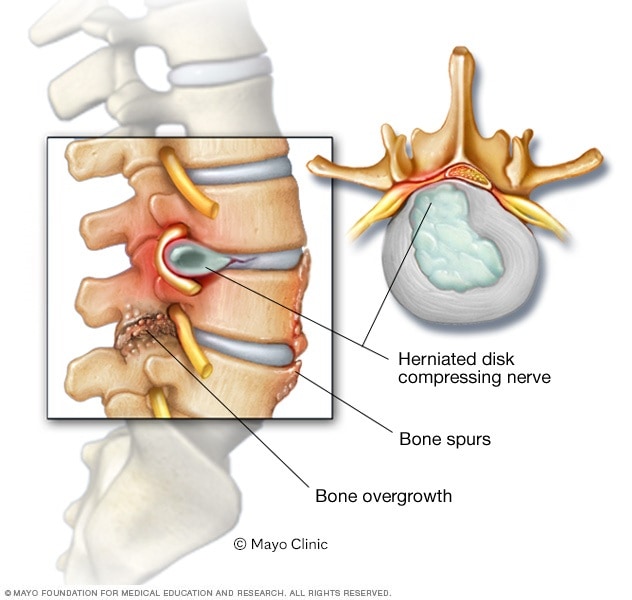
Mayo Clinic (March 30, 2023) – Spinal stenosis happens when the space inside the backbone is too small. This can put pressure on the spinal cord and the nerves that travel through the spine. Spinal stenosis occurs most often in the neck, called cervical spinal stenosis, and in the lower back, called lumbar spinal stenosis.

Spinal stenosis - Symptoms and causes - Mayo Clinic

The most common cause of spinal stenosis is wear-and-tear changes in the spine related to arthritis. Most people with spinal stenosis are over 50. Younger people may be at higher risk of spinal stenosis if they have scoliosis or other spinal problems.

Symptoms

Spinal stenosis often causes no symptoms. When symptoms do occur, they start slowly and get worse over time. Symptoms depend on which part of the spine is affected.

Spinal stenosis in the neck can cause:

  • Numbness
  • Tingling or weakness in a hand, leg, foot or arm
  • Problems with walking and balance
  • Neck pain
  • Problems with the bowel or bladder

Spinal stenosis in the lower back can cause:

  • Pain or cramping in one or both legs that happens when you stand for a long time or when you walk
  • Back pain

Treatment

Treatment for spinal stenosis depends which part of the spine is affected and the severity of your symptoms.

Nonsurgical treatment can include:

  • Medication.
    For control of pain, your health care professional might prescribe nonsteroidal anti-inflammatory drugs, antidepressants, anti-seizure drugs or opioids.
  • Physical therapy.
    A physical therapist can teach you exercises that can build up your strength and endurance, maintain the flexibility and stability of your spine, and improve your balance.
  • Steroid shots.
    Your nerve roots can become irritated and swollen at the spots where they are being pinched. Injecting a steroid medication into the space around the pinched nerve can reduce the inflammation and relieve some of the pain. Repeated steroid injections can weaken nearby bones, tendons and ligaments, though. That’s why a person often must wait many months before getting another steroid injection.
  • Removal of thickened ligament tissue.
    Sometimes, the ligament at the back of the lumbar spine gets too thick. Needlelike tools inserted through the skin can remove some of the ligament. This can create more space in the spinal canal to reduce pressure on nerve roots.

Surgeries to create more space within the spinal canal may include:

  • Laminectomy.
    This surgery removes the back part, or lamina, of the affected spinal bone. This eases pressure on the nerves by making more space around them. In some cases, that bone may need to be linked to nearby spinal bones with metal hardware and a bone graft.
  • Laminotomy.
    This surgery removes only part of the lamina. The surgeon makes a hole just big enough to relieve pressure in a specific spot.
  • Laminoplasty.
    This surgery is done only on spinal bones in the neck. It makes the space within the spinal canal bigger by creating a hinge on the lamina. Metal hardware bridges the gap in the opened section of the spine.

Infections: Overview Of Tickborne Diseases (NEJM)

NEJM Group (March 29, 2023) – In this Double Take video from the New England Journal of Medicine, Sam Telford and Robert Smith provide a clinical overview of the various tickborne diseases commonly encountered across the United States, including Lyme disease, babesiosis, and anaplasmosis, among others.

Starting with characteristics of ticks and their ability to act as disease vectors, the video reviews the clinical presentation of these infections, clues on physical examination, and laboratory tests to consider when encountering a patient with a potential tickborne infection.

Tick-borne diseases are transmitted through the bite of an infected tick. These include Lyme disease, Anaplasmosis, Ehrlichiosis, Babesiosis, Powassan (POW), Rocky Mountain Spotted Fever, and Tularemia. Ticks can be infected with bacteria, viruses, or parasites.