

A weekly podcast on the latest medical, science and telehealth news.
Category Archives: Medicine
Spine Health: Diagnosing & Treating A Herniated Disk
Learning about a herniated disk can be intimidating. Let our experts walk you through the facts, the questions, and the answers to help you better understand this condition.
Timeline: 0:00 Introduction 0:24 What is a herniated disk? 1:16 What causes a herniated disk? / Risk factors 2:10 Symptoms of a herniated disk 2:49 How is a herniated disk diagnosed? 3:38 Treatment options 4:50 Coping methods/ What now? 5:16 Ending
For more reading visit:https://mayocl.in/3PyJMvJ. When it comes to your health, Mayo Clinic believes credible and clear information is paramount. There’s a lot to learn about a herniated disk. We’re here to help.
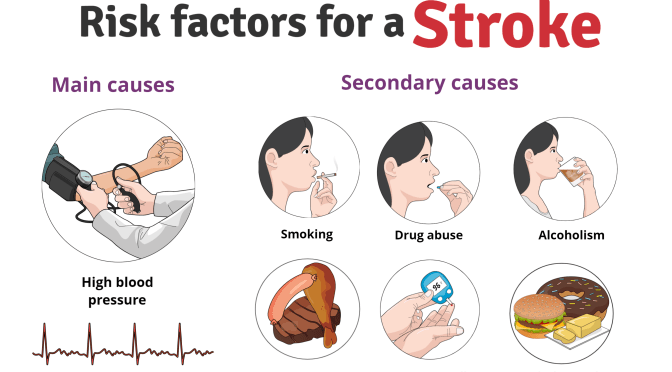
Brain Health: How To Reduce Risks Of Strokes
Stroke is one of the leading causes of death and disability in the U.S. with almost 800,000 cases diagnosed each year. Dr. David Miller, director of the Comprehensive Stroke Center at Mayo Clinic in Florida, explains how to reduce your stroke risk..
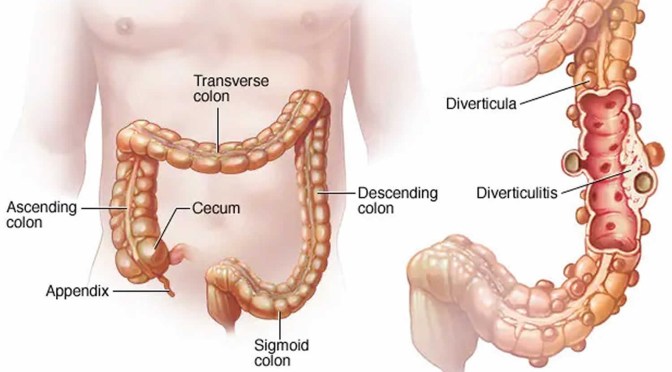
Infographic: Colonic Diverticular Disease

Acid Reflux: Signs That It May Be Esophageal Cancer
THE DIFFICULTY in treating cancer lies in its deadly ability to evolve. Picked up early, however, much can be done to avert death, so unusual changes to a body’s functioning should never be ignored. Acid reflux – a known precursor for oesophageal cancer – may present warning signs before turning cancerous, according to experts.
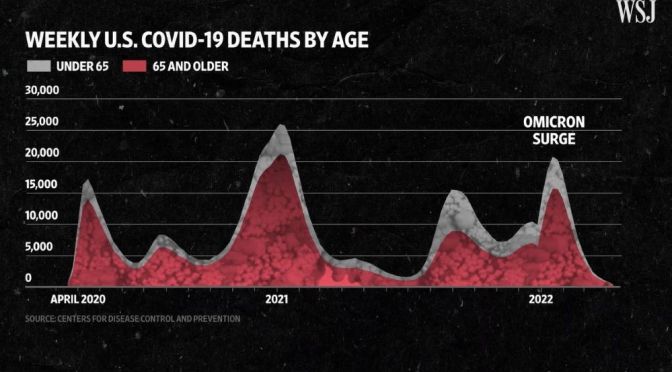
Covid-19: How The U.S. Reached 1 Million Deaths
More than one million Americans were killed by Covid-19 in just over two years, the CDC reports. But the disease has hit some segments of the U.S. population far more than others. Photo illustration: Todd Johnson
DOCTORS PODCAST: MEDICAL & TELEHEALTH NEWS (MAY 15)
A weekly podcast on the latest medical, science and telehealth news.
Brain Health: The Benefits Of Intermittent Fasting
Although intermittent fasting is most widely known as a weight-loss strategy, emerging research suggests that it could have benefits for brain health and cognition. But does it actually work, are there any drawbacks and how long would you have to fast to see benefits?
WSJ’s Daniela Hernandez breaks down what’s known and what’s not about the neuroscience of intermittent fasting.
Video Timeline: 0:00 Could intermittent fasting help our brains work better and longer? 0:31 How long would you have to fast to see any potential cognitive benefits? 1:04 How intermittent fasting could affect your ability to focus 2:27 Potential mood-related benefits of intermittent fasting 2:48 How intermittent fasting can affect brain health 4:03 Potential drawbacks of intermittent fasting

Health: How To Recover From An Ankle Sprain
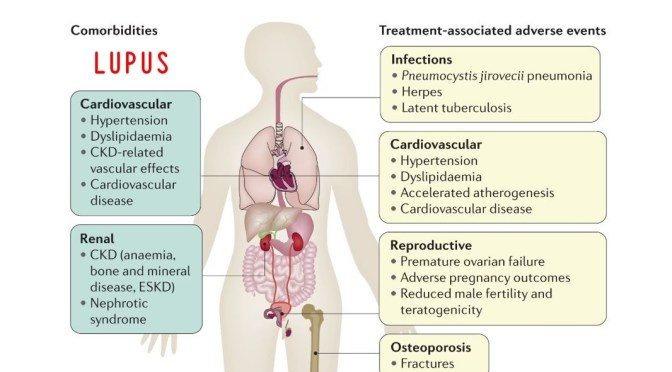
Infographic: Causes And Treatments Of Lupus
Lupus is a disease that occurs when your body’s immune system attacks your own tissues and organs (autoimmune disease). Inflammation caused by lupus can affect many different body systems — including your joints, skin, kidneys, blood cells, brain, heart and lungs.
 Doctors Without Waiting Rooms