
A weekly podcast on the latest medical, science and telehealth news.
Category Archives: Medicine
Supplements: Melatonin For Sleep Is Non-Addictive
“Melatonin is a hormone that is naturally made by your brain in response to darkness,” says sleep specialist Marri Horvat, MD. “When someone takes melatonin, they are either trying to increase the amount of this hormone overall or increase the amount they have in their body at a certain time to help them fall asleep.”
While there are some possible setbacks to taking melatonin (depending on how your body reacts), it isn’t addictive. Turns out, even if you depend on melatonin to make you fall asleep, it won’t cause your body to become dependent on it.
“As we age, we have a natural decrease in the amount of melatonin we produce, so supplementation can often be helpful,” Dr. Horvat explains.
Read more at Cleveland Clinic
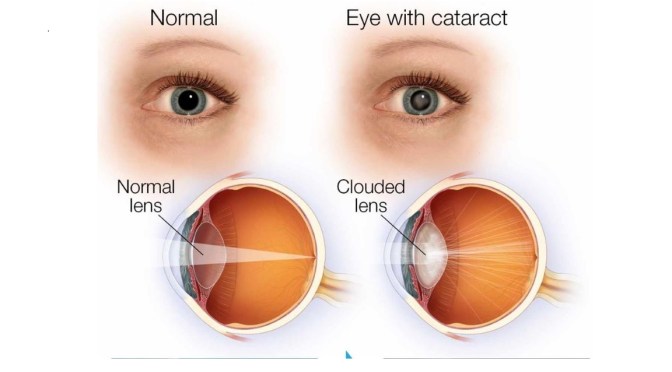
Eye Health: The Signs And Diagnosis Of Cataracts
Cataracts in the eye lens are a later-in-life reality that leads to vision problems for many people. This video shares describes what cataracts are, how they form, and warning signs to help you detect them early.
Chapters: 0:00 Intro 0:10 What are cataracts? 0:43 What are the warning signs of cataracts? 2:44 How are cataracts diagnosed? 3:04 Talk to your eye doctor
Regenerative Medicine: How It Slows Down Aging
“Diverse aging populations, vulnerable to chronic disease, are at the cusp of a promising future. Indeed, growing regenerative options offer opportunities to boost innate healing, and address aging-associated decline. The outlook for an extended well-being strives to achieve health for all,”
Andre Terzic, M.D., Ph.D., a Mayo Clinic cardiologist
Regenerative medicine could slow the clock on degenerative diseases that often ravage the golden years, a Mayo Clinic study finds. Life span has nearly doubled since the 1950s, but health span — the number of disease-free years — has not kept pace. According to a paper published in NPJ Regenerative Medicine., people are generally living longer, but the last decade of life is often racked with chronic, age-related diseases that diminish quality of life. These final years come with a great cost burden to society.
Researchers contend that new solutions for increasing health span lie at the intersection of regenerative medicine research, anti-senescent investigation, clinical care and societal supports. A regenerative approach offers hope of extending the longevity of good health, so a person’s final years can be lived to the fullest.
Lung Cancer Diagnosis: Robotic Bronchoscopy
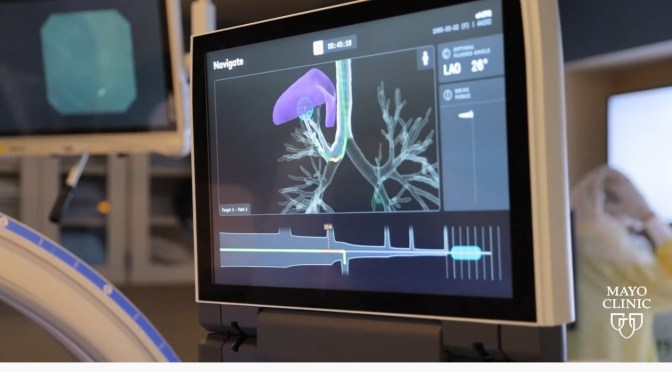
Robotic GPS system for early lung cancer detection.
Lung cancer typically is diagnosed at a later stagethan other malignancies, due to the lack of early warning indications. In 2020 it was China’s most common cancer and the leading cause of cancer-associated mortality. LungHealth MedTech, a medical robotics company in Shanghai, has developed a robotic-assisted bronchoscopy platform that can address some of the current diagnostic challenges and treatment limitations.
DOCTORS PODCAST: MEDICAL & TELEHEALTH NEWS (OCT 16)
A weekly podcast on the latest medical, science and telehealth news.
Health: American Heart Association Checklist
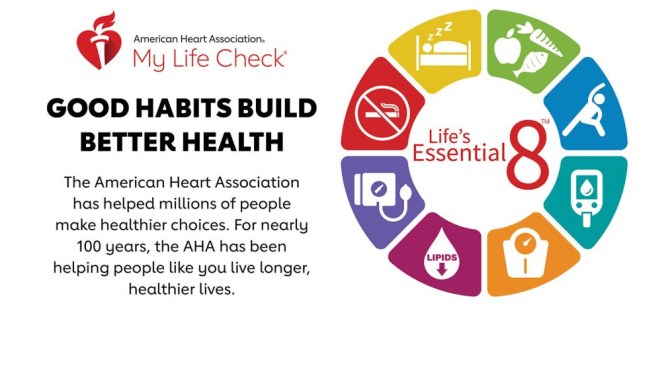
The American Heart Association (AHA) recently revised its checklist for achieving optimal heart health, introducing its new Life’s Essential 8. The list replaces the AHA’s decade-old Life’s Simple 7.
Sleep health is the new addition to the cardiovascular health scoring tool, which now advises that adults get seven to nine hours per night. The organization updated four of the categories:
- Diet: More emphasis was given to following heart-healthy diets like the DASH and Mediterranean.
- Nicotine exposure: Secondhand smoke and vaping were added as risk factors.
- Blood lipids: People now can get a non-fasting blood sample that measures total, HDL, and non-HDL cholesterol. Non-HDL cholesterol can provide similar risk information as LDL cholesterol.
- Blood sugar: Measurements now include hemoglobin A1c, a key component to assessing type 2 diabetes risk.
- Three categories were unchanged:
- Physical activity: The optimal weekly level is at least 150 minutes of moderate activity or 75 minutes of vigorous activity.
- Body mass index (BMI): A BMI of 18.5 to 24.9 is ideal for heart health.
- Blood pressure: Levels less than 120/80 millimeters of mercury (mm Hg) remain optimal. Stage 1 hypertension is 130 to 139 mm Hg for systolic pressure (the first number) or 80 to 89 mm Hg for diastolic pressure (the second number).
- You can calculate your heart health score at mlc.heart.org. The guidelines were published online June 29, 2022, by Circulation.
Women’s Health: Finding A Lump In Your Breast (JHM)
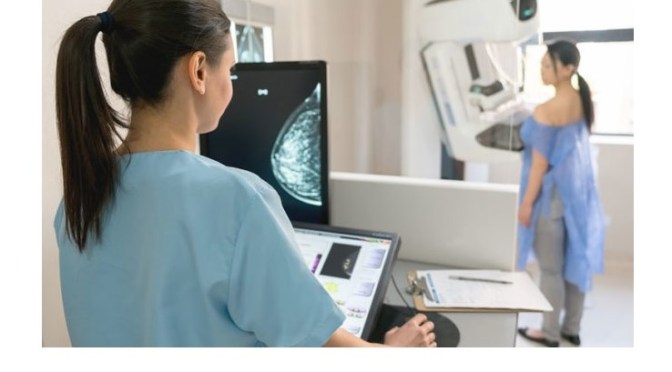
Johns Hopkins Medicine: What To Do When You Find a Lump in Your Breast? Breast imaging radiologist, Emily Ambinder discusses common questions one may have when discovering a lump in the breast.
Video timeline: 0:03 Why do lumps form in the breast? 026 What are the different types of lumps? 0:55 Can breast lumps form because of physical impact? Could those lumps become cancerous? 1:23 What do i do if i have found a lump? 1:47 What makes breast imaging at Johns Hopkins different? 2:01 What is a mammogram? 2:29 What is a breast ultrasound? 2:53 What else do I need to do if I have a lump?
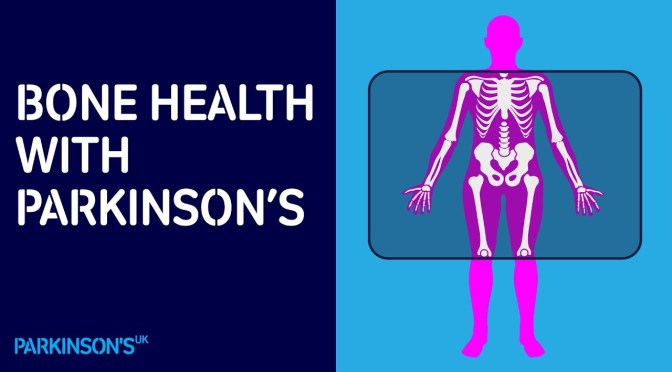
Medicine: Parkinson’s Disease And Bone Health
Keeping bones healthy is important for everyone and especially important for people with Parkinson’s. We share some top tips for keeping your bones in tip top condition.
Key points
- Bone health is important for everyone, but especially if you have Parkinson’s.
- You are at more risk of getting osteoporosis when you have Parkinson’s, which can weaken bones and make them more likely to break.
- Your healthcare team can assess you and may prescribe medication to help improve your bone health.
- Strength exercises and maintaining a good diet can also help.
What is bone health?
Bone health really means having ‘healthy bones’. Healthy bones are strong enough to prevent fractures, for example when we have a fall. Our bones are more healthy when we have enough calcium in our diet (from milk, and dairy products like cheese) and when we use our arms and legs (such as with exercise).
Find out more https://www.parkinsons.org.uk/informa…
Research: ‘Rejuvenating The Aging Brain’ (Scripps)
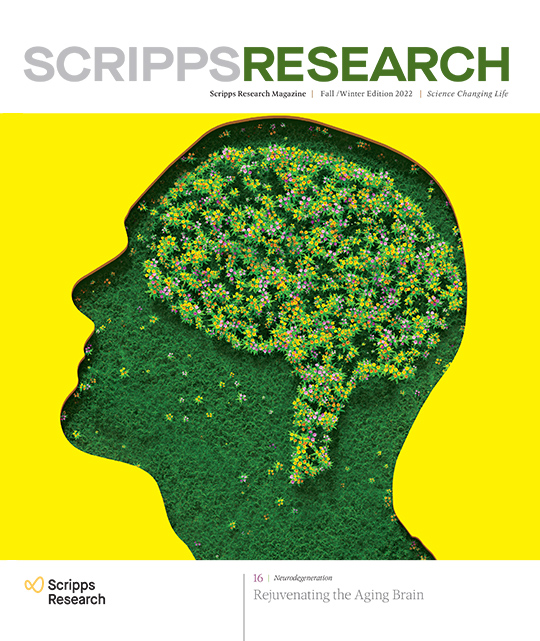
REJUVENATING THE AGING BRAIN
As humans live longer, they’re at increased risk of developing devastating NEURODEGENERATIVE diseases, such as Alzheimer’s—in a treatment landscape with few options and little hope. At Scripps Research, scientists are closer than ever to understanding how these diseases harm the brain and identifying possible drugs to stop them.
“This early preclinical work may identify proteins that protect against cognitive loss. We know it’s a long path to get to a drug, but we’re creating the foundation. We know there’s an entire landscape of potential molecular interactions that maintain healthy synapses, and any of these proteins could be a drug target.”— Hollis Cline, PhD
 Doctors Without Waiting Rooms