Category Archives: Medicine

Technology: ‘Low-Field MRI’ Stroke Detection

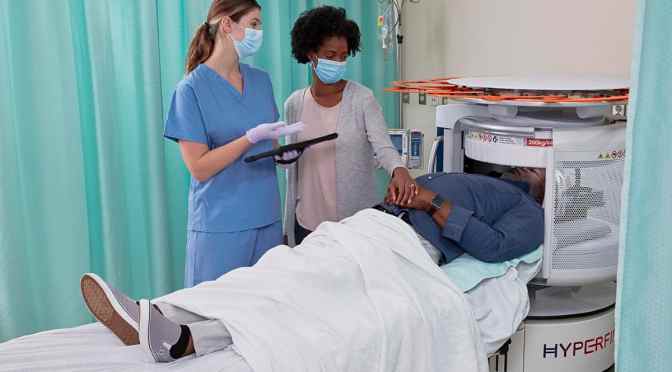
Recently, low-field MRI scanners have become available that are portable, are cryogen-free, are easy to use, provide rapid patient loading and unloading, have minimal power requirements, and have relatively low purchase prices and maintenance costs. For some indications, including ischemic stroke, these MRI scanners are a welcomed addition to the clinical armamentarium, as they have the potential to improve some aspects of clinical care over the current standard of care.

For one, they offer rapid “point-of-care” imaging diagnosis. Owing to their reduced cost and portability, these scanners could be deployed in a myriad of new settings, such as at-large public gatherings (e.g., sporting events or rock concerts), rural health care centers, emergency rooms, and assisted living facilities. Future innovations in motion correction, noise remediation, and image data upload capabilities suggest the eventual use of these scanners in ambulances or even on the battlefield.
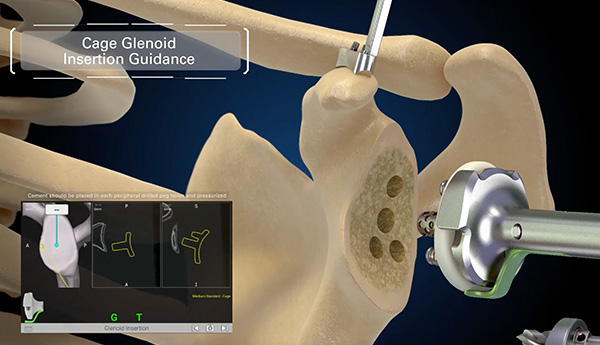
Reviews: New Shoulder Replacement Surgeries

Shoulder replacement is a major surgery where all or part of the shoulder joint is replaced. In the past, it would take weeks for the patient to gain mobility, but new technology is changing all that.

Laura Britt has degenerative joint disease and as a result has had several surgeries, including shoulder replacements.

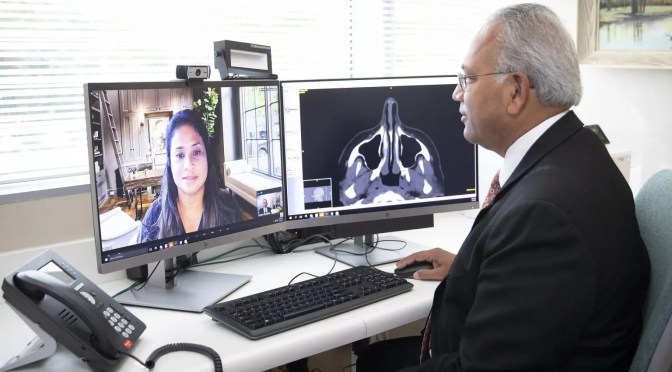
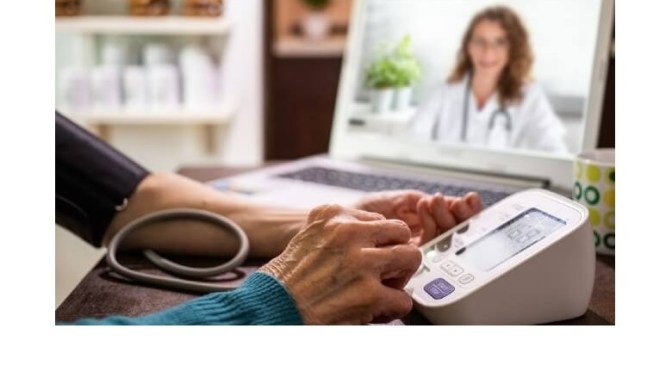
Telemedicine: Its Benefits In Rural Montana (CDC)

Centers for Disease Control and Prevention (CDC) – Telemedicine is being used to reach patients with diabetes in remote parts of Montana. This program is a unique partnership between CDC, the Eastern Montana Telemedicine Network, and the Montana Department of Public Health and Human Services.

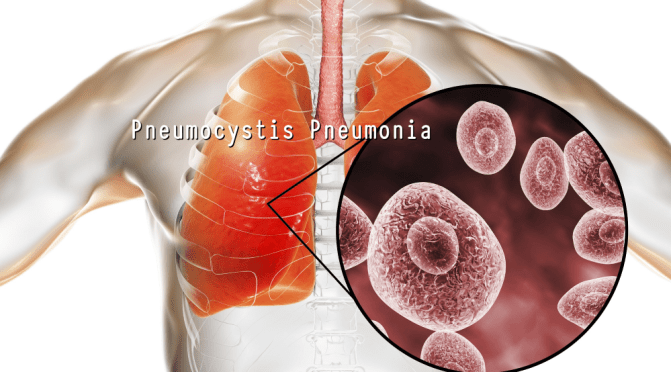
Respiratory Infections: What Is Acute Pneumonia?

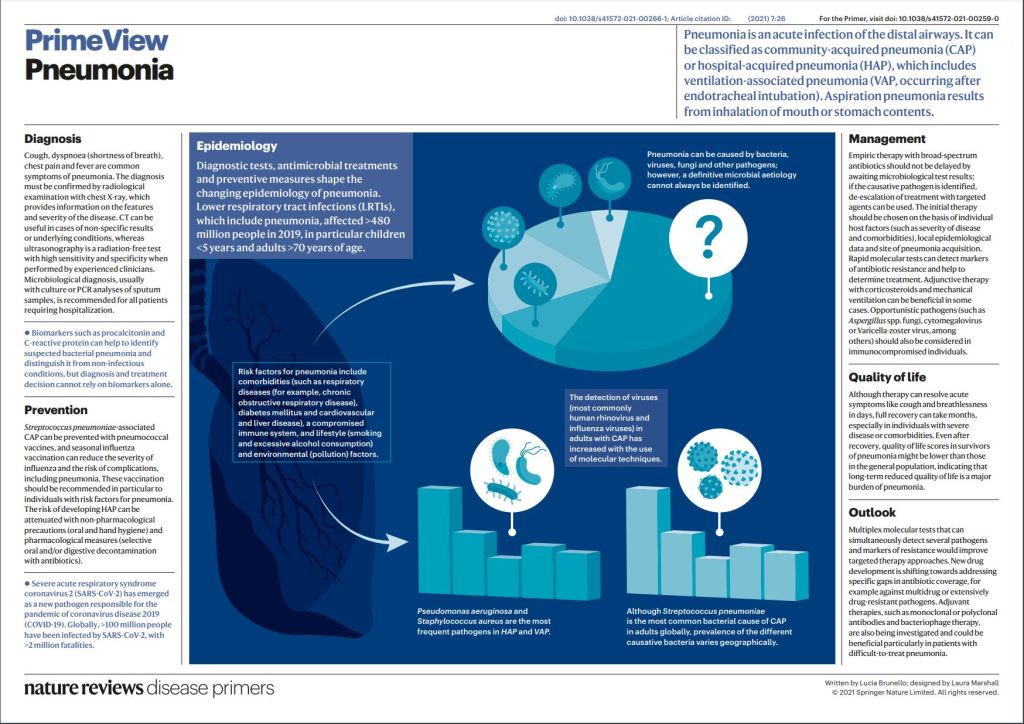
Pneumonia is a common acute respiratory infection that affects the alveoli and distal airways; it is a major health problem and associated with high morbidity and short-term and long-term mortality in all age groups worldwide. Pneumonia is broadly divided into community-acquired pneumonia or hospital-acquired pneumonia.

A large variety of microorganisms can cause pneumonia, including bacteria, respiratory viruses and fungi, and there are great geographical variations in their prevalence. Pneumonia occurs more commonly in susceptible individuals, including children of <5 years of age and older adults with prior chronic conditions. Development of the disease largely depends on the host immune response, with pathogen characteristics having a less prominent role. Individuals with pneumonia often present with respiratory and systemic symptoms, and diagnosis is based on both clinical presentation and radiological findings.

It is crucial to identify the causative pathogens, as delayed and inadequate antimicrobial therapy can lead to poor outcomes. New antibiotic and non-antibiotic therapies, in addition to rapid and accurate diagnostic tests that can detect pathogens and antibiotic resistance will improve the management of pneumonia.

READ MORE

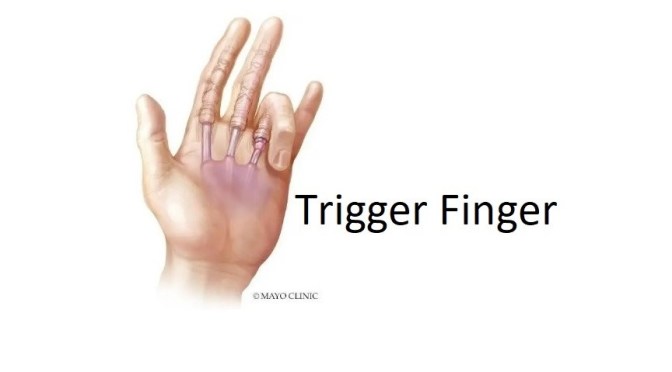
Hand Conditions: What Causes Trigger Finger?

Typically, people 45 and older and those with diabetes or rheumatoid arthritis may be predisposed to trigger finger. It’s rare in children. Usually, the tendon sheath becomes irritated due to overwork or injury, so people who do repetitive movements, heavy squeezing or lifting in their work can be prone to the condition. It can happen at any time and is more common than people realize.

How is it treated?

Mayo Clinic – If you’re experiencing mild symptoms, such as a small, tender lump at the base of a finger or your thumb on the palm side of your hand but can straighten or bend your finger without it locking, take an over-the-counter anti-inflammatory medication, such as ibuprofen, every day for two weeks. If your finger or thumb is locked, you may be able to use gentle pressure to force it straight or bent.

If your finger or thumb is locked, you’re not able to force it straight or bent, and you’re feeling catching or popping, the next level of treatment is a steroid injection to calm the irritation and swelling. Performed in the clinic, the injection is done in the palm of your hand. A cold spray is used to numb the area.

READ MORE

Reviews: The Top 5 Articles On Healthy Aging In 2022

National Institute on Aging – As 2022 comes to a close, NIA invites you to explore some of the most popular health information topics from this past year:

High Blood Pressure and Older Adults

— High blood pressure, or hypertension, is common in older adults. The good news is that blood pressure can be controlled in most people.

What Is Menopause?

 — Menopause is a normal part of aging for women, but it affects every woman differently.

Memory, Forgetfulness, and Aging: What’s Normal and What’s Not?

 — As you age, you may wonder about the difference between normal, age-related forgetfulness and a serious memory problem, such as dementia.

Shingles 

— Shingles is a disease that triggers a painful skin rash. About one in three people will get shingles, but there is a vaccine for older adults to help prevent the disease.

Vitamins and Minerals for Older Adults

 — Vitamins and minerals are types of nutrients that your body needs to survive and stay healthy.

Blood Glucose Levels: What Is Insulin Resistance?

Cleveland Clinic – If you have insulin resistance, your body doesn’t respond to insulin like it should. Insulin, a hormone made by your pancreas, regulates your blood glucose levels.

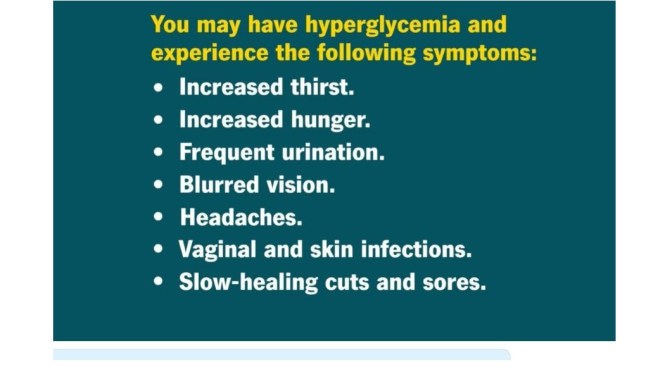
And if your blood glucose (or blood sugar) levels become too high, it can lead to hyperglycemia or even prediabetes and Type 2 diabetes.

Chapters: 0:00 What is insulin? 0:28 What is insulin resistance? 0:55 What are risk factors of insulin resistance? 2:06 Symptoms of hyperglycemia 2:30 Can insulin resistance be treated?

Resources: Insulin Resistance: What It Is, Causes, Symptoms & Treatment – https://cle.clinic/3ETWG47

Telemedicine: Study Finds 87% Diagnosis Accuracy

In one study published in JAMA Open Network, researchers found that 87% of the preliminary diagnoses made during telemedicine appointments were later confirmed during in-person appointments.

To put it simply: diagnoses over video are usually spot on.

December 2, 2022 – Researchers evaluated more than 97,000 video visits across Mayo Clinic between March and June 2020. Of those visits, 2,400 patients had a visit for a new health concern and followed up with an in-person appointment within 90 days.

The highest rate of matching telemedicine and in-person diagnoses was found in specialties that included psychiatry and psychology, allergy and immunology, orthopedics, and urology. While diagnostic concordance was slightly lower in specialties such as dermatology and ear, nose and throat (ENT), still, close to 80% of those diagnoses were confirmed in person.

READ MORE

ANALYSIS: HOW TO MAKE HEALTHCARE AFFORDABLE

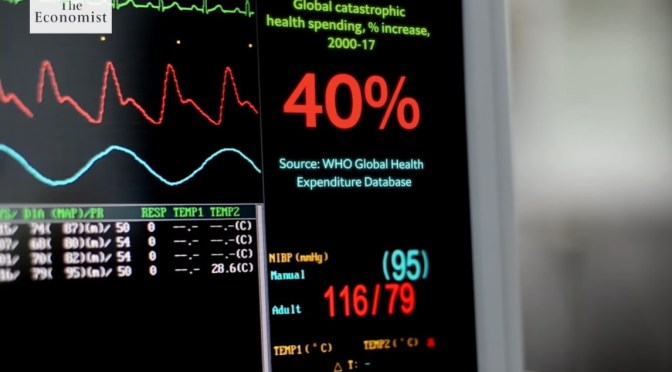
The cost of health care is unaffordable for many in the developing world. But while universal health care may sound like an impossible dream, it’s more achievable than you might think.

Video timeline00:00 – The argument for universal health coverage is clear 00:57 – Thailand’s path to universal health coverage 03:31 – Universal health care around the world 04:48 – How to finance universal health coverage? 05:30 – Rwanda: from genocide to public health exemplar 07:19 – What is a pooling finance system? 08:01 – Which services make the cut? 11:17 – The economic benefits of UHC 12:23 – Could covid-19 be a catalyst for reform?