

Monthly Archives: February 2023

Microbiome: Physiology Of The Gut (Cambridge)

“The gut is a masterpiece of biological complexity.”
In a new paper published in Gut Microbiome, an Open Access journal from Cambridge University Press and The Nutrition Society, Professor Hannelore Daniel discusses how the physiology of the gut is a missing link in efforts to connect the gut microbiome to human health.
“Gut physiology meets microbiome science” Gut Microbiome, Cambridge University Press, Volume 4 , 2023 , e1. DOI: https://doi.org/10.1017/gmb.2022.10
Access the paper here: http://bit.ly/3I4BAAA

Reviews: Menopausal Hormone Therapy Risks


DOCTORS PODCAST: MEDICAL & TELEHEALTH NEWS (FEB 13)
A weekly podcast on the latest medical, science and telehealth news.
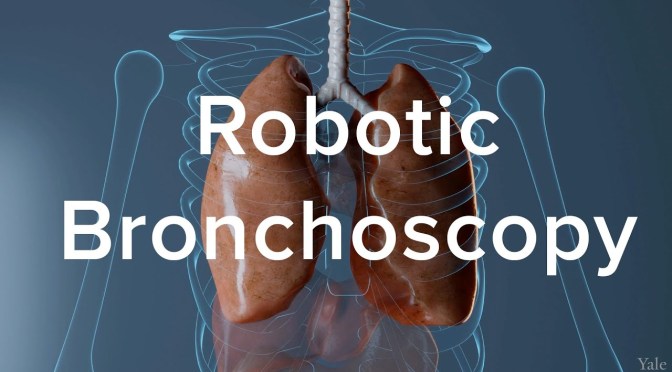
Lung Cancer: Benefits Of Robotic Bronchoscopy

Early diagnosis and treatment often lead to better outcomes. A diagnosis of lung cancer often begins when a chest X-ray or computed tomography (CT) scan shows a nodule—an area of abnormal tissue—in the lungs. If the nodule is suspicious or grows over time, doctors will perform a biopsy to collect a tissue sample that can be tested for the presence of cancer cells. Bronchoscopy is a widely used procedure for biopsying lung nodules.
In traditional bronchoscopy, a doctor manually guides a thin tube, called a bronchoscope, into the patient’s mouth or nose, down the throat, past the vocal cords and windpipe, and into the passageways of the lungs. The bronchoscope is equipped with a light, camera, and biopsy tools that allow doctors to visually examine and biopsy nodules. But robotic bronchoscopy is different. Like traditional bronchoscopy, it’s a minimally invasive procedure that allows doctors to biopsy nodules in the lungs.
The difference is that in robotic bronchoscopy, the doctor uses a controller at a console to operate a robotic arm. The robotic arm guides a catheter—a thin, flexible, and maneuverable tube equipped with a camera, light, and shape-sensing technology—through the patient’s airways. The robotic arm’s precise movements enable doctors to accurately direct the catheter around tight turns in the airways and into the hard-to-reach areas of the lungs. This means doctors can examine and biopsy suspicious nodules—and potentially detect cancer—in parts of the lungs that may be inaccessible with traditional bronchoscopy.
What’s more, the procedure is safe—serious complications are rare—and recovery is usually quick. “As part of the comprehensive Thoracic Oncology Program, we are now able to offer patients the option of robotic bronchoscopy,” says Yale Medicine interventional pulmonologist Christopher Morton, MD. “This technology will allow us to biopsy lung nodules and masses with improved accuracy and fewer side effects, in addition to lymph node biopsies that we already do. This will get patients diagnosed and referred to the appropriate treating physician quicker.”

Research: Sleep Disorders Links To Brain Health
Research on sleep disorders and the importance of regular shut-eye has deepened our understanding of the link between sleep and brain health.

Overall, there are more than 80 sleep disorders, ranging from the mildly annoying to the potentially deadly. The best known is probably insomnia; about 10 percent of the general population has chronic insomnia, an inability to fall asleep for multiple nights over a period of months.
Addressing sleep disorders “is paramount to not only protecting the brain down the road but also on a day-to-day basis,” says Daniel Barone, MD, associate medical director of the Weill Cornell Center for Sleep Medicine in New York City and co-author of The Story of Sleep: From A to Zzz (Rowman & Littlefied, 2023). “One of the best ways to take care of our brains is by getting quality sleep.”
Intriguing Clues
Research on sleep disorders has led to improvements in treatment for a variety of sleep and neurologic conditions. Case in point: Studies in the late 1990s on the causes of narcolepsy with cataplexy—the condition Connor was initially diagnosed with—led to the development of dual orexin receptor agonists, drugs now commonly prescribed to treat insomnia. The researchers discovered that people with narcolepsy with cataplexy often had low levels of hypocretins (orexins), brain chemicals that sustain alertness and prevent REM from happening at the wrong time.
“Once they found out, ‘If I take away your hypocretin, it makes you sleepy,’ there was a new idea of how to make a sleeping pill,” says Rafael Pelayo, MD, clinical professor of psychiatry and behavioral sciences at Stanford University School of Medicine in California and a sleep specialist at the university’s Sleep Medicine Center.
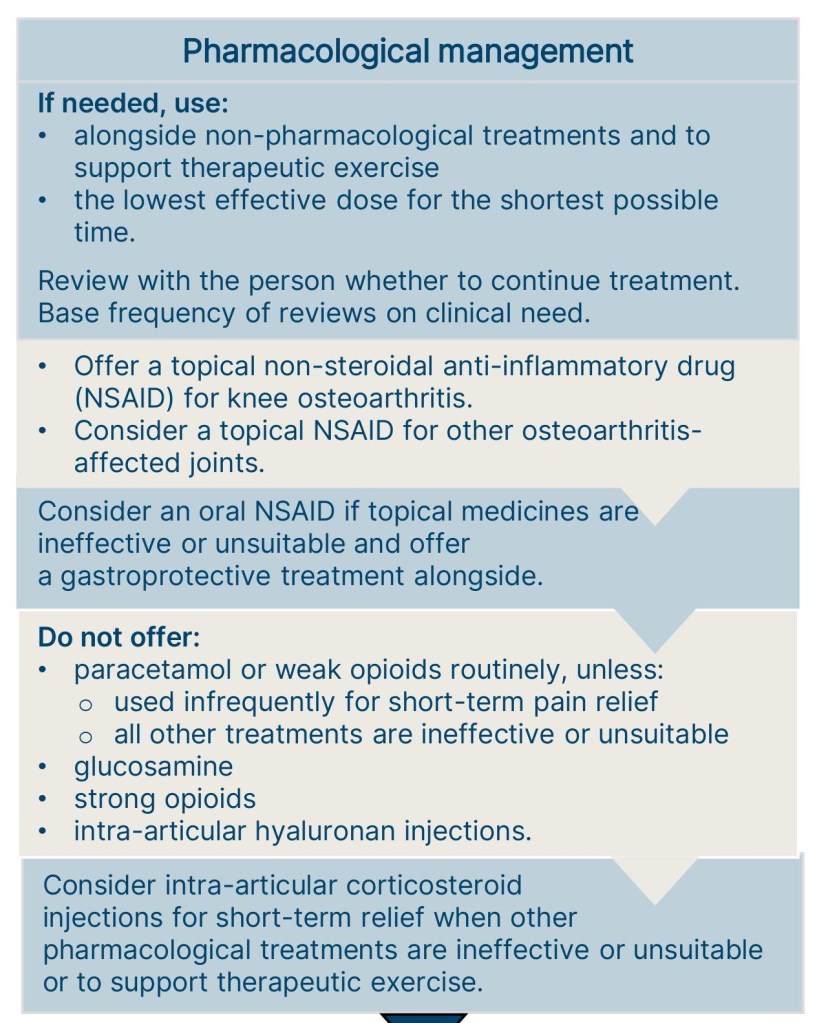
Infographic: Management Of Osteoarthritis (OA)
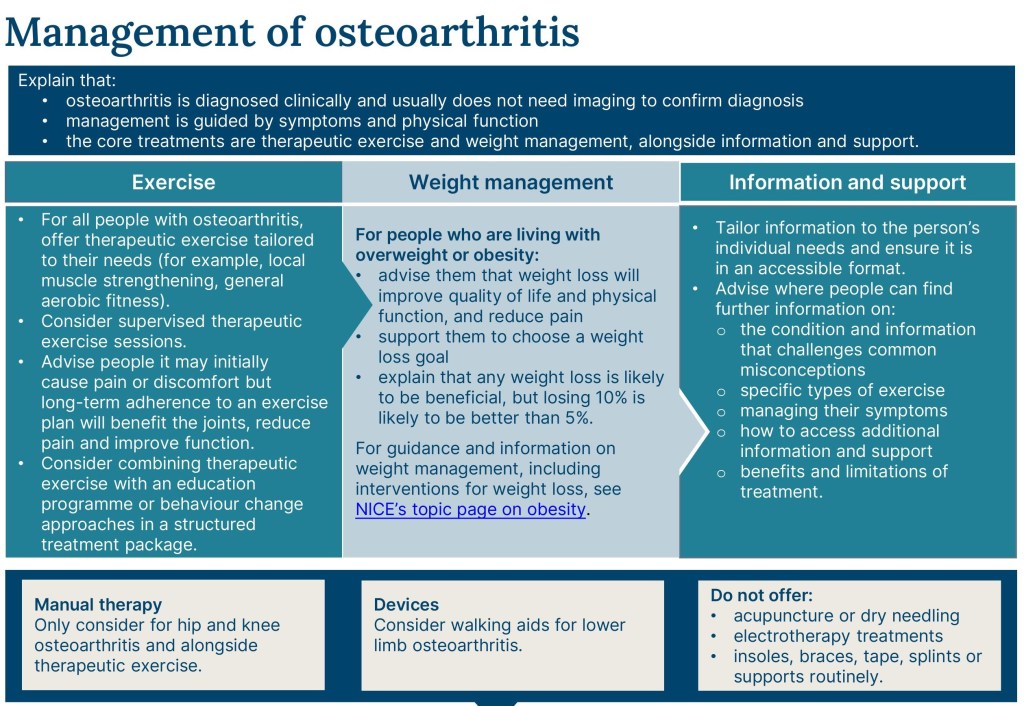
Osteoarthritis (OA) is the most common form of arthritis. Some people call it degenerative joint disease or “wear and tear” arthritis. It occurs most frequently in the hands, hips, and knees. With OA, the cartilage within a joint begins to break down and the underlying bone begins to change.


Medicine: A Historical Look At Breast Cancer
Breast cancer is best looked at from the historical perspective, as did Lindsay Fitzharris in the December 3, 2022 issue of the Wall Street Journal.
Can you imagine having breast cancer in the mid 1800s before the germ theory was developed? 50% of all surgeries died of severe infection at that time. Before the development of anesthesia, of course, cancer removal was extremely painful as well. Even if the patient escaped dying from infection, the one size fits all often meant removal of some chest wall muscles, leading a gaping wound.
Today, prophylactic breast imaging (mammography) often discovers the cancer at a very early and treatable stage.
Searching the cancer cells for rogue genes and surface markers often shows the way to better treatment; no longer does one size fit all.
Sometimes the breast lump is removed with minimal surgery and radiation is used, often yielding better results than the old time radical mastectomy.
Surgery itself is often aided by tissue biopsy, and now, with “intelligent” knives, gases from the surgical cut, using mass spectrophotometry, can tell the surgeon whether the tissue being cut is cancerous or normal.
Immunization methods are in development which will help your immune system to conquer any residual cancer, and “smart” T cells can be used to attack cancer cells directly.
Breast cancer Is still the most common cause of cancer deaths in women, even with all of the modern developments. Early detection is very beneficial, as with Breast self-examination and regular mammograms as prescribed by your doctor.
Extra care should be taken in families with certain genetic markers like like the BRCA gene.
—Dr. C.

Cancer & Genetic Testing: Nine Questions Answered
“Many health conditions have a genetic link,” says Breanna Mitchell, a genetic counselor at Mayo Clinic Health System in Eau Claire. “Genetic testing can help you and your health care team understand if you have an increased risk for developing certain conditions that are present in your family. If you are at risk, you may be able to take preventive measures to decrease your risk or undergo genetic testing to clarify your risk.”
Here are nine common questions about genetic testing:
Do all types of cancers have a genetic component?
Most cancers are considered sporadic, meaning the cancer happens randomly or has environmental influences, such as smoking and lung cancer. About 25% of cancers are considered familial. This is when multiple members of a family are affected by cancer. These family members have some shared genetic factors in combination with shared environmental factors that lead to the development of these cancers.
“About 10% of cancers are considered hereditary or have a single specific genetic component that can be tested and increase a person’s risk for developing cancer,” Mitchell says. “Genetic counseling and genetic testing can help determine which category a person’s individual or family cancer falls into. It also can help estimate your risk for developing cancer.”
What types of genes are examined during genetic testing?
You may have an increased risk for some health conditions, including some types of cancer, based on your genes. A genetic test looks for specific harmful gene changes, called mutations or pathogenic variants, that can cause you to develop a genetic condition. Gene changes are like spelling errors within your body’s instruction manual.
Most genetic tests look for changes in a group of genes called a panel. However, testing may look for changes in a single gene when there is a known genetic mutation in your family. The most common genes typically thought of related to cancer risk are BRCA1 and BRAC2. These genes are associated with breast and ovarian cancer. It’s known that changes in other genes can increase risk for these cancers, as well.
There also are gene panels that assess risk for other cancers, such as colorectal, pancreatic, prostate, liver, uterine and endometrial cancers.

OTC Pain Relievers: Types & How To Safely Use Them

The two main categories of commonly used pain relievers (also known as analgesics) are acetaminophen and nonsteroidal anti-inflammatory drugs (NSAIDs).
- Acetaminophen (Tylenol) controls pain and fever but doesn’t help with inflammation. It’s an active ingredient in many drugstore headache and cold remedies.
- NSAIDs include aspirin, ibuprofen (Advil, Motrin), and naproxen (Aleve, Naprosyn). These ease pain and lower fever like acetaminophen, and also work as anti-inflammatories. NSAIDs are popular pain relievers for inflammation-related conditions like arthritis and injuries.
Potential side effects
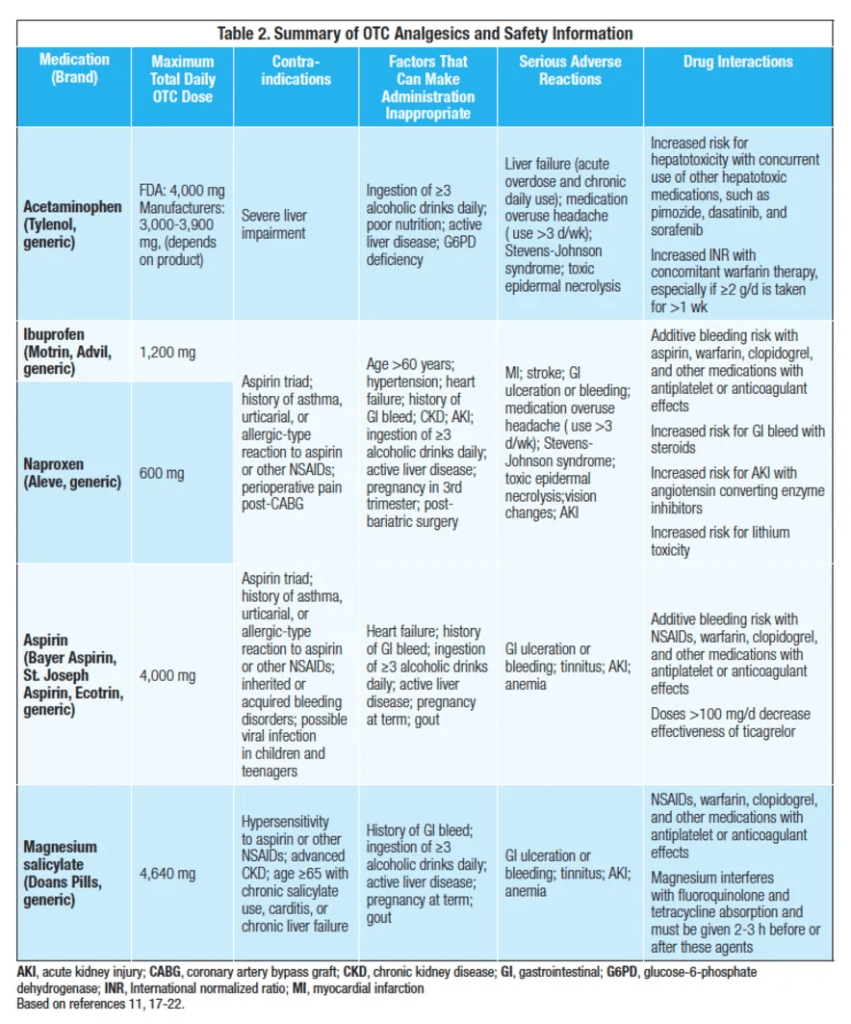
Acetaminophen. High doses can damage the liver. The maximum recommended per day is usually 4,000 milligrams (mg), equivalent to 12 regular-strength or eight extra-strength Tylenol tablets. It’s also possible to develop liver problems after taking small to moderate amounts if done so over an extended period.
To be safe, take no more than 3,250 mg of acetaminophen a day. The FDA recommends using products containing no more than 325 mg per pill or capsule to avoid excessive dosages. Also, be cautious when mixing multiple products containing acetaminophen, such as a pain reliever, a cold medication, or a prescribed narcotic. “And do not take acetaminophen if you drink alcohol more than moderately on a regular basis or if you have liver disease,” says Dr. Gilligan.
NSAIDs. The most common side effect is stomach irritation which may cause pain, bloating, or heartburn. These medications also may cause ulcers, which can lead to internal bleeding. Excessive use of NSAIDs increases the risk of heart attack, stroke, and kidney failure. The most common daily limits are 1,200 mg for ibuprofen and 660 mg for naproxen.
All NSAIDs (except aspirin) tend to boost blood pressure. While the effect is most potent in people who already have high blood pressure, anyone taking an NSAID may see an increase in readings.
People who are concerned about possible side effects can try topical pain relievers, such as products containing diclofenac (Voltaren gel) or lidocaine. “They are a safe choice for pain due to soft tissue injury or osteoarthritis as smaller amounts are absorbed by the body,” says Dr. Gilligan.
 Doctors Without Waiting Rooms