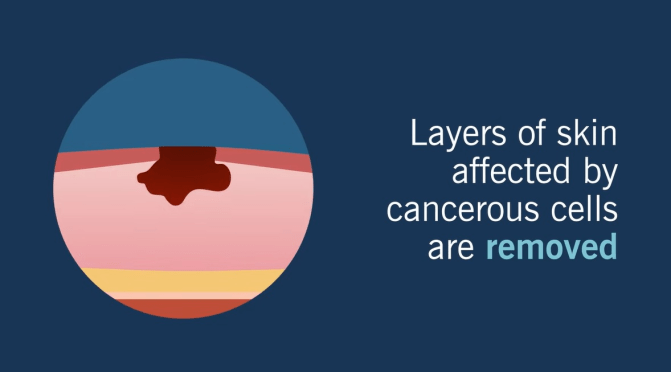
Mohs surgery is a highly effective skin cancer removal procedure that takes just a few hours. It is most often used to treat basal cell and squamous cell carcinomas, the two most common skin cancers.
Chapters: 0:00 How effective is Mohs Surgery? 0:23 When is Mohs Surgery used? 0:50 How does Mohs Surgery work? 1:55 Does Mohs Surgery cure skin cancer? 2:06 How long is the recovery period after Mohs Surgery?
Robert D. Brown Jr., M.D., M.P.H., E. Paul Lindell, M.D.,Giuseppe Lanzino, M.D., and Harry Cloft, M.D., Ph.D., explain what a brain aneurysm is and the different treatment options there are at Mayo Clinic for a patient with a brain aneurysm.
Mayo Clinic neurovascular experts care for 17,000 people each year with aneurysms, strokes, and other blood vessel and cerebrovascular conditions. Each brain aneurysm is unique. Your doctor will use state-of-the-art arterial imaging to evaluate, diagnose and assess the aneurysm’s risk of rupture.
Every patient has team of doctors working together to create an individualized path of care. Some aneurysms do not require surgery and are closely monitored instead.
Find out about the care you can receive for brain aneurysms at Mayo Clinic at https://mayocl.in/370ZldS
Late appointments and no-shows are frustrating elements of in-person care. They result in lost time for the healthcare practitioner (HCP) as well as lost opportunities to reach out to a new patient.
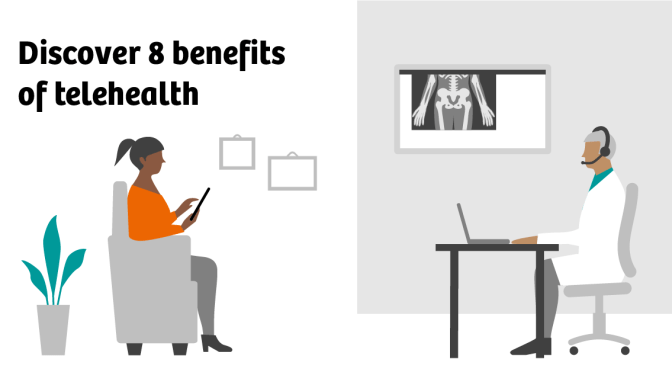
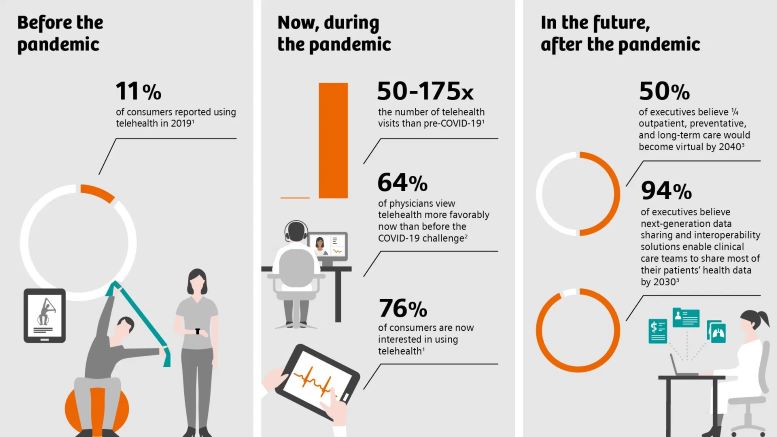
Virtual medical visits can reduce no-shows and increase treatment persistence. In a recent survey, U.S. patients who experienced telehealth visits rated this type of healthcare highly (above 80% positive), saying that using the method was beneficial to their mental health as well.
Additionally, HCPs can use telehealth to dramatically expand their patient base, as the technology provides easy access and scheduling. In a cross-sectional survey, 52.5% of clinicians said virtual visits allow for higher efficiency—and that its quality was equal to that of in-person visits.
Increased Patient Flexibility
Patients must consider a variety of personal barriers when booking a doctor’s appointment: travel time, time off work, childcare. Telehealth visits dramatically reduce these considerations, reducing stress and increasing flexibility. Even established patients highly appreciate and prefer its convenience because of such advantages as family closeness, preferred modality, and improved self-management.
Patients benefit as well from reduced transportation and waiting times. Collectively, on-demand virtual visits can help your patients balance work, life, and healthcare.
Increased Collaboration Opportunities Among Medical Disciplines
Optimized communication between patient-directed disciplines and diagnostic facilities is important for achieving fast and straightforward healthcare measures. The faster pace of treatment times and therapies that may result could benefit patients’ well-being.
Combining expertise increases diagnostic value. Doctors can easily invite consulting physicians to attend virtual visits on demand and quickly offer a second opinion or additional experience.
Digital platforms also offer easy access to congresses, seminars, and trainings, which reduces cost, time, and effort, strongly supporting the medical education of your healthcare personnel.
Increased Patient Adherence
Easy access to generalists and specialists is key for patient adherence, treatment success, and hospital promotion. Proven factors include close monitoring, satisfaction, and short waiting periods.
Additionally, in regard to mental health, telehealth services have been proven to effectively support service delivery and reduction of depressive symptoms.
Virtual care is a promising approach to increase and keep patient adherence and persistence. Even for novel disease onsets, patients may stay with their preferred healthcare institution. Plainly stated: the happy patient comes back again.
Easier Patient Follow-Up
Advances in treatment adherence and persistence mainly rely on regular and systematic touchpoints by HCPs. Telehealth opportunities and remote care options can create a variety of these touchpoints in personalized and case-specific ways, ranging from an overview of patient consultations to implantable cardiac monitors. Remote monitoring especially holds tremendous potential to profit from telehealth applications.
Depending on the disease and patient type, digital engagement and follow-up can greatly benefit treatment outcomes and quality of life. Digital symptom calendars and diagnostic tools support treatment decisions and speed.
Improved Patient Outcomes
By using telehealth options, health-compromised patients have a lower risk of infection from classic healthcare-associated pathogens such as multiresistant Staphylococcus aureus (MRSA). Telehealth can reduce complications and potential disease progression for patients.
Physicians using telehealth have more possibilities to educate patients about their treatment plan, whether about medication or hands-on therapy. By using digital tools, zooming in scans for a close-up or providing self-injection videos, doctors can offer flexible and direct communication, which can improve patient satisfaction.
Telehealth also presents an opportunity for a physician or care team to see the environment of the patient and identify any issues the patient might not have mentioned and allow for an improved treatment plan.
Physicians and Care Teams’ Health
Especially during the pandemic, doctors using telehealth could maintain the necessary distance from potentially infectious patients while staying in touch digitally. Virtual consultations became applicable and led to the rising numbers of features and platforms.
Besides the pivotal role of protecting doctors’ physical health, telehealth options also allow for optimized workload planning, improving physicians’ work-life balance. In a representative survey among 1,594 physicians across the U.S., 55% agreed or strongly agreed that “telehealth has improved the satisfaction of my work.”
Cost Reduction
Telehealth solutions can reduce costs in various medical disciplines, such as dermatology, pediatric medicine, and cardiology. General expenses, like front-desk support, space for medical examination rooms, and material can also be reduced. Telehealth opportunities may reflect a favorable add-on for your hospital, considering their easy implementation, financial benefits, and cost reduction.
The benefits of telehealth opportunities are striking—for patients, doctors, and hospitals. Constantly increasing the number of services, tools, devices, and apps that enter the market has significantly improved healthcare procedures across all medical disciplines. Covid-19 opened the door for telehealth and digital medicine, and now it’s here to stay.
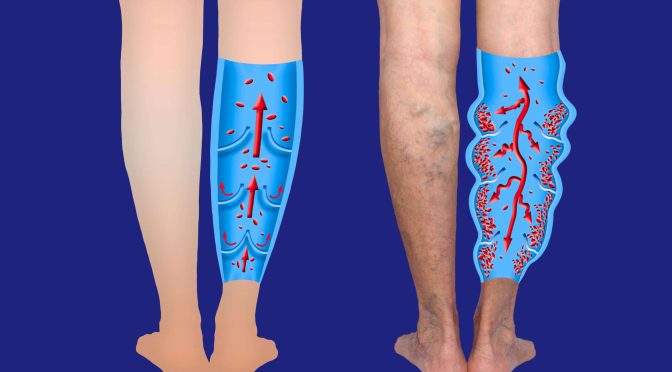
Varicose veins occur when valves inside veins weaken and allow blood to flow back toward the feet. Numerous office procedures can remove problematic veins. Treating veins early helps prevent complications like leg swelling and skin ulcers: https://t.co/G7tsP1CZ47#HarvardHealthpic.twitter.com/0MdR1FJbkF
Even if you have a family history of varicose veins, they aren’t always inevitable, says Dr. Sherry Scovell, a vascular and endovascular surgeon at Harvard-affiliated Massachusetts General Hospital. Three simple strategies can help to prevent them.
1. Get moving. “Leading an active lifestyle is probably the most important thing that you can do for prevention,” says Dr. Scovell. Exercise, particularly walking, induces calf muscle contractions that keep blood flowing efficiently. “The calf muscles act like a heart for the veins,” she says. People sometimes believe that if they stand more and sit less, they can prevent vein problems. But that’s not true if you’re mostly standing still. “It’s better to move as much as possible,” says Dr. Scovell. Exercise also helps you maintain a healthy weight, which can keep varicose veins at bay.
2. Put your feet up. Give your legs a break by elevating your feet at the end of the day, and even during the middle of the day if you’ve got some spare time. This can relieve pressure on the veins to help keep them healthy.
3. Pull on compression stockings. These garments fit snugly on your legs, squeezing them slightly to help keep blood moving. People sometimes think they’re unfashionable and are reluctant to wear them. But today’s stockings don’t resemble old-fashioned versions, says Dr. Scovell. Compression stockings come in numerous styles, including calf-high tube socks, dress socks, and tall stockings that look like tights. “They make them in so many cool colors and patterns,” says Dr. Scovell. “They can be fashionable and still help your veins at the same time.” You can purchase over-the-counter compression stockings at a drugstore or get medical-grade options through your primary care doctor or a specialist.
COMMENTARY:
Varicose veins entered my vocabulary when I noticed that my feet were different in their coloration; my left foot was darker than my right, and had a bruise-like discoloration at the heel. Some enlargement and irregular “snaking” of my veins was also apparant at that time.
I went to see a vascular surgeon who performed an ultrasound on my veins, and informed me that my popliteal valve, the one in the vein behind my knee, wasn’t working. This caused a constant column of blood, unchecked by a valve, to enlarge my veins.
I have been wearing compression stockings ever since, to slow down the enlargement of those veins.
My right leg has done better than my left, but still has a few varicose veins.
The compression stockings are hard for me to put on my legs, especially since I have arthritis in my hands. However, by learning a few tricks, this is not an intolerable burden.
First, you have to select your stockings. Jobst was the brand first suggested to me, and I used them for years. Recently, my big toe has been starting to cross over the second toe, a condition called “scissor toe”. The jobst stockings had toes in them, like most stockings, and I thought the compression acting on the toes was partially responsible for the scissor toe. Jobst has no open toe option that I can find. After going through several different brands, I settled on Sigvaris open toe. The label states the number of millimeters compression that is provided. More than 30 mm would be best, but 20-30mm. Is the tightest that my fingers will allow. More commonly I use 15 to 20, because after I swim the skin is wet, and wet skin simply gives too much friction to allow my painful hands to get the stockings on.
In the Harvard article, walking is also suggested, since the calf muscles act like a pumping mechanism on the deep veins to get the blood back to the heart. I learned from the article that the deep veins return 80% of the blood, and the superficial varicose veins only 20%, making them expendable. There are a number of different options for getting rid of the varicose veins, “sclerosing” them, including thermal and chemical treatments.
I walk a lot, going along with another suggestion from the article, although I don’t usually prop my legs up; I’m too busy running around to make propping a viable option.
Preventative treatment, such as I’ve been discussing, certainly beats having edematous legs with ulcers, such as I see in many older people.
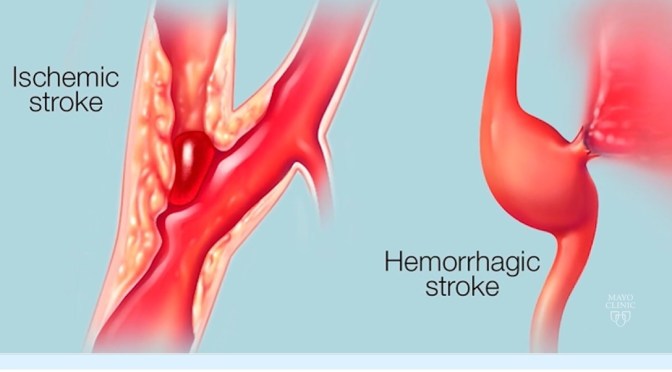
Mayo Clinic’s Eugene L. Scharf, M.D., Robert D. Brown Jr., M.D., M.P.H. and Harry Cloft, M.D., Ph.D. discuss how the team at Mayo Clinic provides each patient individualized care to help maximize quality of life. 700,000 to 800,000 people in the United States have a stroke each year. Many people can lower their risk of stroke with medical risk factor modification. When a stroke occurs, prompt treatment is crucial. Every minute counts and can reduce brain damage and other complications. “Some patients who would have had a devastating stroke come out of the hospital with no deficient, no difficulties whatsoever,” says Robert D. Brown Jr., M.D., M.P.H.
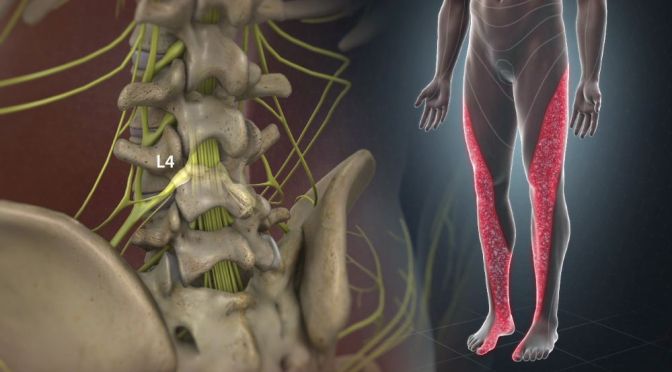
Sciatica refers to pain caused by the sciatic nerve that carries messages from the brain down the spinal cord to the legs. The pain of sciatica typically radiates down one side from the lower back into the leg, often below the knee. The most common cause is a bulging (“herniated”) disc in the lower back. Discs are tire-like structures that sit between the bones of the spine. If the outer rim of the disc tears, usually due to routine pressure on the lower back, the jelly-like inner material can come out and pinch or inflame the nearby nerve. Sciatica is most common in people 30 to 50.
How do you know if it is sciatica?
The key to diagnosing sciatica is a thorough history and a focused exam. Sciatica symptoms are often worse with sitting or coughing and may be accompanied by numbness or tingling in the leg. A physical exam can confirm that the sciatic nerve is involved. If there is muscle weakness or diminished reflexes in the involved leg, an imaging test such as a back MRI can be useful and help guide a decision for early surgery.
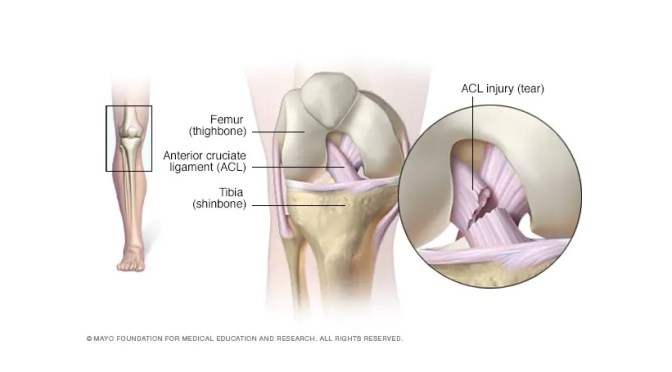
The goal of #ACL surgery is to rebuild or reconstruct the ligament. It allows many athletes- like basketball players- to get back on their feet after an injury.
Learn about the surgical and non-surgical options our ACL Specialty Clinic has to offer. pic.twitter.com/OAU0QjemkF
— Mayo Clinic Sports Medicine (@mayoclinicsport) March 31, 2022
Empowering Patients Through Education And Telemedicine

 Doctors Without Waiting Rooms