
My Mother had Tic Douloureux, the traditional name for Trigeminal Neuralgia. I remember her suddenly covering her face with her hand and grimacing, but this was only occasionally.
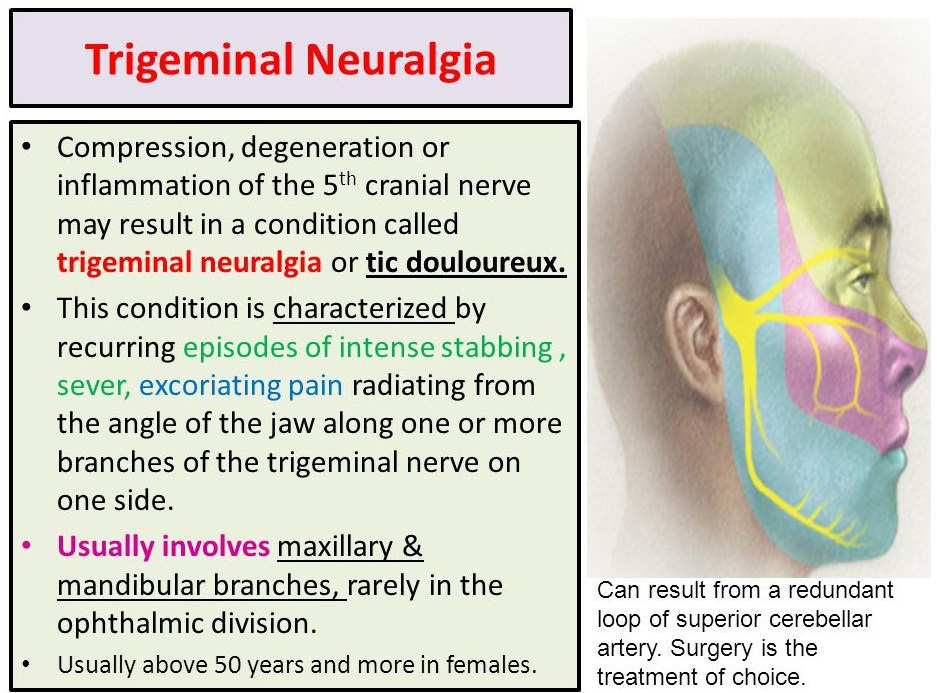
TD is not very common for “101 chronic conditions”, but it is the most common cause of chronic facial pain. It occurs in the FACIAL region supplied by the 5th cranial, or TRIGEMINAL nerve. This is about the area covered by your widely spread hand, pinkie on the nose, and the butt of the palm along the jawbone.
Brief shocking pain occurs in “PAROXYSMS” in the facial area, on ONE SIDE, and TRIGGERED by tooth brushing, touching the face, or even by the blowing of the wind. This description is so typical and specific as to be “pathognomonic”, and can be diagnosed over the telephone.
Variants can give continuous pain, or occur on both sides, but the “classical” variety is most common. You should contact your Doctor, since some cases are caused by Multiple Sclerosis or a tumor. Effective medications are available, such as carbamazepine.
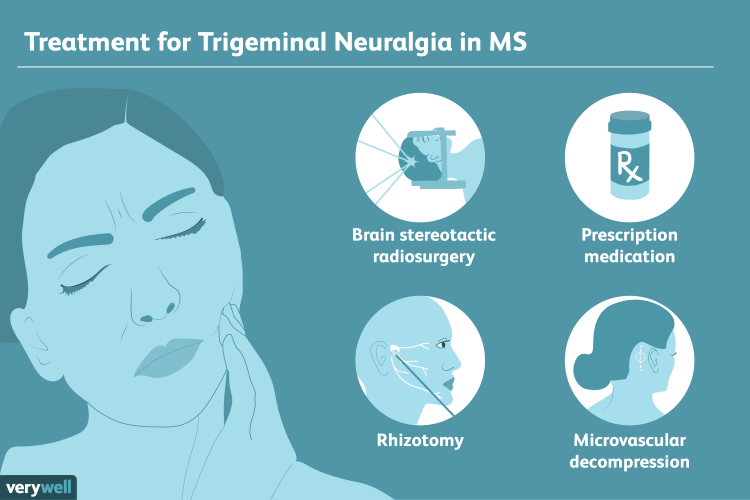
TD can be familial, but is often caused by compression of a nearby artery, and “decompression” is currently the most effective surgical treatment. It is one of the few “chronic 101” conditions not to be substantially prevented or helped by our old standbys, sleep, diet and exercise.
That being said, it is sometimes helped by exercise, and almost never occurs during sleep. The August 20, 2020 New England Journal of Medicine Has an excellent Review article, which will be appended to this posting.
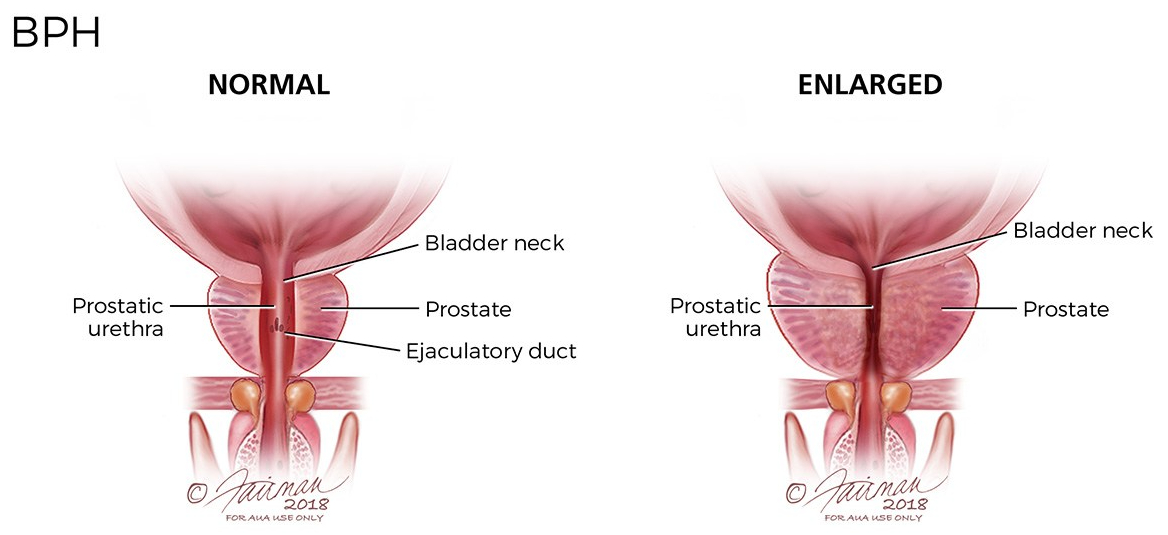
I have known about the Prostate gland, which surrounds the urethral channel exiting the bladder, since med school. I have seen evidence of its enlargement in the increasing time it takes older men to empty their bladders.
When my dad had his prostate surgery, he said that he could blast the porcelain right off the toilet, I could then appreciate for the first time that enlargement of the prostate caused a weak urinary stream.
When I started waking up at night 3 or 4 times to urinate, it really hit home. I had to get something done. My Urologist was a very good one, like all of my doctors. As the old saying goes, the best is none too good when it comes to your health.
On my first visit, he ordered a “Urodynamic” study. In this test, done by a visiting nurse who had the equipment, a small catheter, or tube, ws passed into my bladder, after loading myself with water until I could hold it no longer. The pressure in my bladder was measured, the speed with which I evacuated my bladder was measured, the volume of urine I passed was measured, as well as the volume retained in the bladder.
With these numbers, my bladder volume, residual, and the resistance to flow was calculated. I was shown to have a small bladder, too much residual retained after I emptied it, and an excessive resistance to the flow of urine out of the bladder.
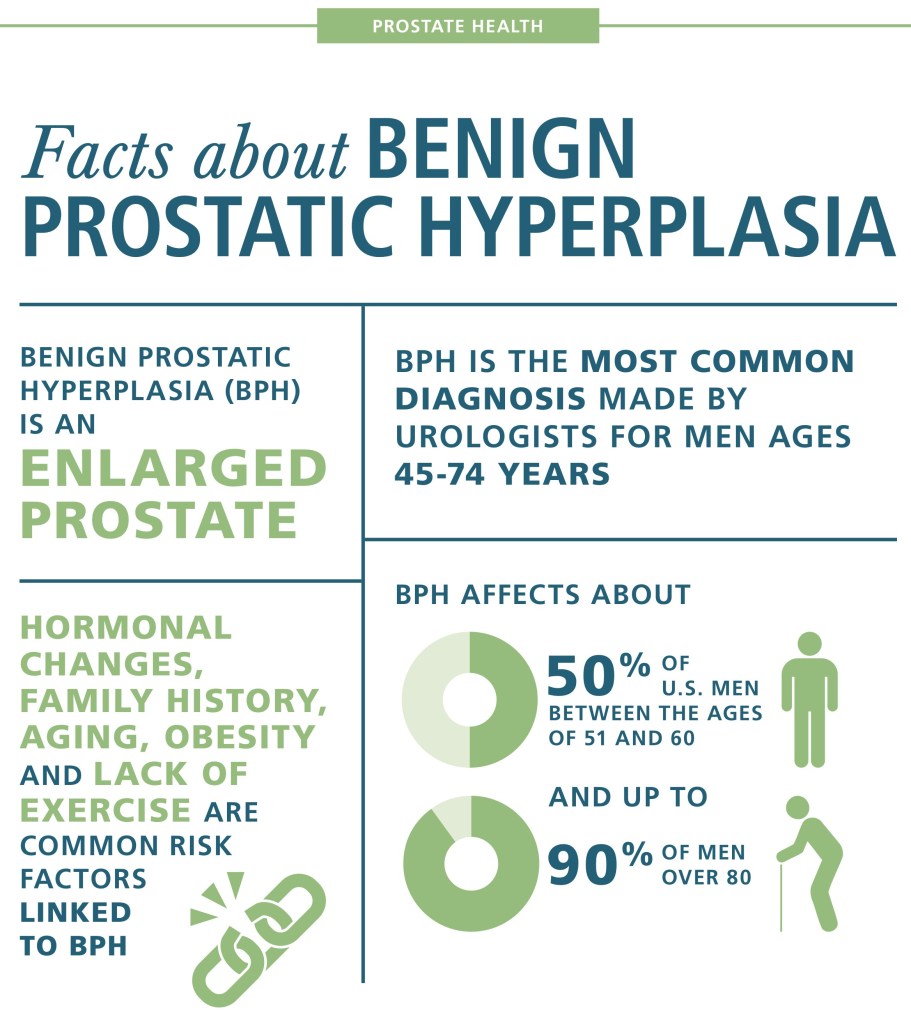
I have not seen the urodynamic studies mentioned in the modern workup of BPH, and it may not have been critically necessary. I did appreciate his thoroughness, however, and factored in the study when he gave me the options of medicine vs. surgery.
were two medicines mentioned, an alpha adrenergic agonist, and finasteride, an anti-androgen. Since I would have to take both meds the rest of my life, I chose surgical enlargement of the urinary passage through the prostate, known technically as a “roto rooter job”. I, too, noticed the power of my urinary stream after the surgery.
A good friend of mine, also a physician, took medicines for many years, in spite of increasing trouble urinating, getting up at night, and frequent bathroom trips during the day. He eventually went to see a urologist after he had to go to the ER for completely being unable to pass urine.
The Urologist declined to do surgery on the basis of his health, the unusually large size of the blockage, and degree of obstruction. He used a catheter to relieve himself several times a day for the rest of his life. Had I been in his shoes, I would have tried to find a willing surgeon somewhere, perhaps at a university med school.
But then again, I wouldn’t have waited so long. These days many more options are available, and the appended article discusses some of them. –
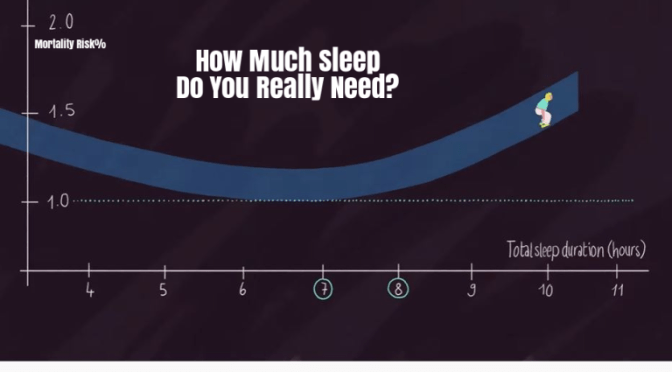
You know you need to get enough sleep, but the question remains: How much is enough? Sleep scientist Matt Walker tells us the recommended amount for adults and explains why it’s necessary for your long-term health. Sleeping with Science, a TED original series, uncovers the facts and secrets behind our nightly slumber. (Made possible with the support of Beautyrest)
Check out more: https://go.ted.com/sleepingwithscience

According to a recent study, obesity increases the risk of dying of Covid-19 by nearly 50%. Governments around the world are now hoping to encourage their citizens to lose weight. But with so much complex and often contradictory diet advice, as well as endless food fads, it can be hard to know what healthy eating actually looks like.
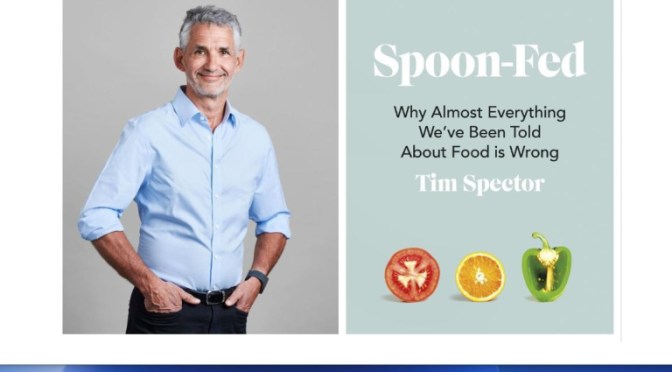
How many pieces of fruit and vegetables should you eat a day? Will cutting out carbs help you lose weight? Is breakfast really the most important meal of the day? Speaking to Tim Spector, professor of genetic epidemiology at King’s College London about his new book Spoon-Fed, Madeleine Finlay asks why we’re still getting food science wrong, and explores the current scientific evidence on snacking, supplements and calorie labels.
Tim Spector is a Professor of Genetic Epidemiology and Director of the TwinsUK Registry at Kings College, London and has recently been elected to the prestigious Fellowship of the Academy of Medical Sciences. He trained originally in rheumatology and epidemiology. In 1992 he moved into genetic epidemiology and founded the UK Twins Registry, of 13,000 twins, which is the richest collection of genotypic and phenotypic information worldwide. He is past President of the International Society of Twin Studies, directs the European Twin Registry Consortium (Discotwin) and collaborates with over 120 centres worldwide. He has demonstrated the genetic basis of a wide range of common complex traits, many previously thought to be mainly due to ageing and environment. Through genetic association studies (GWAS), his group have found over 500 novel gene loci in over 50 disease areas. He has published over 800 research articles and is ranked as being in the top 1% of the world’s most cited scientists by Thomson-Reuters. He held a prestigious European Research Council senior investigator award in epigenetics and is a NIHR Senior Investigator. His current work focuses on omics and the microbiome and directs the crowdfunded British Gut microbiome project. Together with an international team of leading scientists including researchers from King’s College London, Massachusetts General Hospital, Tufts University, Stanford University and nutritional science company ZOE he is conducting the largest scientific nutrition research project, showing that individual responses to the same foods are unique, even between identical twins. You can find more on https://joinzoe.com/ He is a prolific writer with several popular science books and a regular blog, focusing on genetics, epigenetics and most recently microbiome and diet (The Diet Myth). He is in demand as a public speaker and features regularly in the media.
This training guide provides instructions on how to install Keck Medicine of USC’s TeleCARE platform on your Android phone.

 Doctors Without Waiting Rooms