

A weekly podcast on the latest medical, science and telehealth news.
Tag Archives: Women’s Health
THE DOCTORS 101 CHRONIC SYMPTOMS & CONDITIONS #57: SCOLIOSIS
Scoliosis is a curvature of the spine most commonly starting in childhood or adolescence. The cause can be a muscle imbalance from cerebral palsy or other muscle problems, a birth defect, an injury, or sometimes there is scoliosis that runs in the family and is hereditary. Occasionally it is caused by a difference in the length of the two legs.
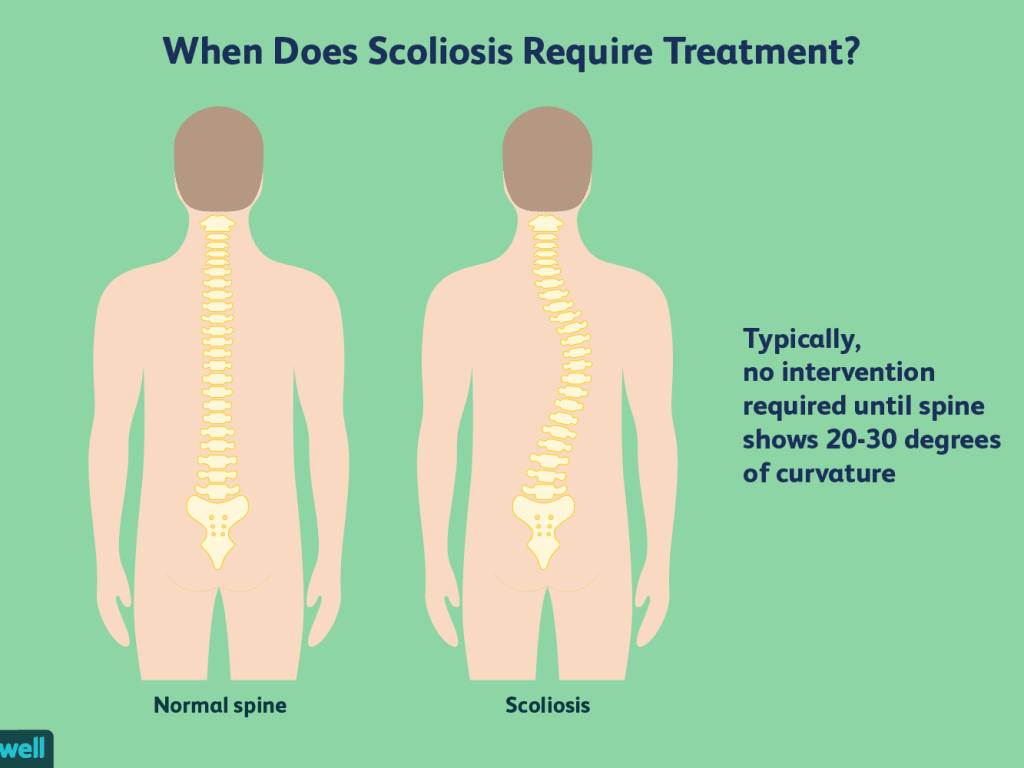
The curvature is sometimes accompanied by a rotation of the spine, and will produce an asymmetry of the back. Perhaps one shoulder blade is higher than the other or one shoulder is lower than the other. Differences in the leg length can be seen by differences in height of the pelvis.
The problem can be silent, if mild. However it can affect the way the child walks, or even interfere with breathing if severe. If untreated and progressive, it can cause chronic back pain in adulthood. Treatment is accomplished by braces, or occasionally by screws placed in the side of the vertebra that can be adjusted.
I had a friend that was 70 years old whose back pain eventually forced surgery. Scoliosis should definitely be supervised by a Doctor who will use physical therapy, braces, or some other conservative treatment to avoid later difficulties.
Please refer to the Mayo clinic article for more information.
—Dr. C.
DR. C’S JOURNAL: WOMEN AND AUTOIMMUNE DISEASE
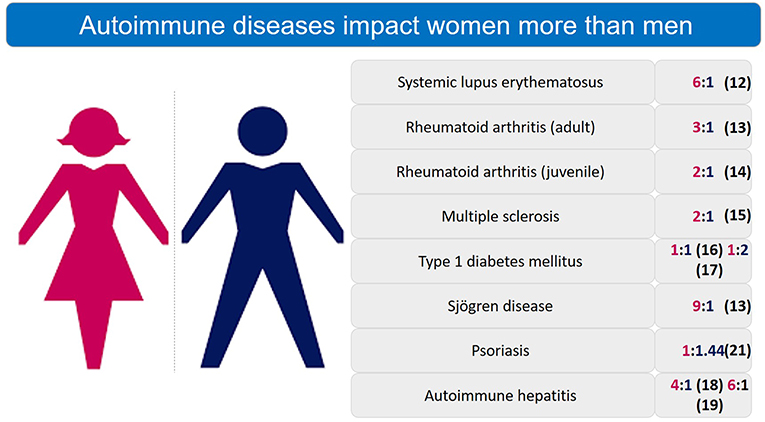
Almost 80% of autoimmune diseases occur in women. Why should this be?
From the evolutionarily standpoint, perhaps up regulation of immunity conferred a survival advantage. Women spent a much greater percentage of the time pregnant in Hunter gatherer days than they do at the present time, and an active immune system may have been an advantage in getting both you and your child’s genes through the many ancient environmental hurdles.
Women differ from men in the prominence of the X chromosome, the female sex hormones, estrogen and progesterone, and, surprisingly, in their microbiome. All three areas may play a role in autoimmunity.
The X chromosome contains many genes directly tied to Autoimmune diseases. One of these is a gene for TLR-7, which is important in the innate immune response, and is linked to disorders such as lupus and scleroderma. Another Gene, TASL, increases the production of interferon, a common inflammatory factor.
Many autoimmune diseases are driven by estrogen. For instance, estrogen attaches to, and turns on the gene that codes for interferon gamma. It activates B cells which produce antibodies. Progesterone, another female hormone is elevated in pregnancy, and tends to switch on the TH-2 response, which produces more antibodies. AIRE, the immune regulator itself, is partially influenced by the sex hormones.
A severe asthmatic I was treating became pregnant, and her asthma marvelously improved. I had always thought that pregnancy turned OFF her asthma-linked TH-2 response, going against one of the observations above.
At the present stage of knowledge, individuals may respond in perplexing ways to interleukins, treatments and pregnancy. Cellular interactions are complex indeed.
The microbiome in the male tends to increase testosterone, which tends to down regulate the immune system. The reverse is true for the female microbiome.
The fact that identical twins may be discordant with autoimmune disease favors environmental factors, such as the microbiome and other extrinsics such as smoking, diet, stress and chemicals. Some of the males who get autoimmune diseases tend to be feminized, such as in the Klinefelter syndrome, which has an extra extra X chromosome, and an XXY genotype.
The use of the estrogen or progesterone in the form of contraceptives tends to increase the likelihood of autoimmune diseases. The observation that women are more susceptible to autoimmune diseases goes along with many of these genetic, hormonal, and environmental observations.
Please consult for Scientific American, September, 2021, P 40 for more information.
—Dr. C.
THE DOCTORS 101 CHRONIC SYMPTOMS & CONDITIONS #56: LUPUS
Lupus, which used to be called lupus erythematosus because of its butterfly rash and light sensitivity, is an auto immune disease, along with celiac disease and several other autoimmune diseases, it is the great imitator. It can affect almost any organ system.
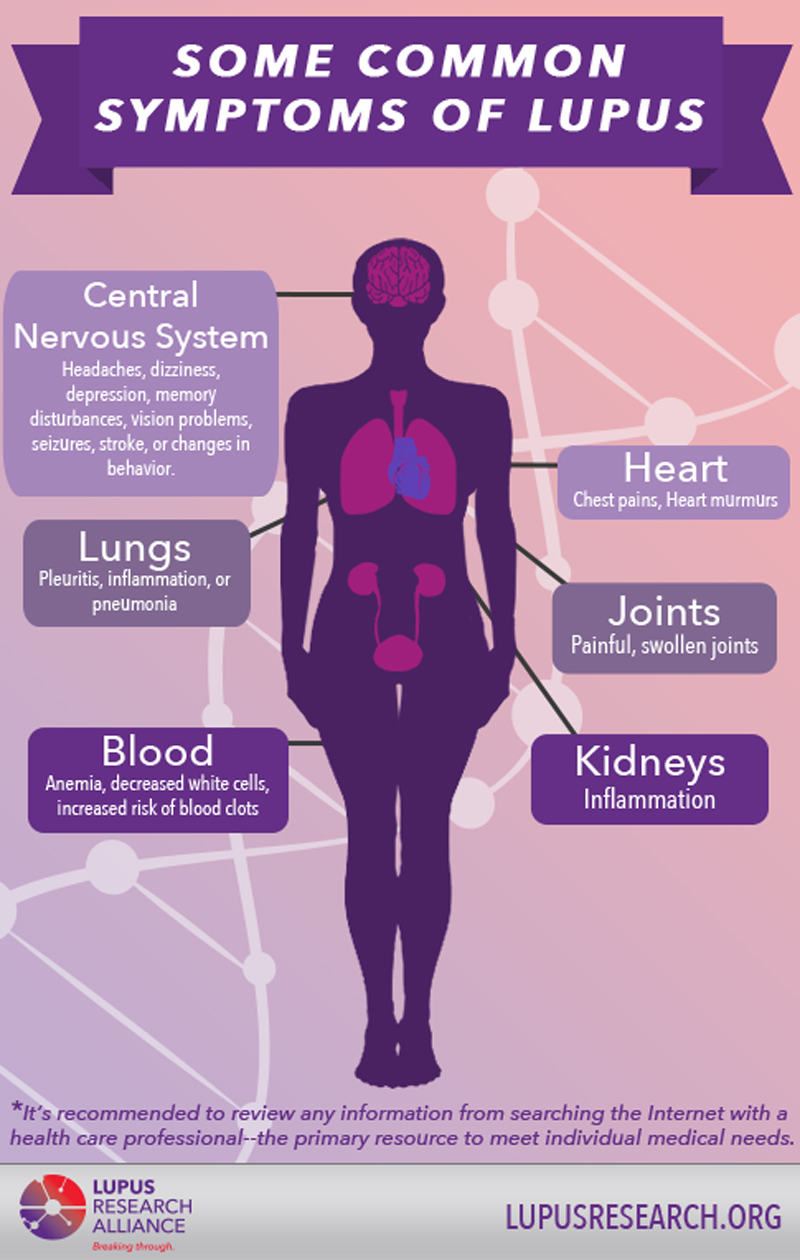
The great variety of symptoms, and relative rarity leads to a difficulty in establishing the diagnosis. Eventually, you may be lucky enough to find someone who figures it out.
The butterfly rash over the bridge of the nose and cheeks is the most typical finding but it’s not present in all patients. Rheumatoid symptoms, including fatigue fever and joint involvement is common. Chest pain and shortness of breath can occur. Headache confusion and memory loss occurs. Involvement of the kidneys can also occur, it is often the involvement that is life-threatening. These are symptoms maywax and wane over a number of years.
The cause of lupus may involve a black background of infection, the medication, or even sunlight. As with most auto immune diseases, the actual cause is obscure.
Laboratory findings may include an anemia, kidney or liver involvement, and especially anti-nuclear antibody’s. Most people with lupus have a positive ANA test, but not all people with these positive tests have lupus. Other test maybe necessary.
Treatment is usually with Drugs which diminish the immune system. Targeting the B-lymphocytes specifically with rituximab or bulimumab may be helpful.
Lupus, the wolf, can be stealthy and severe. Patients often have to be their own advocate in order to get properly treated.
Please see the following mail clinic article for more information.
—Dr. C.
THE DOCTORS 101 CHRONIC SYMPTOMS & CONDITIONS #55: ALOPECIA (HAIR LOSS)
Alopecia is the medical term for baldness. The word has an interesting linguistic derivation, and comes from the Greek word Alopex, meaning fox. Foxes in Hippocrates time apparently were afflicted by hair loss from mange.
Men and women have different kinds of hair loss. In men, there is the receding hairline with age. As women age, there’s some thinning of the hair generally, and at the top of the head.
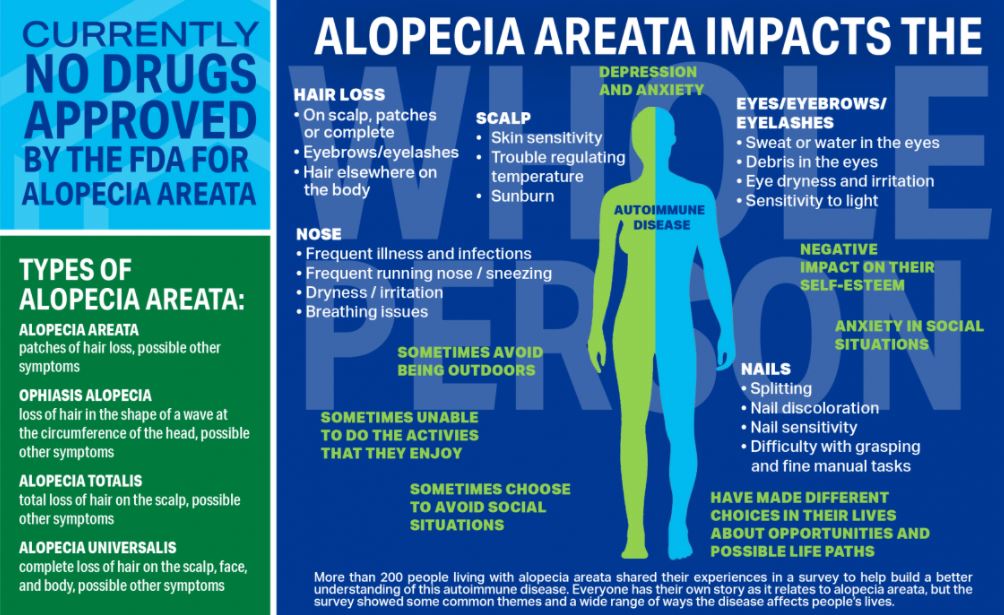
A special kind of hair loss that occurs in discrete areas is called alopecia areata. This is an auto immune disease, and is increased in frequency with people who have other autoimmune diseases. Hair loss can also be due to a fungal disease (ringworm) especially in children.
Cancer treatment can cause generalized hair loss, and we have all seen the bald children receiving cancer therapy, especially radiation.
Hair loss and regrowth comes in cycles. We all lose many hairs each day, but they regrow. When the cycle slows, there is a net loss of hair.
When I was in medical practice, my partner had early onset baldness, and was given hair transplants, which were effective. Treatments include minoxidil, which apparently increases the speed of hair cycles. An irritant, such as anthralin, will sometimes help Alopecia areaway by causing inflammation, apparently resetting the immune reaction that’s causing the hair loss.
Finasteride, which interferes with local testosterone production, can stimulate hair growth. I take Finasteride for prostate enlargement, and was surprised to hear about it’s effect on hair growth. Maybe that’s why I have such a bushy head of hair.
Please read the following at Mayo clinic article for a more organized discussion.
—Dr. C.

ELDERLY HEALTH APPS: APPLE IPHONE FALL PREVENTION
THE DOCTORS 101 CHRONIC SYMPTOMS & CONDITIONS #54: ORAL THRUSH
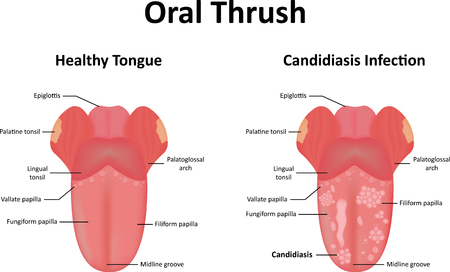
Thrush is an infection of the mouth with an organism called candida albicans. It is most common in the newborn and with young children, but can occur in adults if they have an immune deficiency, use corticosteroid inhalers, are diabetic, or take broad-spectrum antibiotics.
A combined mother–child problem can occur with breast-feeding mothers in the newborn period. The mother’s nipples may become infected, giving it to the baby, and they can pass back and forth. A baby who has thrush is also susceptible to diaper rash caused by candida.
There is a sense of irritation and some pain associated with thrush in the mouth, the diaper area, and the nipples. Thrush appears as cottage cheese-like areas on the throat and tongue.
The normal immunity usually keeps thrush at bay. In a newborn, however, the immune system is not fully developed. Sometimes the hormones of pregnancy facilitate thrush in the mother. Diabetes and smoking can also allow thrush.
Sometimes the thrush infection will go down into the swallowing tube, the esophagus, and produce inflammation. This can cause pain on swallowing, and is most common in AIDS and other immunodeficiency states.
Treatment of surface candida infections like throat is usually with Mycostatin– containing mouthwashes or creams. If it spreads beyond the surface, however, you will need more potent medications. Candida albicans is everywhere, and your immunity is your main defense against it.
Keep your immunity as solid as possible naturally, with good sleep, diet and exercise.
—Dr. C.

Brain Health: How To Recognize Strokes (Video)
If you don’t know the signs of a stroke, you’re not alone. Thirty percent of people under the age of 45 don’t either. The key is to B.E. F.A.S.T. Learn how this acronym can help you save a life. The information in this video is accurate as of 9.17.21 and is for information purposes only. Consult your local medical authority or your healthcare practitioner for advice. Resources: Stroke: Causes and Prevention: https://cle.clinic/3hIHtab Stroke Signs & Symptoms: https://cle.clinic/3oLyQhc Stroke Risk Factors: https://cle.clinic/3hJ8r1s
THE DOCTORS 101 CHRONIC SYMPTOMS & CONDITIONS #53: GRAVES’ DISEASE
Graves’ disease is the most common cause of hyperthyroidism. Hyperthyroidism is an over activity of the thyroid gland, and can also be produced by an overgrowth in the gland called an adenoma.
The thyroid gland is an H-shaped structure sitting astride the wind pipe. If a physician palpates the front of your neck, she is most likely trying to see if she can feel the thyroid gland. Enlargement of the grand can interestingly be produced by either overactivity or under activity.
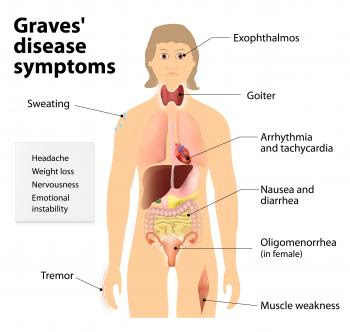
Graves’ disease is an auto immune disease, where the antibodies produced attach to the TSH receptor on the thyroid gland, stimulating overactivity.
Many metabolic processes are regulated by the thyroid gland, and increased activity produces difficulties like insomnia, fast irregular heartbeat, shaking of the hands, heat intolerance, and irritability. Other symptoms are protrusion of the eyes, fatigue, muscle weakness, and unexplained weight loss.
The doctor suspects the disease because of the symptoms, and must do blood tests and perhaps imaging tests to make the diagnosis. Treatment consists of decreasing thyroid activity, either by radiation techniques, anti-thyroid chemicals, or surgery.
It is very difficult to reduce thyroid activity in exactly the right amount, so that thyroid administration will be necessary. This can be tricky, and requires several visits for adjustment.
The ultimate cause of Graves’ disease is unknown. The immediate cause is thyroid stimulating immunoglobulin. Graves is an auto immune disease, and is more common in people who suffer from other autoimmune diseases, such as type one diabetes, rheumatoid arthritis, or inflammatory bowel disease. The doctor will question you about some of these diseases.
Both causes of hyperthyroidism have occurred in friends of mine. The friend with the adenoma had an easier time with medication adjustment, and had no other problems. The one with the Graves’ disease has had a difficult time getting a proper dose of thyroid medication, and she has other problems with auto immunity. Women typically have more autoimmune problems.
Interestingly, the commonest cause of low thyroid activity is also an autoimmune disease. Some of the symptoms of low thyroid are the opposite of excessive thyroid activity; sleeping is excessive, there is sensitivity to cold, unexplained weight gain, and sluggishness.
Check with the doctor if you have any of the symptoms mentioned.
There is a Cleveland clinic discussion of Graves’ disease following this article.
—Dr. C.
DOCTORS PODCAST: MEDICAL & TELEHEALTH NEWS (SEP 18)
A weekly podcast on the latest medical, science and telehealth news.
 Doctors Without Waiting Rooms