
Tag Archives: Women’s Health

THE DOCTORS 101 CHRONIC SYMPTOMS & CONDITIONS #61: EDEMA (SWELLING)

Swelling of the ankles becomes increasingly common as you get older. This swelling can be caused by thrombophlebitis, or skin infections which have been discussed in previous articles. Otherwise it is usually part of a condition called edema.
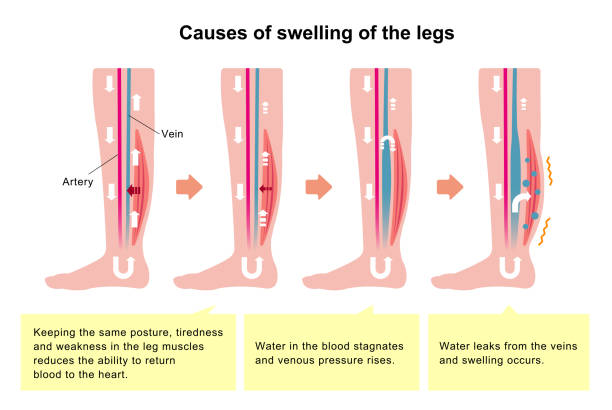
Edema is commonly caused by problems in the cardiovascular system, kidneys, or liver. Edema can occur in the face and abdominal cavity or elsewhere, But because of gravity and the fact that we are  usually upright-on our feet, it is usually is most prominent in the legs, especially the ankles. Edema can be caused by a normal pregnancy. The developing baby puts quite a strain on the heart and circulatory system.

Chronic accumulation of fluid in the tissues usually occurs because of heart and blood vessel problems, liver disease (albumin lack), diet (excess salt intake), kidney disease (deficient salt excretion), vein problems (valve malfunction), and lymphatic problems (surgical lymph node excision).

Obesity contributes by impacting the heart and liver primarily. Proper sleep, diet and exercise help in most of these areas, and edema is rare in healthy people.

I have always considered sugar(obesity, cardiovascular effects) and salt(hypertension, cardiovascular and  kidney load) as poisonous. I discovered the valve incompetence in the veins of my left leg because it became more blue than my right leg. With good exercise, sleep, diet program and compression stockings, edema never occurred.

The swelling and stretched shiny skin in the ankles that I see in many of my overweight friends makes a tempting target for germs of all kinds. and small skin sores often follow.

If you developed swelling in your ankles or other areas, it’s best to check with your doctor to get an explanation.

—Dr. C.

THE DOCTORS 101 CHRONIC SYMPTOMS & CONDITIONS #60: ITCHY EARS

Itchy ears; even if from trivial causes, they demand attention. Swimmer’s ear is a subset of itchy ears, which can lead to some severe infections and sleepless nights. Water remaining in the ears dissolves the natural, protective earwax, and provides a nice warm bath for some nasty bugs like Pseudomonas aeruginosa. Swimmers ear is the result, and the best strategy is to prevent it by keeping  the water out.

After swimming, I often twist some Kleenex and insert it into  my ear canal to “wick out” the water. Some people use a 70% Isopropyl alcohol solution to rinse out the water. Don’t use the 99% isopropyl alcohol; it’ll burn like crazy and for some reason is not as effective an antibacterial. If the itchy ear starts to become painful, and the pain is made worse by pulling on the earlobe, the best strategy is to call the doctor.

Hearing aids comprise a special problem. Earwax can damage the mechanism of the hearing aid, and the hearing aid can cause an irritation that produces itching. Be sure to ask the audiologist about how to prevent problems.

I wear earplugs to deliver sound to my ears when I swim. The ear plugs can cause irritation or even an allergic reaction. I believe this is one of the reasons my ears itch most of the time. My ENT physician suggested that I put a little baby oil in my ear, which I am continuing to do.

Accumulations of earwax can also cause itching. Most of the time I remove the wax myself with an over-the-counter kit containing an ear syringe and glyceryl peroxide. About every third time I need wax removed from my ear, I go to the ENT doctors  to be sure I don’t have some sort of fungal infection or other chronic condition.

If you swab your ear with a Q-tip, you risk pushing the wax deeper into the canal, and create a problem. Nonetheless, I still occasionally put a little bit of 1% hydrocortisone cream if the itching gets extreme. My doctor said that this accelerates the build up of debris and the need for irrigating the canal.

The old adage that you shouldn’t put anything into your ear smaller than your elbow is a good interdict to embrace. Digging out the wax with some sort of instrument risks damaging the canal or hurting your eardrum.

For more information, please look at the following posts.

—Dr. C.

Mayo Clinic Article

Healthy Hearing Article

MEDICINE: HOW TO TREAT CORONARY HEART DISEASE

More than 360,000 people died from coronary artery disease in 2019. While there is no cure to the disease, you can take steps to lower your risk and manage the harmful plaque build-up impacting your health. The information in this video was accurate as of 11.25.2021 and is for information purposes only. Consult your local medical authority or your healthcare practitioner for advice.

Chapters: 0:00 Intro 0:12 What is coronary artery disease? 0:26 What are the signs of coronary artery disease? 0:41 Can you reverse coronary artery disease? 1:04 What are statins? 1:34 What are the treatments for coronary artery disease? 1:46 Make lifestyle changes to reduce your risk. 2:07 Taking medication can help treat coronary artery disease. 2:25 What is a coronary stent procedure? 3:03 What is coronary artery bypass graft surgery? 3:36 What’s the best treatment for coronary artery disease? 3:45 When should you talk to your doctor about coronary artery disease symptoms?

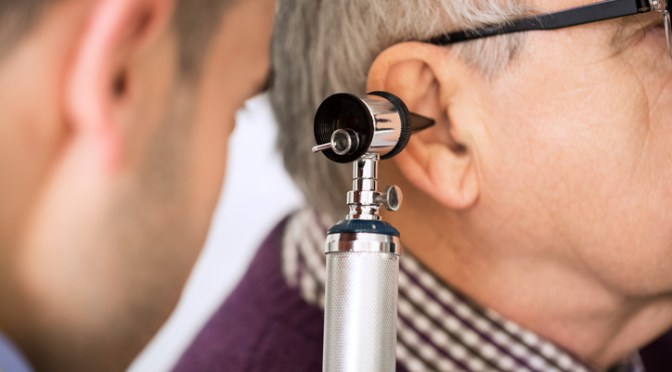
Prevention: Side Effects Of Excessive Earwax

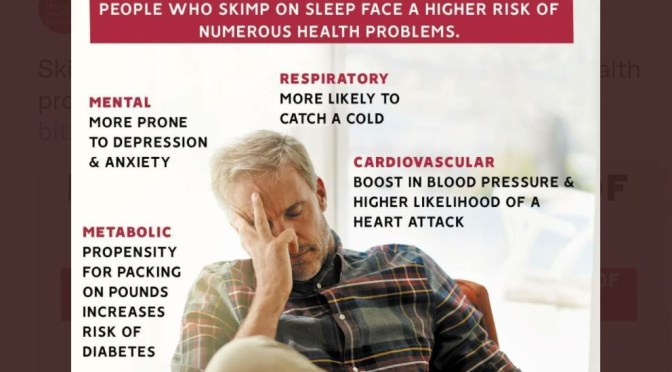
Health: Consequences Of Too Little Sleep (Harvard)

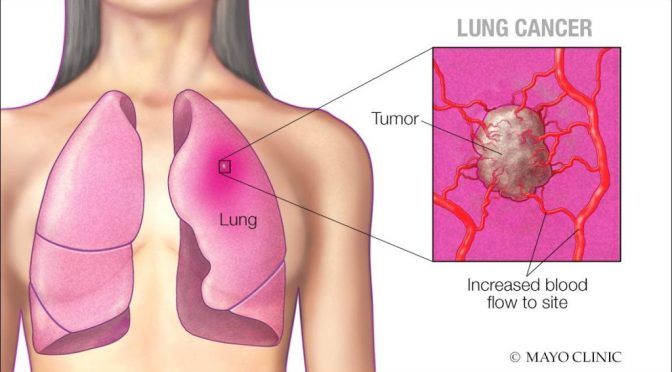
Medicine: Symptoms & Signs Of Lung Cancer

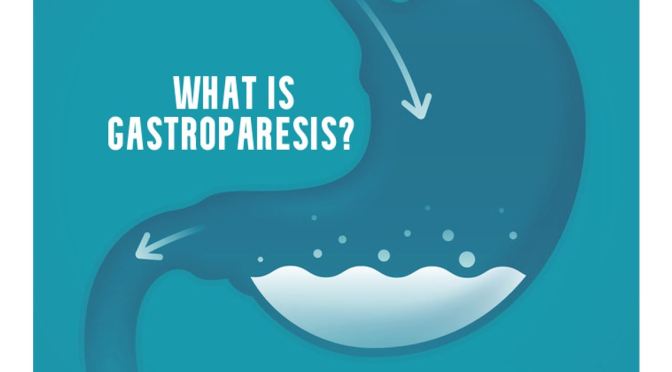
Stomach Health: What Is Gastroparesis? (Harvard)

Views: The Importance Of Detecting Cancer Early

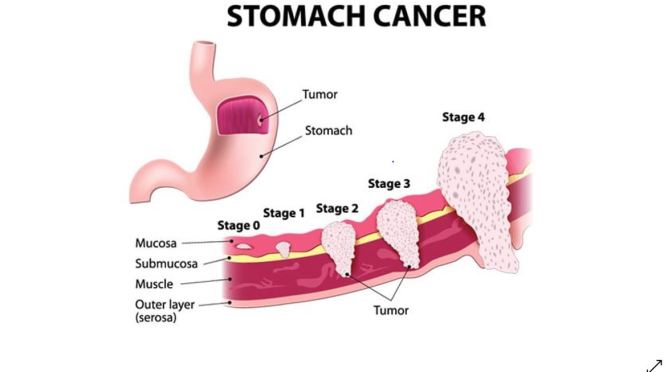
Prevention: Risk Factors For Stomach Cancer

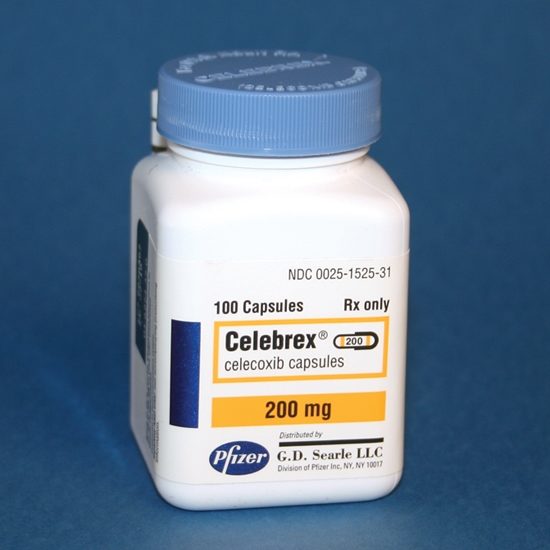
DR. C’S MEDICINE CABINET: ‘CELEBREX’ (NSAID)

NSAIDs are a  common pain medication. Younger people with no underlying diseases take them all the time for headaches, sprained ankles, and other injuries.

I have an underlying stomach problem that makes me want to minimize the gastrointestinal side effects when I need an NSAID medication, and for that reason I have 100 mg Celebrex, or celecoxib in my medicine cabinet.

I am fortunate not to have much severe pain, although I do have osteoarthritis in my hand, and infrequent abdominal pain from a small bowel surgery.

Celebrex is my magic bullet whenever I have pain from diverse causes such as in my legs; I do have a very active exercise program of an hour a day in the morning and a half an hour in the evening.

The Cox 2 inhibitor‘s were initially touted as being able to avoid the stomach problems caused by the non-selective  NSAIDs. Unfortunately, several of them, such as vioxx, were associated with more heart attacks, a 45% increase, and they were removed from the market . Celebrex was a survivor from this group, but it still tends to cause an increase in blood pressure.

Whenever you take any medication, it’s always a trade-off;  relief from the problem at hand, traded for the inevitable side effects. There is no powerful medication that has only the desired activity, and  most people are better off with a healthy lifestyle than taking medication.

Another advantage with medication avoidance is that when you take the medication, it tends to work a whole lot better. At least I have found that to be true, and celecoxib is my magic pain medication, which has salvaged countless nights of sleep.

—Dr. C.