Tag Archives: Women’s Health

Dr. C’s Journal: Effects Of Growth Hormone (GH)

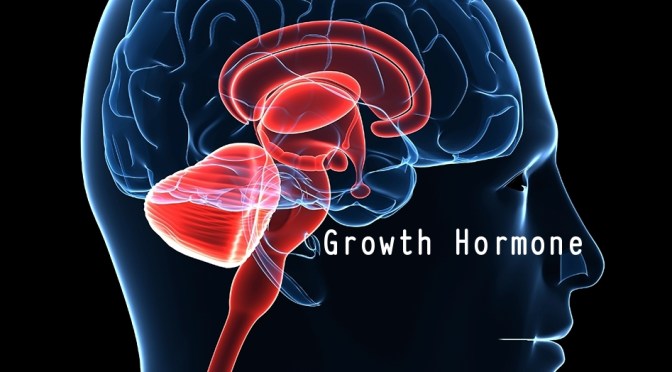
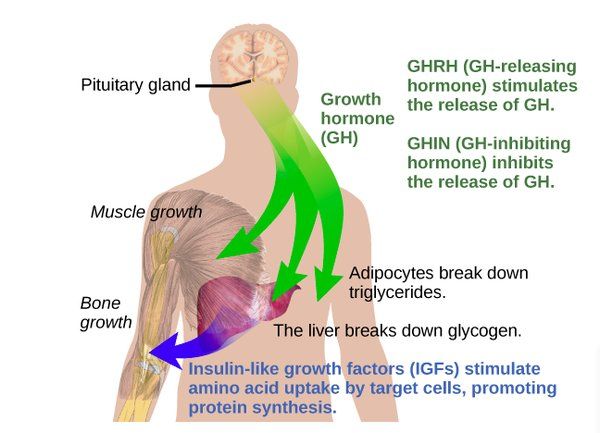
Most boys and perhaps some  girls would prefer to be taller. Human growth hormone is secreted by the pituitary gland with increased production during puberty. Pituitary growth hormone stimulates the liver to produce insulin like growth factor, and assay of IGF-1 is a test for GH deficiency.

Small stature and low growth velocity in children often benefit from growth hormone, But adults have closure of the growth plate and do not grow taller with GH.

Pituitary tumors require the removal of the pituitary gland, and this is the major cause of low growth hormone in adults. Replacement growth hormone is clearly indicated here. Most adult use of growth hormone is because of its apparent beneficial effects on vigor and aging, but this may be ill advised; please check the following Harvard article.

Since growth hormone is anabolic, and favors growth and protein synthesis, it enjoys some use in athletics and the health industry. Most likely, it is a two edge sword that should be regulated properly and not used in the absence of deficiency.

–Dr. C

Harvard Article

DR. C’S JOURNAL: BENEFITS OF COLONOSCOPIES OVER 50

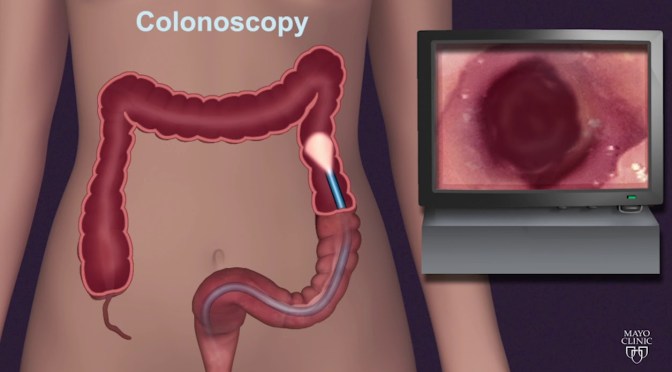
Colonoscopy is good preventative medicine for everybody over the age of 50. A video was posted yesterday on colon cancer metastatic to the liver. Although this is treatable, metastatic colon cancer is a miserable condition, markedly lowering quality of life. You are much better off preventing colon cancer then having to deal with it, and in this sense, colonoscopy is a very good trade off.

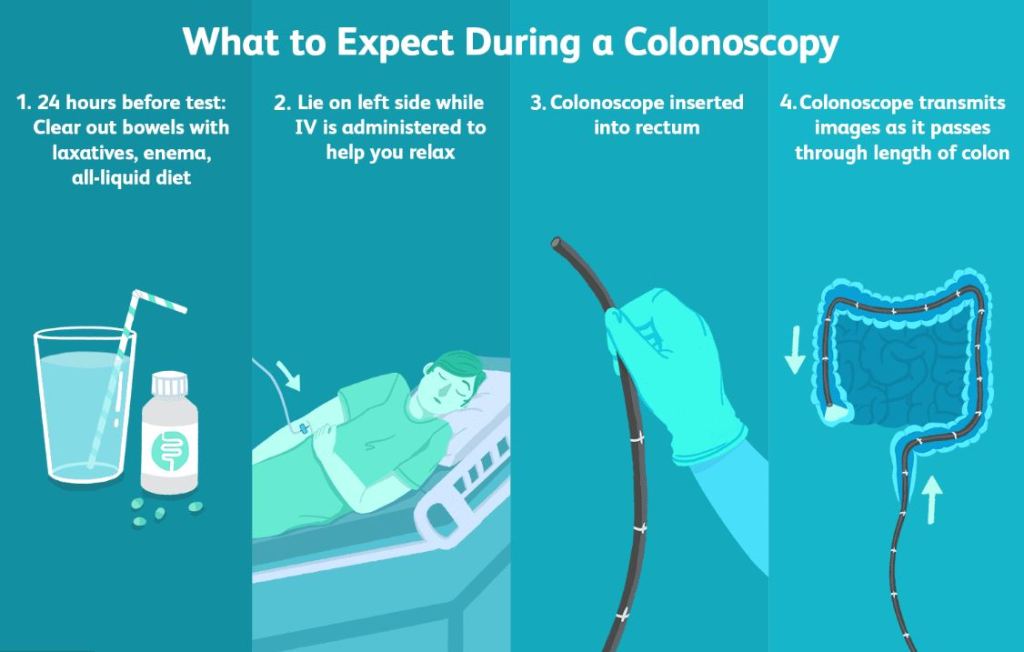
Colonoscopy is no fun. You have to modify your diet well in advance, and take a magnesium citrate clean out in order to get rid of fecal matter that would prevent proper visualization of your colon. You should get your first colonoscopy at age 50 or earlier depending upon your family history of polyps, colon cancer, and other bowel problems.

In my own case, I had a number of colonoscopies, and nothing serious was discovered. I still think it is a very good idea. Although I never had a colon polyp or cancer discovered, I have recently, at the age of 89, developed bladder cancer of the slowly progressive and non-invasive kind.

The thought occurred to me that getting regular cystoscopies might catch bladder cancer at an earlier stage. I was told by an authoritative Physician that this has previously been tried and not proven to be useful. I also recommend going into a dermatologist regularly to remove actinic keratoses, which have the capability of developing into cancer. I believe you cannot be too vigorous with preventative therapy.

Interestingly, good sleep, diet and exercise are recommended in the prevention of colon cancer. Please refer to the mayo clinic article on colonoscopy for more information.

–Dr. C

Mayo Clinic article

MEDICINE: WHEN COLON CANCER SPREADS TO THE LIVER (MAYO CLINIC VIDEO)

Colorectal cancer is a leading cancer among men and women around the world. Many colorectal cancers are likely to spread to other organs, with the most common site of metastases being the liver. In this Mayo Clinic Minute, Dr. Sean Cleary, a hepatobiliary and pancreas surgeon at Mayo Clinic explains what this means to patients.

DR. C’S JOURNAL: Stress & The Effects Of Cortisol

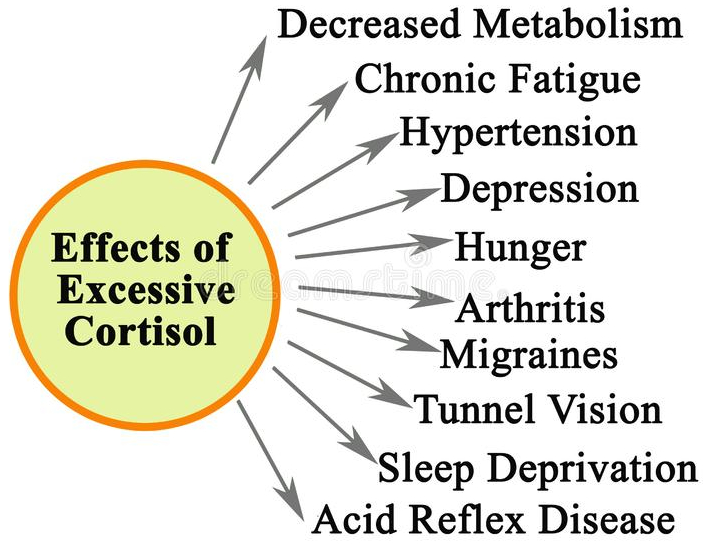
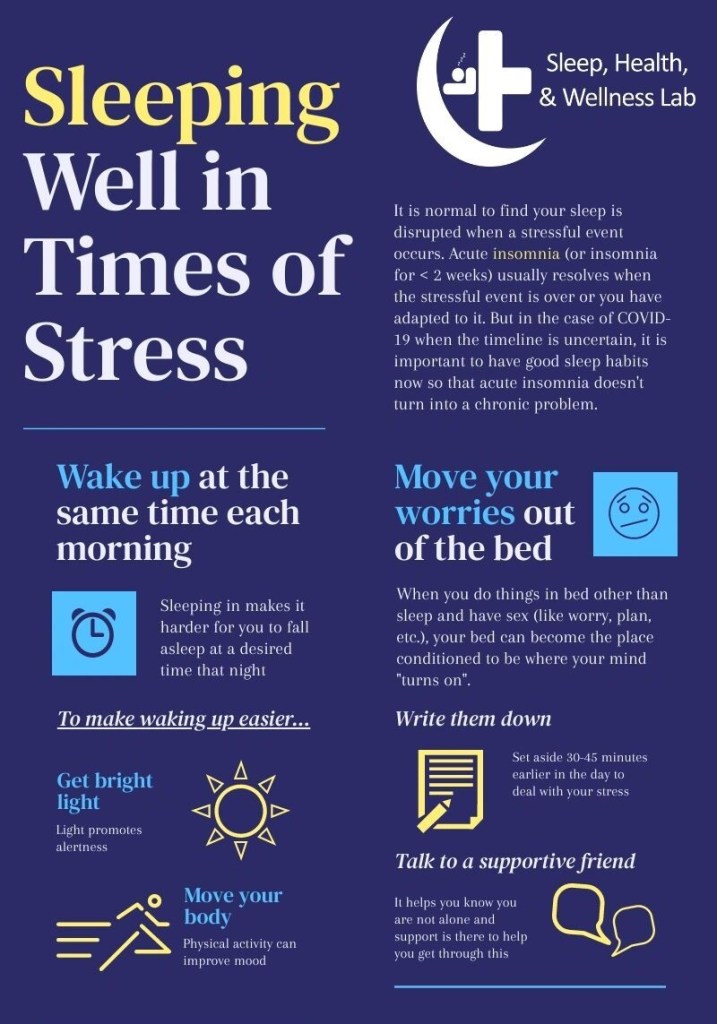
Cortisol (hydrocortisone, 17-OH-corticosterone) is produced by stress, and is a bad word these days. When I was a practicing allergist, Cortisol worked wonders with asthma, and as a salve helped my patients with eczema.

It functions in the body as a key part of the stress reaction, which preparers the animal body for “Fight or flight”.  Cortisone raises the blood pressure, heart rate and blood sugar, and shuts down The immune system, which is not as necessary in times of emergency. It is this last function which helped my patients with asthma and eczema, which are diseases of excessive immune reactivity. You may have heard of the use of dexamethasone( A relative of cortisol ) in severe Covid, which is made worse by an excessive immune response.

Modern life is a pressure cooker, requiring continuous activity and deadlines. The blood Cortisone level, which is raised by stress, is helpful in the short term, but deleterious when persisting over the long term. The prolonged elevation of blood Pressure, blood sugar and heart rate, coupled with a decrease in bone and collagen formation can lead to all kinds of problems including weight gain, diabetes, cardiovascular problems, osteoporosis and mental decline.

Although  cortisol in the short term can enhance memory (think of flash – bulb memory), in the long run it decreases hippocampal function, impacting memory.

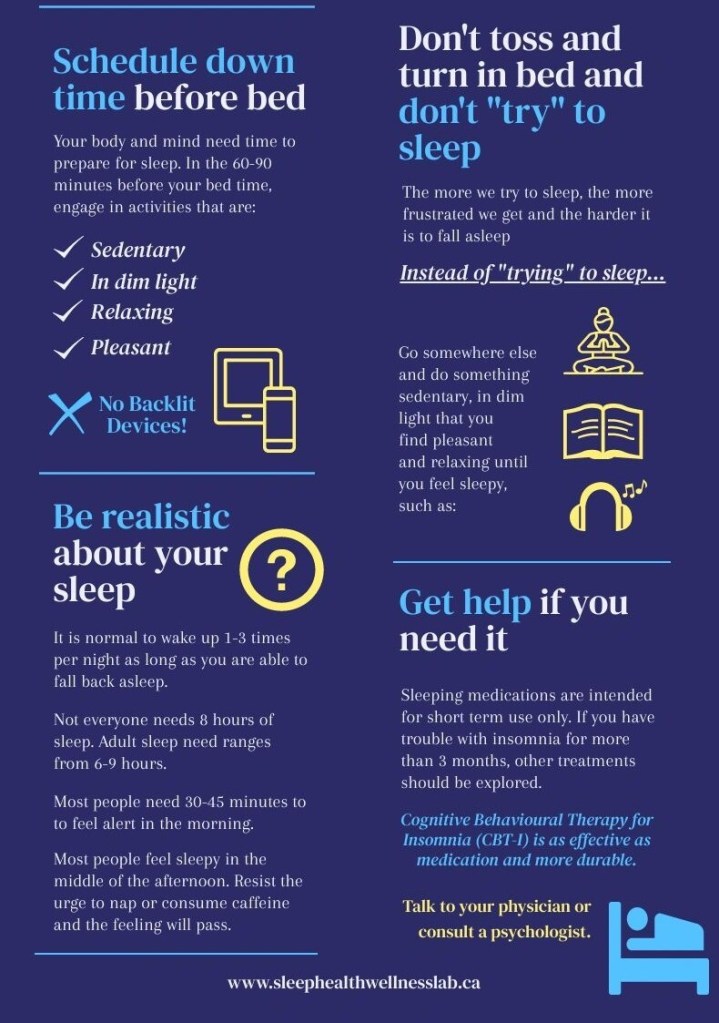
For these and other reasons, Modern Life makes it desirable to reduce stress and the accompanying elevation of cortisol . Our old friends, Proper sleep, diet and exercise are critical, and help activities such as laughter and yoga to reduce stress. The following reference will cover this in more detail.

—Dr. C.

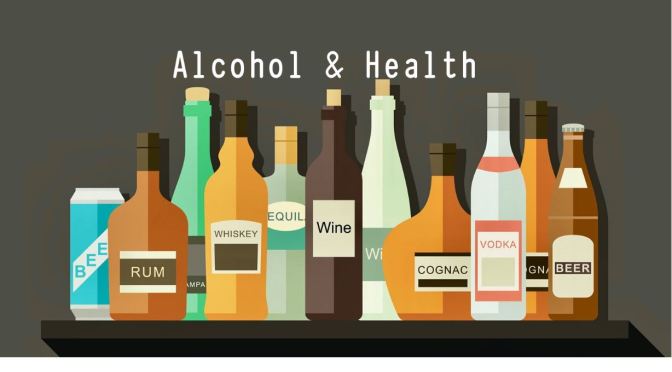
Doctor’s Journal: ‘Alcohol And Health’

Alcohol has been used by mankind since before recorded history. It causes a pleasant slowdown of the nervous system, Lessening inhibition  and loosening the tongue, making it the perfect lubricant for social interaction. Unfortunately, it is a metabolic poison.

Excess alcohol use is common enough to have resulted in its prohibition in the United States in the 20s. The side effects of this prohibition proved worse than its benefits, and alcohol currently enjoys the status of one of the few legally permitted Psychoactive drugs.

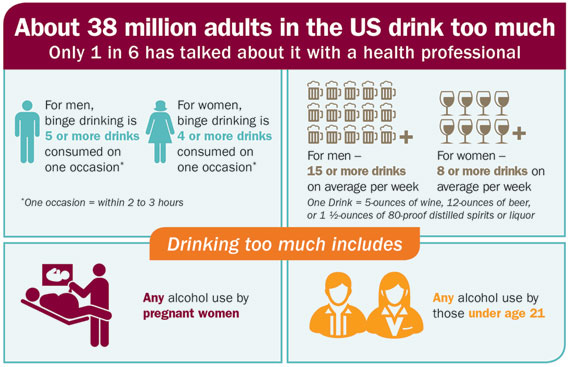
After diligently searching for beneficial effects of alcohol, society discovered that mild drinking promotes longevity. It is difficult to drink just the right amount of alcohol, and  There is little doubt that excessive drinking is deleterious to the body.

The liver is the organ responsible for getting rid of alcohol. Unfortunately, liver function gradually declines with age, so that the older you get the less alcohol you can tolerate. 14 drinks a week is the suggested upper limits for alcohol’s benefit, and this number shrinks as you get older.

I became interested in alcohol in the elderly because of a friend whose doctor discovered that his red blood cells were enlarged. This can be due to alcohol in at least two different ways. If you drink too much alcohol, you need less calories, and often have a poor diet as a result. B12 (and folic acid) deficiency can result and may cause large red blood cells.

I also learned that alcohol can directly caused large red blood cells because of the toxic effects on the bone marrow, where Red blood cells are made. The very young also have more difficulty with alcohol. Early in my career I discovered 2 young infants who had convulsions after getting into their parents wine closets. These convulsions turned out to be caused by a low blood sugar which developed because glucose, the common blood sugar, is consumed in the process of burning, or metabolizing, alcohol.

My own use of alcohol has been progressively declining with age. I feel good with less alcohol for a shorter time the older I get.

—Dr. C.