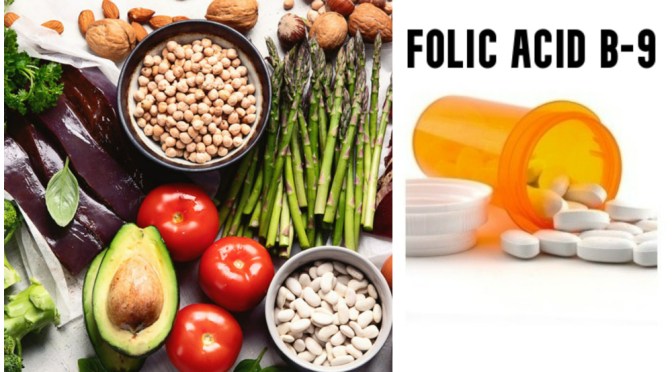
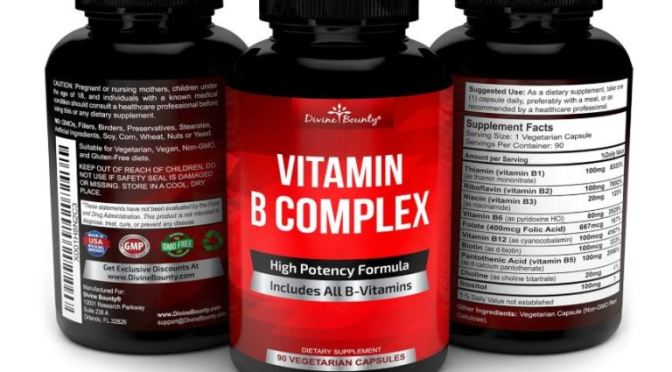
Vitamin B9 is one of eight B (B-complex) vitamins that help your body change food (carbohydrates) into fuel (glucose) to produce energy. You need B9 for the health of your liver, skin, hair and eyes, and to keep your nervous system working properly.
Cleveland Clinic – Vitamin B9 helps your body make healthy new cells, supporting many of its functions, and may help prevent health issues from developing. It’s proven critical for reproductive health, too.
“It’s essential for people who are pregnant to take folic acid supplements to support healthy fetal growth and development,” notes Zumpano. “When you’re trying to conceive or are pregnant, it’s extremely difficult to get the amount of vitamin B9 needed.”
Studies show that people who take folic acid supplements before conception and during the first trimester of pregnancy may reduce their risk of having children with neural tube defects (birth defects of the brain and spine such as spina bifida) by 40% to 80%. Early evidence suggests folic acid may also be associated with a lower risk of autism, severe language delays and emotional issues.
National Institute on Aging – As 2022 comes to a close, NIA invites you to explore some of the most popular health information topics from this past year:
— Shingles is a disease that triggers a painful skin rash. About one in three people will get shingles, but there is a vaccine for older adults to help prevent the disease.
Vitamins and minerals, as we all know, are of critical importance to our health. Gone are the days when scurvy(vitamin C) was the scourge of the high seas, and rickets (vitamin D) was common in the children of smoke-filled industrial cities with insufficient sunlight.
We are in a state of such overabundance that many medical authorities feel that vitamin supplementation merely makes our toilets healthier.
Covid 19, with a deficit of prevention and treatment options, has forced a new appreciation of the role of our immune systems in fending off Covid, and future viral plagues that are certain to follow. Optimum Health has never been more important.
A May 4, 2020, British Medical Journal (BMJ) article highlights the role of vitamins C and D, and minerals, especially Zinc, in functioning of our immune systems. Here are several highlights from the article:
Foods that are naturally abundant in vitamin C such as broccoli (60 mg/100 g), blackcurrants (130 mg/100 g), fortified breakfast cereals (up to 134 mg/100 g) and oranges (37–52 mg/100 g)45 should be made accessible to older individuals who are most in need of their nutritional benefits.
In the UK 5.5% of men and 4% of women 65 years and over (around 1 in 20) presently have zinc intakes lower than the lower reference nutrient intake (the level below which deficiency could occur).46 The consumption of foods naturally abundant in zinc such as canned crab (5.7 mg/100 g), canned shrimps (3.7 mg/100 g), canned adzuki beans (≈2.3 mg/100 g) and boiled eggs (1.3 mg/100 g) should be encouraged as a supplementation strategy to reinforce immunity.
Tolerable upper intake levels (ULs) are intake levels which should not be surpassed as toxicity problems could appear.47 For vitamin D a UL of 50 µg/day is advised and for zinc a UL of 25 mg/day is recommended. 47 There is insufficient evidence to establish UL for vitamin C, but available human data suggest that supplemental daily doses of up to about 1 g, in addition to normal dietary intake, are not associated with adverse gastrointestinal effects.47 Not having an adverse effect, however, is not necessarily indicative of a benefit either, and ongoing trials are warranted.
Among those with established respiratory conditions or pneumonia, specific nutrients such as vitamin C, D or zinc could be considered as potential adjuvants to conventional treatment pathways.
Susceptible people, particularly the old, should use every safe measure to stay well.





 Doctors Without Waiting Rooms