
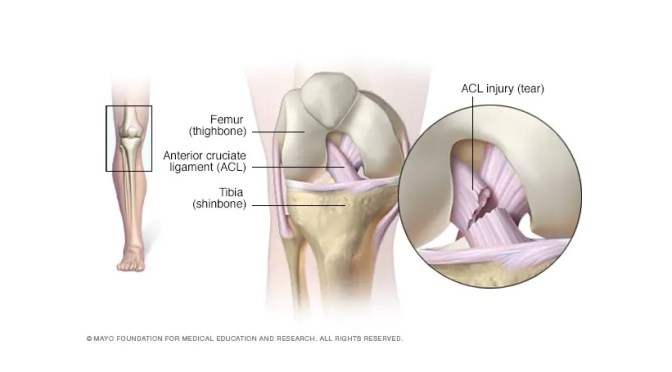
The goal of #ACL surgery is to rebuild or reconstruct the ligament. It allows many athletes- like basketball players- to get back on their feet after an injury.
— Mayo Clinic Sports Medicine (@mayoclinicsport) March 31, 2022
Learn about the surgical and non-surgical options our ACL Specialty Clinic has to offer. pic.twitter.com/OAU0QjemkF
Tag Archives: Videos
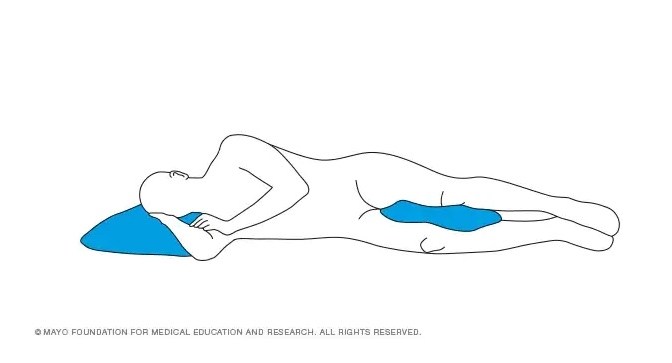
Mayo Clinic: What Are The Best Sleeping Positions?
Back-sleepers beware. “I know many people find it to be comfortable, because they’re not putting weight on their joints,” says Dr. Lois Krahn, a Mayo Clinic sleep specialist. But Mayo Clinic experts say sleeping on your back is actually the worst sleeping position, especially if you have sleep apnea. “Sleeping on the back means that your tongue and jaw can fall down and crowd your airway. And many people snore more on their back,” says Dr. Krahn. Sleeping on your stomach helps keep the airway open, but it can put a strain on your spine and neck. “There’s a host of evidence overall suggesting that probably sleeping on the side is better,” says Dr. Virend Somers, a cardiologist and director of the sleep facility within Mayo Clinic’s Center for Clinical and Translational Science.
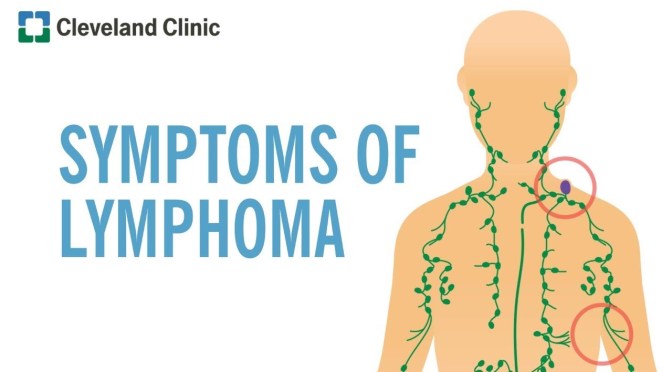
Cancer Diagnosis: The Symptoms Of Lymphoma
Knowing the symptoms of Lymphoma is essential for diagnosis and early treatment. Painless lumps near the lymph nodes, extreme fatigue, high fever and significant weight loss without a known cause are all signs to watch for.
Chapters: 0:00 Intro 0:15 Lymphoma overview 0:46 3 “b-symptoms” of lymphoma 1:09 Other warning signs of lymphoma 2:11 When to contact your healthcare provider
Inflammation: Three Ways It Affects Your Health
Acute inflammation happens as a part of our defense mechanism to clear out pathogens. So when a virus or bacteria invades us, we need to quickly mount an acute inflammatory response to get rid of the pathogen. Sometimes, that acute immune response isn’t enough to get rid of the pathogen. That’s when we elevate the level to the adaptive immune response. That’s when you involve specific lymphocytes, T and B cells, to fight off the infection.
So inflammation is a necessary process for dealing with pathogens but sometimes, it can also turn against us. Chronic inflammation happens because the body fails to get rid of the cause of the inflammation, such as viruses and bacteria. In those conditions, such as, you know, chronic infection with HIV or hepatitis virus or lung COVID, in which case we there may be a persistent viral reservoir that’s causing this chronic inflammation, the inflammation itself becomes the enemy.
Even though inflammation evolve to counter pathogens, it’s also engaged by other causes, and so having this amount of fat, for example, alone is able to trigger the immune system and induce the chronic inflammatory response that then fuels further problems to happen because the body is sort of trying to fight off a non-existent infection and therefore, it can sort of engage a chronic state of inflammation.
I can’t think of a disease which doesn’t involve inflammation, but we are now learning more and more about the physiological role of inflammation. Homeostasis ensures that we have a normal operation of different physiological functions like heart rate, breathing and glucose levels or insulin levels. Those two system, the inflammatory system and the homeostasis, they work together to maintain each other. Sometimes, the inflammatory response has to override the homeostatic response.
That includes things like adaptation to a different diet. The immune cells are now known to be able to sense differences in dietary conditions and adapt the intestine for future absorption of nutrients. This kind of events that are not necessarily at all related to pathogens, but for maintaining physiology. Inflammatory responses are integral in order to maintain health. So a molecular-level understanding of inflammation is necessary to understand the logic by which these systems function, and also it provides the pharmaceutical target for future therapies of inflammatory diseases.

Diagnosis: Six Warning Signs Of Colon Cancer
Colon cancer is one of the most common cancers in people of all genders and the third leading cause of cancer-related deaths in the United States. It happens when the cells that line the colon become abnormal and grow out of control.
Chapters: 0:00 Intro 0:22 What is colon cancer? 1:00 6 warning signs of colon cancer 2:13 How are patients screen for colon cancer? 2:32 Who is at risk for colon cancer? 3:15 Is colon cancer treatable?
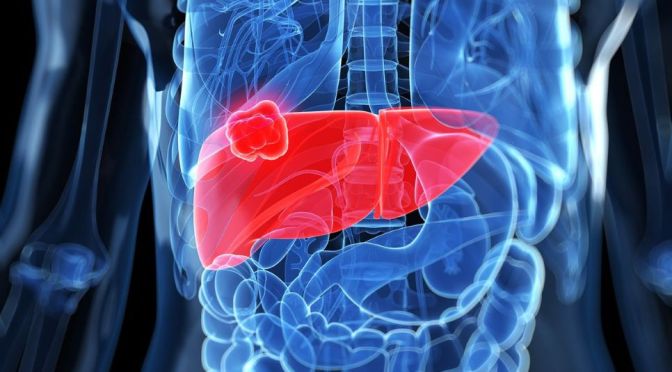
Diagnosis: Mayo Clinic Explains Liver Cancer
Learning about liver cancer can be intimidating. Let our experts walk you through the facts, the questions, and the answers to help you better understand this condition.
Video timeline: 0:00 Introduction 0:22 What is liver cancer? 2:04 Who gets liver cancer? / Risk factors 3:02 Symptoms of liver cancer 3:52 How is liver cancer diagnosed? 4:48 Treatment options 5:36 Coping methods/ What now? 6:00 Ending
For more reading visit: https://mayocl.in/3q8Lzwk
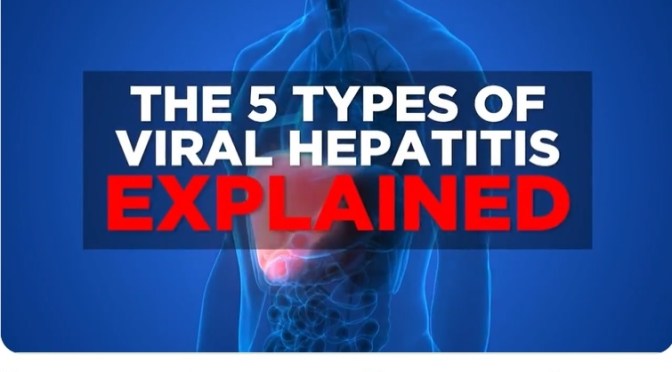
Infections: The 5 Types Of Viral Hepatitis Explained
Viral hepatitis is an infection that causes liver inflammation and damage. Inflammation is swelling that occurs when tissues of the body become injured or infected. Inflammation can damage organs. Researchers have discovered several different viruses link that cause hepatitis, including hepatitis A, B, C, D, and E.
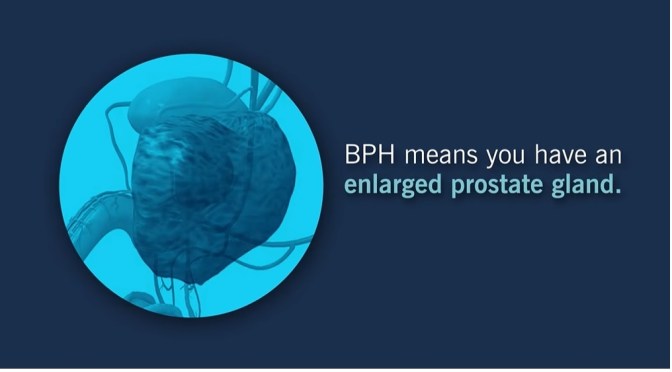
Medicine: BPH – Benign Prostatic Hyperplasia
Benign prostatic hyperplasia is the most common condition that affects the prostate gland. While it can make things quite uncomfortable for those who are living with it, BPH is noncancerous and treatable. Learn more about it in this helpful video from Cleveland Clinic.
Chapters: 0:00 Intro 0:16 What is BPH? 1:11 What are common symptoms of BPH? 1:58 What causes BPH and who is most affected? 2:25 Does having BPH mean you have prostate cancer? 2:50 Why you should talk to your healthcare provider
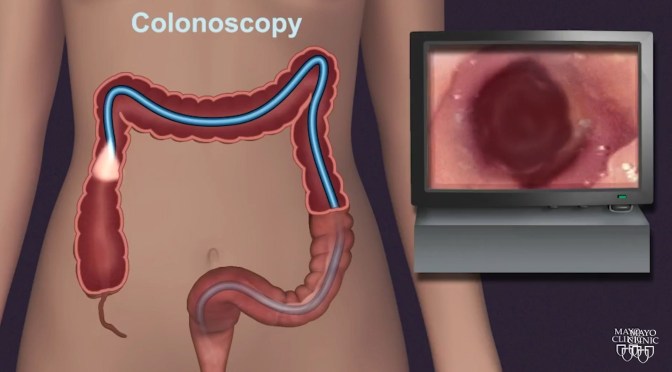
Diagnostics: Screening For Colorectal Cancer
Colorectal cancer is the second-leading cause of cancer death in the U.S. Colorectal cancer cannot be totally prevented, but there are ways to lower your risk and that’s with regular screening.
The U.S. Preventive Services Task Force and the American Cancer Society encourage patients to start screening for colorectal cancer at age 45. Dr. John Kisiel, a Mayo Clinic gastroenterologist, also says patients should begin screening at 45. He recommends checking with your health care provider about your risks, and with your insurance provider about your coverage.
Brain Tumors: Causes And Types (Cleveland Clinic)
A brain tumor is a mass of cells in or around the brain. Tumors that develop in the brain are called primary tumors. Tumors that spread to the brain after forming in a different part of the body are called secondary tumors or metastatic tumors. This video focuses on primary tumors.
Chapters: 0:00 Intro 0:14 What is a brain tumor? 0:32 What causes brain tumors? 0:48 What are the signs of a brain tumor? 1:17 What is a meningioma? 1:51 What are 3 types of meningioma? 2:37 Don’t ignore the warning signs.
 Doctors Without Waiting Rooms