Tag Archives: The Doctors 101 Chronic Symptoms & Conditions

THE DOCTORS 101 CHRONIC SYMPTOMS & CONDITIONS #42: HIP JOINT PAIN

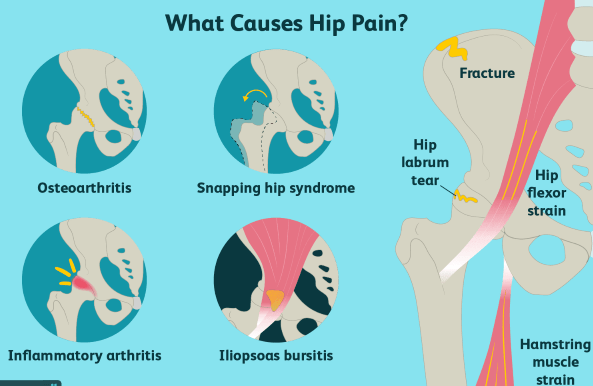
Hip pain is a very common condition as one gets older, though it can also occur in younger people. The most common cause of hip pain is OSTEOARTHRITIS , a condition that I discussed a little more than a year ago, mainly in the context of pain in the joints of the hand:  press the search button and type in “osteoarthritis”. I think you’ll enjoy reading it, as I did upon rereading.
Large joint arthritis seems to be a different animal as compared to small joint arthritis, to which I can personally attest; I have had significant arthritis in the joints of my hand and somewhat in my feet for a long time now, while I am fortunate enough not to have any problem with my hips or knees. It may be a coincidence, but I have been taking glucosamine and chondroitin  for sometime now.

It is also of interest that I have stood without sitting down in much of my medical career, and I have continued walking for exercise 1 to 1 1/2 hours a day. This would be against the idea that it is only ordinary wear and tear on the joints that determine the loss of articular cartilage so characteristic of osteoarthritis.

Unusual wear and tear, such as in football, soccer and Long term running on a hard surface, is a different matter, however. Pain in the groin is the most characteristic location for hip-joint arthritis. Pain in the side of the hip joint may be trochanteric bursitis, and that in the buttocks area could be from the nerve root compression of sciatica. Knee pain can refer to the hip. Rheumatoid arthritis, and even rheumatic fever in younger people can also cause hip inflammation and pain.

Sports injuries and falls can cause a hip fracture or a tear in the hip labrum that can declare as pain, but here’s the problem is more about how to treat it, rather than the diagnosis. As you get older, remember to take your calcium and vitamin D to prevent osteoporosis, and maintain your muscle strength and balance to prevent falls. Please type in “falls” for a discussion on how to prevent this often devastating problem in the elderly.

The hip joint can actually get infected with a septic arthritis, which is more typical of younger individuals, and those with immune deficiency. Cancer and infection of the hip bone can also be quite painful. The hip bone can suffer a loss of arterial supply, causing avascular necrosis in the process. Adolescents can get a slipped epiphysis.

When hip pain interferes with your exercise routine and ordinary life activities, it is time to check with the doctor to see what is going on and what can be done about it. If you have not already decided upon surgery, I would suggest a family practitioner or internist as your first stop.

Please refer to the mayo clinic article for more information.

—Dr. C.

Read Mayo Clinic article
THE DOCTORS 101 CHRONIC SYMPTOMS & CONDITIONS #41: COCCIDIOIDOMYCOSIS

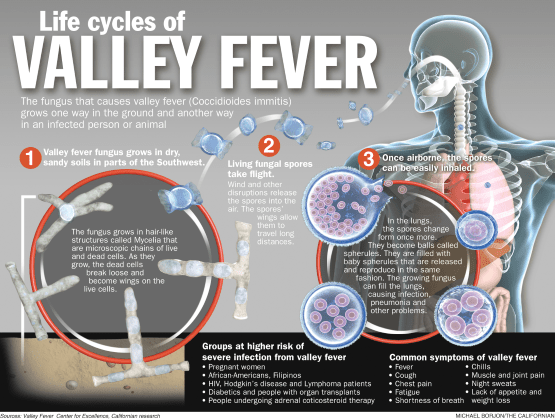
Coccidioidomycosis, also called Valley Fever, is a silent epidemic in the western hemisphere between 40° north and 40° south. Hot summers and mild winters with an annual rainfall of 10 to 50 cm is typical.

The Fungus grows in the soil that is moist, but the soil must dry out and Be disturbed, such as  by digging, and the wind speed must pick up before you can get the arthrospores into the air so that they can be taken into the lungs.

Most infected people have minimal symptoms. Among those infected, some get a fever and a cough and recover promptly. 3 to 5% of individuals develop a chronic infection. Infected patients with a weak immune system can have disseminated coccidiomycosis affecting virtually any tissue in the body.

Notable coccidiomycosis symptoms include a profound feeling of tiredness, fever, cough, headaches, rash, muscle and joint pain. A loss of the sense of smell is also described, raising some confusion with COVID-19.

Coccidiomycosis can cause a characteristic painful bump in front of the lower leg called erythema nodosum. People with a combination fever, joint pain, and erythema nodosum are said to have “desert rheumatism”.
20% of community acquired pneumonia can be due to coccidiomycosis in endemic areas such as Phoenix Arizona and the San Joaquin Valley.

Immunizations have been evaluated for cost-effectiveness, and the results were not encouraging. More recently, A modification of the coccidiomycosis genome which prevents growth and multiplication of the spore has been tried as a vaccine in mice and found effective.

It is planned to try this noninfectious spore on dogs, who are also very susceptible to the disease. Dogs are a good choice because Government  restrictions and requirements are not so severe, and because people would do almost anything to protect their animals, promising a good market for the vaccine.

A year ago last spring, my brother had a protracted problem which involves his lungs and even his heart, and was admitted to a hospital in Phoenix. Apparently COVID-19 was ruled out, and Coccidiomycosis was diagnosed. The Doctors declined to give him amphotericin or an Azole, the  usual treatments. He recovered, was discharged, and currently is doing well with no residual symptoms.

I was planning to visit him last spring, but I’m glad I stayed home; our immune system‘s are too similar.

–Dr. C

Mayo Clinic article

THE DOCTORS 101 CHRONIC SYMPTOMS & CONDITIONS #40: HYPOTHYROIDISM

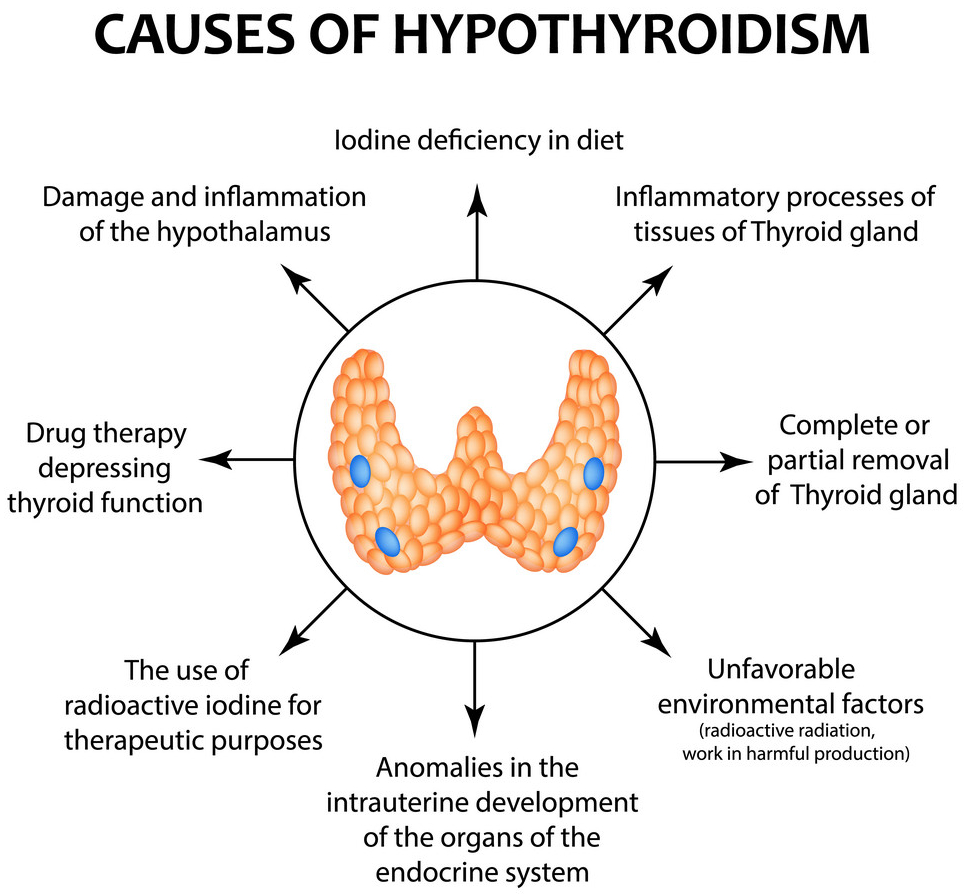
Hypothyroidism is a very common hormonal deficiency where there is an insufficient amount of thyroid hormone, T4. The thyroid gland regulates your metabolic activity. If you have insufficient thyroid hormone, everything seems to slow down; Your energy level, your muscle strength, your heart rate, your brain activity, and even your intestinal activity are all slower.

The causes of thyroid hypothyroidism. Infographics. Vector illustration on isolated background

One of my habits in practice was to check the size of the thyroid, which is an H shaped gland astride the windpipe beneath the voice box. It becomes enlarged in a condition known as Hashimoto’s thyroiditis, the most common cause of adult hypothyroidism.

As you recall from the last posting, when the thyroid function is low, the brain causes a release of TSH, which stimulates the thyroid gland. In order to produce more thyroid hormone, the gland enlarges and the examining physician can feel it.

Babies can be born without a thyroid. I had one such patient when I was in training. The baby was inexplicably limp, and did not cry vigorously like other babies. When given thyroid hormone, she developed normally. Such babies often go undetected, don’t grow and become mentally deficient.

The thyroid gland produces thyroxine, which is T4.  In the tissues, the T4 is converted into the much more active T3. This is often the medication of choice in hypothyroidism. In giving thyroid Hormonal, the physician must adjust the dose, depending on the patients  response. Only after a number of visits is the proper dose found.

Please refer to the Mayo clinic article on hypothyroidism. The use of the TSH as a blood test is also discussed.

—Dr. C.

Mayo Clinic Article

THE DOCTORS 101 CHRONIC SYMPTOMS & CONDITIONS #38: HEMATURIA

Pink urine! You can imagine my shock. What could it be? I exercise more than 1½ hours a day. Could it be myoglobin? I put beets in my daily osterizer “shake”: could the color be from the anthocyanins from beets?

I took a urine specimen to the lab, and the color turned out to be from Hemoglobin, the most likely cause all along. There were lots of red blood cells in my urine and the test strip was strongly positive for Hemoglobin. I called a urologist, who said I needed a Urine culture for infection, and a “CT Urogram”, to check for cancer, kidney stones and other problems.

You should always check with your doctor with Hematuria, and I am no exception. My Urology appointment was in 1 week. I got a urine culture, Cell cytology (for cancer), a CT Urogram, and a urine culture before the visit. I wanted to save time by scheduling a Cystoscopy at the time of the first visit, but couldn’t arrange it.

I went for the appointment. They took a blood pressure, but didn’t check my urine, which I thought was negligent. I had been regularly checking my urine for blood by a test strip, and it was negative. The appointment lasted only minutes. My old urologist always checked my urine on every visit, regardless of whether it was a regular check or to consult for a problem. If I were a Urologist, you can be sure I would have my microscope ready, have the nurse collect the urine, spin it down, and put the sediment under the microscope for me to check.

When I was in medical practice as an allergist, I would have my nurse check any sputum the patient produced smeared on a slide, stained and dried. Microscopic examination of urine and sputum takes only seconds and yields lots of information. In my opinion, 50 years of Insurance surveillance and governmental regulations, including restrictions on lab work done in the doctor’s office and Hippa privacy laws, have handicapped Doctors and are partly responsible for the costly, dysfunctional system that is modern medicine.

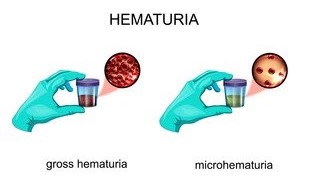
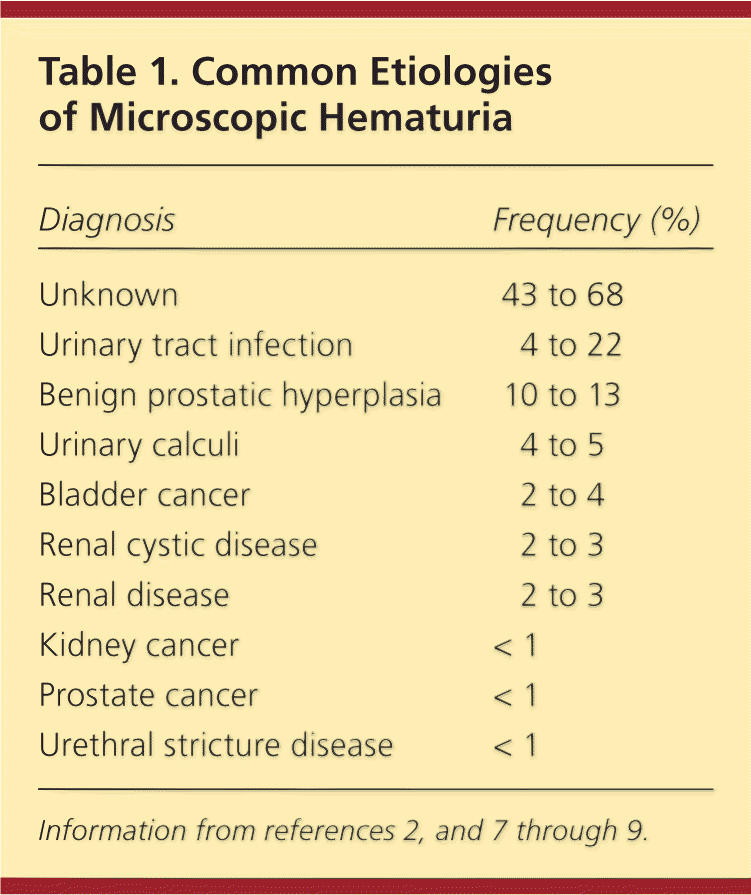
Sorry for the Sermons. Visible blood in the urine-Gross Hematuria- requires that you see your Doctor and find the cause of that blood. Please see the 2 appended Mayo Clinic articles for more detail.

–Dr. C.

THE DOCTORS 101 CHRONIC SYMPTOMS & CONDITIONS #37: EYE IRRITATION

‘Something is in my eye” is a feeling that everyone has had, and it doesn’t take much to create that sensation. A speck of dust, a grain of sand, a gnat or an ill-behaved eyelash will do it. Most of the time your eye will tear up and the offender is washed away.

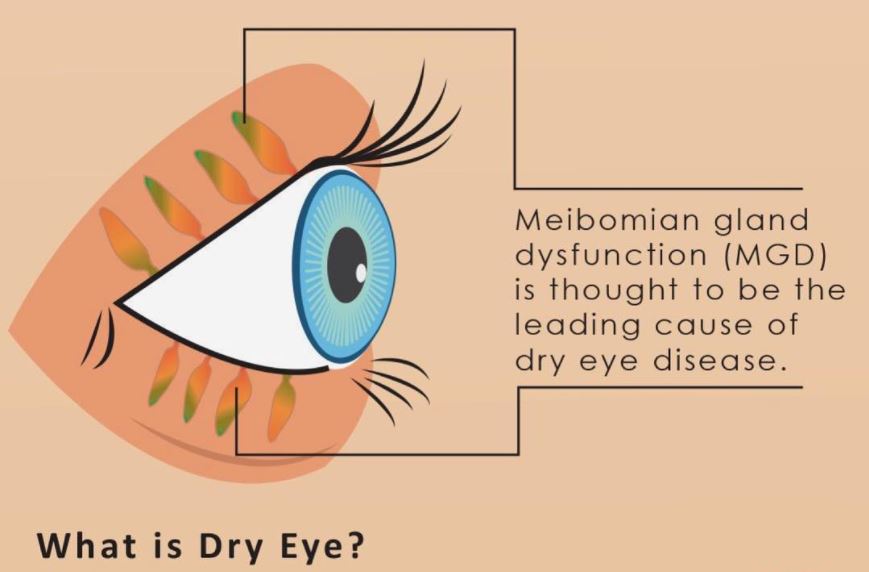
As I get older, this sensation is more frequent. I look at my eyes in the mirror, and there is no one-sided redness, displaced lash or anything else I can see. When I saw the doctor for my cataract surgery a couple of years ago, he took a sample of my tears, and found a deficit in the fatty component. He recommended twice daily, five minute warming of my eyes, but I stopped doing it after a while.

I have so many picky little things I do that this extra time didn’t see worth it. I know that my eyes are dry, which is common in older people, and often use “Refresh-plus” individual, preservative-free ampoules, which seems definitely worth the trouble. It makes my eyes feel better, alleviates the gritty sensation, and even clarifies my vision. I have also resumed warming my eyes with a clean washcloth, moistened with hot water, when I take my shower.

I fancy that I am stimulating my meibomian glands like the eye surgeon intended, to increase the lipid content of my tears. I’ll keep you posted. There are a number of other disorders which can cause the eye symptom, as the accompanying article indicates. Be sure that if the discomfort is more than trivial, or the affected eye is red, or if vision is affected, that you consult your eye doctor, or at least your primary care Physician.

Dr. C.

Read more

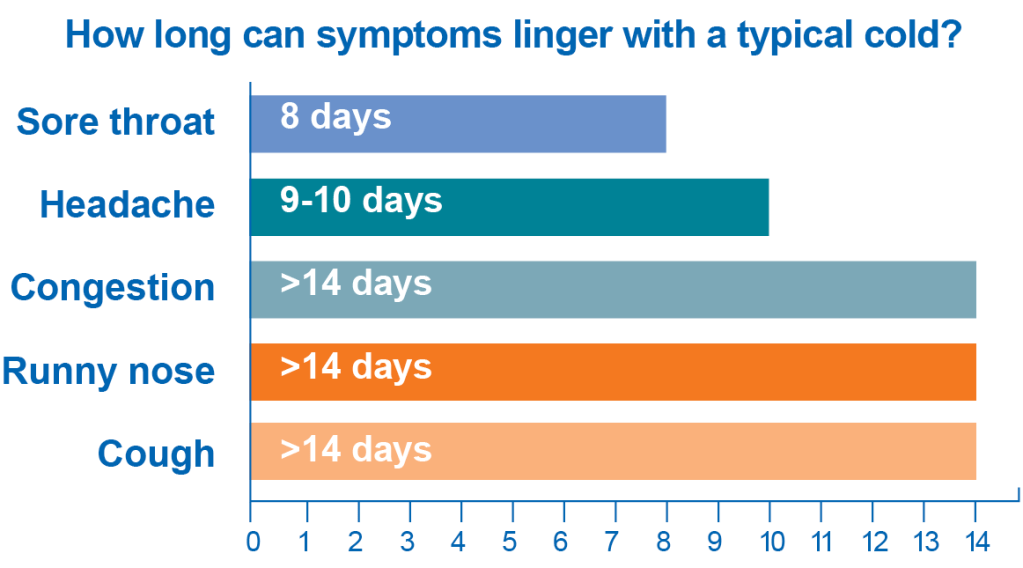
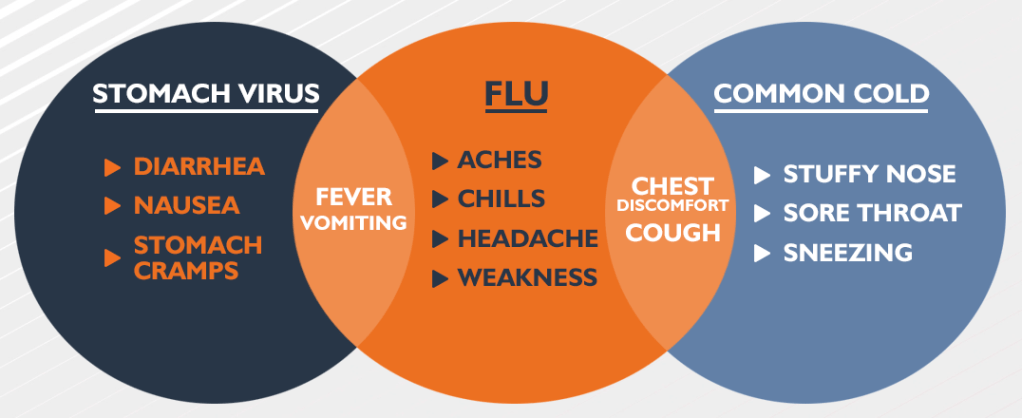
THE DOCTORS 101 CHRONIC SYMPTOMS & CONDITIONS #33: The Common Cold’

The common cold is one of the most frequent of human diseases, and causes billions of dollars in lost work yearly. I haven’t heard of many cases of colds or flu recently, in the Era of Covid.

Distancing, mask wearing, and hand washing prevents colds too. The common cold spreads by AEROSOL transmission, and autoinnoculation into the nose from contaminated surfaces, just like Covid.

By far the most common cause of the Common Cold is the RHINOVIRUS, of which there are 100 serotypes. Coronaviruses, Influenza, Parainfluenza, RSV and enteroviruses also produce cold-like symptoms. The large number of viruses causing the Common cold makes developing an effective vaccine difficult.

Adults eventually encounter most of the serotypes prevalent in their community, and don’t catch many colds. However, when adults travel, they experience a new, unfamiliar group of viruses endemic to their destination. How often do we take a trip and come back with a Cold, or worse. We lack immunity to the microorganisms we have not yet encountered, just like children.

When I was in pediatric allergy practice, I feared nothing so much as the cold temperatures in October. The kids would come back to school, and start getting colds, averaging 7-8 per year. It is commonly thought by researchers that cold symptoms are not produced so much by viral damage to the respiratory membranes, as by the body’s immune response to those viruses.

My experience confirms that opinion. A cold was a worry for my patients. Rhinovirus infection often triggered a severe ashmatic response, sometimes sending the children to the ER if not the Hospital ICU.

It was the allergic reaction to the virus that caused the severe wheezing. After the epidemic of Covid subsides, and becomes endemic, don’t give up all of your newly-acquired habits. Hand-washing, distancing, and even masks prevent other respiratory disease transmission too.

–Dr. C.

THE DOCTORS 101 CHRONIC SYMPTOMS & CONDITIONS #31: COLD SORES

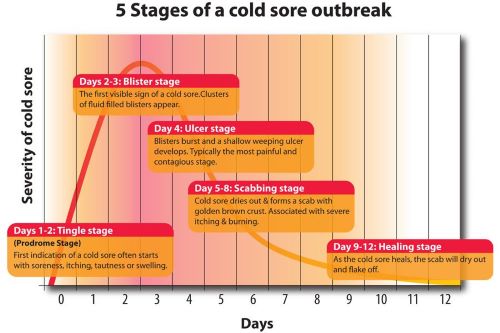
“Fever Blisters”, or “Cold sores” are caused by infection, almost always, with the Herpes Simplex 1 virus. Herpesvirus infestations are present in 50% of the population, usually causing little disturbance. The symptoms on first exposure depend on the Age the virus is first acquired.

NEONATAL Herpes can be extremely serious, due to the immaturity of the infant immune system. Herpes acquired in CHILDHOOD, or Primary herpetic Gingivostomatitis, can cause very dramatic FEVER, with blisters in the mouth, that lasts for a week to 10 days, causing lots of misery and hand-wringing but having a good outcome.

I had one such case early in my pediatric residency at Walter Reed Army Hospital, a young French boy named Didier Dupont. He screamed with pain, and wouldn’t eat or drink. His parents thought that he was going to die, and that I saved his life, neither of which was true. My roommate and I lived in the same housing complex as the Duponts, and enjoyed many fine french meals with them, one of the few positive events to result from an encounter with Herpes Viruses.

The first acquaintance with Herpes in ADULTHOOD produces outcomes ranging from no symptoms at all, to a flu like syndrome with mouth blisters. Many people have positive blood tests for herpes, but cannot recall any mucosal burning, blisters or pain, so Herpes can enter the body without producing memorable symptoms.

The Herpes 1 Virus gains entrance to the body through the lining of the lips, mouth or nose(or through broken skin), and travels up the local nerves to the cell body in the local Trigeminal ganglion. There it remains quietly, until some STRESS reduces the resistance, allowing it to awaken and travel back down the nerves to the “mucocutaneous junction”, where the skin thins out into the lining of the nose, mouth, or occasionally the eyes.

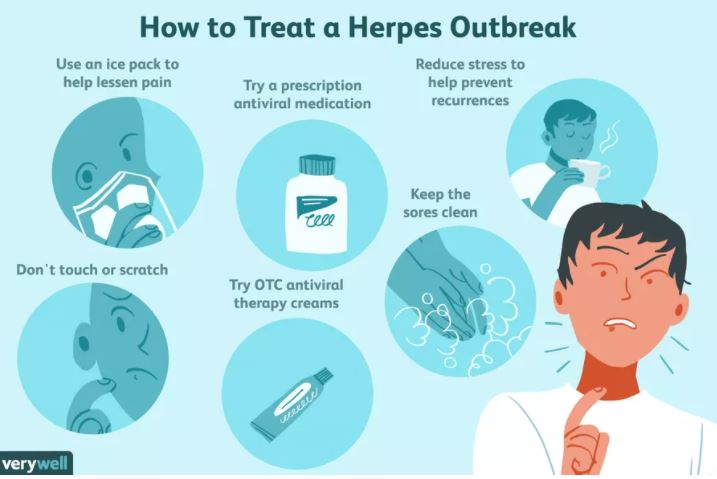
There it multiplies and forms painful blisters, or “cold sores”. Sunburning of the lips, a “cold”, or psychological strain are examples of the stresses that can trigger cold sores. Reduced resistance is the common factor.

The Acyclovir family of drugs is usually effective in treatment, and works by inhibiting DNA Polymerase. These oral medications can be given to curtail each episode, if cold sores are infrequent, or continuously to reduce the number of outbreaks.

Herpes 1 is a double stranded DNA Virus in a family that includes Herpes 2, Chickenpox, the EB virus of mononucleosis fame, and Cytomegalovirus, which is the bane of organ transplant recipients. A nasty Clan indeed, and very successful in evolutionary terms.

–Dr. C.

THE DOCTORS 101 CHRONIC SYMPTOMS & CONDITIONS #30: ACNE (Vulgaris)

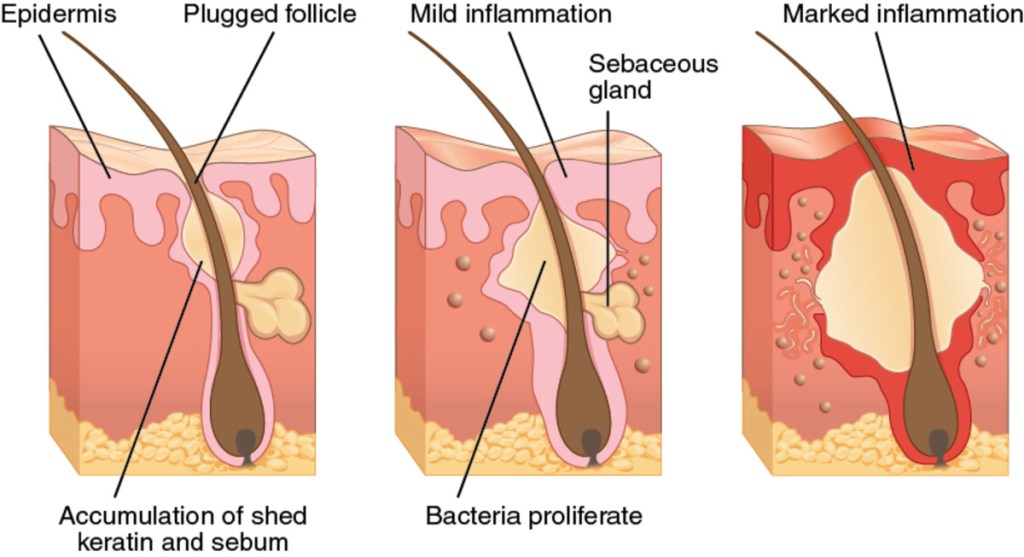
ACNE is almost a rite of passage in adolescents, although it is not totally restricted to the teen years; women may experience acne during pregnancy, or at the time of menopause. It afflicts about 90% of kids during their PUBERTAL growth spurt, though is moderate or severe in only 15%.

Acne is caused by PLUGGING of the sebaceous glands of the skin. Infection by certain skin BACTERIA follows. Check the accompanying video for a description of the battle between the “Good guys”, Staph epidermidis and Cutibacterium acnes, vs. the bad guy, Proprionibactrium
acnes.

Acne tends to run in families. The steroid HORMONES like Testosterone and Cortisone promote Acne. STRESS tends to chronically raise Cortisol and is a factor in Acne, and many chronic illnesses as well.

A person who is having trouble with Acne should avoid sweets and greasy foods, which is a good idea for everybody. Skin cleansers, using salicylic or azelaic acids and benzoyl peroxide may help, and creams containing retinoic acid derivatives may be useful..

The doctor may prescribe an antibiotic like tetracycline in resistant cases. Cystic acne may be scarring, but otherwise “the zits” depart with the pubertal years.

–Dr. C.

Further reading at Mayo Clinic

THE DOCTORS 101 CHRONIC SYMPTOMS AND CONDITIONS #28: CERVICAL POLYPS

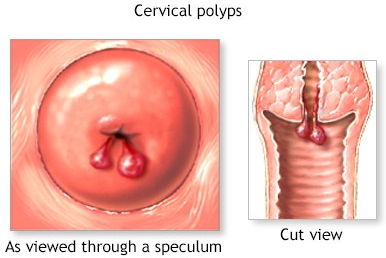
Cervical polyps are fairly common, particularly in young women who have had children. They are rare before periods start, and uncommon after menopause. Polyps are often silent, without symptoms.

Polyps are often silent, without symptoms. Polyps are often associated with INFLAMMATION, and may be discovered because of vaginal DISCHARGE. They may bleed and betray themselves by heavy periods, or BLEEDING between periods.

My Daughter, a Student Health Physician, recently saw a patient who presented with a foul discharge and examination revealed a large polyp. A blood count showed a severe ANEMIA.

Although cancer is rare, the polyp should be biopsied or removed and examined to be sure there is no malignancy. Cervical Polyps are often discovered on a routine Physical Examination. Preventative Physical and Vaginal examinations in young women are important to check for such conditions as Polyps, do PAP smears, and, in sexually active women, screen for STDs.

–Dr. C.

Read more

THE DOCTORS 101 CHRONIC SYMPTOMS AND CONDITIONS #26: HYPERTENSION

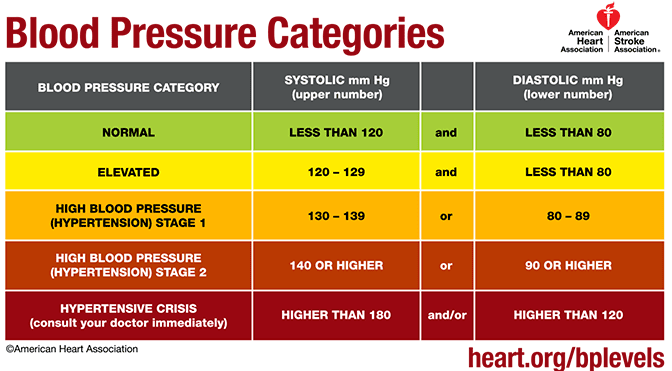
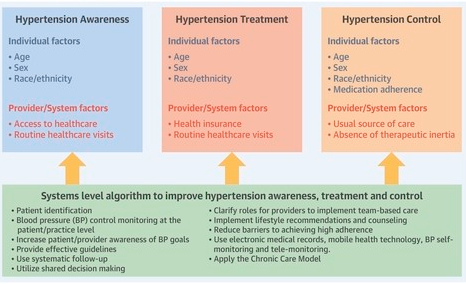
Hypertension places an extra load on the blood vessels and heart, and eventually causes them to become diseased. High Blood Pressure is therefore bad for the entire body, which depends on the blood vessels for delivering the nutrients and oxygen necessary for life.

Most hypertension happens from subtle changes in the body’s signalling systems, and often runs in families; This is called “essential hypertension”. Additionally, there are a number of diseases and conditions of which hypertension is a symptom. It is important to know if you have hypertension, and fortunately it is easy to discover.

A visit to the doctor, or even to the pharmacy will make a reading available, and if you are concerned, an automatic cuff is available for $20. A healthy lifestyle and weight Will help prevent and treat hypertension, as in so many other chronic conditions.

A variety of medications are available to treat hypertension, but ANY MEDICATION CAN PRODUCE SIDE EFFECTS. It is rare for an effective medication to produce only a single, desired effect on the body. I have never known a person who at some time did not experience some side effect from antihypertensive medications.

Be sure to maintain contact with your Doctor. The dose may be too high, causing episodes of LOW blood pressure with fainting. When I was in practice, any number of patients came to me with a chronic cough, which I “cured” by having their doctor replace their ACE Inhibitor with another medication.

Please read the accompanying Mayo Clinic article for a complete discussion of this important condition.

–Dr. C.

Mayo Clinic article